Topkapı Palace charges foreign visitors 2,750 TL for its combined ticket. The Sultan Ahmed Mosque, a ten-minute walk away past Hagia Sophia, charges nothing at all, and the ferry to Asia costs one tap of the same card you used on the tram. That gap is the whole trick to Istanbul on a backpack: pay for the two or three things that earn it, and let the city’s free and nearly free layer carry the rest of the trip.
Three to five days is enough for a first visit. What you need to know is which airport you land at and the cheap way out of it, which of five neighborhoods to sleep in, what the old city’s sights cost and when they close, which ferries to ride, and what to eat for less than a museum audio guide. Prices below are what the counters quoted in late 2026; lira prices move fast, so check the board.


Contents
- What Istanbul costs in 2026
- Arriving: two airports and one transit card
- Where to stay on a budget
- The old city on foot
- Süleymaniye, the Golden Horn and Balat
- Galata, Karaköy and Beyoğlu
- Over to Asia: Kadıköy, Moda and Üsküdar
- The Bosphorus without a cruise
- Eating and drinking cheaply
- Mosques, prayer times, Ramadan and Fridays
- Scams and safety
- Money and cards
- Three days and five days in Istanbul
- Leaving Istanbul: buses and trains
What Istanbul costs in 2026
Istanbul is not the cheap city it was a decade ago. Inflation has pushed lira prices up year after year, and the big sights now price foreigners in euros or in lira set well above what locals pay. The good news is that the things a backpacker spends money on every day (a bed, the transit card, street food, tea) are still cheap by any Western European standard.
Here is what the everyday items cost in November 2026:
| Item | Price (late 2026) | Note |
|---|---|---|
| Dorm bed, central hostel | from about €14–18 | Low-season “from” rates; expect more in summer |
| Istanbulkart (the card itself) | about 165 TL | Not refundable; balance loaded separately |
| One ride on tram, metro or bus | 46.20 TL | From 20 July 2026; transfers cost less |
| Simit (sesame bread ring) | 30 TL | Raised from 25 TL in September 2026 |
| Balık ekmek (fish sandwich), Eminönü | about 150–220 TL | Varies boat to boat |
| Stew and rice at an esnaf lokantası | roughly 250–400 TL | Depends on the dish and the street |
| Galata Tower | €30 | Ministry of Culture price for foreigners |
| Hagia Sophia (visitor route) | €25 | Foreign visitors; worship is free |
| Topkapı Palace combined ticket | 2,750 TL | Palace, Harem and Hagia Irene |
A frugal day of dorm, transit, street food and a lokanta lunch comes to the bed plus roughly 800–1,200 TL. Add one paid sight and a sit-down dinner and it doubles. The budget breaker is the big-ticket sightseeing: Topkapı, Hagia Sophia’s gallery, Galata Tower and the Basilica Cistern together cost more than four nights in a dorm.
Arriving: two airports and one transit card
Istanbul has two airports on opposite continents, and which one your ticket lands at shapes your first two hours. Istanbul Airport (IST) sits far north of the city on the European side and handles most international flights. Sabiha Gökçen (SAW) is on the Asian side, about 50 minutes by metro from Kadıköy, and is the base for most low-cost carriers.
Istanbul Airport (IST)
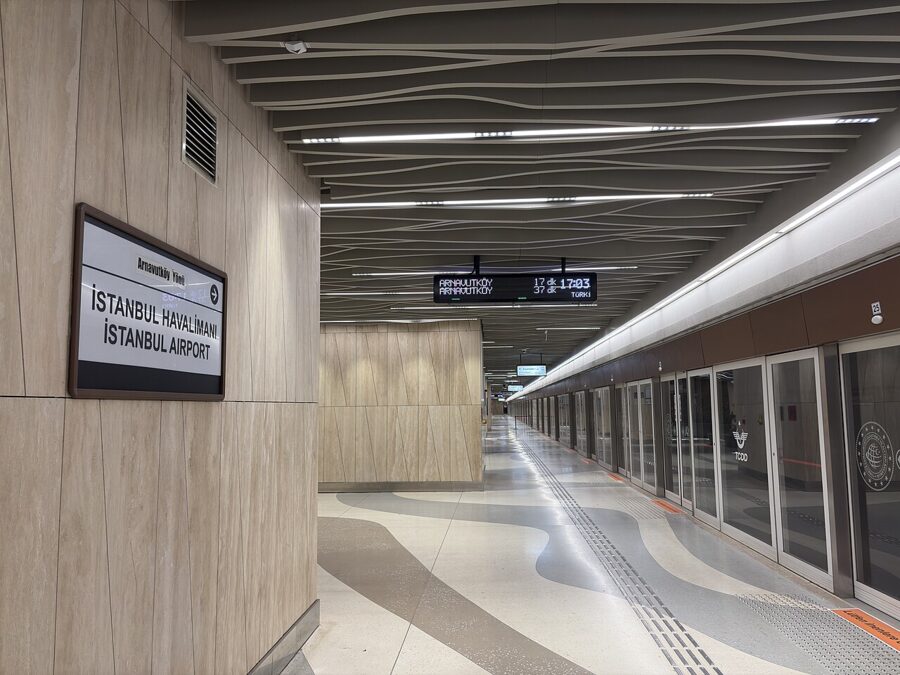

The cheapest way in is the M11 metro, which runs from the airport to Gayrettepe in about 30 minutes, with a train roughly every 15 minutes. The fare is priced by distance and paid with the Istanbulkart; on the February 2026 tariff, rides of up to eight stations cost no more than 43.54 TL, and a little more after the July increase. At Gayrettepe you change to the M2, which runs south through Taksim and Şişhane (the stop for Galata) and across the Golden Horn to Yenikapı.
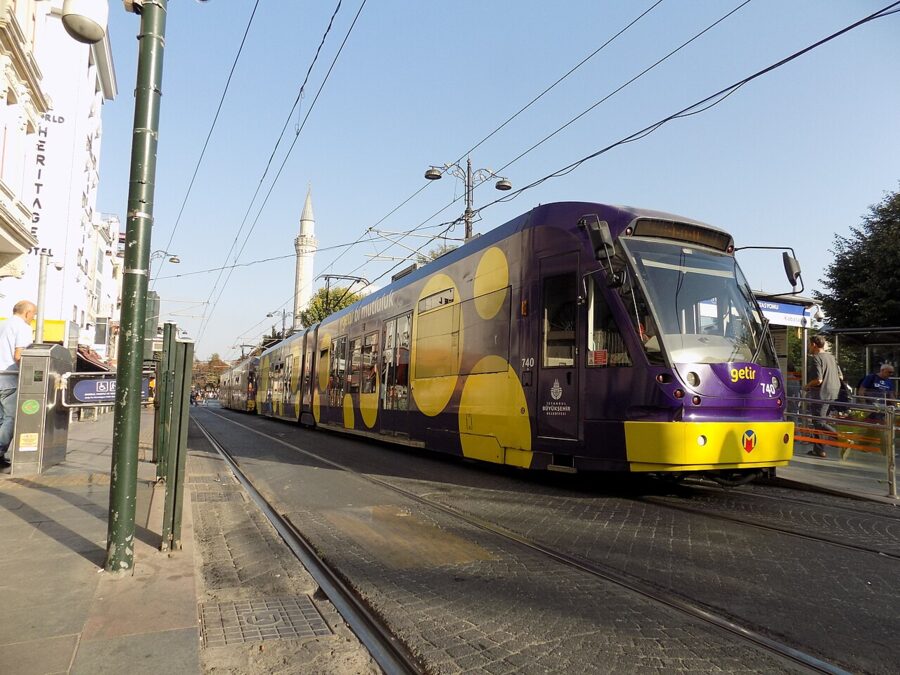
For Sultanahmet, stay on the M2 to Yenikapı and take the Marmaray one stop to Sirkeci, then walk 15 minutes uphill or ride the T1 tram two stops. Each change is charged as a discounted transfer on the card (34.40 TL for the first one in late 2026), so the whole trip costs roughly 100–120 TL. Allow 75–90 minutes door to door.
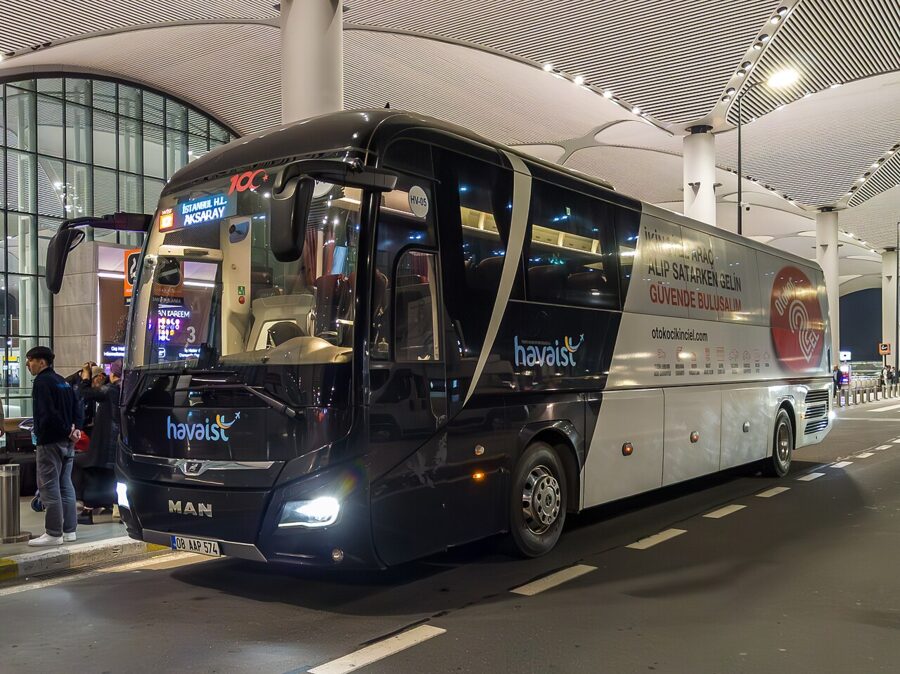

If you land late, with a big bag, or simply want one seat all the way, the Havaist airport coach is the next step up. The Sultanahmet line costs €8 (the fare Havaist set in July 2026) and runs from the airport via Miniatürk, Şişhane and Eminönü pier to Çatladıkapı, on the Sea of Marmara side of Sultanahmet. Other Havaist lines serve Taksim, Beşiktaş, Kadıköy and Aksaray, and leave from the −2 transport level of the terminal. Traffic decides the journey time, so allow 60–100 minutes.
Sabiha Gökçen (SAW)
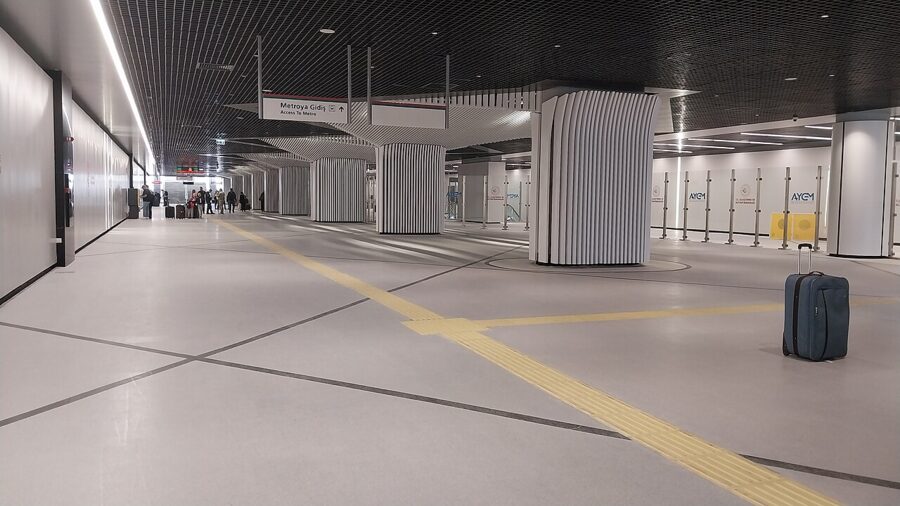

From Sabiha Gökçen, the M4 metro runs straight to Kadıköy in about 52 minutes for a single city fare. If you are staying in Kadıköy, that is your whole journey. For the European side, walk from Kadıköy metro to the ferry pier (five minutes) and cross to Eminönü or Karaköy by boat, which is a better welcome to the city than any taxi.
The Havabüs coach is the alternative: 300 TL to Kadıköy (about 60 minutes) or 485 TL to Taksim, with tickets sold at the kiosk in arrivals or by the driver. With the metro this good, I’d only take the coach to Taksim after the trains stop.
The Istanbulkart
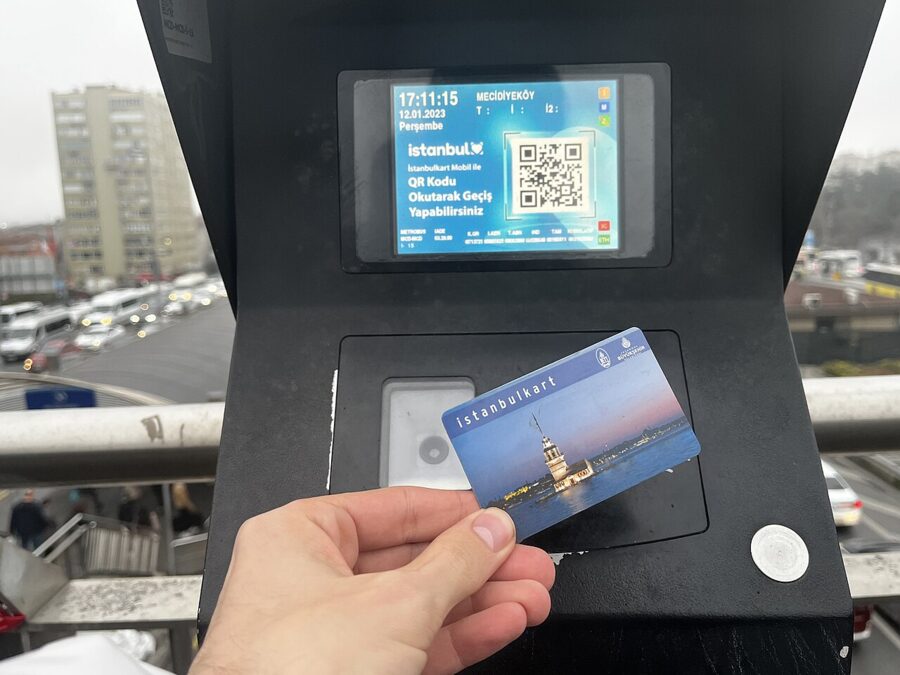

Every metro, tram, city bus, funicular, Marmaray train and municipal ferry in Istanbul takes the same contactless card. You buy it from the yellow and blue Biletmatik machines at stations and piers, which take cash and, at many machines, a bank card. The anonymous card costs about 165 TL, which is not refundable and is not travel credit; you load lira onto it separately.
A full ride costs 46.20 TL on the tariff in force since 20 July 2026. The card’s real value is the transfer discount: change from the tram to a ferry within the transfer window and the second ride costs 34.40 TL, the third 26.42 TL. One anonymous card can also pay for two or three people traveling together, one tap each, which halves the card cost for a pair.
The machines also sell disposable cards for a fixed number of rides: 65 TL for one ride, 185 TL for three, 530 TL for ten. Run the numbers and the disposable ten-ride card works out at 53 TL a ride with no transfer discount. For anyone staying three days or more, or making a lot of tram-to-ferry connections, the Istanbulkart wins. Load 300–400 TL on arrival and top up as you go.
Where to stay on a budget
Most first-timers book Sultanahmet because the sights are there. That is a fine choice for two nights and a dull one for five, because the neighborhood empties of everyone but tourists after dark. Splitting a stay between the old city and either Galata or Kadıköy gives you both halves of Istanbul and costs nothing extra in transport.
Sultanahmet

Good for: walking to Hagia Sophia, the Blue Mosque and Topkapı before the tour groups arrive, and the most hostels per street in the city. Bad for: restaurants priced for tourists, carpet-shop touts, and a quiet evening scene. The cluster of hostels between the T1 tram line and the Sea of Marmara walls is where the backpacker infrastructure is densest.
Cheers Hostel, on Zeynep Sultan Camii Sokak in Alemdar, a few minutes from Hagia Sophia, has mixed and female dorms of six to ten beds. It was taking bookings in November 2026, with winter dorm beds from roughly €14–22 a night depending on the room and where you book.
Sirkeci
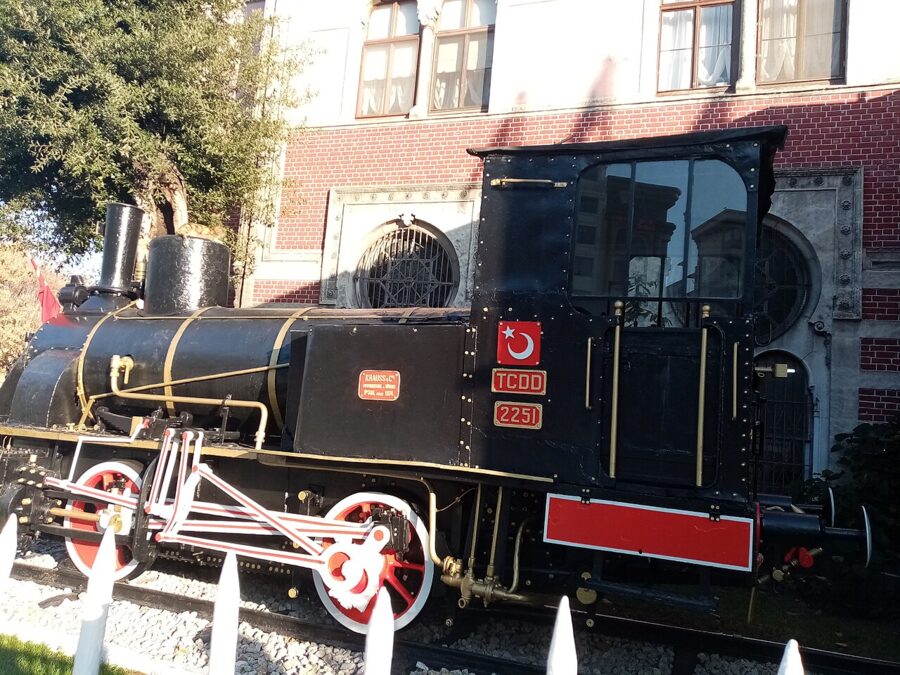

Sirkeci is the busy commercial slope below Sultanahmet, between the station and Eminönü pier. It is ten minutes’ walk from Hagia Sophia, two minutes from the ferries, and full of working lokantas that feed shopkeepers rather than tour groups. The trade-off is noise and grit: delivery vans from early morning and wholesale shops that shutter at dusk.
Second Home Hostel, on Ebussuud Caddesi in Hocapaşa, was open in November 2026, with dorms listed from about €16 a night. For anyone arriving on the Marmaray or leaving on an early ferry, this is the most practical base in the city.
Karaköy and Galata
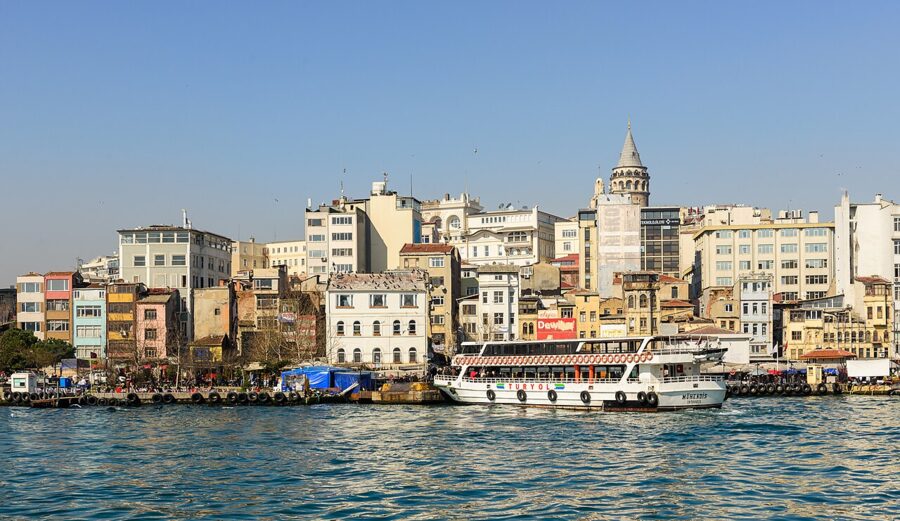

Across Galata Bridge, the old Genoese quarter climbs from the Karaköy waterfront up to Galata Tower and on to İstiklal Caddesi. It has the best mix in the city for a backpacker: a walk across the bridge to the old city, a ferry pier at the bottom, cafes and bars that locals actually use, and the T1 tram and M2 metro at either end. The catch is the hill, and the prices around the tower itself, which have climbed with the crowds.
Galata West Hostel, on Bereketzade Cami Sokak right beside the tower, was open through the autumn of 2026, with dorms listed from about €14 a night in November.
Beyoğlu and Taksim
The Taksim end of Beyoğlu is the transport hub of the European side: the M2 metro, the airport coaches and buses in every direction. It suits night owls, because İstiklal and the side streets off it stay awake long after Sultanahmet has gone to bed. It is also where the bar scam is most often run, and the walk to the old city takes 40 minutes.
The Central House Istanbul Taksim, which used to trade as Wabi Sabi Hostel, sits on Papa Roncalli Sokak in Elmadağ, about five minutes from Taksim Square. It was open through the autumn of 2026, with dorms listed from about €16 a night in November.
Kadıköy
Kadıköy, on the Asian side, is where Istanbul’s students, musicians and office workers live and eat. Rents are lower, menus are in Turkish, and the evening crowd in the market streets and bars is overwhelmingly local. The cost is the commute: every trip to the old city starts with a 20-minute ferry, which I count as a perk rather than a chore.
Kadıköy has far fewer hostels than the European side, and they come and go; look in the side streets of Yeldeğirmeni, a few minutes’ walk north of the ferry pier, and check that a place is taking bookings for your dates before you cross.
| Area | Best for | Watch out for | To Hagia Sophia |
|---|---|---|---|
| Sultanahmet | Early starts at the big sights | Touts, tourist menus, quiet nights | On foot, 2–10 min |
| Sirkeci | Ferries, Marmaray, cheap lokantas | Traffic and noise by day | On foot, about 10 min |
| Karaköy and Galata | Both halves of the city, cafes | Steep streets, tower crowds | T1 tram, about 15 min |
| Beyoğlu and Taksim | Nightlife, airport buses | Bar scams, long walk to the sights | M2 plus T1, 30–40 min |
| Kadıköy | Local food and bars, lower prices | Ferry for every old-city trip | Ferry plus walk, 35–45 min |
The old city on foot
The historic peninsula is small enough to walk end to end, and it is a waste of money to ride anything inside it. Hagia Sophia, the Blue Mosque, the Hippodrome, Topkapı and the Basilica Cistern sit within a 10-minute walk of one another. The Grand Bazaar is a 15-minute walk west along the tram line, and the Spice Bazaar another 15 minutes downhill to the water.
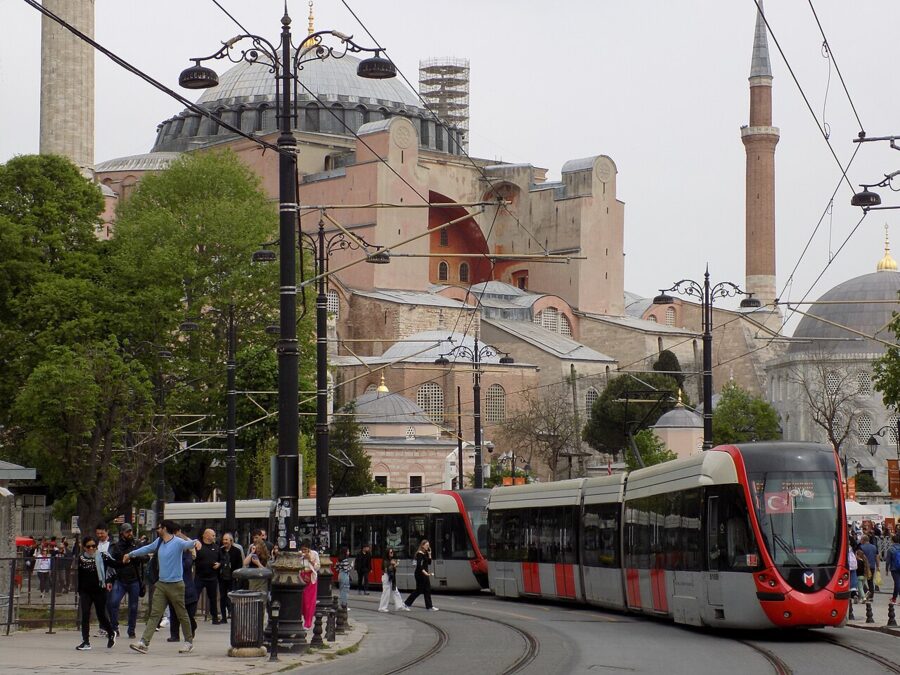

Hagia Sophia
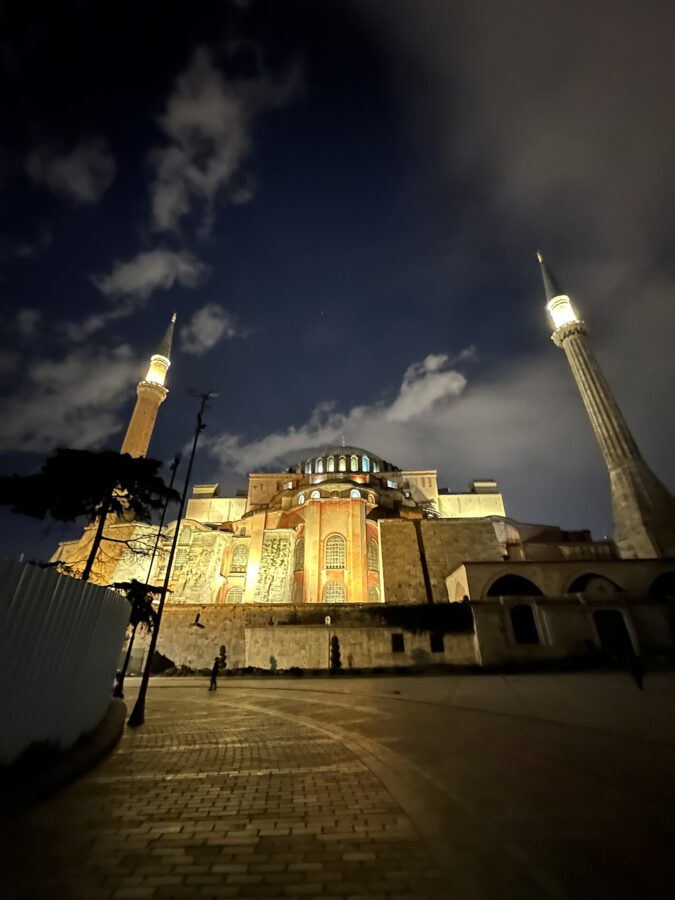
Justinian’s church was finished in 537 and was the largest church in the world for close to a thousand years. It became a mosque after the Ottoman conquest of 1453, a museum in 1934, and a working mosque again in 2020. Since January 2024 the building has worked as two things at once: a free mosque for people coming to pray, and a paid visitor route for everyone else.
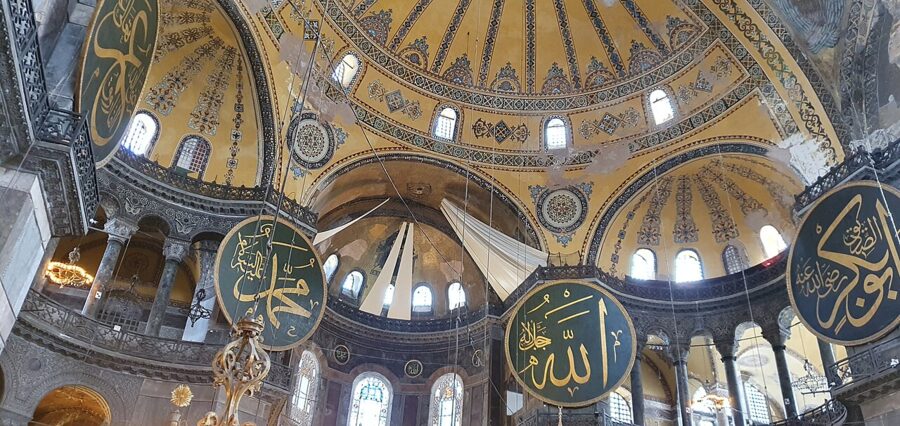

Foreign visitors pay €25 for the visitor route, which runs along the upper gallery and looks down into the prayer hall below. The ground floor is reserved for worship, and the visitor route pauses around the daily prayers. Women need a headscarf, and everyone needs covered shoulders and knees; scarves and wraps are sold at the entrance.
Do not confuse the building with the “Hagia Sophia History and Experience Museum” across the square on At Meydanı Sokak. It is a separate ministry museum about the building, with its own €25 ticket and its own queue, and touts sometimes steer people there. If the line is long at the main building, come back late in the afternoon, after the morning tour groups have moved on.
The Blue Mosque
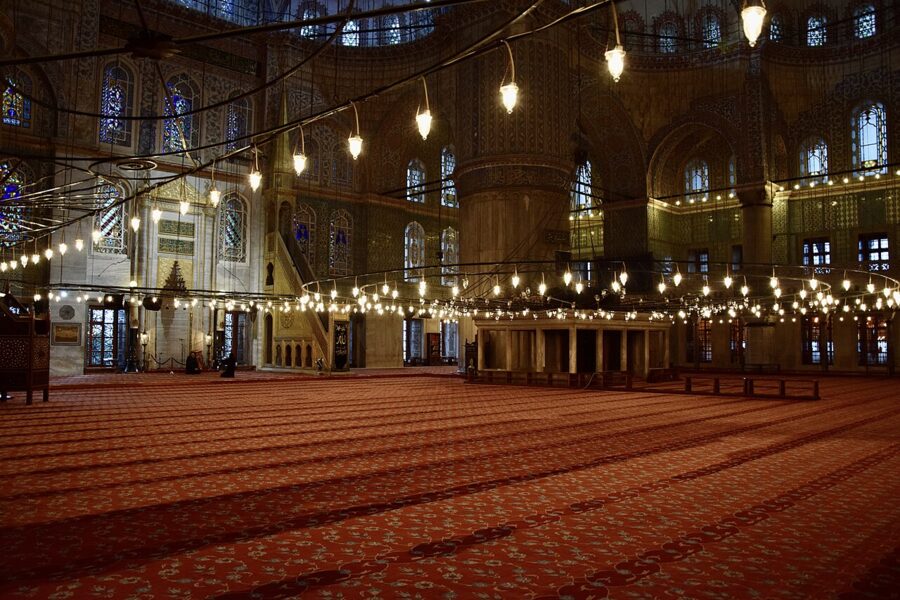

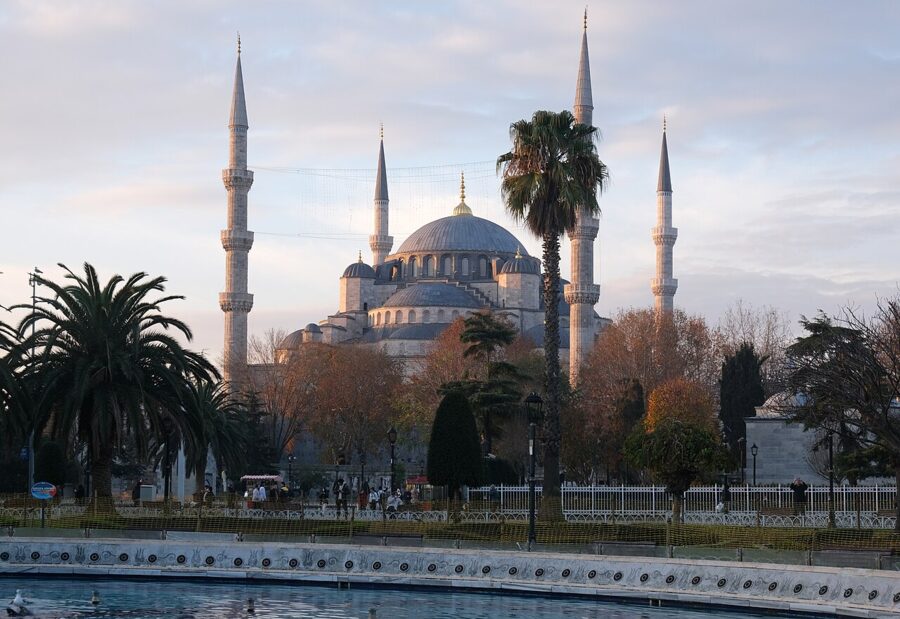
Sultan Ahmed I built his mosque between 1609 and 1616, deliberately facing Hagia Sophia across the Hippodrome. His architect, Sedefkâr Mehmed Ağa, gave it six minarets; the story goes that this caused a scandal, because only the mosque at Mecca had so many. It is free to enter, and it is still a working mosque.
Visitors use the signed visitor entrance, not the worshippers’ door, take off their shoes and carry them in a bag. The same dress code applies as at Hagia Sophia, and loaner coverings are handed out at the door. The mosque closes to visitors around each of the five daily prayers, and for longer at Friday noon, so plan your visit for the gaps between prayers.
The Hippodrome
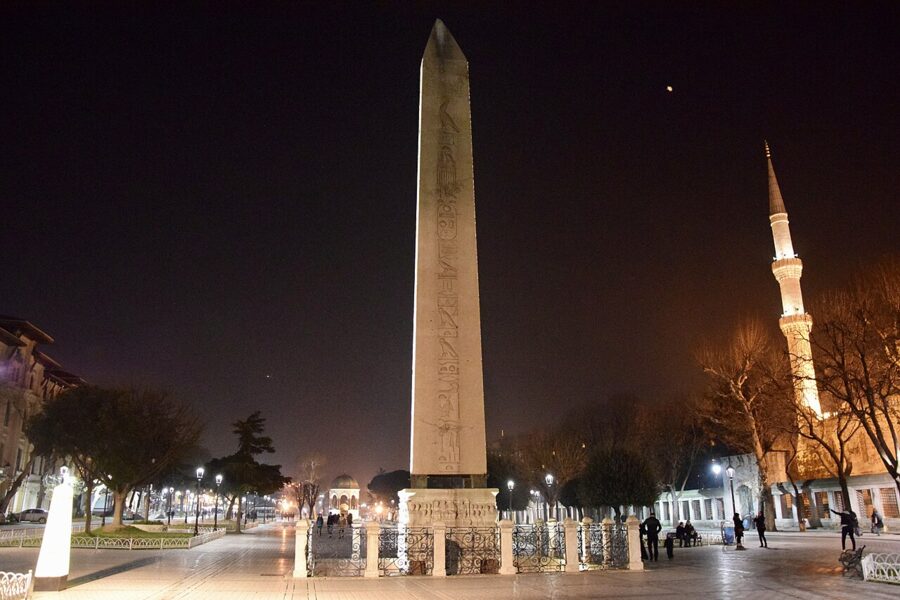

The long square beside the Blue Mosque is the old chariot-racing track of Constantinople, and it costs nothing. Its three monuments stand on the line of the old central barrier: the Egyptian obelisk, the bronze Serpent Column brought from Delphi, and the rough stone Walled Obelisk. The track itself lies a few meters under your feet, which is why the bases of the monuments sit in sunken pits.
Topkapı Palace
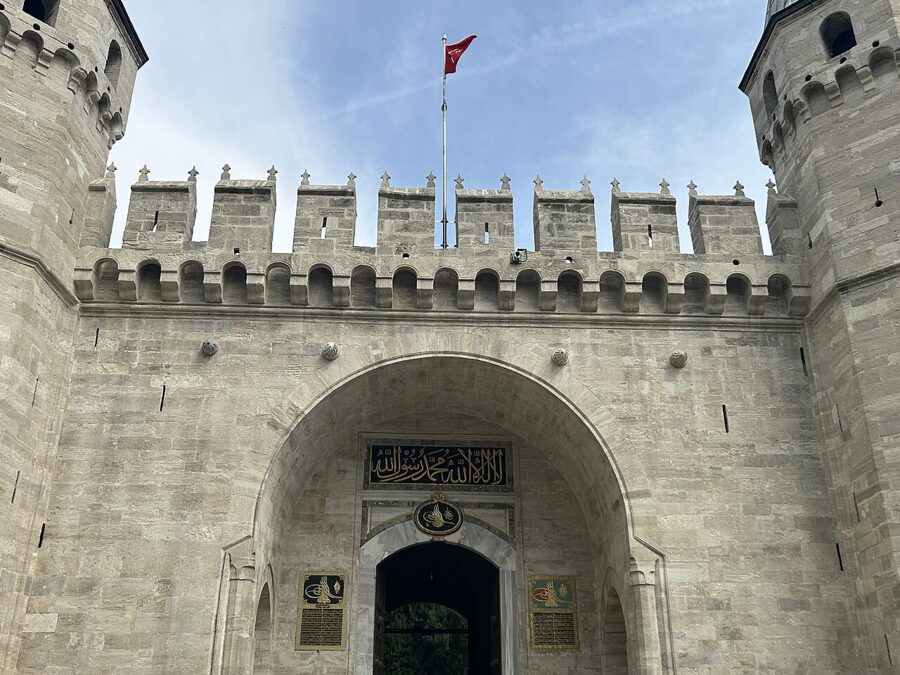

Mehmed II began the palace after he took the city, and for nearly four centuries it was the seat of the Ottoman state. It became the first museum of the new Republic on 3 April 1924. The palace is run by the Directorate of National Palaces, not the Ministry of Culture, so its prices and rules differ from the ministry museums.
In 2026 the palace is closed on Tuesdays, and the ticket offices open 09:00–17:00 on other days. Foreign visitors pay 2,750 TL for the combined ticket covering the palace, the Harem and Hagia Irene, valid for one day. Foreign students aged up to 25 with an ISIC card pay double the reduced Turkish rate, which comes to 500 TL for the combined ticket: the single biggest saving in the city, so bring the card.
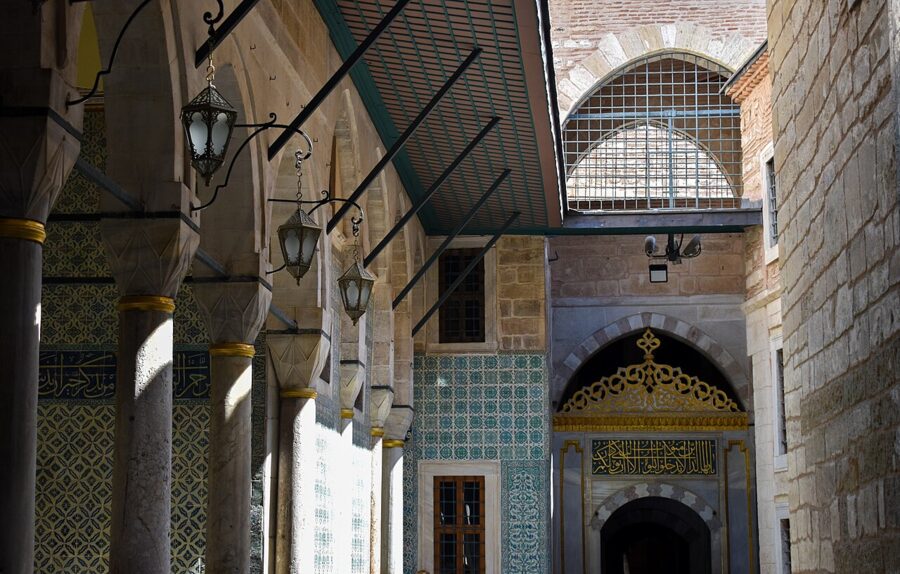

Is it worth 2,750 TL? If you pay for one palace or museum in Istanbul, I would make it this one, and I would budget four hours. Go straight to the Harem when you enter, before the queue builds, then work back through the courtyards, the Treasury and the terrace over the Bosphorus.
The Basilica Cistern
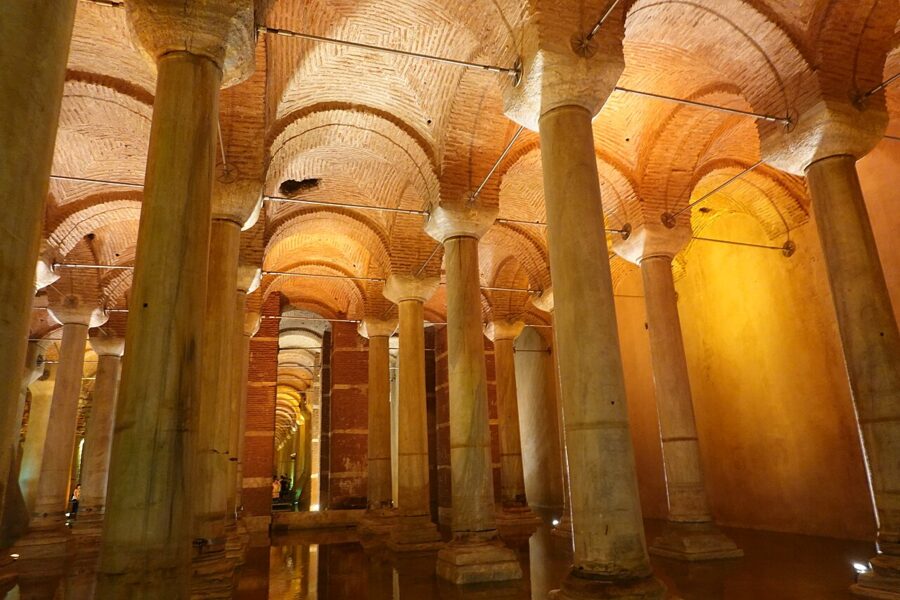

Justinian’s builders dug this underground reservoir in the 530s to store water for the Great Palace. Today you walk raised paths between 336 columns, lit in shifting colors, with water and fish below. It is a strong 40 minutes, and the queue on Yerebatan Caddesi can take longer than the visit.
The price is in flux. The city ran the cistern for years and last charged foreigners 1,950 TL by day and more for the evening sessions. In June 2026 the site passed back to the General Directorate of Foundations, and some reports since put the daytime ticket higher, so check the board at the door before you join the queue.
The Grand Bazaar
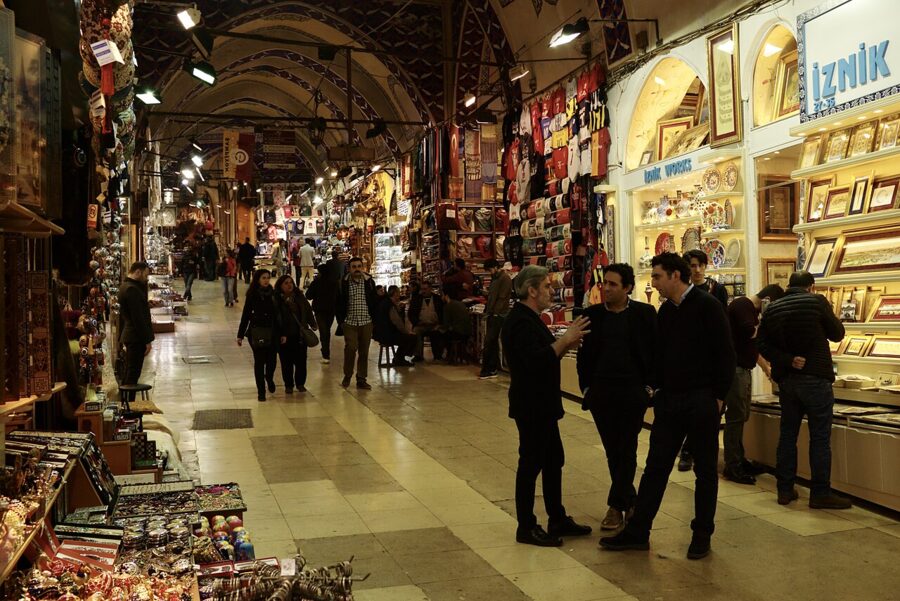

The Kapalıçarşı grew around two stone warehouses built under Mehmed II in the 1450s and 1460s, and today it covers dozens of streets and thousands of shops under one roof. It opens about 08:30–19:00, Monday to Saturday, and is closed on Sundays and public holidays. The Beyazıt and Çemberlitaş tram stops on the T1 are the closest.
On a budget, treat it as a free museum of trade rather than a shop. Prices in the main streets are aimed at tour groups, and bargaining is expected, so decide what an item is worth to you before you ask. For a cup of tea and a look at real business, wander into the hans (old merchant inns) on the edges, where workshops still repair silver and weigh gold.
The Spice Bazaar and Eminönü
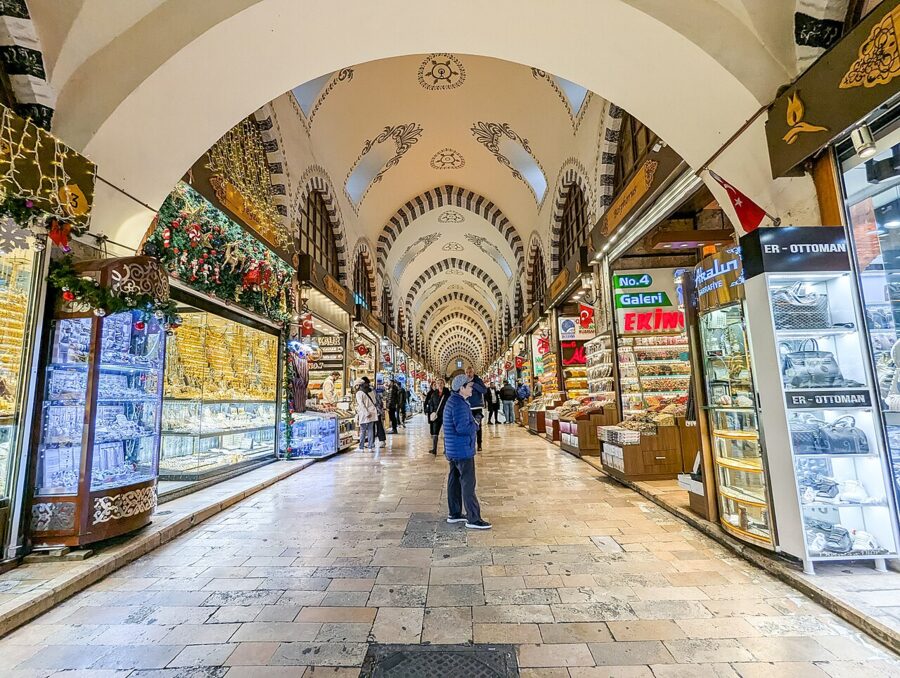

The Mısır Çarşısı, or Egyptian Bazaar, was built in the 1660s as part of the New Mosque complex, and its rents paid for the mosque’s upkeep. Inside, it is now mostly lokum (Turkish delight), dried fruit and spice blends at tourist prices. The better shopping is in the streets behind its western side, where locals buy coffee, cheese, olives and kitchenware by weight.
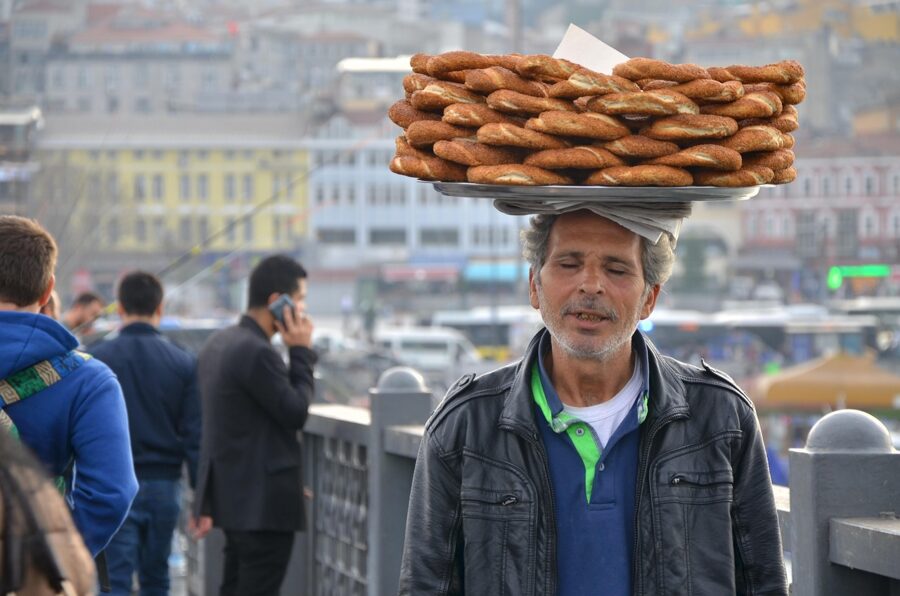
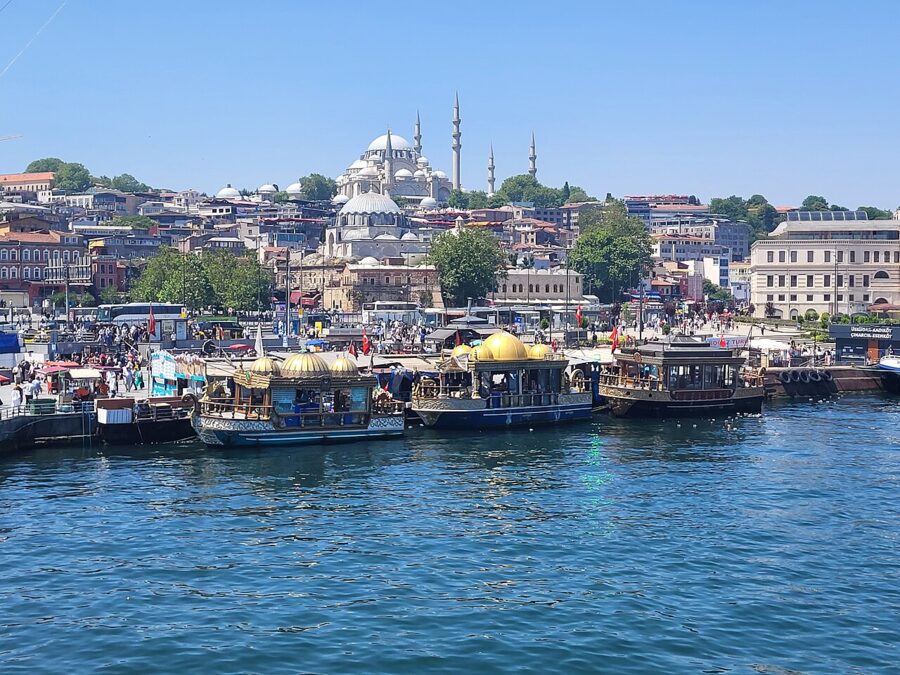
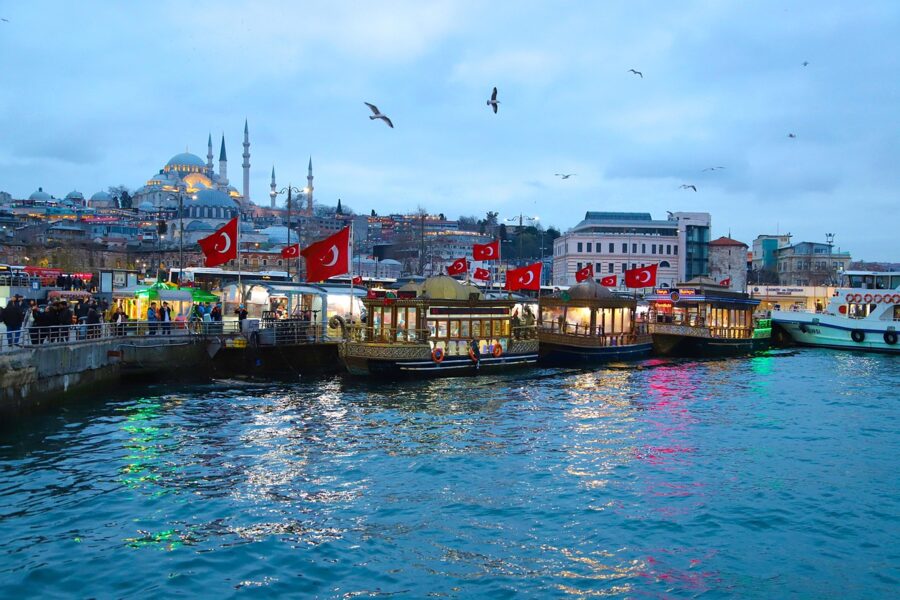
Step out of the bazaar’s waterfront gate and you are at Eminönü: ferry piers, the New Mosque, the fish-sandwich boats and Galata Bridge. It is the city’s great free show, and the best place to sit with a simit and watch Istanbul commute.
Which paid sights earn the money
The ministry museums price foreigners in euros. In November 2026 the Istanbul Archaeological Museums cost €15 (open daily 09:00–18:30, last tickets 17:30), the Museum of Turkish and Islamic Arts cost €10, and Galata Tower cost €30. MuseumPass Istanbul costs €105 for one entry each to 13 ministry museums over five days.
For a budget trip, the pass does not pay. Galata Tower, the Archaeological Museums and the Turkish and Islamic Arts museum add up to €55, and few travelers on a five-day trip will visit enough of the rest to pass €105. Buy single tickets for the one or two places you care about.
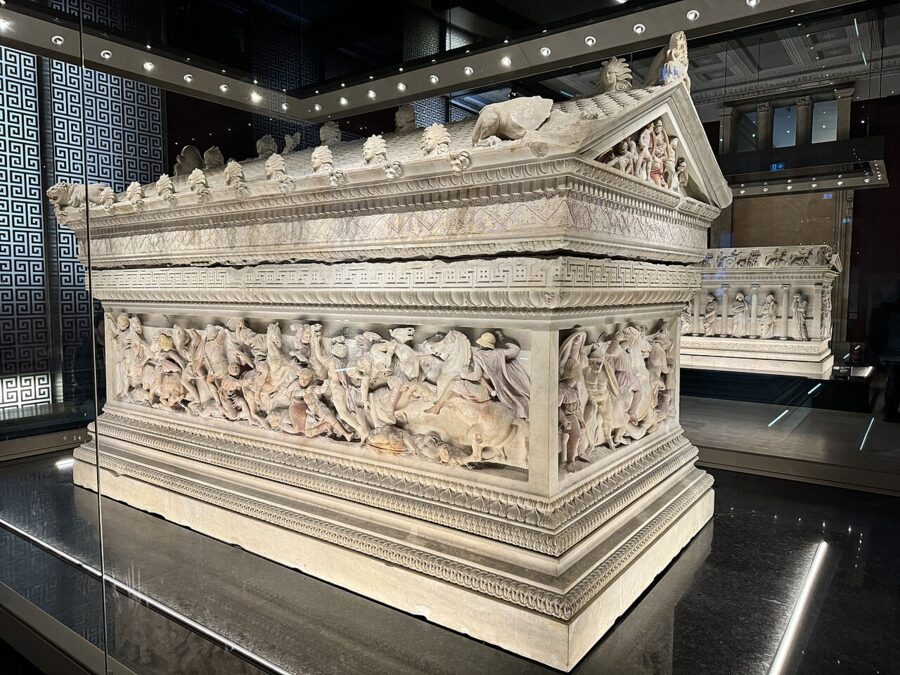

My order, if money is tight: Topkapı with the Harem first, then Hagia Sophia’s gallery, then the Archaeological Museums, whose Alexander Sarcophagus alone is worth €15. I would skip the Galata Tower ticket and the Hagia Sophia experience museum, and see the cistern only if the queue is short.
Süleymaniye, the Golden Horn and Balat
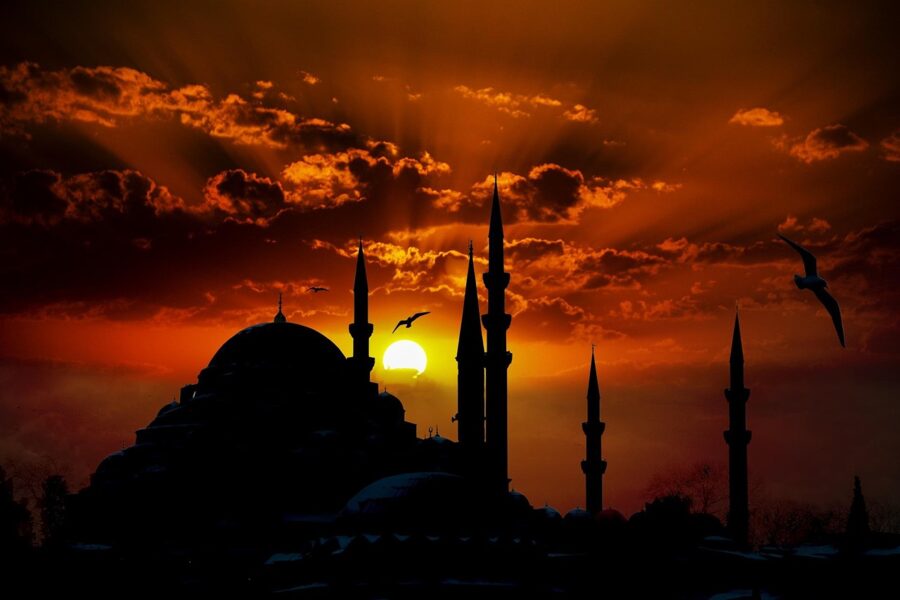
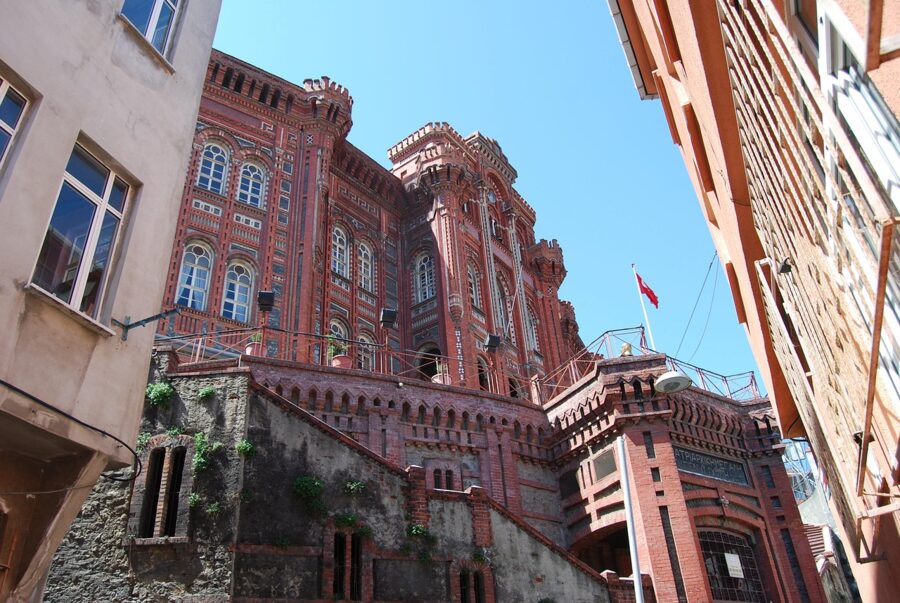
Above Eminönü, Mimar Sinan’s Süleymaniye Mosque (1550–1557) is the finest building in the city that charges nothing, and it is usually calmer than the Blue Mosque. From there the Golden Horn shore leads west to Fener and Balat, the old Greek and Jewish quarters of steep lanes and painted houses, and on to the Byzantine mosaics of Chora. Give that walk a full day of its own; it is where the old city stops being a checklist.
Galata, Karaköy and Beyoğlu
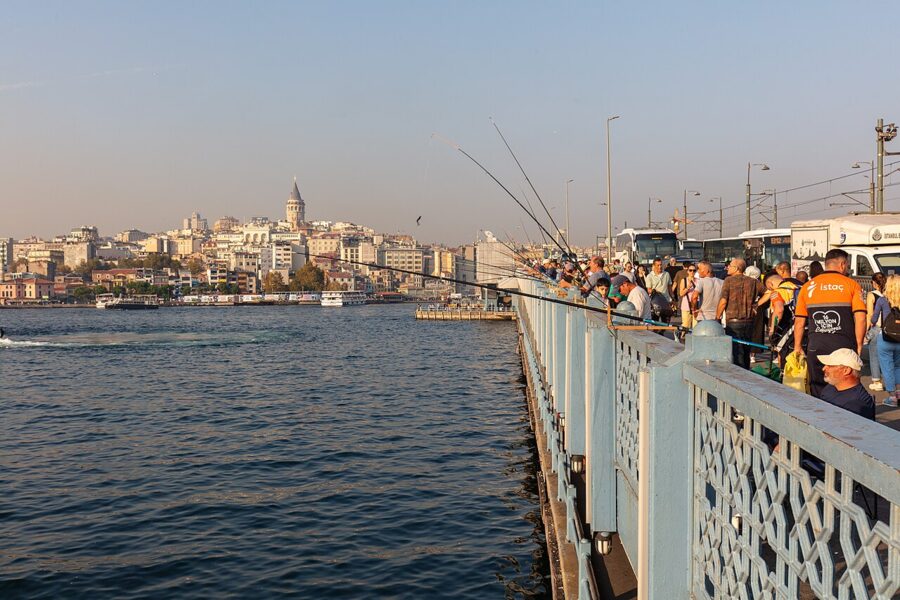
Cross Galata Bridge on foot rather than by tram. The upper deck is lined with fishermen at almost any hour, and the view back to the mosques on the old-city skyline is better from the middle of the bridge than from anywhere you can pay to stand.

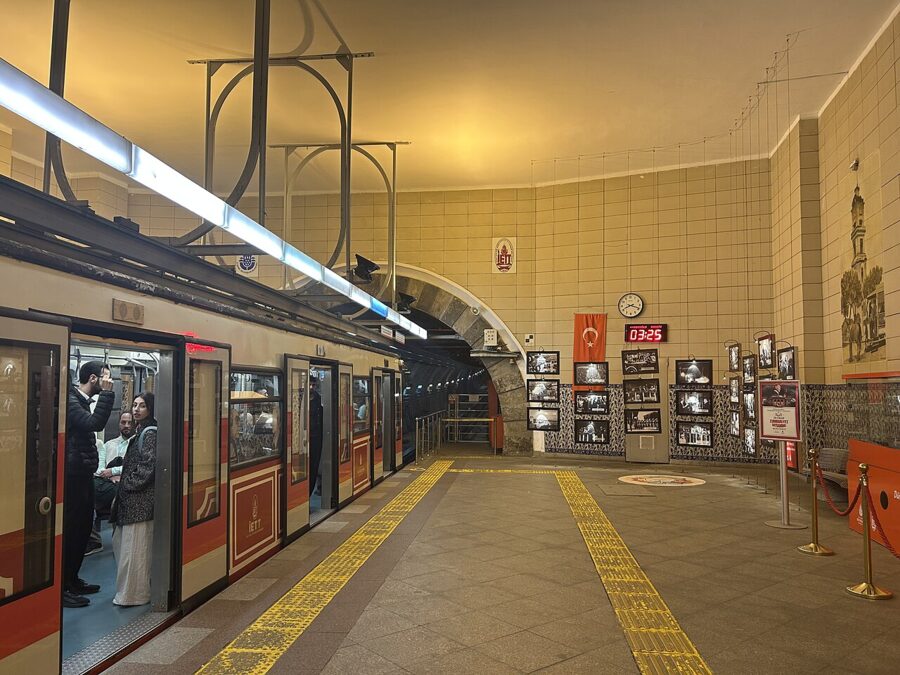
Karaköy, at the far end, was Istanbul’s port and banking district, and its old warehouses and bank buildings now hold cafes, galleries and the cruise terminal. From there the Tünel funicular, opened in 1875, climbs to the top of the hill in under two minutes on the Istanbulkart. It is one of the oldest underground railways in the world, and it saves you the steepest stretch.

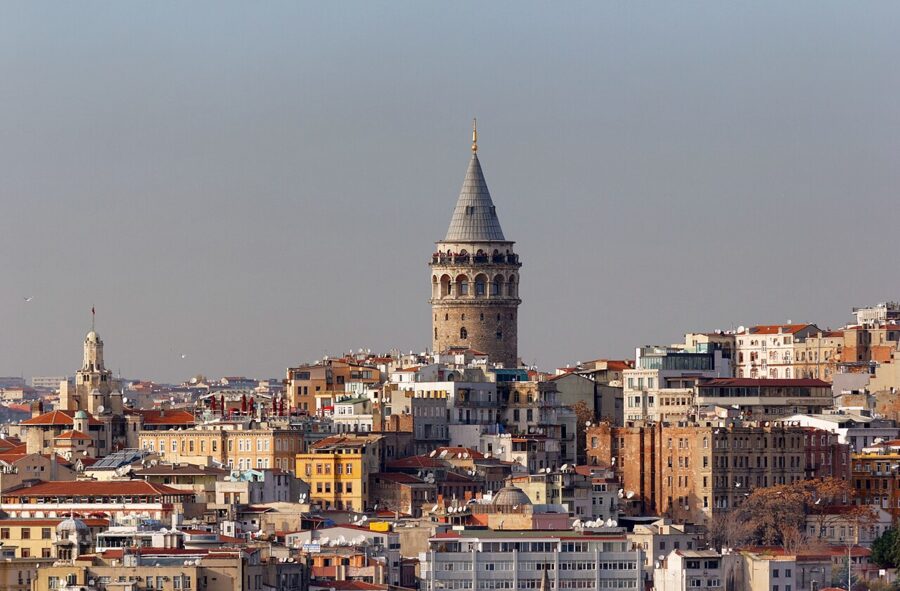

Galata Tower is open daily 08:30–18:30 (last tickets 18:14) and costs foreigners €30. It is a queue with a view: a narrow balcony and a long wait in summer. The square at its foot is free, and the view of the tower is what most people want anyway.
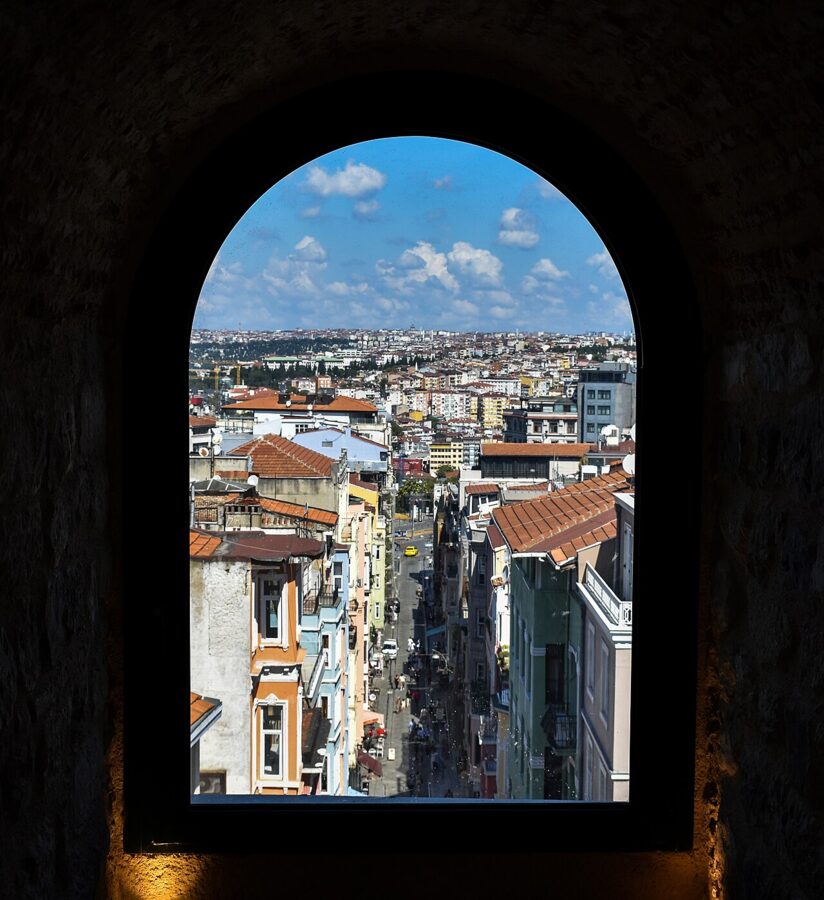
From the tower, walk up Galip Dede Caddesi past the music shops to Tünel Square and the start of İstiklal Caddesi. The avenue runs 1.4 km to Taksim Square, lined with 19th-century embassy buildings, churches, arcades and chain stores. Pickpockets work the crowds here on weekend evenings, so keep your phone in a front pocket.
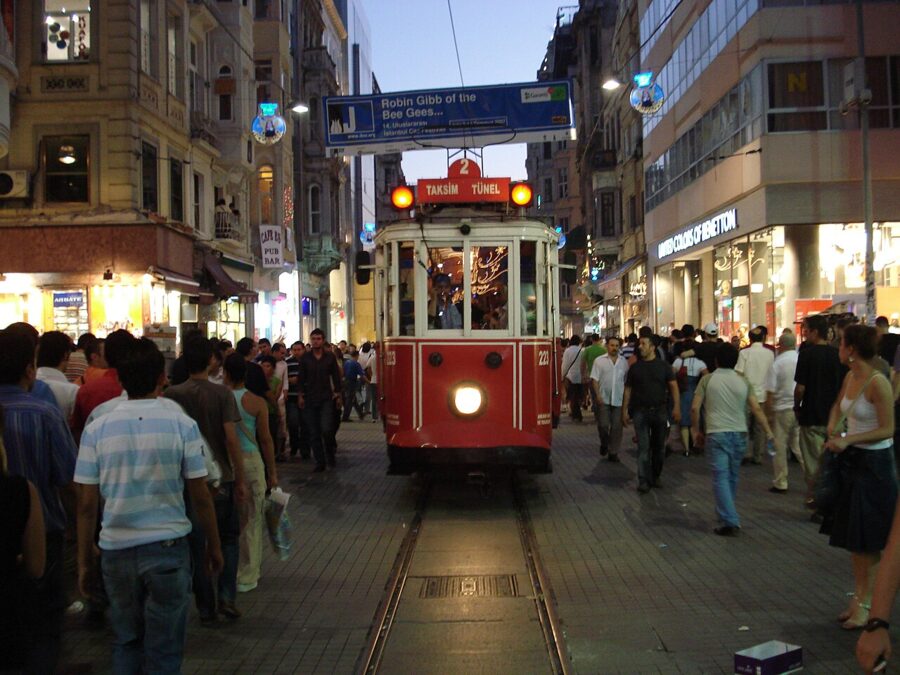
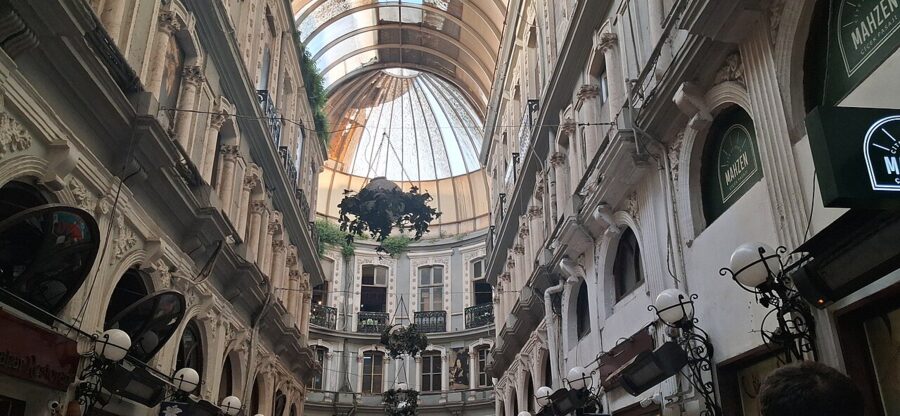
Two stops are worth the detour off the avenue. Çiçek Pasajı, the arcade built in 1876 halfway along, is good for a look rather than a meal. Behind it, the fish market lanes of Balık Pazarı sell mussels and fried snacks that cost far less than the restaurants on the main street.

Over to Asia: Kadıköy, Moda and Üsküdar
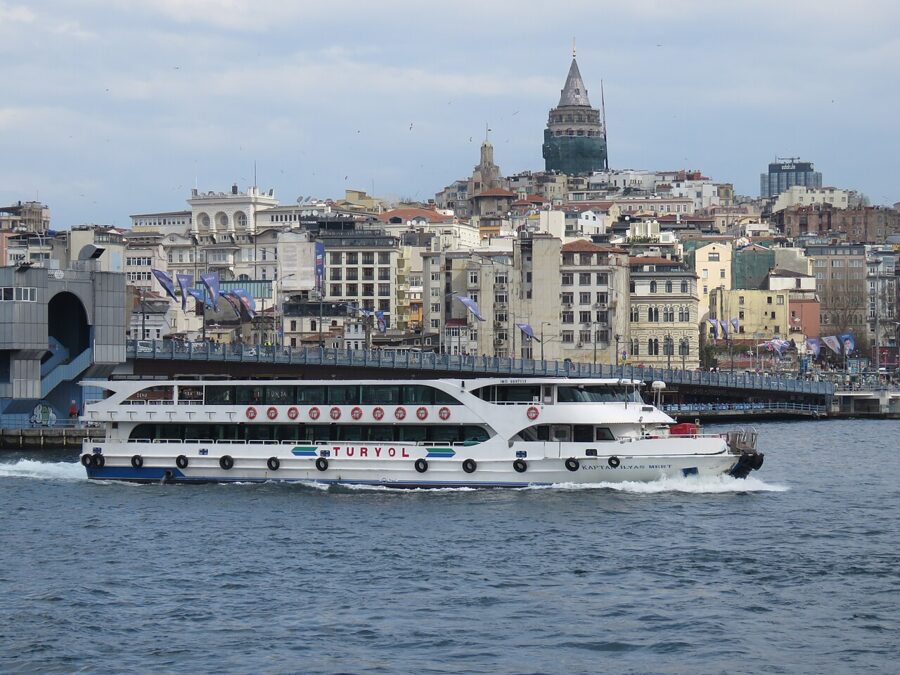
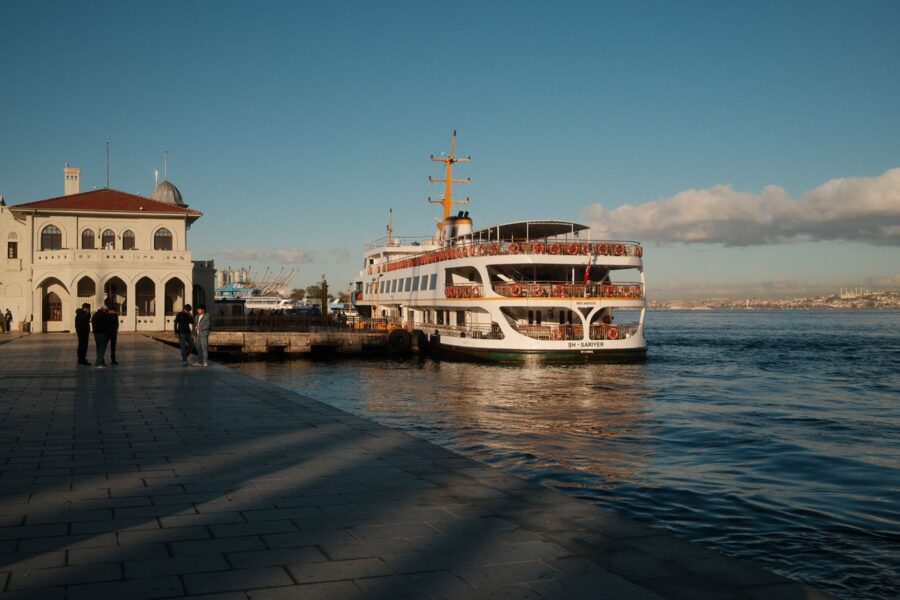
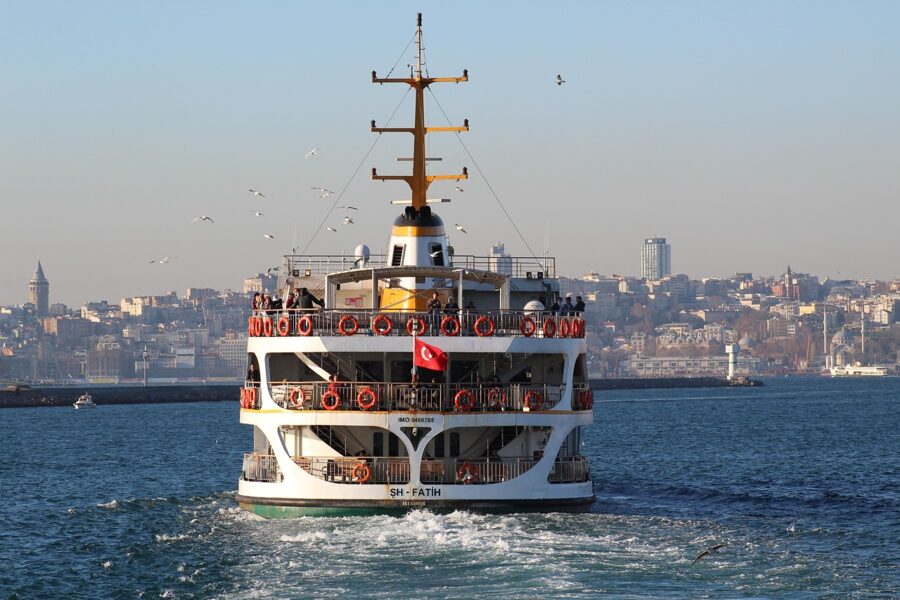
The single best-value thing you can do in Istanbul is take a commuter ferry from Europe to Asia. Boats from Eminönü and Karaköy cross to Kadıköy in about 20 minutes, and from Eminönü to Üsküdar in about 15, charged on the Istanbulkart like any other ride. Stand at the back on the open deck, buy a tea from the onboard vendor, and watch the old city skyline slide away.
Kadıköy and Moda
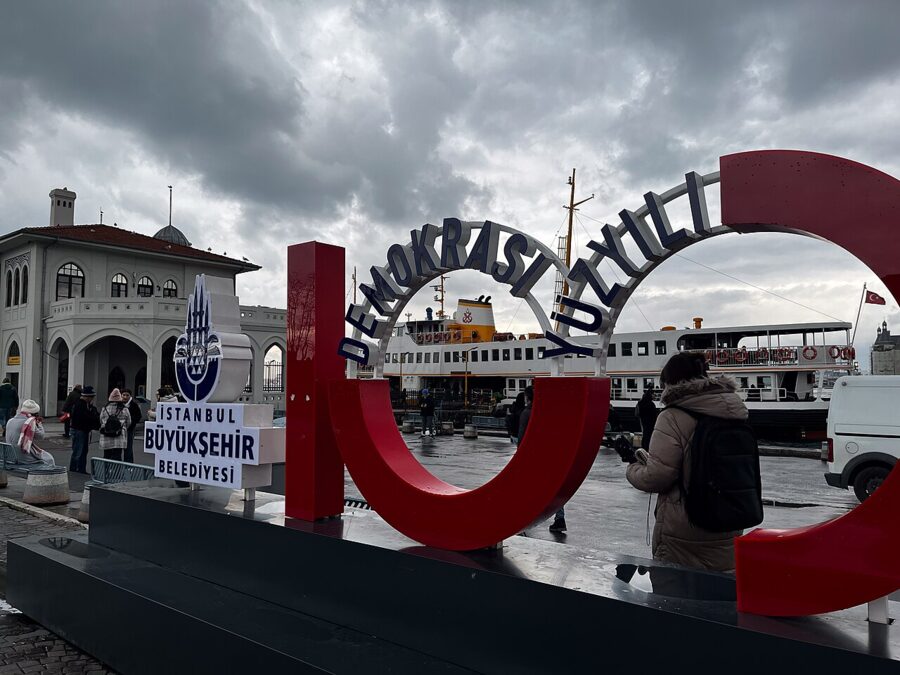

Kadıköy is the ancient Chalcedon, older than Byzantium across the water, but you come for the present. The market district behind the pier, around Güneşlibahçe Sokak, is a grid of fishmongers, pickle shops, delis, coffee roasters and cheap lokantas, busiest on Saturday. It is where I would eat lunch on any day spent on the Asian side.
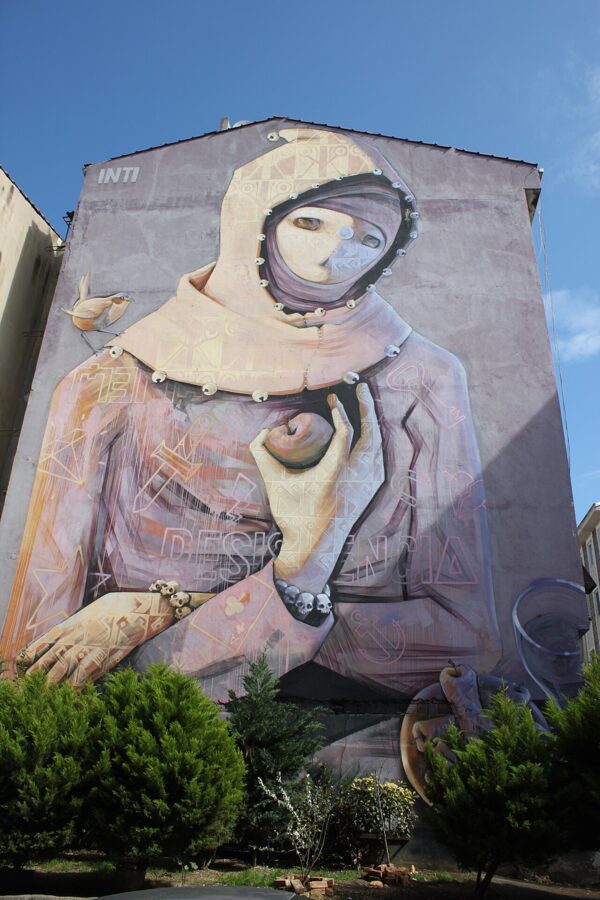
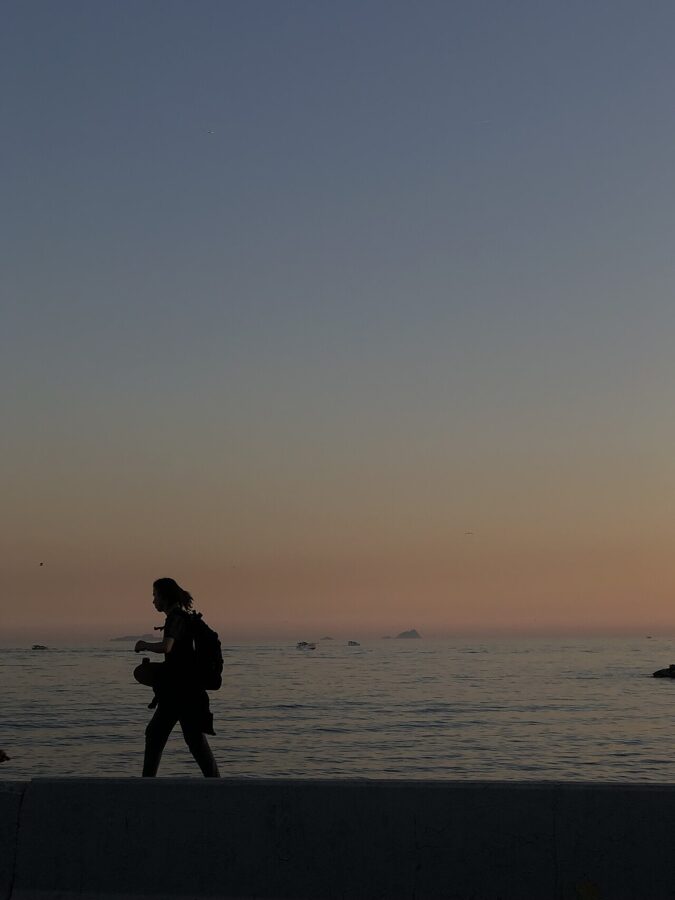
From the market, walk south for 15 minutes to Moda, a leafy point of apartment blocks and tea gardens above the sea. The shore path around the point is where half of Kadıköy goes at sunset with a takeaway tea or a beer, and it costs nothing. Yeldeğirmeni, just north of the pier, is the place for street murals and small cafes.

Üsküdar
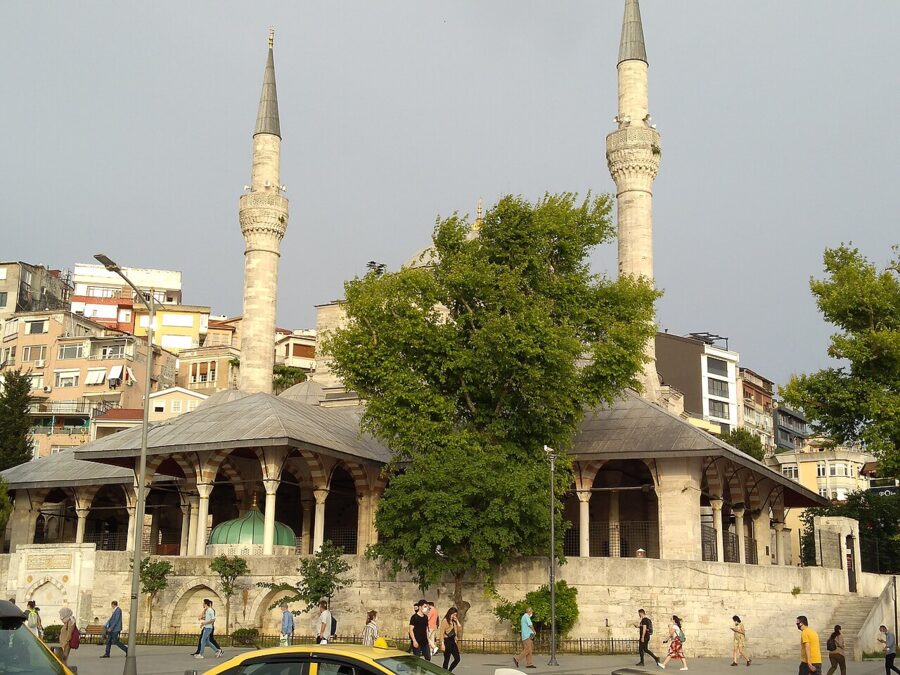

Üsküdar is the more conservative, older half of the Asian shore, and it feels least touristy of any ferry stop. Two Sinan mosques sit by the water: the Mihrimah Sultan Mosque right at the pier and the small Şemsi Paşa Mosque a few minutes south, on the shore walk. Keep walking south along the water to Salacak for the view across to the old city.
The Bosphorus without a cruise
Touts at Eminönü sell 90-minute Bosphorus cruises from the pier all day. They are pleasant, but the public ferries cover the same water for less, and the long line goes much farther. If you take a private cruise anyway, agree the price, the length and the route before you board, and ask whether the price includes a return to the same pier.
The cheapest option is to chain commuter crossings. Eminönü to Üsküdar, then Üsküdar to Beşiktaş, then the walk or bus back along the European shore gives you two crossings of the strait and the palaces of Dolmabahçe on the way, for two card taps.
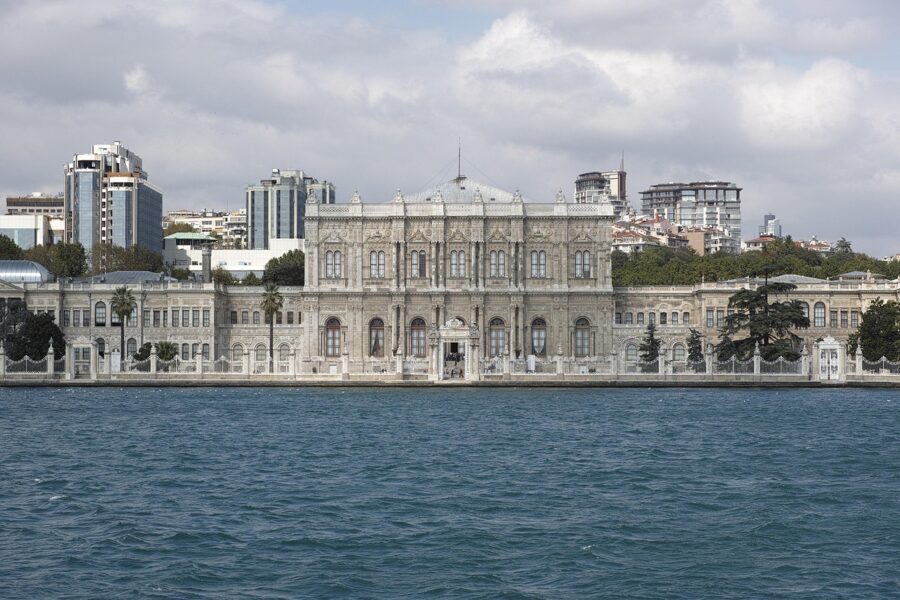
For the full length, take the Şehir Hatları long Bosphorus tour (Uzun Boğaz Turu). On the 2026–2027 winter timetable it leaves Eminönü at 10:35 daily, passes under the walls of Rumeli Hisarı, and calls at Beşiktaş, Üsküdar, Kanlıca, Sarıyer and Rumeli Kavağı before reaching Anadolu Kavağı near the Black Sea at 12:25. The return leaves Anadolu Kavağı at 15:00 and is back at Eminönü at 16:40.
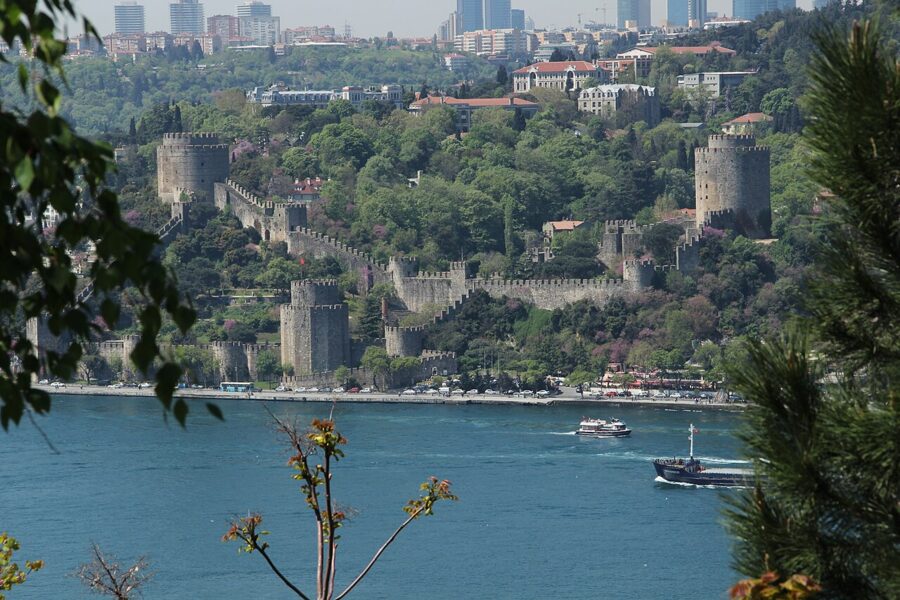
The ferry company charges foreigners 640 TL for the round trip, double the domestic fare, paid at the pier ticket office. For six hours on the water and the whole length of the strait, it is the best-value boat ticket in the city. The timetable changes with the seasons, so check it at the pier.
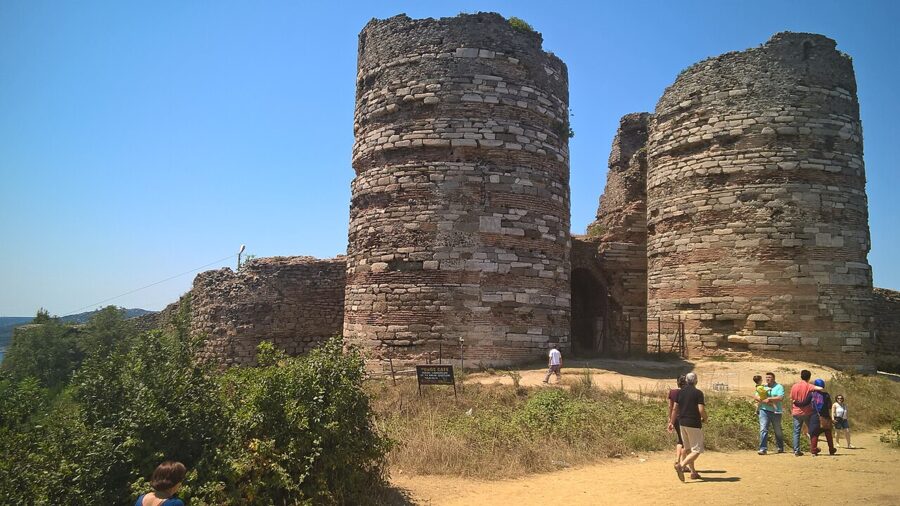

At Anadolu Kavağı, the fish restaurants by the pier will try hard to seat you. Eat after the climb, compare a couple of menus with prices, and ask the price of the fish by weight before it goes on the grill. For a first visit, the public ferry is the one I’d take.
Eating and drinking cheaply
The cheapest food in Istanbul is also some of the best, and none of it needs a reservation. The trick is to eat where people with jobs eat: lokantas near offices and markets at lunch, street stalls, and bakeries in the morning.
Breakfast and street food
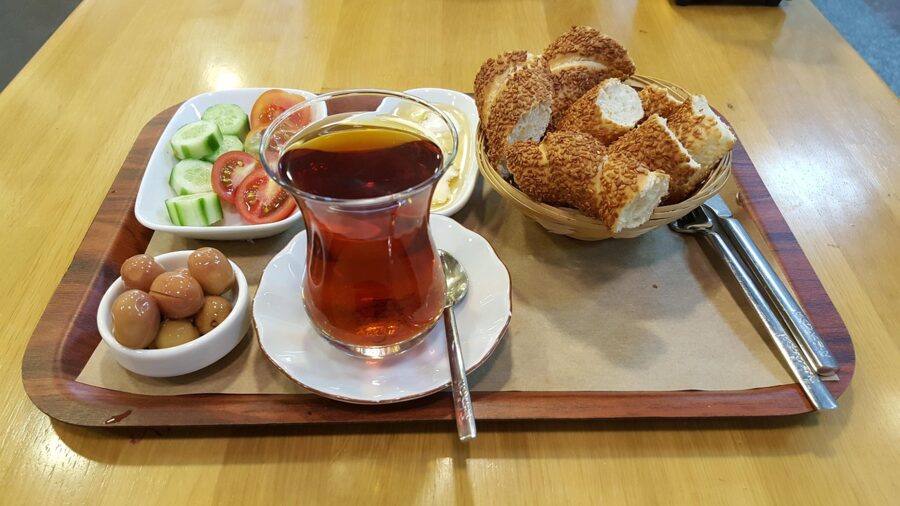
Breakfast is a simit and a tea, standing up, for most of the city. Bakeries add poğaça (soft savory buns), açma (a buttery ring) and börek, the flaky pastry filled with cheese, spinach or minced meat. A sit-down Turkish breakfast spread is excellent but priced for leisure, so save it for one slow morning.
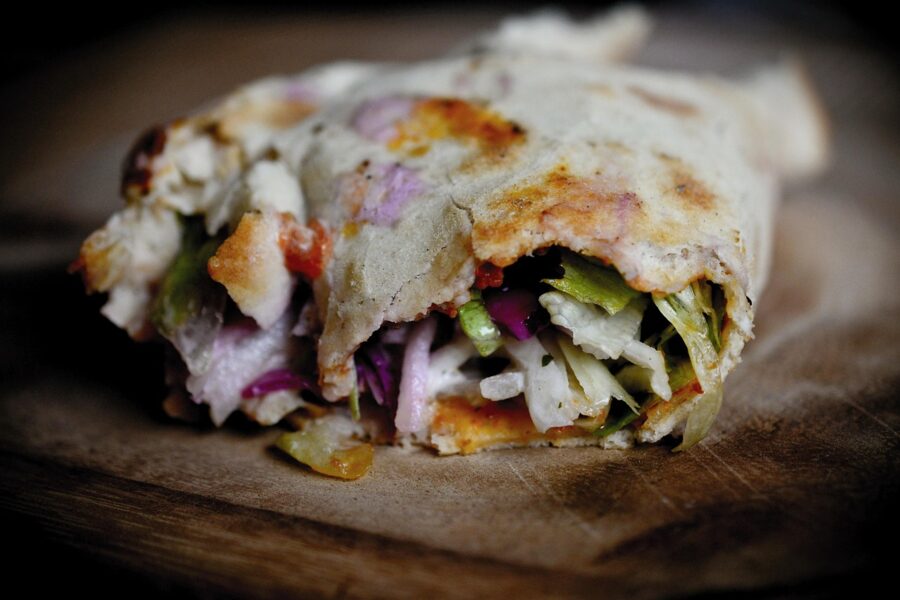
Through the day, look for these on the street and in hole-in-the-wall shops:
- Balık ekmek: grilled mackerel in bread with onion and salad, sold from the boats and stalls at Eminönü for about 150–220 TL in 2026.
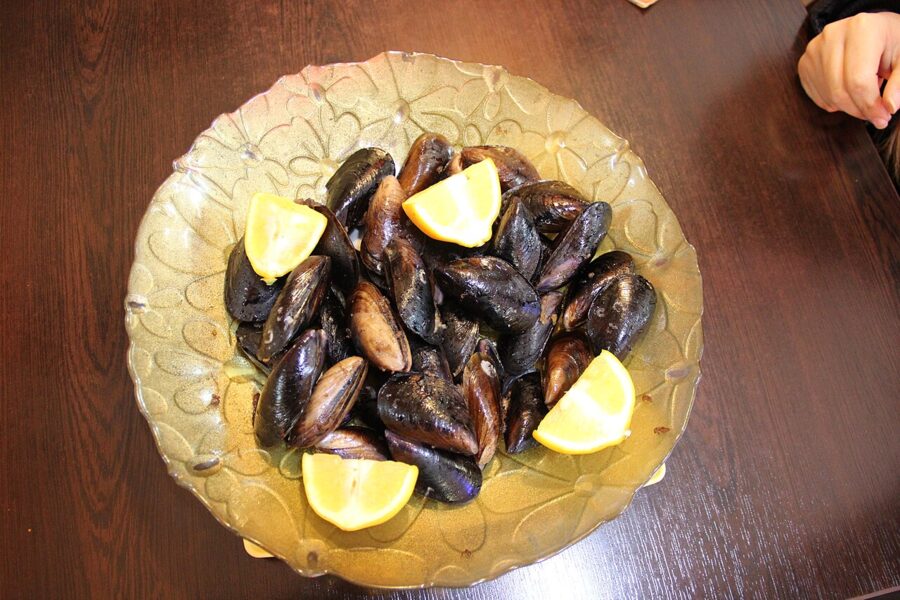
- Midye dolma: mussels stuffed with spiced rice, sold by the piece from trays; squeeze lemon on and eat them on the spot, only from busy sellers.
- Dürüm and lahmacun: wraps and thin spiced-meat flatbreads, the default cheap lunch everywhere.
- Kokoreç: chopped grilled lamb intestines in bread, a late-night favorite; better than it sounds.
- Kumpir: a baked potato loaded with toppings, the classic snack at Ortaköy on the Bosphorus.
- Islak burger: the small garlicky “wet burger” sold by the tray at the Taksim end of İstiklal after dark.


The esnaf lokantası
The esnaf lokantası, the tradesmen’s restaurant, is the most useful institution in Istanbul for a budget traveler. Trays of the day’s stews, vegetables cooked in olive oil, rice and soups sit behind a glass counter; you point, they plate, and you pay at the till on the way out. A stew with rice and bread ran to roughly 250–400 TL in late 2026, with soup on its own much less.
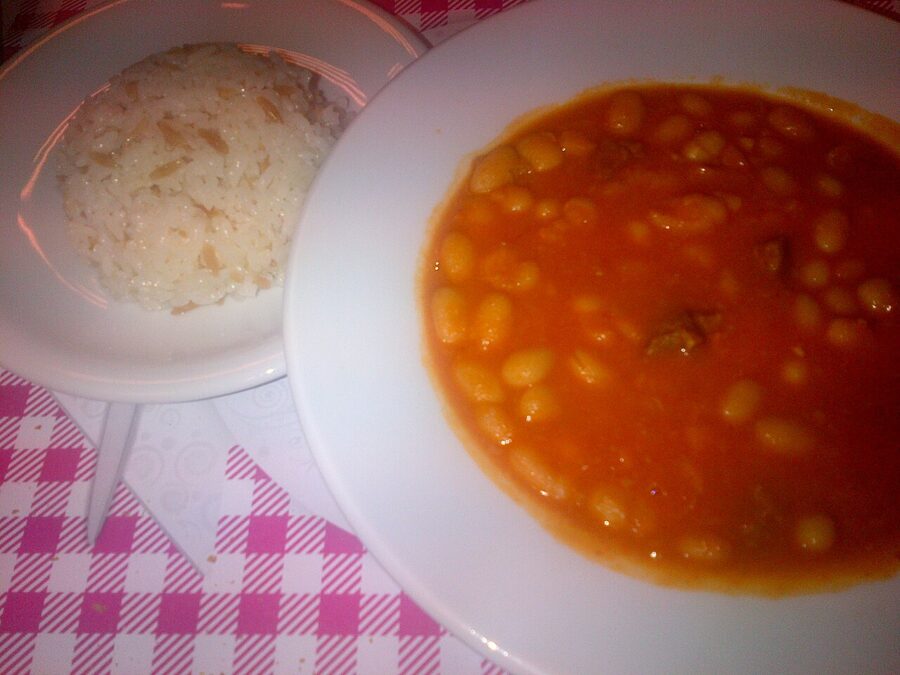

Dishes to point at: mercimek çorbası (red lentil soup), kuru fasulye (white beans), karnıyarık (eggplant stuffed with mince), türlü (mixed vegetable stew), tas kebabı (braised meat), and any of the olive-oil vegetables served cold. Go at 12:00–13:30, when the trays are fullest; by mid-afternoon the best dishes are gone.
Where to find them: the lanes around the Hocapaşa Mosque, one block south of Sirkeci station, hold a cluster of cheap lokantas and pide bakeries feeding the wholesale trade. The Kadıköy market streets and the back streets of Karaköy work the same way. In Sultanahmet itself, walk at least two streets away from the tram line before you sit down.
Tea, coffee and drinks
Tea comes black, in a tulip glass, with sugar cubes on the saucer, and it is offered everywhere: in shops, at hostel receptions and on the ferry. Turkish coffee is a sipping drink, served with a glass of water; let the grounds settle and stop before the bottom. Ayran, the salty yogurt drink, is what locals drink with kebabs and lokanta food.
Alcohol is sold legally but taxed hard, so beer and rakı cost far more than food. Supermarket beer drunk on the Moda shore is the budget option, within reason and away from mosques. Bars in Kadıköy and the side streets off İstiklal charge less than rooftop bars in Sultanahmet and Galata.
Mosques, prayer times, Ramadan and Fridays
Every working mosque in Istanbul closes to sightseers around the five daily prayers, usually from shortly before the call to prayer until the prayer is over. The times move every day with the sun, and Turkey’s Directorate of Religious Affairs (Diyanet) publishes the official table for each district. On 21 November 2026, for example, the Istanbul times were: dawn 06:22, noon 12:55, afternoon 15:26, sunset 17:49 and night 19:12.
In practice, plan mosque visits for mid-morning and the mid-afternoon gap. On Fridays, the noon prayer is the main congregational prayer of the week, and mosques close to visitors from late morning until early afternoon. Fridays are the day to do Topkapı or the bazaars in the morning and the mosques later.
The etiquette is simple and the same everywhere. Cover shoulders and knees; women cover their hair. Shoes come off at the carpet’s edge and go in a bag. Do not walk in front of anyone praying, keep your voice down, and ask before photographing people.
Ramadan in 2027 runs from 8 February to 8 March, according to the Diyanet calendar, with the three-day Ramazan Bayramı holiday from 9 to 11 March. You are not expected to fast, restaurants stay open, and the evenings come alive at iftar, when the Sultanahmet square fills with stalls and families breaking the fast. Expect mosques to be busier and some opening hours to shift; Topkapı, for one, closes on the first day of the holiday.

Scams and safety
Istanbul is a safe city to walk around, day and night, in the central neighborhoods. The risks are the ones of any big tourist city: pickpockets in crowds and a handful of set-piece scams that have run for years.
- The shoe-shine drop. A shoe-shine man walking ahead of you “drops” his brush. You pick it up, he thanks you with a free shine, then asks for a large payment. Step around the brush and keep walking.
- The friendly bar invitation. Mostly around Taksim and İstiklal: a friendly local suggests a drink at a bar he knows, women join the table, and the bill runs to hundreds of euros with “security” at the door. Choose your own bars.
- “My friend’s carpet shop.” Someone helpful in Sultanahmet offers directions, then a tea, then a visit to a relative’s shop. It costs you only time, unless you buy; say no early and politely.
- Taxis. Insist on the meter, know roughly where you are going, and count your change before you get out of the car. Better still, take the tram, metro or ferry.
- Restaurant bills without prices. If a waterfront menu has no prices on the fish, ask before ordering and check the bill.
Pickpockets work the T1 tram at rush hour, İstiklal on weekend evenings and the Grand Bazaar’s main streets. A front pocket and a zipped bag deal with most of it. Large political gatherings around Taksim Square are best avoided, and the police are quick to close the square when they are expected.
Money and cards
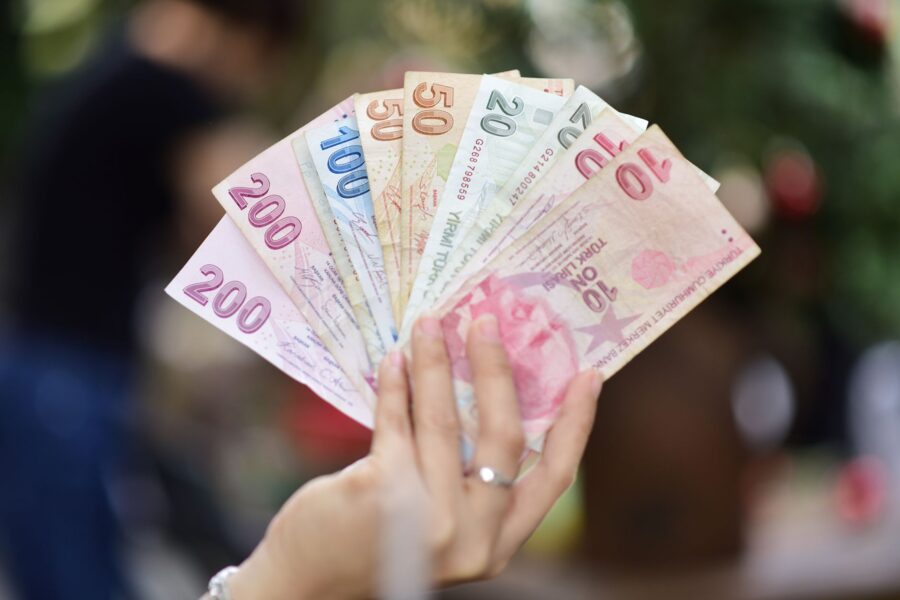
Turkey’s currency is the Turkish lira, written TL. Cards are widely accepted in shops, supermarkets, museums and most restaurants, and contactless payment is normal. Carry cash for simit and tea sellers, small lokantas, market stalls and tips.
Use ATMs that belong to a bank, ideally inside a branch, and refuse the machine’s offer to charge you in your home currency: that “conversion” costs more than letting your own bank do it. Exchange offices in the old city often give better rates for euros than the airport, but compare the buy and sell boards before handing over notes. Do not change money with anyone on the street.
Three days and five days in Istanbul
Both plans assume you are staying in the old city or Sirkeci and that one card covers every ride. Start the first day early to beat the Topkapı queues, make sure it is not a Tuesday, when the palace is closed, and shift the mosque visits to the prayer gaps.
| Day | Three-day plan | Five-day plan |
|---|---|---|
| 1 | Topkapı and the Harem from opening; Hagia Sophia late in the afternoon; Blue Mosque in the afternoon gap; Hippodrome at dusk | Same as the three-day plan |
| 2 | Grand Bazaar, then downhill to Süleymaniye and the Spice Bazaar; balık ekmek at Eminönü; walk Galata Bridge, Karaköy, Galata and İstiklal | Grand Bazaar, Süleymaniye, Spice Bazaar; Basilica Cistern if the queue is short; evening at Eminönü |
| 3 | Ferry to Kadıköy: market lunch, Moda shore at sunset; ferry back after dark | Golden Horn day: Fener, Balat and Chora |
| 4 | Long Bosphorus ferry at 10:35 to Anadolu Kavağı and Yoros Castle; back at 16:40; evening in Galata and İstiklal | |
| 5 | Archaeological Museums in the morning; ferry to Üsküdar, shore walk to Salacak; ferry to Kadıköy for the evening |
On a three-day trip, the Basilica Cistern and the Archaeological Museums are the first things I would drop, and the Kadıköy ferry is the last. The five-day plan adds the Golden Horn, the long Bosphorus line and Üsküdar, which is where the city stops feeling like a list of sights.
Leaving Istanbul: buses and trains
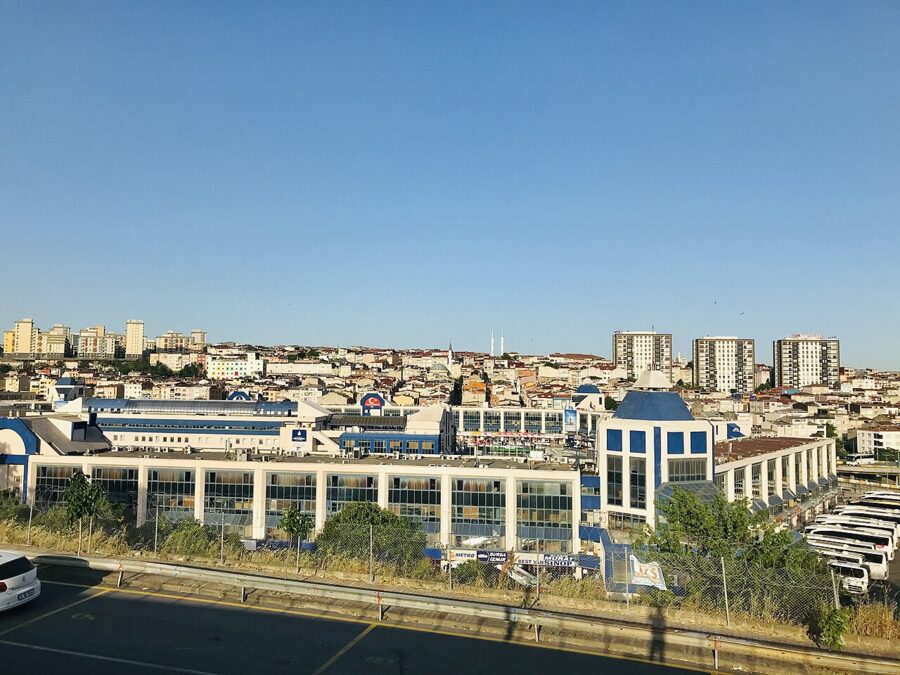

Long-distance buses leave from Büyük İstanbul Otogarı in Esenler, the main coach station, which has its own Otogar stop on the M1 metro from Aksaray and Yenikapı. Overnight coaches run to Cappadocia, the Aegean coast and the south, and the night bus is how most backpackers cover Turkey’s distances.
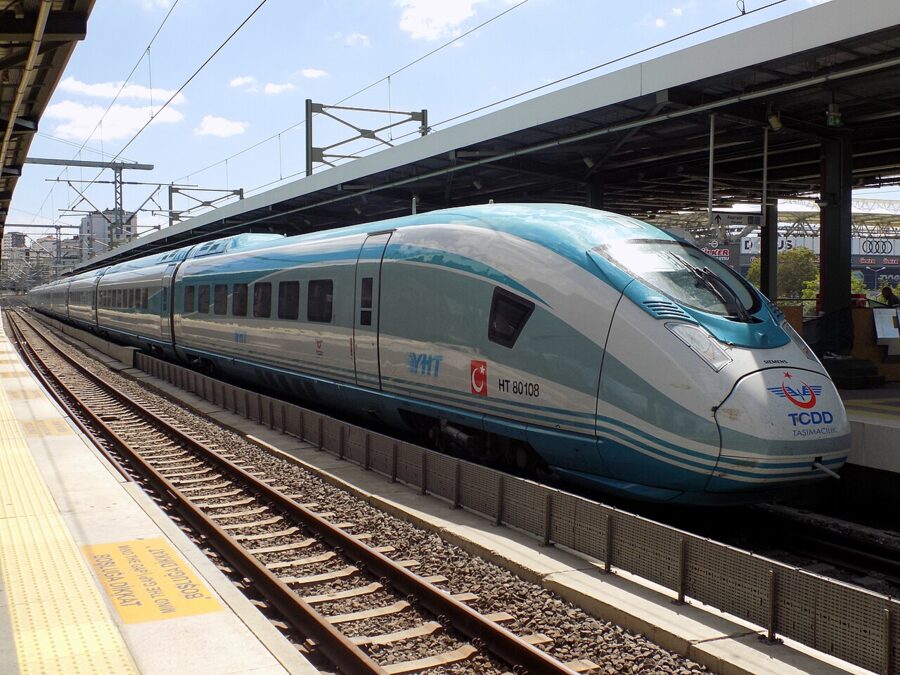
For the fast train to Ankara and Konya, the high-speed YHT services leave from Söğütlüçeşme on the Asian side and from Halkalı on the European side, with stops at Pendik and Bostancı. After the August 2026 increase, an economy ticket from Istanbul to Ankara cost 990 TL. For Europe, the Istanbul–Sofia sleeper leaves Halkalı at 20:00 and reaches Sofia at 11:48 the next morning, with couchettes priced from about €36 on the 2025 fares; it is sold by TCDD Taşımacılık.

For the route onward, with the buses, trains and how many nights to give each stop, see the Turkey itinerary. If you are heading for the Turquoise Coast, that is also where a gulet cruise is the one boat trip I’d pay full price for. Before any of it, load the card at the station machine and take the ferry to Kadıköy one last time: it is the cheapest farewell in Istanbul.