The night bus from Göreme to Istanbul cost 2,000 TL in November 2026, about €36 at that month’s exchange rate, and it ran sixty times a day. It takes about eleven hours, and the late-evening departures reach the Esenler or Alibeyköy terminal between 06:00 and 08:00, which means the ticket also replaces a night’s bed. That one ticket explains how a budget trip around Turkey works: the country is big, the buses are good, and the overnight legs pay for themselves.

The route I would give anyone with ten days to three weeks and a backpack is the classic loop: Istanbul, then down the Aegean to Ephesus and Pamukkale, along the Turquoise Coast, and up onto the plateau of Cappadocia. Every leg below has its bus fare, its journey time and how many departures a day it had in late 2026. Turkey officially calls itself Türkiye in English now; the buses, the otogars and the ticket counters will not care which one you say.

Prices are quoted the way the counters quote them. State museums and archaeological sites charge foreign visitors in euros, so that is how they are quoted here. Everything else (bus tickets, beds, food) is in lira, written with the year because lira prices move within months. At the Central Bank’s rate on 20 November 2026, €1 bought about 55 TL.


Contents
- The shape of the loop, and why almost everyone runs it clockwise
- Ten days: the fast loop
- Two weeks: the classic loop with time to swim
- Three weeks: the loop plus the Lycian coast
- Getting between the stops
- The stops, in loop order
- What it costs: a daily budget for 2026
- When to go
- Detours worth it if you have time
- Visas, and arriving or leaving overland
The shape of the loop, and why almost everyone runs it clockwise
Look at a map and the classic route is a rough ring around western Turkey. Istanbul sits at the top left. Çanakkale, on the Dardanelles, is the gateway to Gallipoli and Troy. From there the road runs south to Selçuk, the town beside Ephesus, then inland to Pamukkale, down to the Mediterranean at Fethiye, east along the coast through Kaş and Olympos to Antalya, and finally up onto the central plateau to Cappadocia.
Cappadocia is the reason the loop runs clockwise. It is the one stop that is far from everything else, and the long ride from Göreme back to Istanbul is the easiest overnight bus in the country to book. End there, and your last long leg is a night bus or a cheap flight straight back to your departure airport. Start there instead and you either fly in to Kayseri or Nevşehir or spend your first night on a bus, before your body clock has adjusted.
The other reason is the sea. The coastal leg is the part of the trip you will want to slow down on, and running clockwise puts it in the second week, when you have stopped rushing. Run the loop the other way and you hit the coast early, then spend your last days on long inland rides with sand still in your bag.
Here is the loop as a set of bus legs, with the fares and frequencies that were on sale in the third week of November 2026. That is low season: expect similar fares in summer, more departures, and fewer empty seats.
| Leg | Time on the bus | Fare (Nov 2026) | Buses a day |
|---|---|---|---|
| Istanbul → Çanakkale | 4–6 h | 1,050–1,430 TL | about 170 |
| Çanakkale → Selçuk (direct) | 6.5–7 h | 1,400–1,710 TL | 5 |
| Çanakkale → İzmir (then on to Selçuk) | 5–6 h | 880–1,270 TL | about 50 |
| Selçuk → Denizli (for Pamukkale) | 2.5–3.25 h | 600–800 TL | 6 |
| Denizli → Fethiye | 2.75–4 h | 500–600 TL | 17 |
| Fethiye → Kaş | about 2 h | 400–490 TL | 17 |
| Kaş → Antalya | about 4 h | 485 TL | 20 |
| Antalya → Göreme | 8–10 h | 840–1,250 TL | 19 |
| Göreme → Istanbul | 10–12 h | 1,887–2,000 TL | 60 |
Add those up and the whole clockwise loop costs about 8,000–9,500 TL in bus tickets, roughly €145–170 in late 2026. That buys you somewhere around 55 hours of road. Two shortcuts cut it down: Denizli straight to Göreme (about 10 hours, 1,000–1,500 TL, eight a day) skips the coast entirely, and Fethiye straight to Göreme (about 12 hours, 1,500–1,980 TL, seven a day) skips Kaş and Antalya.
Ten days: the fast loop
Ten days is enough for the loop if you accept that something has to go, and the thing that goes is the coast. This version keeps Istanbul, Gallipoli and Troy, Ephesus, Pamukkale and Cappadocia, and uses two night buses to buy back the time. If the beach matters more to you than Gallipoli, swap days 3 to 5 for the coastal days in the two-week plan and fly into İzmir instead.
| Day | Where | Transport leg | Rough cost and time |
|---|---|---|---|
| 1 | Istanbul | Airport to the old city | Istanbulkart and metro or bus |
| 2 | Istanbul | On foot, tram and ferry | a few hundred lira |
| 3 | Çanakkale | Morning bus from Esenler or Alibeyköy | 1,200–1,430 TL, 4–6 h |
| 4 | Troy and Gallipoli | Dolmuş to Troy; organized tour or ferry for Gallipoli | Troy €27; tour price varies |
| 5 | Selçuk | Midday direct bus | 1,400–1,710 TL, 6.5–7 h |
| 6 | Ephesus | Walk or minibus from Selçuk | €40 (+€15 Terrace Houses) |
| 7 | Pamukkale | Morning bus to Denizli, minibus up | 600–800 TL, about 3 h, plus the minibus |
| 8 | Pamukkale, then night bus | The 21:00 or 21:30 bus Denizli to Göreme | 1,300–1,500 TL, about 10 h |
| 9 | Göreme | On foot in the valleys | Open Air Museum €20 |
| 10 | Göreme, then night bus | Evening bus to Istanbul, or fly from Kayseri or Nevşehir | 1,887–2,000 TL, 10–12 h |

It is a hard-working ten days, and it leaves you landing in Istanbul at dawn on day 11. If your flight home is on day 10, fly from Cappadocia on the evening of day 9 instead and drop the second Göreme day. Do not try to squeeze Pamukkale into a day trip from Selçuk: it can be done, but you spend six hours on buses to stand on the travertines at the wrong time of day.
Two weeks: the classic loop with time to swim
Two weeks is the length the loop was made for. You keep every stop from the ten-day version and add four nights on the coast: two in or near Fethiye and two in Kaş. The only overnight bus is the one from Antalya to Cappadocia, plus the ride back to Istanbul at the end.
| Day | Where | Transport leg | Rough cost and time |
|---|---|---|---|
| 1–2 | Istanbul | Arrive; city on foot and by ferry | Istanbulkart fares |
| 3 | Çanakkale | Bus from Istanbul | 1,200–1,430 TL, 4–6 h |
| 4 | Troy and Gallipoli | Dolmuş and tour | Troy €27 |
| 5 | Selçuk | Direct bus, or via İzmir | 1,400–1,710 TL direct, 6.5–7 h |
| 6 | Ephesus | Walk or minibus | €40 (+€15 Terrace Houses) |
| 7 | Pamukkale | Bus to Denizli, minibus up | 600–800 TL, about 3 h |
| 8 | Fethiye | Bus Denizli to Fethiye | 500–600 TL, 2.75–4 h |
| 9 | Ölüdeniz and Kayaköy | Dolmuş from Fethiye | Kayaköy €3 |
| 10 | Kaş | Coastal bus | 400–490 TL, about 2 h |
| 11 | Kekova | Boat trip from Kaş harbour | day boat, price at the quay |
| 12 | Antalya, then night bus | Bus to Antalya, evening bus to Göreme | 485 TL, about 4 h; then 840–1,250 TL, 8–10 h |
| 13 | Göreme | Valleys and Open Air Museum | €20 |
| 14 | Cappadocia, then night bus | Underground city by dolmuş; evening bus or flight to Istanbul | €13; 1,887–2,000 TL |

The weak point is day 12. In November 2026 the evening buses from Antalya to Göreme left between 15:00 and 21:00, and most reached Göreme between 01:00 and 05:00, which is a miserable hour to be looking for a pansiyon. The 21:00 departure arrived at 07:35; take that one, or tell your guesthouse you are arriving early. Göreme’s own small bus station is in the middle of the village, so at least the walk is short.
Three weeks: the loop plus the Lycian coast
Three weeks lets the coastal week breathe and adds an inland stop that makes the journey to Cappadocia shorter. The extra days go to Patara’s beach, Olympos and the Chimaera flames, and Konya, which breaks the long ride from the Mediterranean to the plateau into two daytime legs of about 4 and 5 hours. You trade the Antalya night bus for a bed in Konya.
| Day | Where | Transport leg | Rough cost and time |
|---|---|---|---|
| 1–3 | Istanbul | City on foot and by ferry | Istanbulkart fares |
| 4 | Çanakkale | Bus from Istanbul | 1,200–1,430 TL, 4–6 h |
| 5 | Gallipoli | Tour or ferry to Eceabat | tour price varies |
| 6 | Troy, then Selçuk | Morning dolmuş to Troy, afternoon bus south | €27; 1,400–1,710 TL |
| 7 | Ephesus | Walk or minibus | €40 (+€15 Terrace Houses) |
| 8 | Selçuk and Şirince | Dolmuş to Şirince | Ephesus Museum €10 |
| 9 | Pamukkale | Bus to Denizli, minibus up | 600–800 TL |
| 10 | Fethiye | Bus | 500–600 TL, 2.75–4 h |
| 11–12 | Ölüdeniz, Kayaköy, or start a gulet | Dolmuş | Kayaköy €3 |
| 13 | Patara | Coastal bus toward Kaş | Patara site €15 |
| 14–15 | Kaş and Kekova | Bus, then boat | 400–490 TL from Fethiye |
| 16–17 | Olympos and Çıralı | Antalya-bound bus to the Olympos turnoff, minibus down | Olympos €10 |
| 18 | Antalya | Bus from the Olympos turnoff | a short ride, a few hundred lira |
| 19 | Konya | Bus | 950–1,000 TL, about 5 h |
| 20 | Göreme | Bus | about 800 TL, 3.5 h |
| 21 | Cappadocia, then night bus | Evening bus or flight to Istanbul | 1,887–2,000 TL |

Three weeks also has room for a few nights on a gulet, the wooden motor-sailers that cruise the coast between Fethiye and Olympos. If you take one, it replaces days 11 to 16 and drops you near Olympos, and the boat becomes your bed for those nights.
Getting between the stops
Turkey runs on intercity buses. The network is dense, the coaches are modern, and almost every town of any size has an otogar (bus station) with a row of company offices selling tickets for the same routes. Trains matter on a few lines, domestic flights on one or two, and the dolmuş, a shared minibus that leaves when it is full, does the last few kilometers to villages and ruins.
Intercity buses and otogars
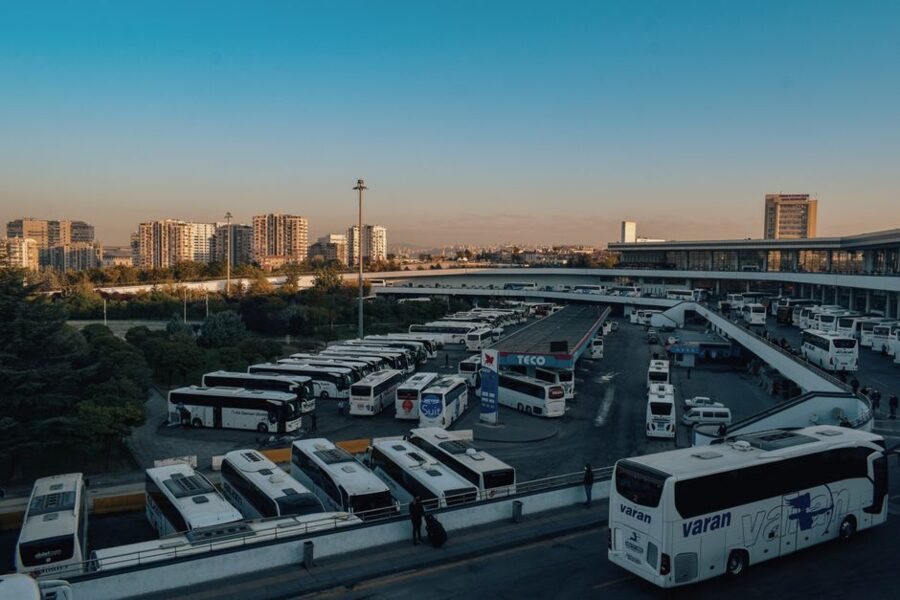
The three companies you will see everywhere on this route are Metro Turizm, Kamil Koç and Pamukkale Turizm. In November 2026 Metro ran the most departures from Göreme to Istanbul, Kamil Koç the most from Antalya to Cappadocia, and Pamukkale Turizm the most between Çanakkale and İzmir. Smaller regional firms often undercut them by a couple of hundred lira on short coastal hops. The comfortable seating plan is called 2+1 (one seat on one side of the aisle, two on the other), and on long legs it is worth the small premium over 2+2.
You can buy at the otogar counter or online, on the companies’ own sites and apps or on the Turkish ticket aggregators. The booking asks for your name, your passport number and your gender: by custom, the companies do not seat a woman next to a man she is not traveling with, and the seat map shows which seats are taken by whom. Online and counter prices are usually the same, so the only reason to book ahead is to choose a seat on a busy route or before a holiday.
On board you get a steward, tea or coffee from a trolley, a screen in the seat back on most long-distance coaches, and a stop at a roadside rest area every two to three hours. Alcohol is not allowed. Night buses switch the lights off and keep the stops going, so carry a layer: the air conditioning runs cold.
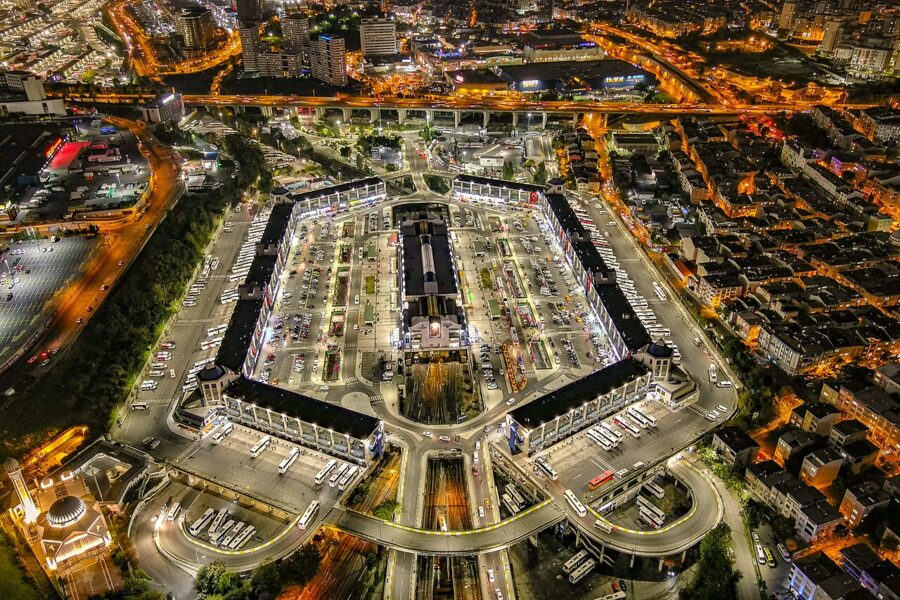
Watch where your bus actually stops. Istanbul has several terminals: Esenler and Alibeyköy on the European side, Dudullu and the Samandıra terminal on the Asian side, and some companies also pick up at Istanbul Airport and Büyükçekmece. A few routes start or end at a company office or a roadside stop rather than the main otogar. Some companies still run a free servis minibus from the otogar into town; in other cities you take a city bus or a taxi, so ask at the counter when you buy.
The dolmuş
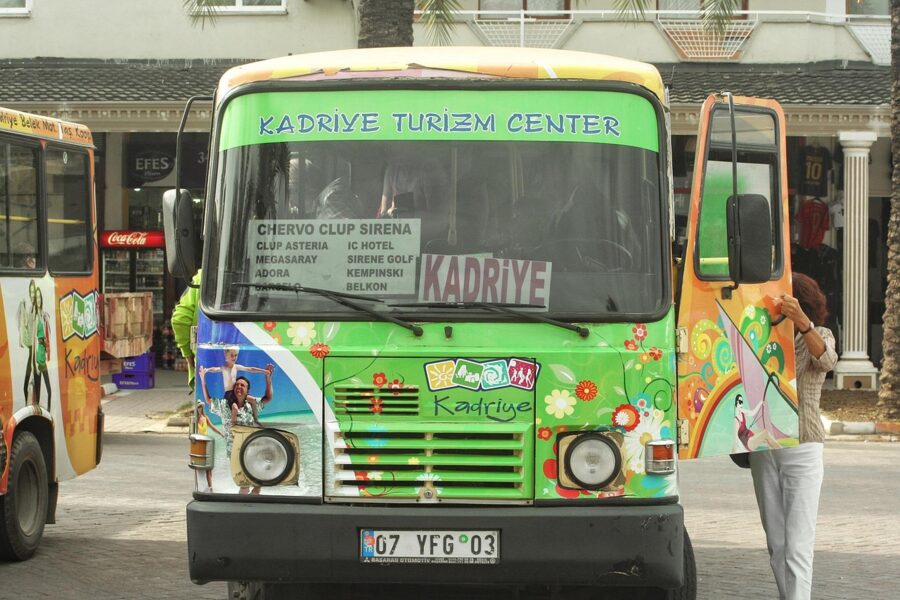
The dolmuş does the work the coaches cannot: Fethiye to Ölüdeniz, Selçuk to Şirince, Çanakkale to Troy, Göreme to the underground cities, Denizli otogar up to Pamukkale village. They leave when full or on a loose timetable, run more often in summer, and stop anywhere on the route if you call out to the driver. Fares are cash in lira and cheap compared with a taxi, so keep small notes.
The trains that are actually useful
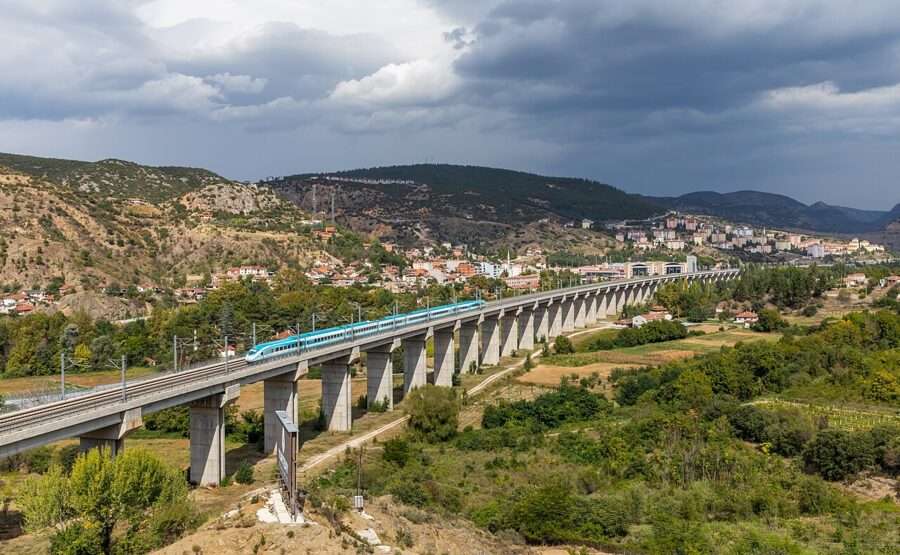

Turkey’s railways do not follow the backpacker loop, so for most of the route the bus wins. The exception is the high-speed YHT network, which links Istanbul with Ankara, Eskişehir and Konya on fast, comfortable trains. If your three weeks include Konya or Safranbolu, or you want to leave Cappadocia via Ankara rather than on a night bus, a YHT leg is the most pleasant ride in the country. Book through TCDD Taşımacılık, and book early on Fridays and Sundays and before holidays, when seats sell out.
The other useful line is İZBAN, İzmir’s suburban railway. Its 136 km line runs from Aliağa in the north to Selçuk in the south and has reached Selçuk since September 2017, so you can land at İzmir airport and ride the rails to Ephesus without touching a bus. It is also a good way to cover the İzmir–Selçuk part of the trip if you take the cheaper Çanakkale–İzmir bus.
Cheap flights, and when they beat the bus
Domestic flights are worth it on exactly one leg of this loop: Cappadocia to Istanbul. Kayseri and Nevşehir airports both have flights to Istanbul, and booked a few weeks ahead a seat can cost little more than the 2,000 TL night bus. Remember the extras before you compare: an airport shuttle from Göreme, the transfer into Istanbul at the other end, and baggage fees on the low-cost fares.
A flight also makes sense at the start if you are short on days and want to run the loop backwards: fly from Istanbul to Cappadocia on day 1, then work your way west by bus and end in Istanbul. Everywhere else on the loop the bus is cheaper and only a few hours slower once you count airport time.
The stops, in loop order
Each stop below has what to see, how long to stay and the ticket prices that applied in November 2026. Ministry of Culture sites list their hours and prices on the official museum site, muze.gov.tr, and the hours change between summer and winter, so check it the night before.
Istanbul: three days at least
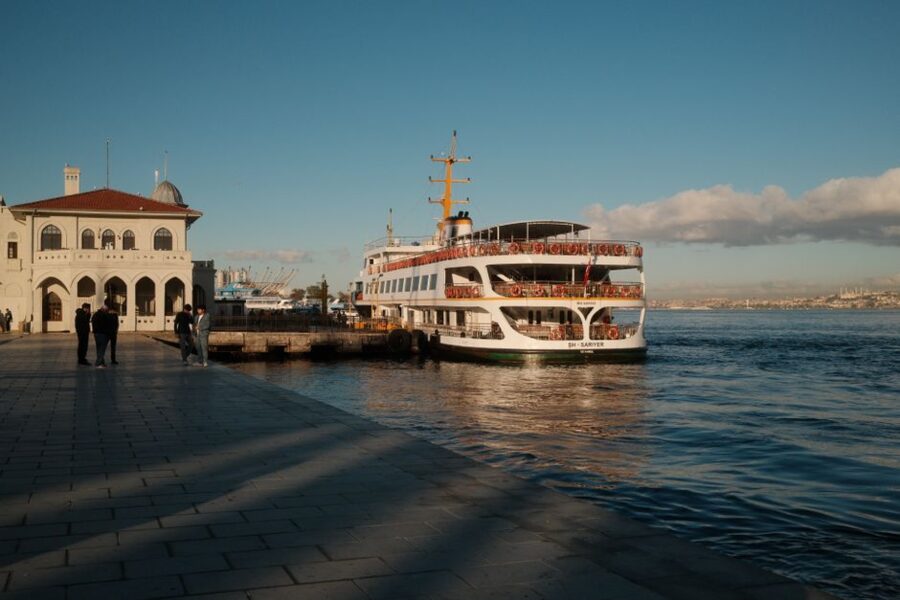
Istanbul deserves more time than any other stop, and three days is the minimum I would plan. The first day goes to the old city: Hagia Sophia, the Blue Mosque, Topkapı Palace and the Basilica Cistern. The second goes to the hills and the water, which means the Süleymaniye, the Golden Horn and a ferry across to Kadıköy. Mosques close to visitors during the five daily prayers and for longer around Friday noon prayer, so plan mosque visits for the gaps between them.
Buy an Istanbulkart at the airport, because it pays for the metro, trams, buses and ferries, and sleep in Sultanahmet, Sirkeci, Karaköy or Kadıköy, where most of the cheap beds are. On this loop, the practical point is the exit: buses for Çanakkale leave from Esenler and Alibeyköy throughout the day, and some pick up at Istanbul Airport, so you can start the loop the moment you land if you want to save Istanbul for the end.
Çanakkale, Troy and Gallipoli: two nights
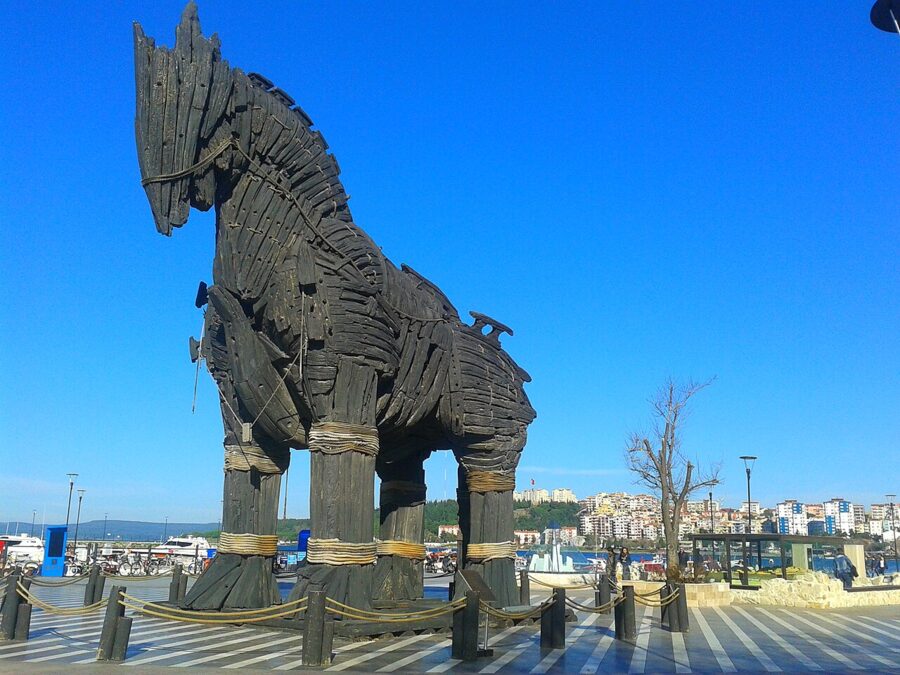

Çanakkale is a university town on the Asian shore of the Dardanelles, the narrow strait between the Aegean and the Sea of Marmara. It is cheap, lively and walkable, and it is the base for two very different days out. The seafront promenade, the Kordon, is where the town spends its evenings.
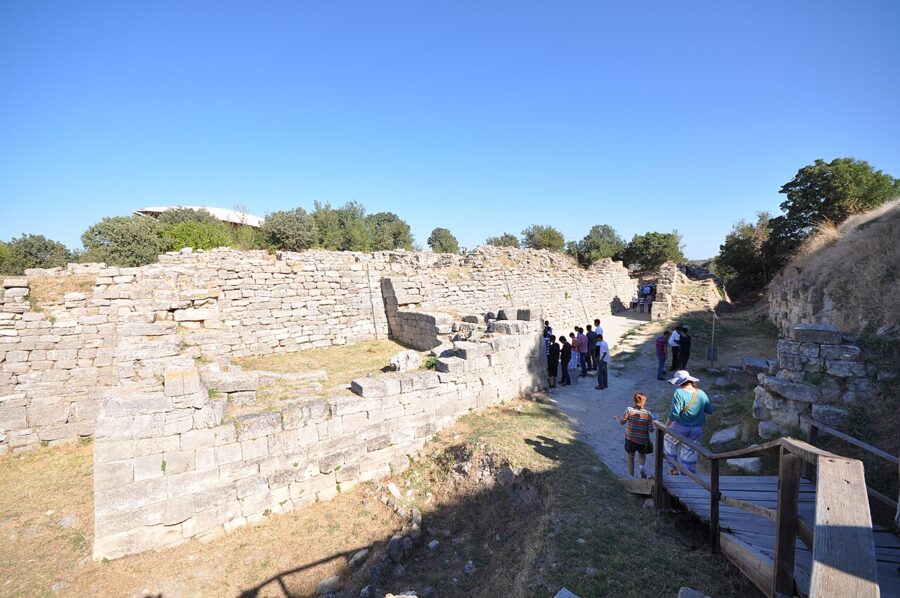
Troy is the easy one. Dolmuş minibuses run from Çanakkale to the site, which charged foreign visitors €27 in November 2026 for both the archaeological site and the Troy Museum near its entrance. Both were open daily 08:30–17:30, last tickets at 17:00. Go to the museum first: the site itself is a layered mound of walls from different centuries, and it makes far more sense once you have seen the finds and the timeline.

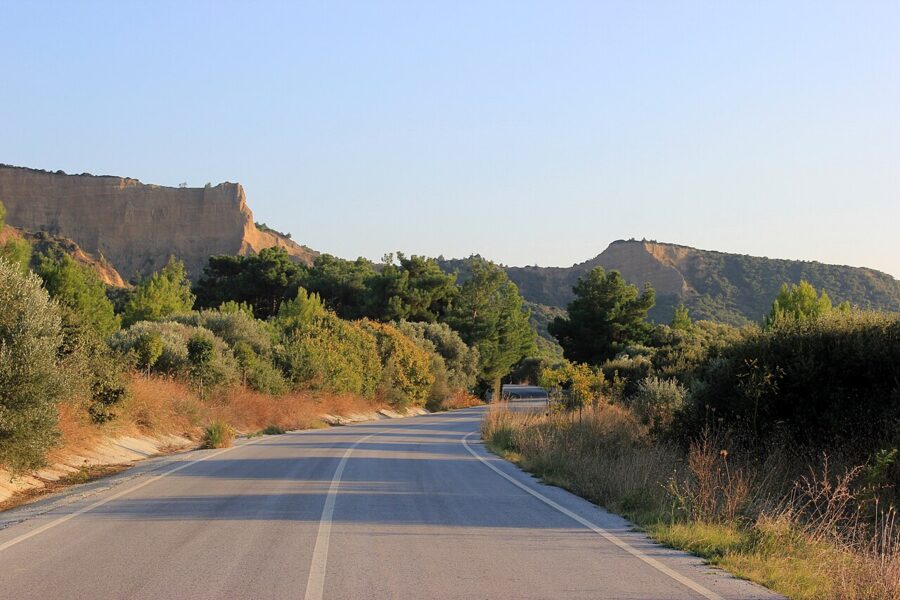
Gallipoli is the day most people come for, and it is one of the few places on this route where I would pay for a tour. The battlefields, cemeteries and memorials of the 1915 campaign are spread across the peninsula across the strait, and without a car you will not get between them. Tours leave from Çanakkale and from Eceabat on the European shore. Before you pay, check that the guide is licensed, how big the group is, whether the ferry and lunch are included, and what happens if the tour is cancelled.

If you only have one day, do Troy in the morning and an afternoon Gallipoli tour if you can find one running. Then take the bus south. Five direct buses a day ran to Selçuk in November 2026 (1,400–1,710 TL, 6.5–7 hours), or take one of about fifty to İzmir and change there.
Selçuk and Ephesus: two nights
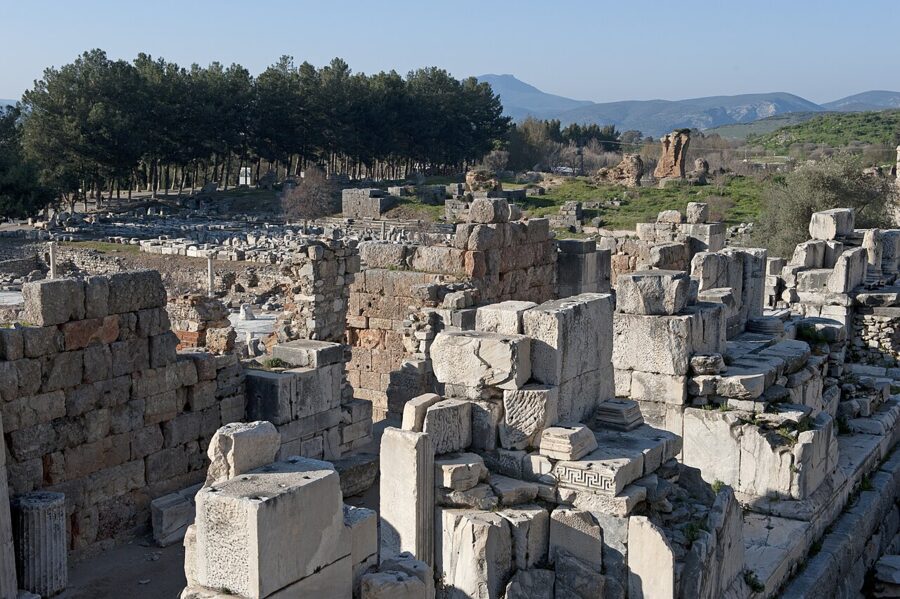

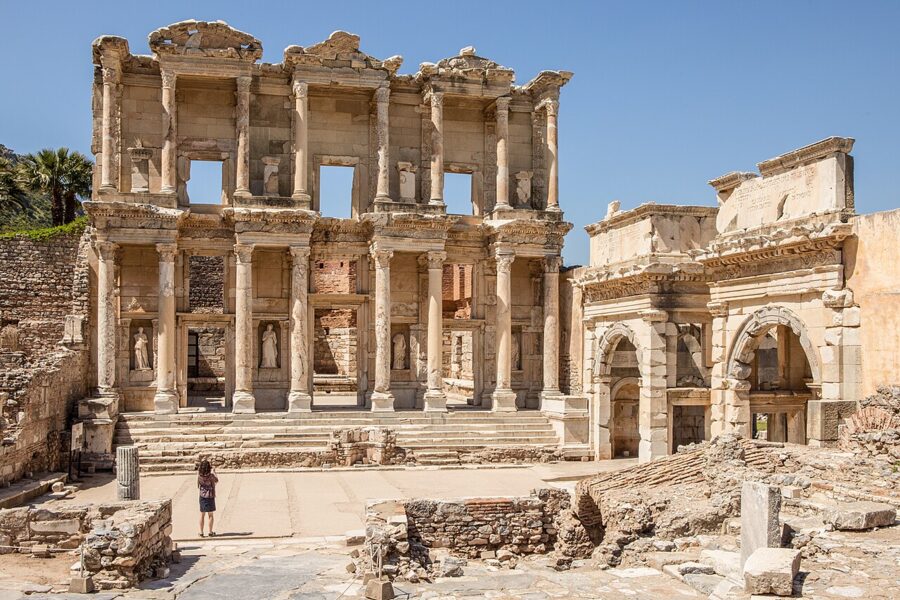
Selçuk is the small town next to Ephesus, and it is the right place to stay: Kuşadası on the coast is bigger and louder and further from the ruins. Ephesus is about 3 km away, an easy walk or a short minibus ride. It charged foreign visitors €40 in November 2026, including the Ephesus Experience Museum beside the theatre, and in winter (mid-October to April) opened 08:00–17:30; the 2027 tariff raises the ticket to €45 from 1 April 2027.
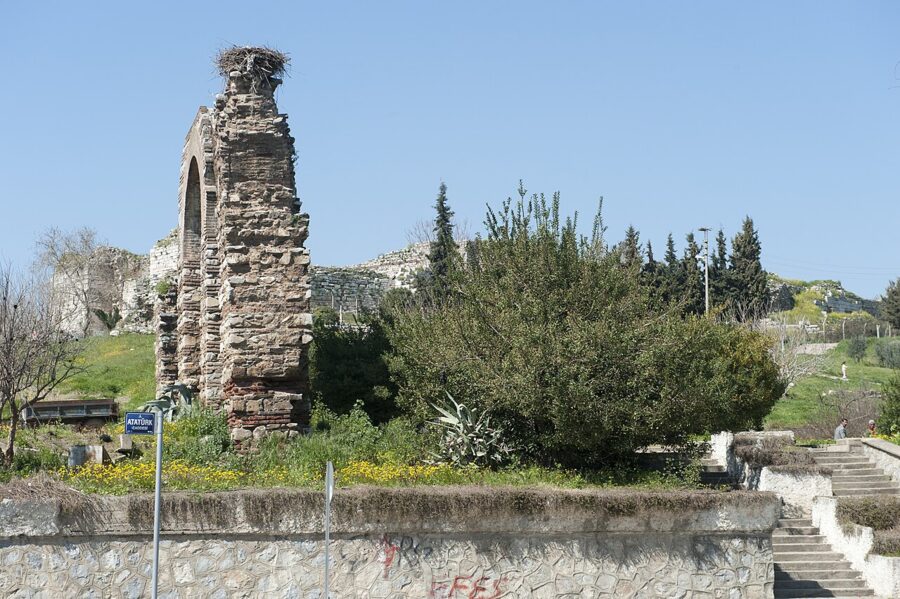
The ancient city was the capital of the Roman province of Asia and one of the largest cities of the Roman East, and what survives is a long marble street running downhill past the theatre, the agora and the Library of Celsus. Get there at opening. Large tour groups arrive mid-morning, and by 11:00 the area around the library is shoulder to shoulder.
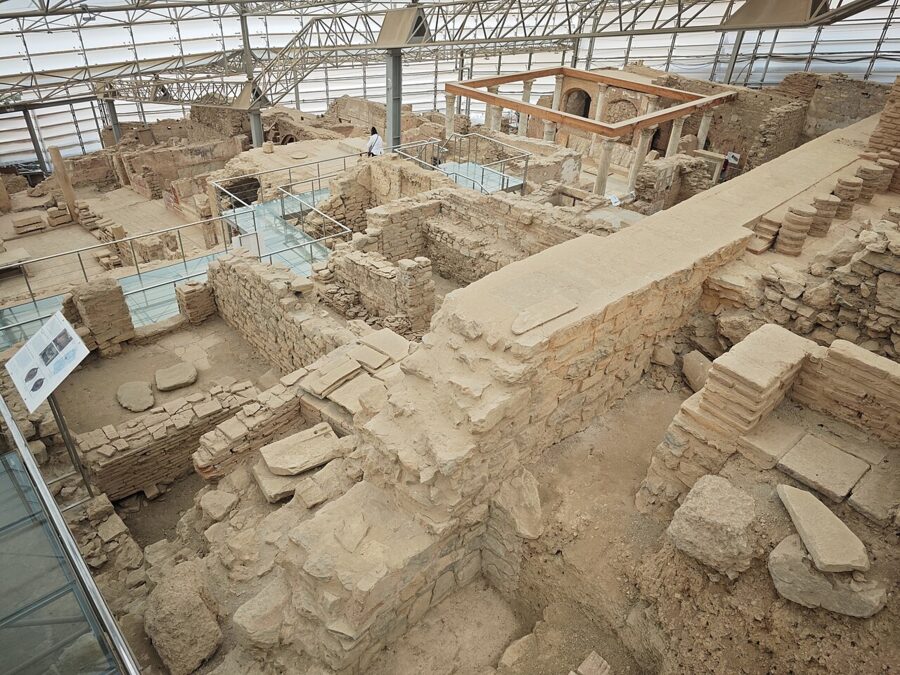

Pay for the Terrace Houses even if you skip everything else extra. They are under a protective roof halfway down the main street, cost €15 on top of the main ticket and were open 09:00–17:00 in November 2026.
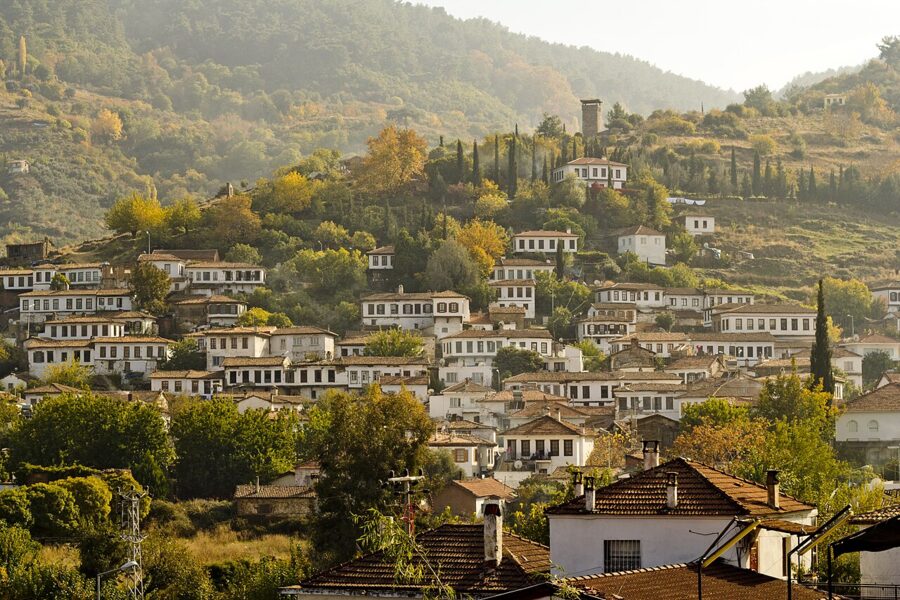
The Ephesus Museum in Selçuk town (€10) holds the best statues from the site, and the Basilica of St. John on the hill (€6) is quiet at sunset. Şirince, a former Greek village in the hills above Selçuk known for its fruit wines, is a short dolmuş ride away and makes a good half-day.

Pamukkale and Hierapolis: one night
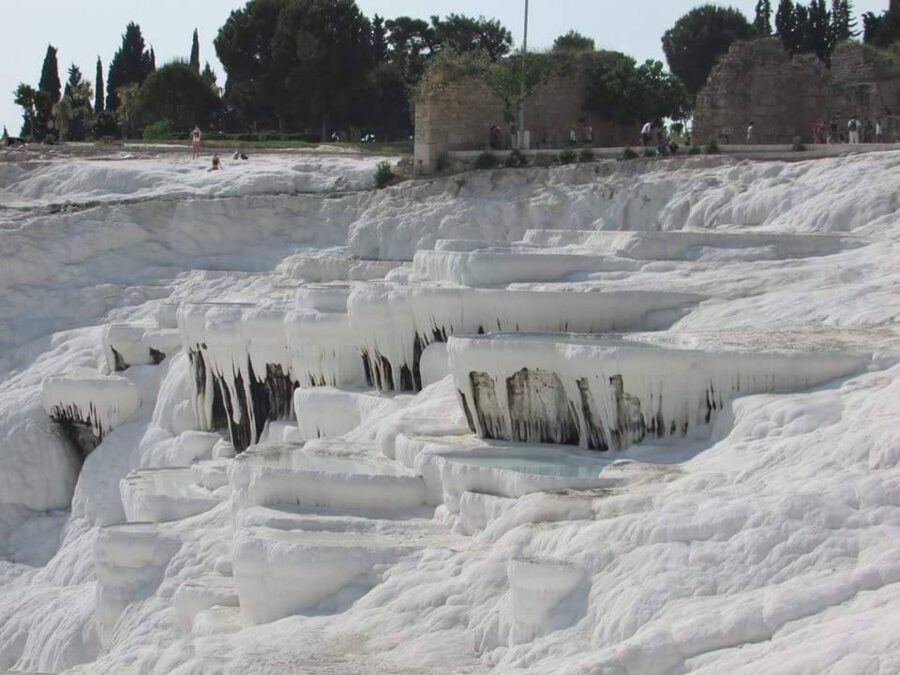
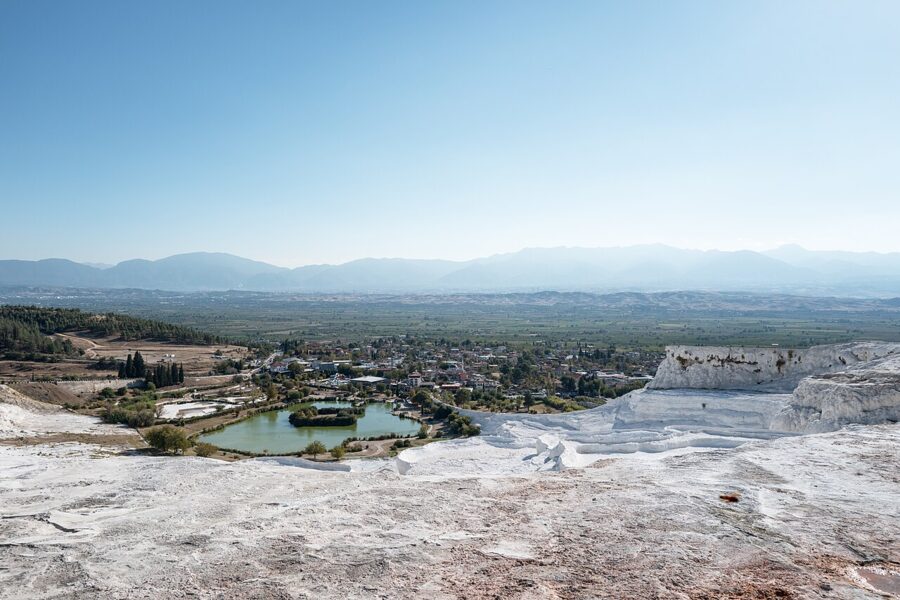
Pamukkale is a white limestone slope of terraces and warm pools above a village of the same name, and on top of it sit the ruins of Hierapolis, a Greek and Roman spa city. Buses from Selçuk and İzmir run to Denizli, and minibuses run from the Denizli otogar up to Pamukkale village, which lies about 20 km north of the city. The combined site charged €30 in November 2026 and opened 08:00–18:00, box office closing at 17:00.
Stay a night in the village rather than doing it as a day trip. The terraces face west, the late afternoon light is the reason people photograph them, and the evening crowd is a fraction of the midday one. The Antique Pool on the plateau, where you swim among fallen columns, needs a separate ticket. In the morning, take the minibus back down to Denizli and the bus to Fethiye.
Fethiye, Ölüdeniz and Kayaköy: two or three nights
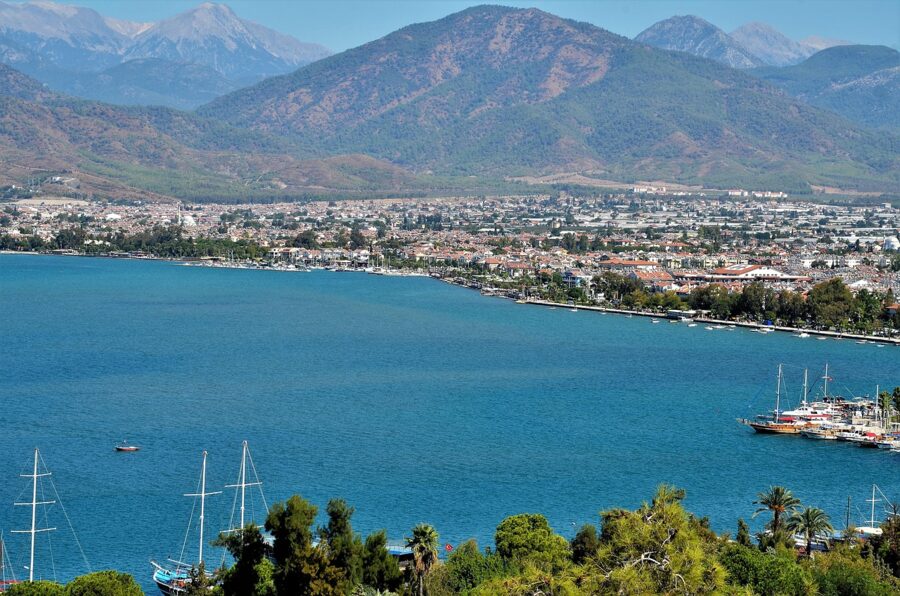
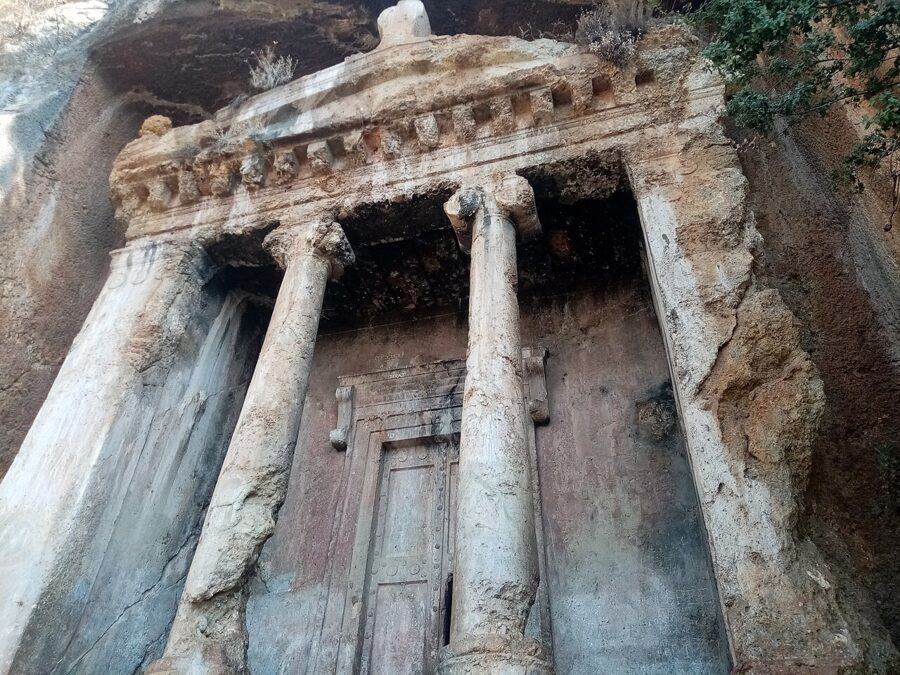
Fethiye is a working harbor town with a long waterfront, and it is the most practical base on the coast. The otogar has buses in every direction, the dolmuş to Ölüdeniz runs from the center, and it is where the gulets and the day-boat trips around the bay leave from. Above the town, the Lycian rock tombs are cut into the cliff face; the largest, the Tomb of Amyntas, is a short climb from the center.

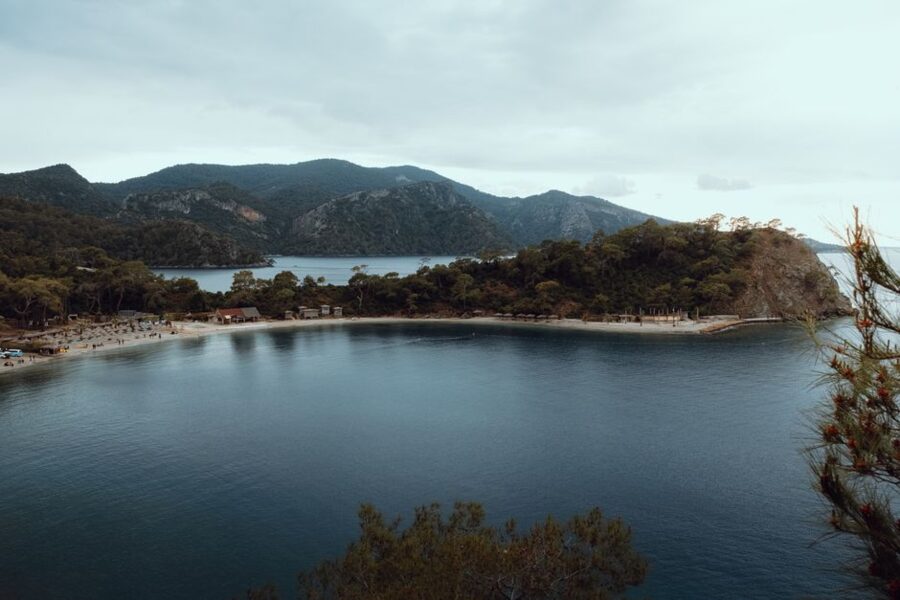
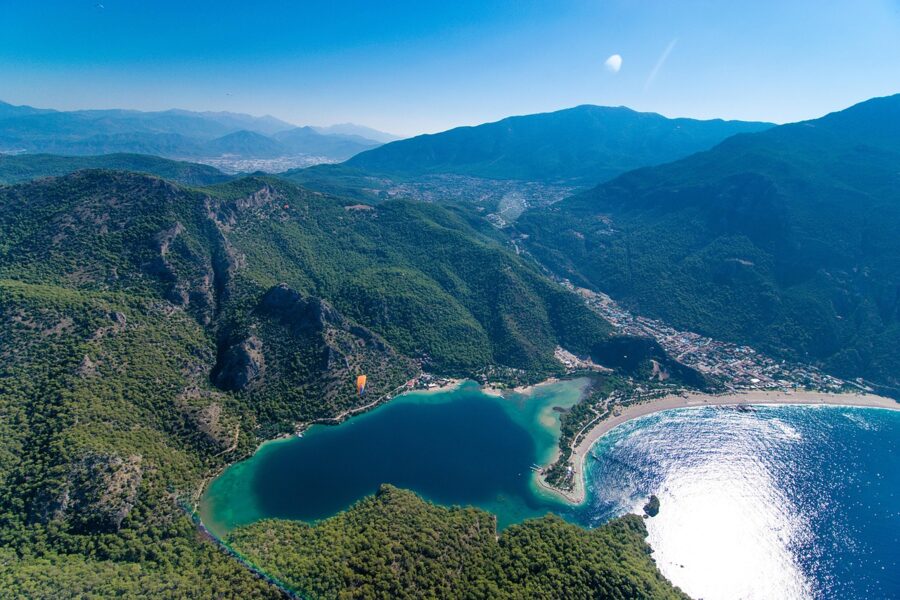
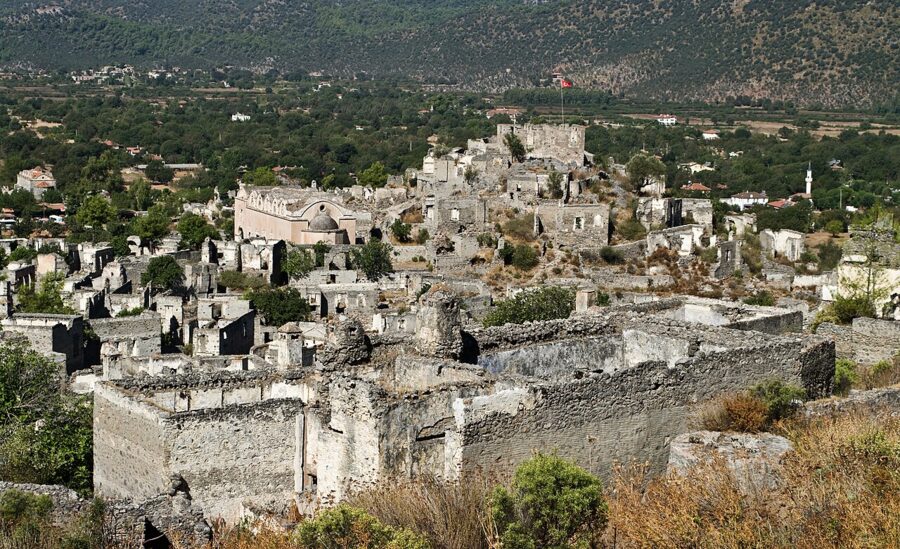
Ölüdeniz is the famous beach: a sand spit, a shallow lagoon and a mountain rising almost straight up behind it. It is busy and built up on the land side, but the water is clear and it is a short dolmuş ride from Fethiye. Kayaköy is the other half-day: a hillside village of stone houses abandoned when its Greek Orthodox population left in the 1923 population exchange between Greece and Turkey.

Kaş and Kekova: two nights
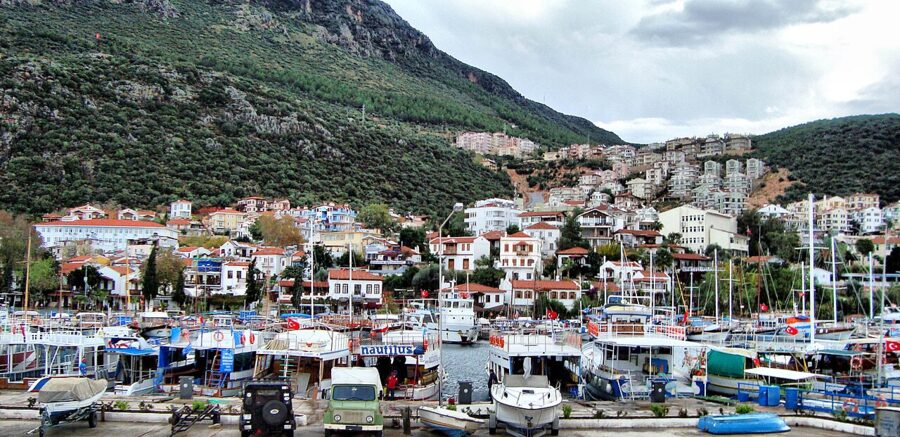

Kaş is the coastal town I would choose if I had only one. It is small, it has no sand beach to speak of, and that keeps it calmer than Fethiye or Ölüdeniz. Instead you swim off rock platforms and pebble coves, eat by the harbor and take boats out to Kekova.
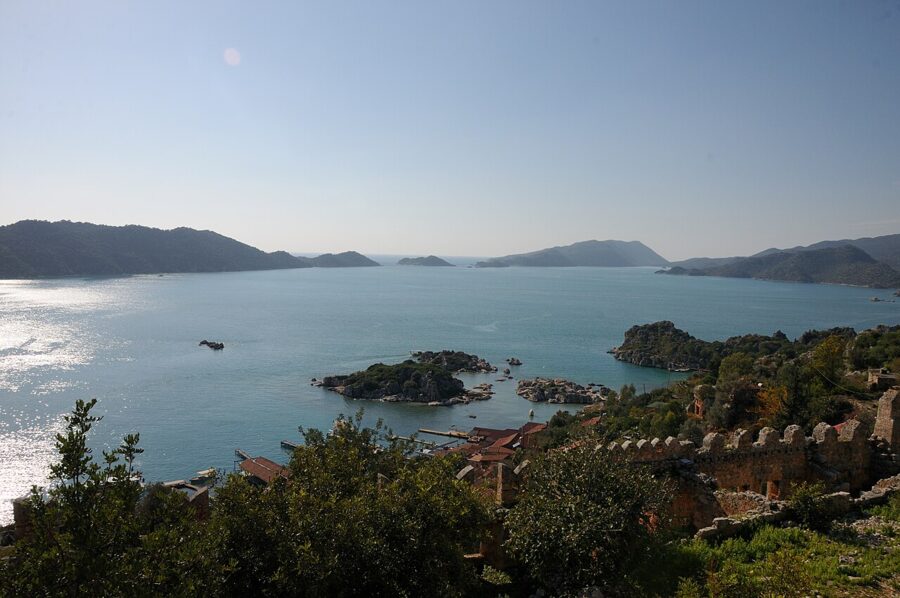

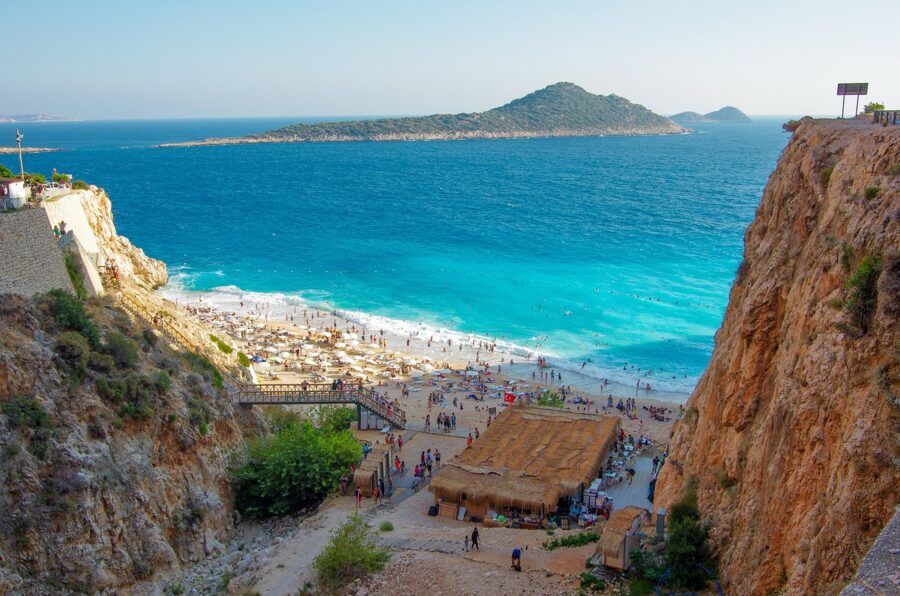
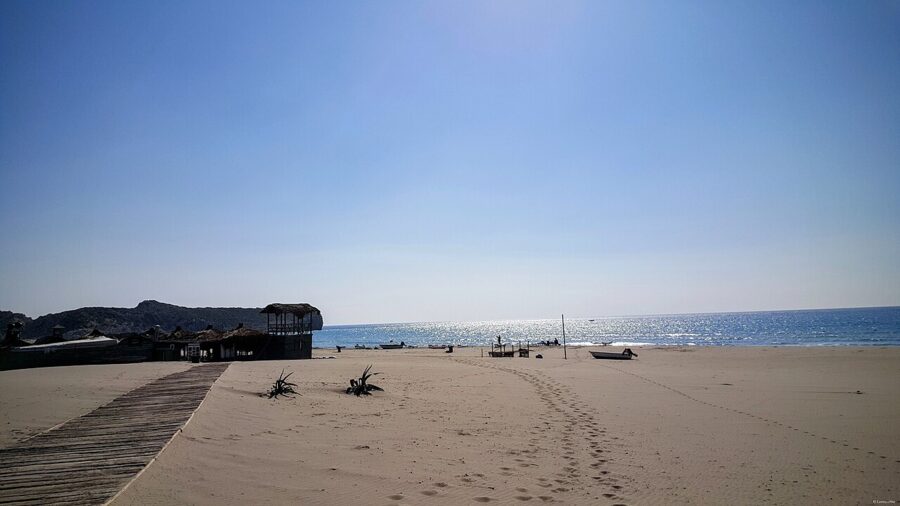
Kekova is a stretch of sheltered water and islands east of Kaş, with the ruins of a Lycian town partly sunk along the shore of Kekova Island and the castle of Simena above the village of Kaleköy. Day boats leave Kaş harbor in the morning; agree the price, the route and what lunch includes on the quay the evening before. The Patara archaeological site and its long sand beach lie between Fethiye and Kaş, and the site ticket (€15 in November 2026) covers the walk to the sand. On the road between Kalkan and Kaş, the small Kaputaş beach sits at the bottom of a gorge, with steps down from the roadside.

Olympos and Çıralı: one or two nights
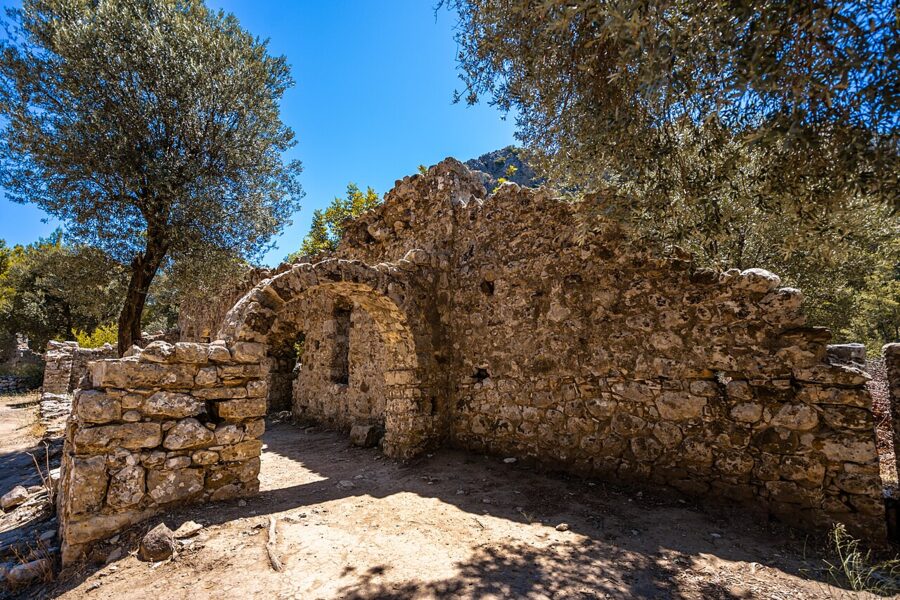
Olympos was the original backpacker stop on this coast: a valley of wooden cabins and treehouse camps running down to a beach beside a ruined Lycian city. Çıralı, the next beach along, is a quieter strip of family guesthouses. To get there, take any Antalya-bound bus along the coast road and ask to be let off at the Olympos turnoff, where minibuses run down the valley, more often in summer than in winter. The Olympos archaeological site cost €10 in November 2026 and opened 08:00–19:00.
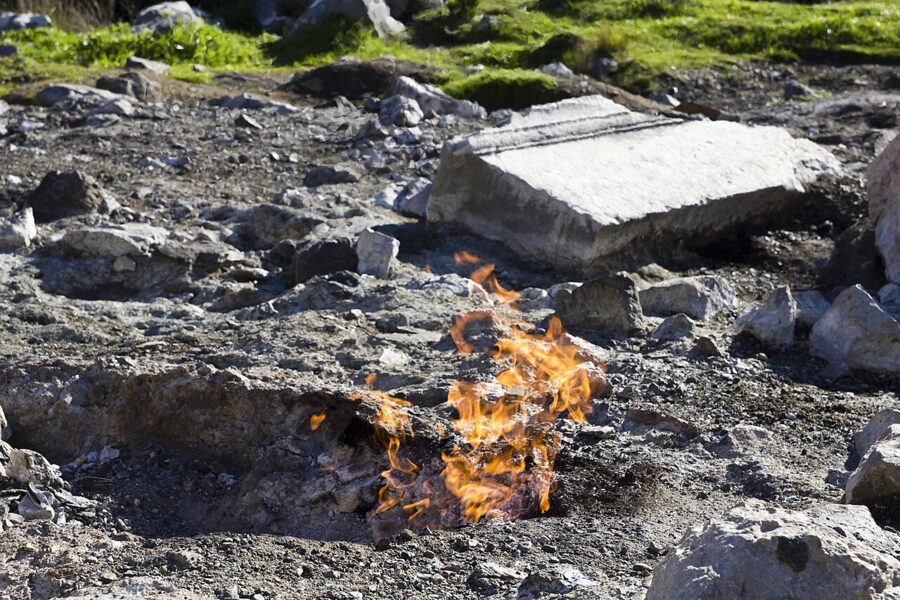

The reason to come is the Chimaera, or Yanartaş: flames burning from cracks in the hillside above Çıralı, fed by natural gas seeping out of the ground. Ancient writers linked them to the fire-breathing monster of the Bellerophon myth. They are at their best after dark.
Antalya: a night, or just a bus change
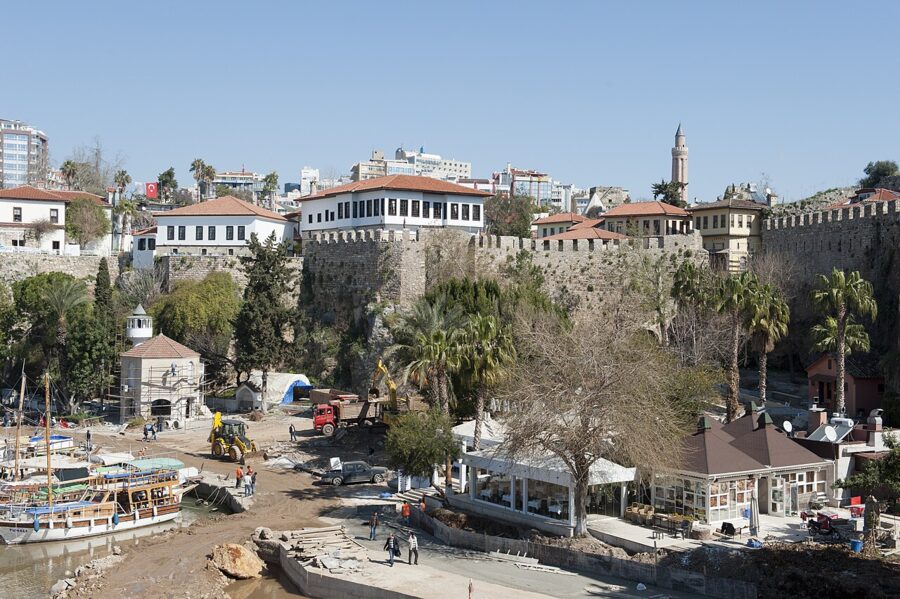

Antalya is a big city and the transport hub of the south coast. On a tight loop it is only the place you change buses for Cappadocia. With a spare day, stay in Kaleiçi, the walled old town above the harbor, and visit Perge (€11) or the theatre at Aspendos (€15), both easier on a tour or with a car than by public transport. The Antalya Museum, the region’s main archaeological museum, was listed as closed by the Ministry of Culture in November 2026, so check before you plan a morning around it.
Cappadocia: three nights
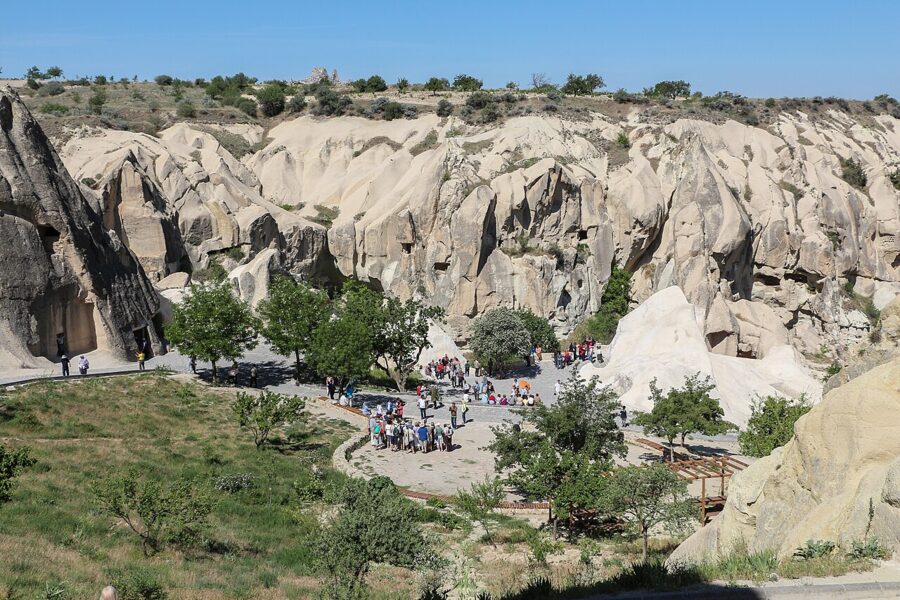

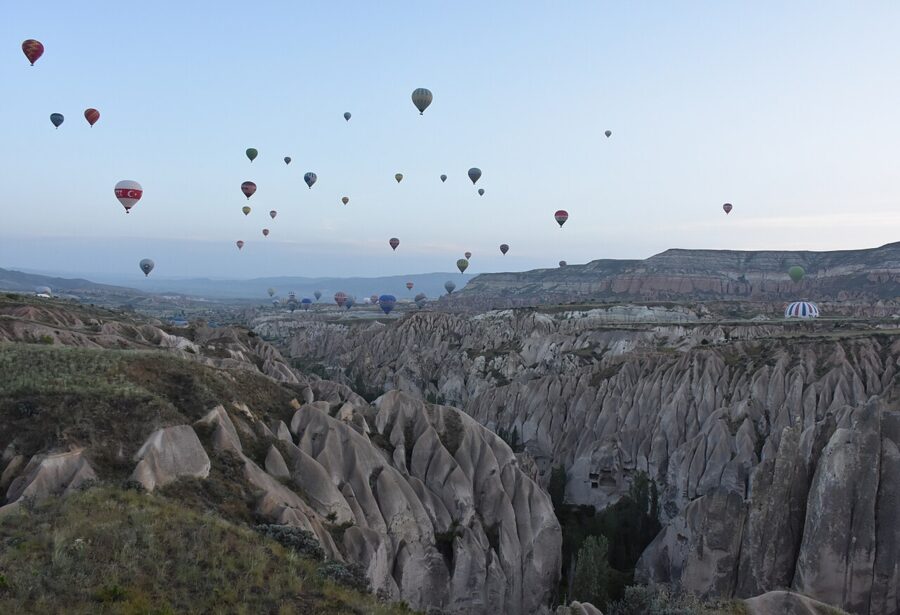
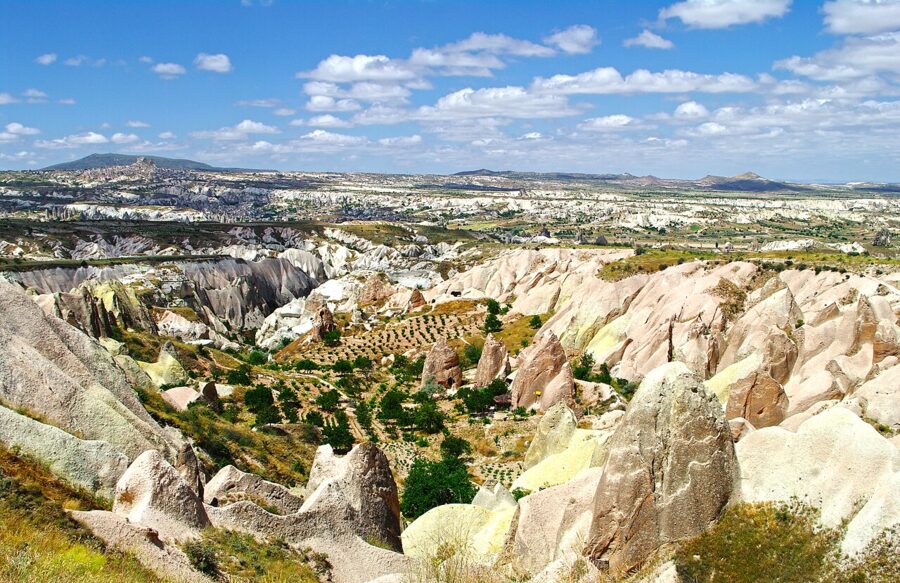
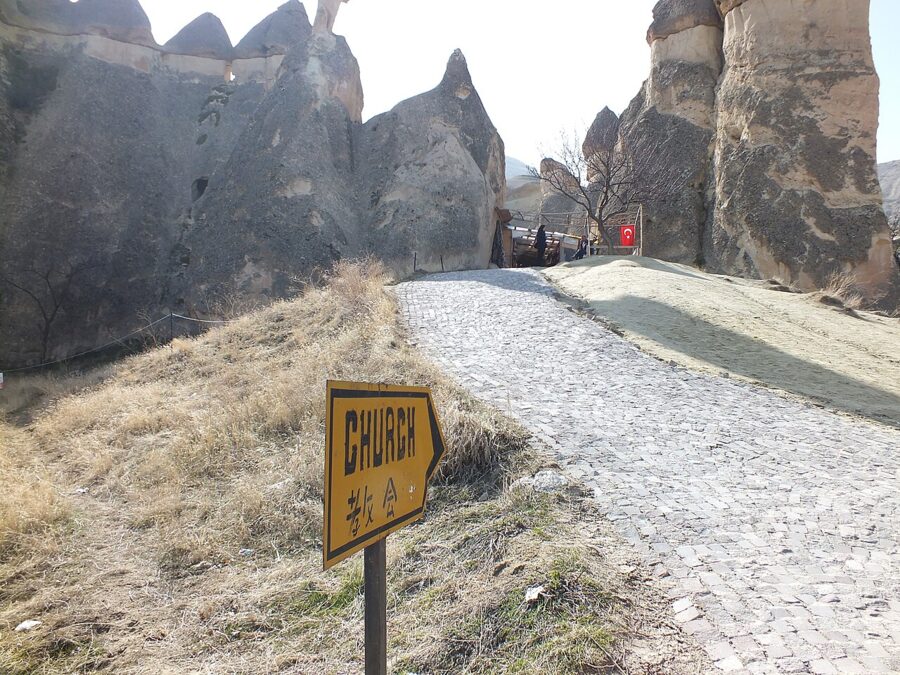
Göreme is the village where most backpackers stay, surrounded by valleys of eroded rock cones, pigeon houses and churches carved into the soft stone. Many of the guesthouses are cave rooms cut into the rock. The Göreme Open Air Museum, a monastic complex of painted churches a walk uphill from the village, charged €20 in November 2026, with the Dark Church an extra €6; both opened 08:00–17:00, last tickets around 16:15–16:45.
The valleys themselves are free, and they are the best thing here. Rose Valley, Red Valley, Love Valley and Pigeon Valley are all walkable from Göreme on signed trails, and a few hours on foot through them is the most rewarding thing you can do in Cappadocia without spending money. Zelve-Paşabağ, an abandoned cave village and field of rock pillars, cost €12.
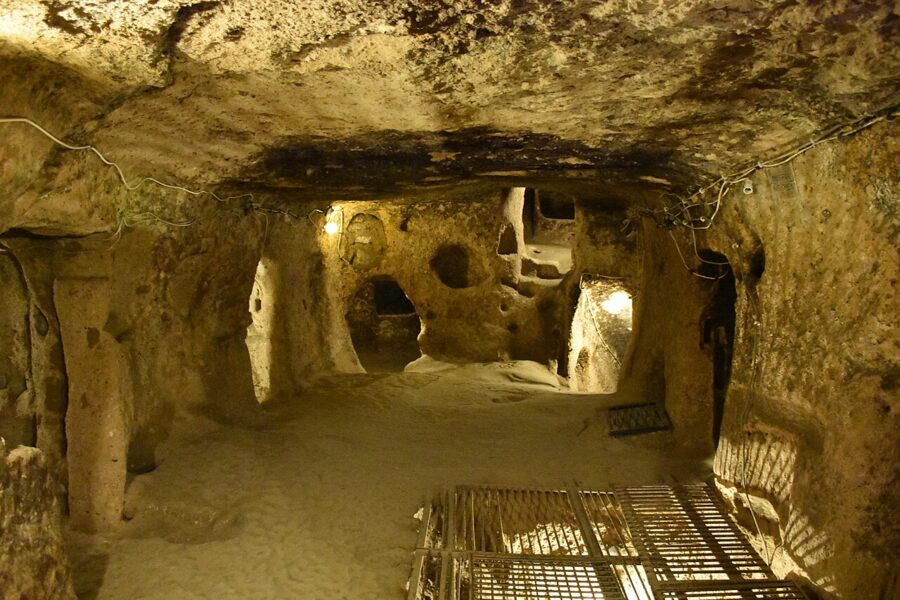

The underground cities, Kaymaklı and Derinkuyu, are multi-level warrens dug into the rock where local people sheltered in times of danger. Each charged €13 in November 2026, and both are reached by dolmuş or bus from Göreme or Nevşehir. One is enough for most people.
The balloons are the expensive part. Flights take off at dawn in calm weather, and on windy days the civil aviation authority stops them, so leave a spare morning in case yours is cancelled. Operators quote in euros and prices swing with the season. If you book, check that the company is licensed, how many people share the basket, what insurance covers and whether you get a full refund if the flight does not go.
The gulet alternative
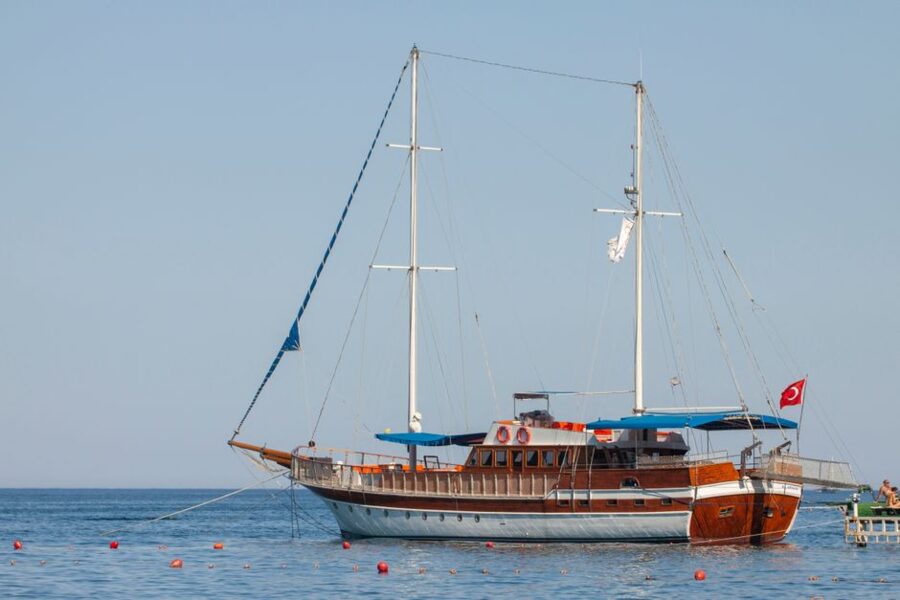
A gulet trip turns the coastal leg into three or four days on a wooden boat: swimming stops, meals on deck, nights at anchor in bays the road does not reach. The backpacker version runs between Fethiye and Olympos or Demre and replaces the Fethiye–Kaş–Olympos bus days. It is a trip where you depend on the operator: check that the boat and crew are licensed, how many passengers share it, what meals and park fees the price includes, and what happens to your money if the sea is too rough to sail.
What it costs: a daily budget for 2026
The lira has fallen steadily against the euro for years, which makes Turkey cheap for anyone earning in a hard currency, but prices in lira rise just as steadily. The figures below are what things cost in November 2026, converted at €1 = 55 TL, and they will drift by the time you go. The euro-priced museum tickets are the most stable part of the budget.
| Item | Lira (late 2026) | Euros | Notes |
|---|---|---|---|
| Dorm bed | about 550–1,100 TL | €10–20 | Low-season “from” rates in Istanbul, Göreme, Selçuk, Fethiye and Kaş; more in July–August |
| Private room in a pansiyon | from about 1,100 TL | from €20 | Often the only budget option in Çanakkale and Pamukkale, where dorms are scarce |
| Simit (sesame bread ring), Istanbul | 30 TL | about €0.55 | The cheapest breakfast in the country |
| Stew and rice at an esnaf lokantası, Istanbul | 250–400 TL | €4.50–7 | The workers’ canteens; usually cheaper outside Istanbul |
| Bus legs, two-week loop | 8,000–9,500 TL total | €145–170 | About 600–700 TL a day spread over 14 days |
| Core site tickets, two-week loop | priced in euros | about €130 | Troy, Ephesus, Hierapolis, Göreme and one underground city |
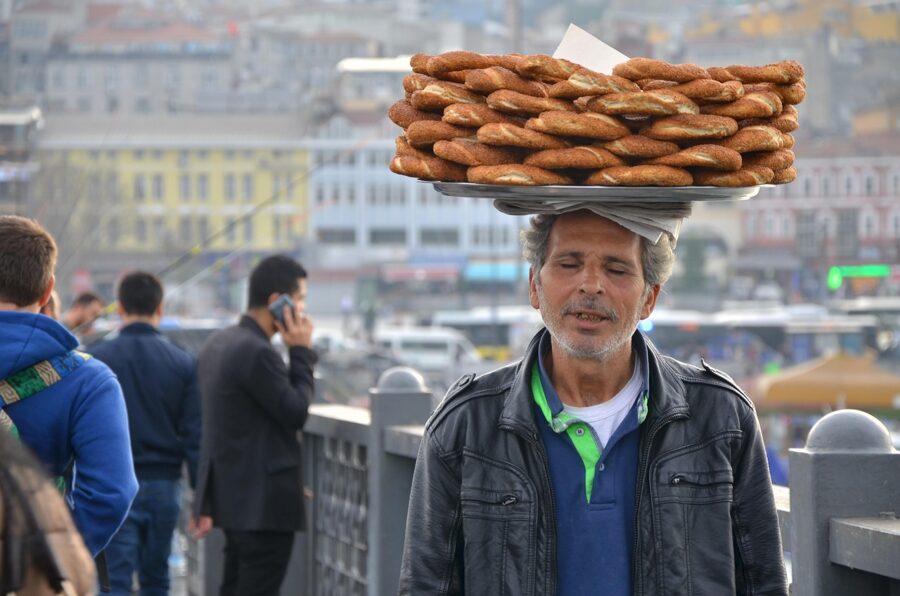
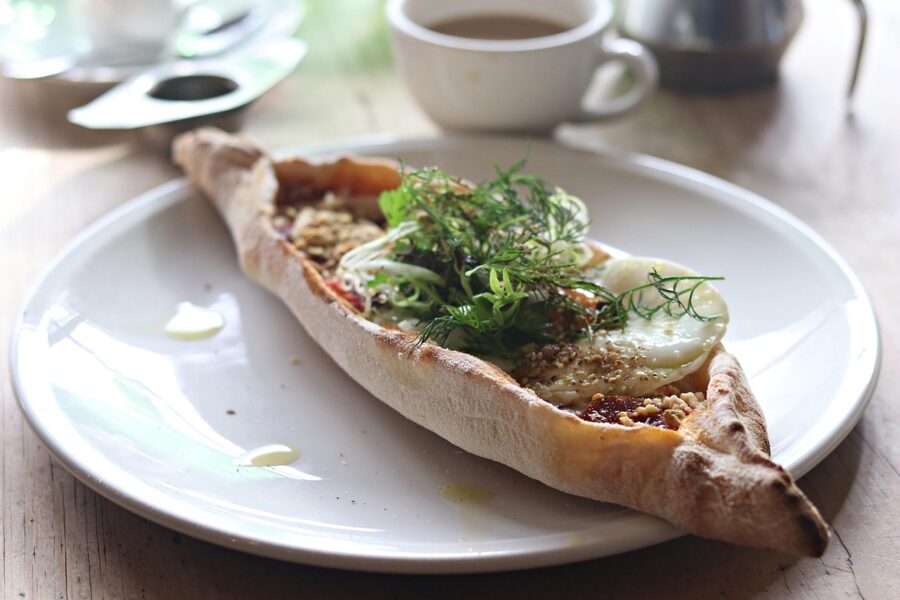
Put it together and a lean day on this loop, with a dorm bed, a simit and a lokanta lunch, a pide or döner for dinner and your share of the bus fares, comes to about 2,200–2,800 TL, or €40–50. That includes your share of the site tickets. A private room in a pansiyon and a sit-down dinner push it to €60–75. Balloons, gulets, organized tours and alcohol, which is heavily taxed, are what blow a budget here, so decide on those before you leave rather than at the counter.
Cash still matters. Cards work in hostels, bus offices and most restaurants, but dolmuş drivers, small shops, the day boats on the quays and many village pansiyons want lira. Use bank ATMs rather than exchange counters in the airports, and keep notes of 20, 50 and 100 TL for the minibuses.
The Müzekart question
Short answer: skip the Müzekart, because you cannot buy it, and do the sums before buying a MuseumPass. The lira-priced Müzekart that Turkish travelers carry is for Turkish citizens; a version called MüzeKart 99 is sold only to foreigners with a residence or work permit and a Turkish ID number starting with 99. In 2026 it cost 750 TL for a year, which is a bargain if you live here and irrelevant if you are passing through.
Visitors can buy a MuseumPass instead, priced in euros on the Ministry’s official site. MuseumPass Türkiye cost €165 and covered one entry each to more than 350 Ministry sites for 15 days from the first use. The regional versions are shorter and cheaper: the Aegean pass (İzmir, Aydın, Muğla and Denizli) cost €95 for seven days, the Cappadocia pass €65 for three days, the Mediterranean pass €90 for seven days and the Istanbul pass €105 for five days.
For the two-week loop the sums do not work.
The core tickets (Troy €27, Ephesus €40, Hierapolis €30, Göreme €20 and one underground city at €13) add up to €130, well under the €165 national pass. The Aegean pass breaks even only if you add the Ephesus Museum, the Basilica of St. John and Aphrodisias to Ephesus and Hierapolis within seven days. The Cappadocia pass only pays off if you do the Open Air Museum, Zelve and both underground cities in three days.
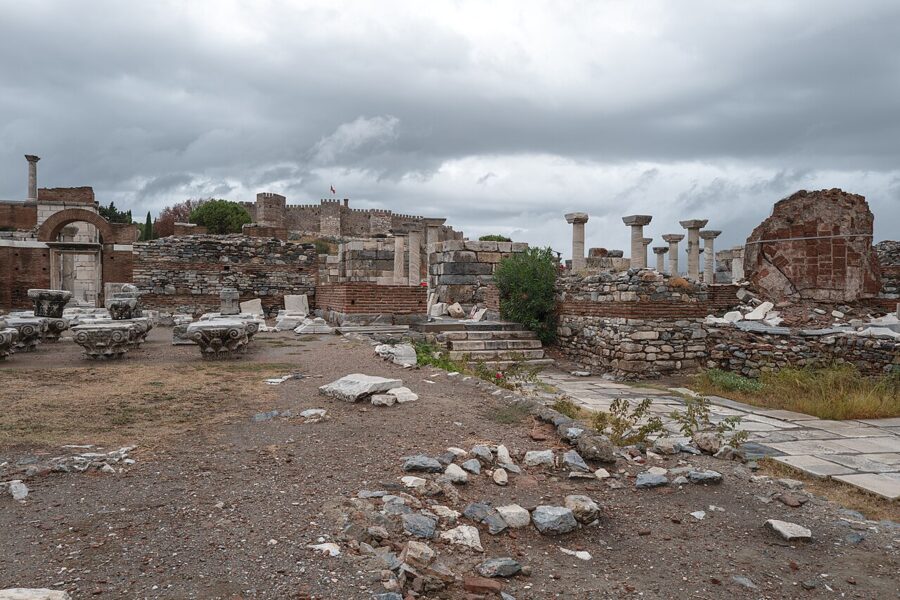

On the three-week loop, with Patara, Myra, Olympos and the extra Ephesus sites, your tickets can pass €200, but they are spread over more than 15 days and the national pass will not cover them all. My advice is to pay at the gate as you go and consider the Aegean pass only if you are a ruins enthusiast with a week between Selçuk and Fethiye. Extras such as the Terrace Houses at Ephesus and the Dark Church at Göreme are ticketed separately at the gate, so check whether the pass you are considering covers them before you count them in.
When to go
The best months for the whole loop are April to early June and September to October. The coast is warm enough to swim from late May to October, Cappadocia is pleasant in spring and autumn and hot in high summer, and in July and August the inland ruins at midday are an endurance test. Spring and autumn also put you between the summer school holidays and the winter quiet, when buses run often and dorms have space.
Summer brings full buses on the coastal routes, the highest bed prices and the most crowded beaches, but also the most frequent dolmuş services and every boat trip running. If summer is your only window, start each day early, spend the middle of it in the water or on a bus, and save Ephesus and Pamukkale for the first and last hours of opening.
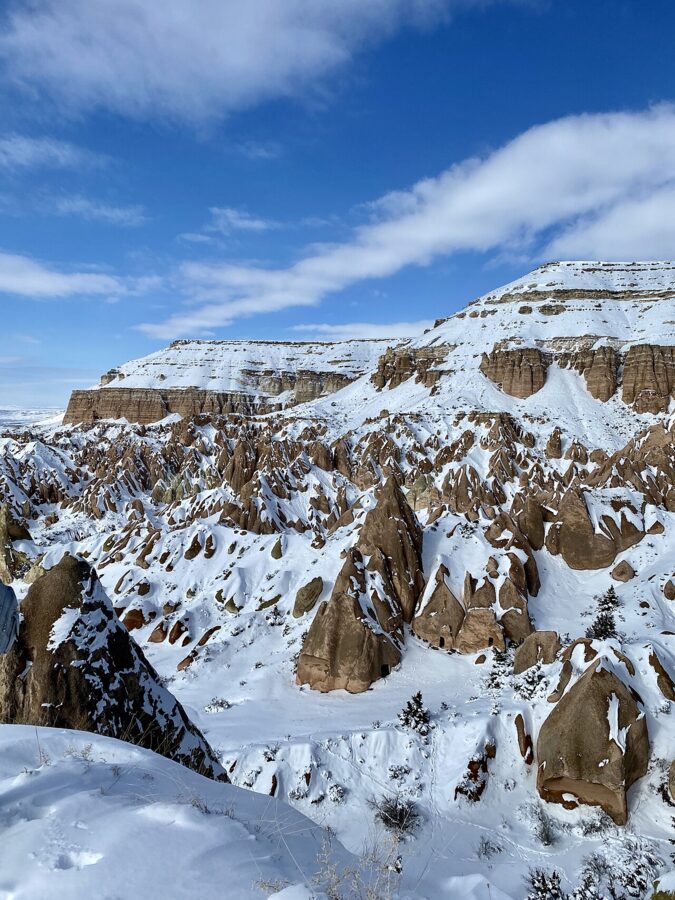

Winter is cheap and quiet. Istanbul is gray and wet but fully open, the ruins have short winter hours and almost no queues, and Cappadocia under snow is beautiful if you have the clothes for it. The coast is mild but many beach-town pansiyons and the Olympos camps close or run at a reduced level, boat trips stop, and the dolmuş services thin out. A winter loop works best as Istanbul, the Aegean ruins and Cappadocia, with the coast reduced to Fethiye or Antalya.
Ramadan and the bayram holidays
Two religious holidays shape the travel calendar, and they move about eleven days earlier each year because they follow the Islamic lunar calendar. Ramadan, the month of daytime fasting, ends with the Ramazan Bayramı (Eid al-Fitr), and about ten weeks later comes the Kurban Bayramı (Eid al-Adha). According to the Presidency of Religious Affairs, in 2027 Ramadan begins on 8 February, the Ramazan Bayramı falls on 9–11 March, and the Kurban Bayramı on 16–19 May, each with a half-day eve before it.
The bayrams are the busiest travel days of the Turkish year. Millions of people head home or to the coast, intercity buses sell out days ahead, prices rise, and the government often stretches the holiday into a long break by adding bridge days. If your trip overlaps a bayram, book your bus seats as soon as you know your dates, avoid traveling on the day before it starts, and expect beach towns to fill up.
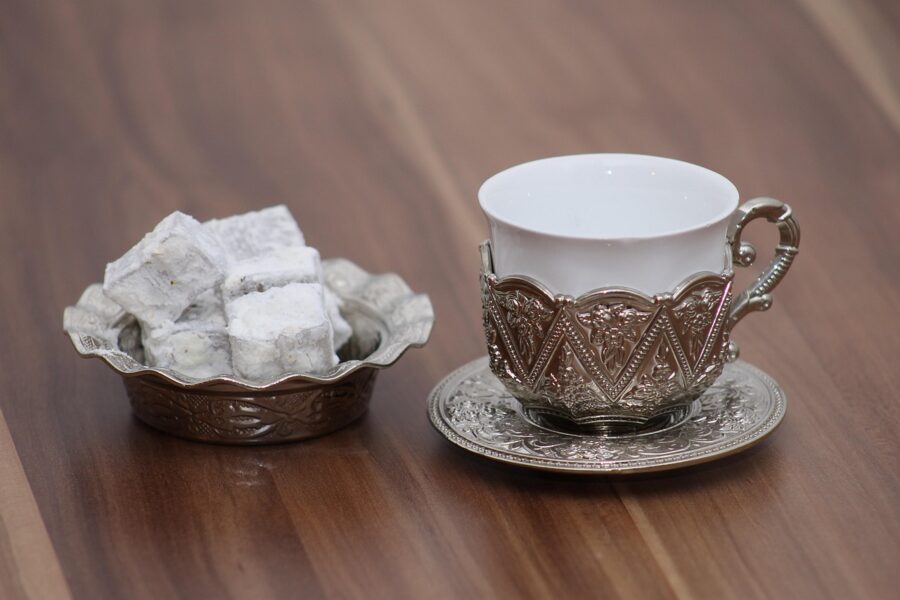
Ramadan itself has less effect on a traveler than people expect. In tourist areas, restaurants and cafes stay open through the day, though in conservative towns some lokantas close until sunset or serve only takeaway. Eating and drinking openly on the street is fine in Istanbul and on the coast, but be discreet inland. The evening meal that breaks the fast, iftar, fills restaurants at sunset, and in the small hours drummers walk the streets to wake people for the pre-dawn meal.
Detours worth it if you have time
Kaş and Olympos are detours if you are on the ten-day plan, and the first two you should add if you get a few more days: Kaş for the water and Kekova, Olympos for the Chimaera and the valley. The others below take you off the loop and onto the plateau and the east.
Konya
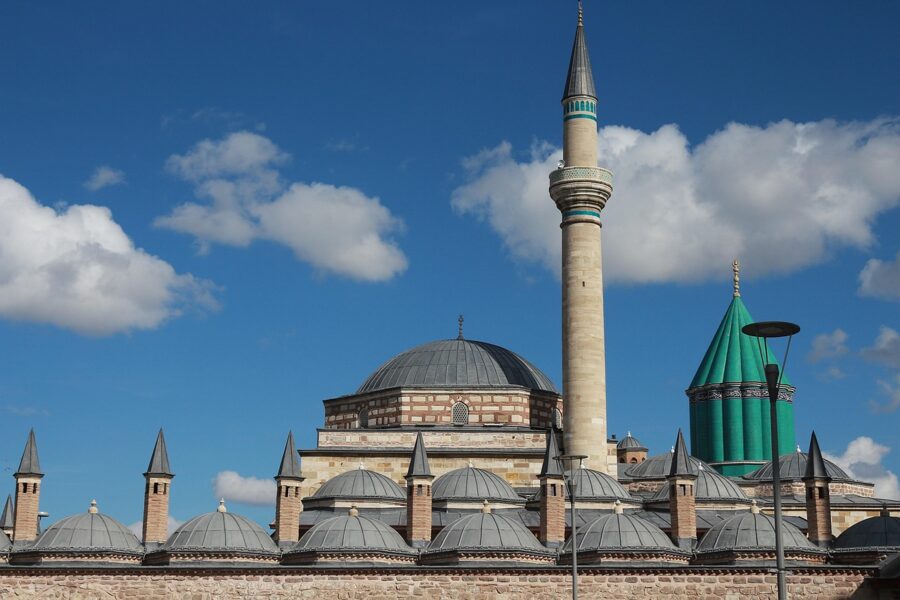
Konya fits naturally between the coast and Cappadocia: about 5 hours by bus from Antalya (950–1,000 TL in November 2026, about eighty departures a day) and 3.5 hours from Göreme (about 800 TL). The reason to stop is the Mevlana Museum, the tomb and lodge of the poet Rumi and the home of the Mevlevi dervish order, open 09:00–17:00 in November 2026. Konya is also on the high-speed YHT line, so it is the easiest point on this loop to switch to the train.
Safranbolu
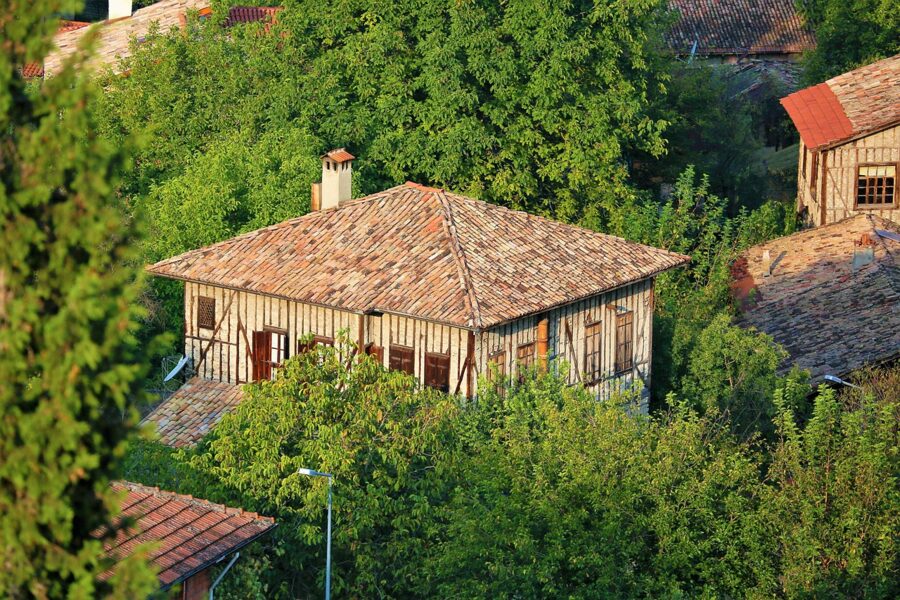
Safranbolu is a hill town of well-preserved Ottoman wooden houses, a good two-night detour on the way to or from Istanbul. Buses from Istanbul took about 6.5 hours and cost from 1,000 TL in November 2026, and the town is about 3 hours from Ankara (from 350 TL). It fits best on a route that leaves Cappadocia northward via Ankara and finishes in Istanbul.
The east: Mount Nemrut, Şanlıurfa and Göbekli Tepe
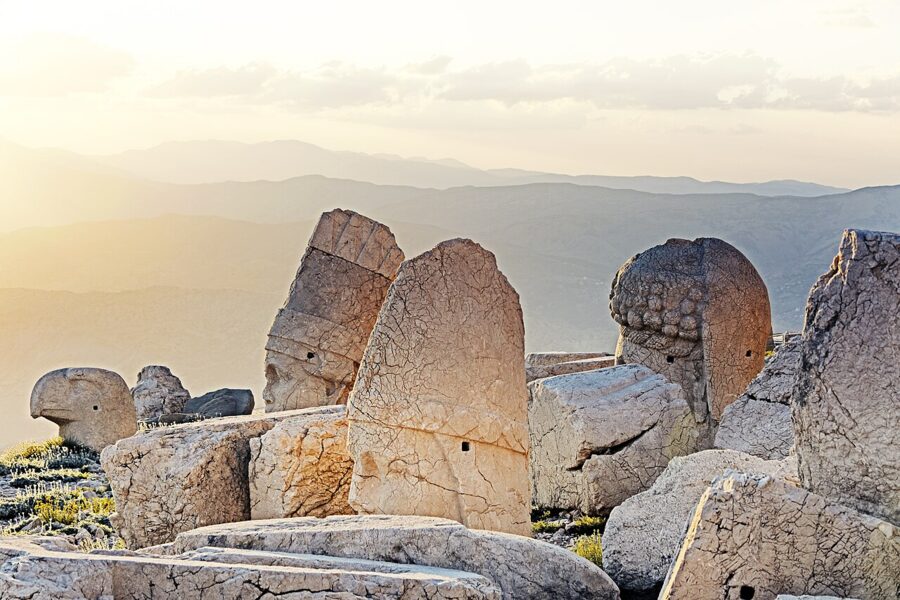

The east is a separate trip rather than a detour, but with a spare four or five days it is the most rewarding one. Mount Nemrut, near Adıyaman, is a mountaintop tomb sanctuary watched over by giant stone heads; most people visit at sunrise or sunset from Kahta or Malatya. The road to the summit closes in winter snow.
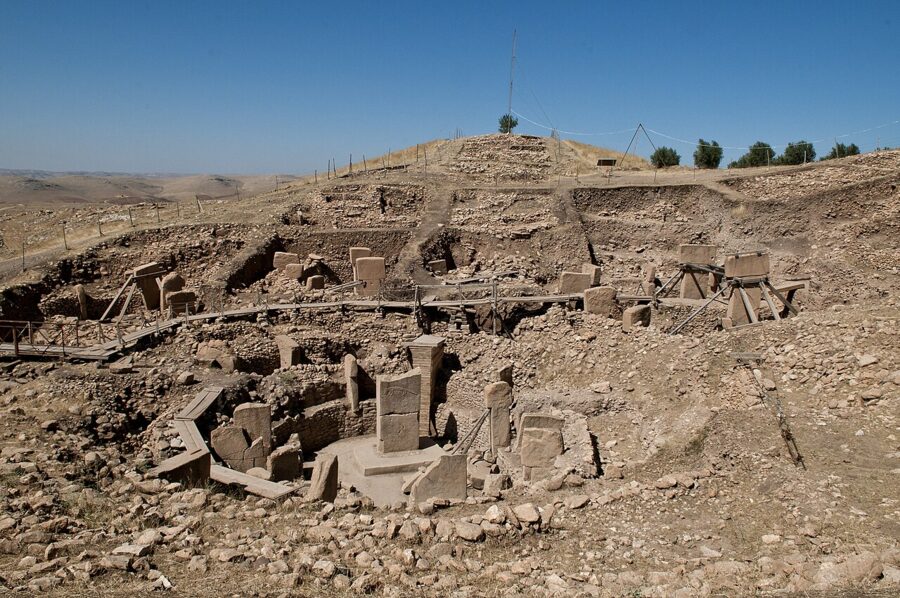

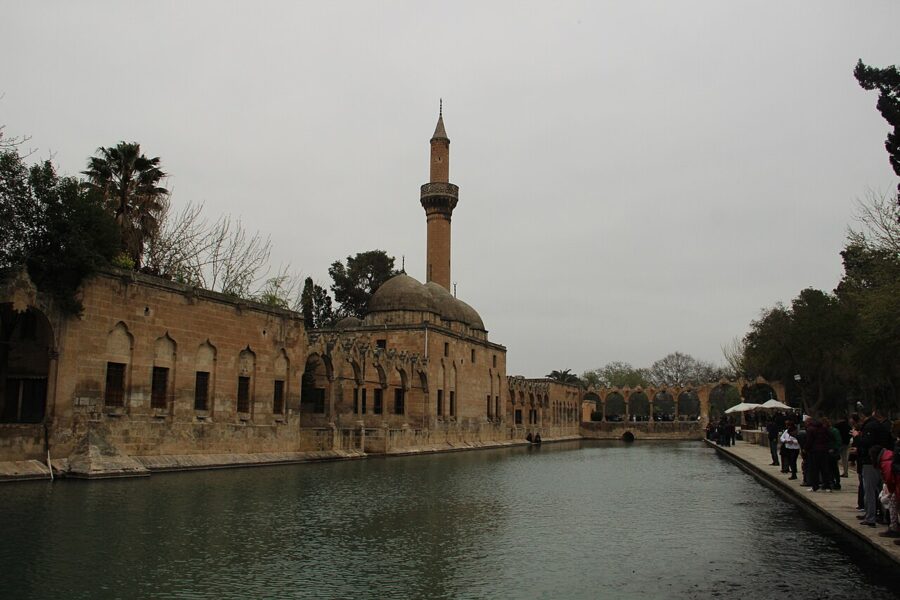
Şanlıurfa is a pilgrimage city with sacred fish pools and one of the best bazaars in Turkey, and the Şanlıurfa Museum (€10) holds a fine archaeological collection. Göbekli Tepe, the Neolithic hilltop sanctuary outside town, charged €20 in November 2026, including Karahantepe, a related site. The fastest way to reach the east is a domestic flight from Istanbul to Şanlıurfa or Malatya; by bus it is a long day from Cappadocia.
Visas, and arriving or leaving overland
Many passports need no visa for a short stay in Turkey; others need an e-Visa bought before travel. Check your nationality on the official portal, evisa.gov.tr, and buy only there, because third-party sites charge extra for the same document.
Overland, Istanbul is the hub for buses to Turkey’s western neighbors. In November 2026 buses to Sofia in Bulgaria took about 9.5 hours and cost from 1,500 TL (21 a day), and buses to Thessaloniki in Greece took about 10.5 hours from 1,400 TL (11 a day). Edirne, the border city, is about 3 hours from Istanbul and worth a night for the Selimiye Mosque before you cross. Like every mosque, it closes to visitors at prayer times.

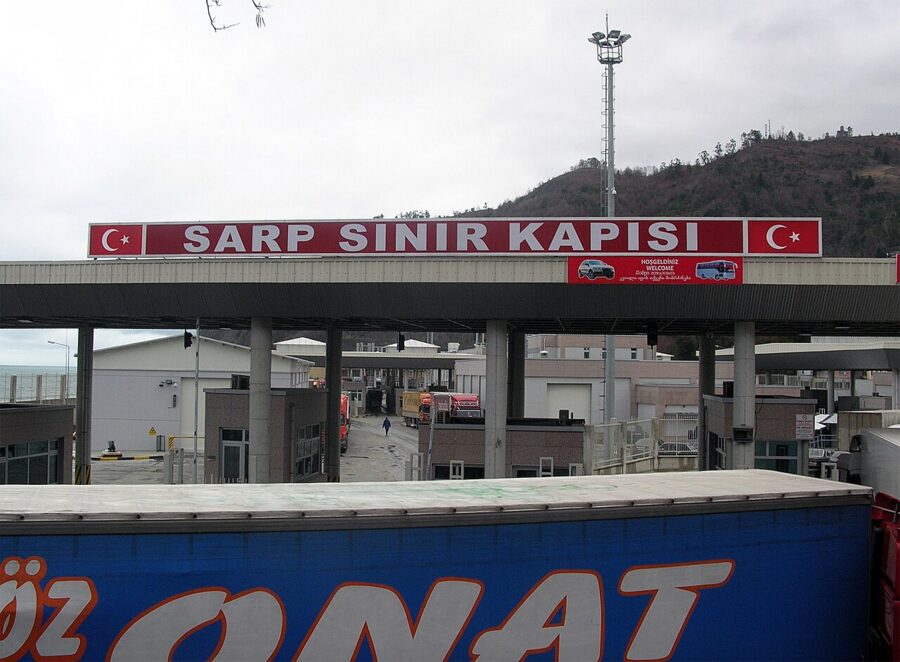
For the Caucasus, Trabzon on the Black Sea coast is the jumping-off point. Buses from Trabzon to Batumi in Georgia took about 4 hours and cost from 1,200 TL in November 2026, crossing the border at Sarp. From the Aegean coast, seasonal ferries cross from Turkish ports to the nearby Greek islands, which makes a Turkey-and-Greece trip possible without flying.

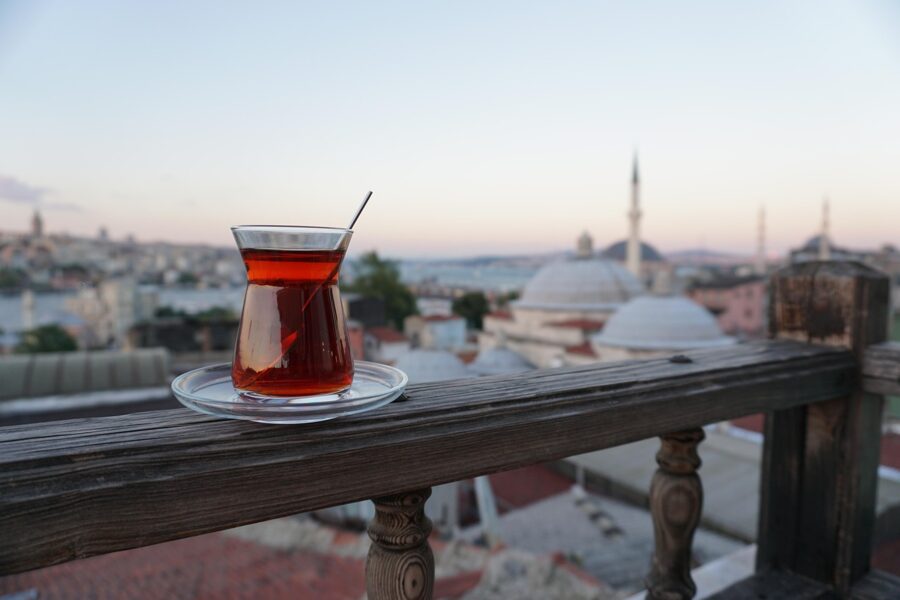
Whichever way you finish, buy your last ticket first. If the loop ends with the night bus from Göreme, get a 2+1 seat on one leaving after 20:00, which in November 2026 reached Esenler between 06:00 and 08:00 instead of at 03:00, and if the trip ends abroad, buy the Sofia or Thessaloniki seat a day ahead at the Esenler office. Then spend the last lira on a simit and a glass of tea at the platform.