Your phone will run on a Turkish SIM card for 120 days. After that the networks cut it off unless it is registered, and the registration fee for 2026 is 54,258 TL. Most of the practical surprises in Turkey are smaller than that one, but they arrive the same way: a rule nobody mentions until it bites.
What to know before the first day is out:
- Plugs: Type C and Type F, two round pins, 230 V at 50 Hz. British and American plugs need an adapter.
- Tap water: treated to the legal standard in the cities, but most people drink bottled. A 5-liter bottle cost about 36 TL in 2026.
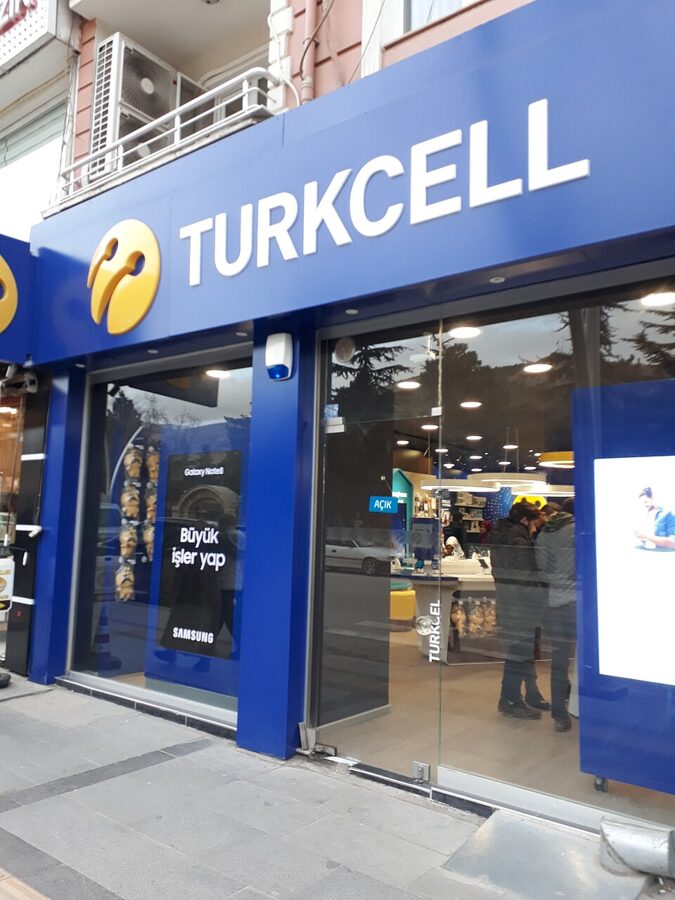
- SIM cards: buy a tourist pack with your passport in a Turkcell, Türk Telekom or Vodafone store. Turkcell listed 1,800 TL for 20 GB over 28 days in November 2026.
- Your phone: a handset from abroad gets 120 days on Turkish networks before it has to be registered.
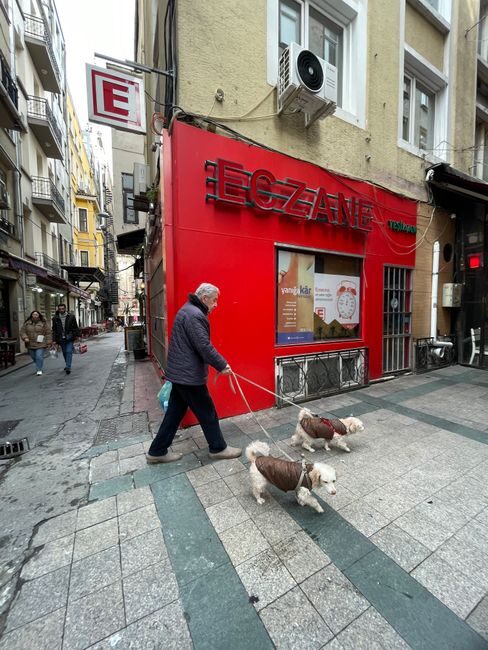
- Pharmacies: look for the red E. At night, on Sundays and on holidays, the nöbetçi eczane (duty pharmacy) is open, and every closed pharmacy posts its address.
- Emergencies: dial 112 for an ambulance or the police.
- Insurance: European health cards are not valid here. If your passport needs a visa, health insurance is a legal condition of getting one.
- Tipping: restaurants may no longer add a service or cover charge, so 5–10% in cash at a sit-down meal is yours to give.
- Guides: only licensed guides may work, and they must wear their card where you can see it.
- ID: carry your passport. Turkish law requires photo ID, and police run spot checks in busy parts of Istanbul.

Contents
- Plugs, voltage and keeping things charged
- Tap water, bottled water and street food
- Pharmacies and the night-duty rota
- Doctors, hospitals and 112
- SIM cards, eSIMs and the 120-day rule
- Tipping, now that the service charge is gone
- Toilets: coins, squat pans and the bin
- Mosques and dress, in brief
- Licensed guides and the kokart
Plugs, voltage and keeping things charged
Turkey uses the same plugs as most of continental Europe. The socket takes Type F, the round Schuko plug with earthing clips on its sides, and the slimmer two-pin Type C Europlug fits it too. Mains power is 230 V at 50 Hz.
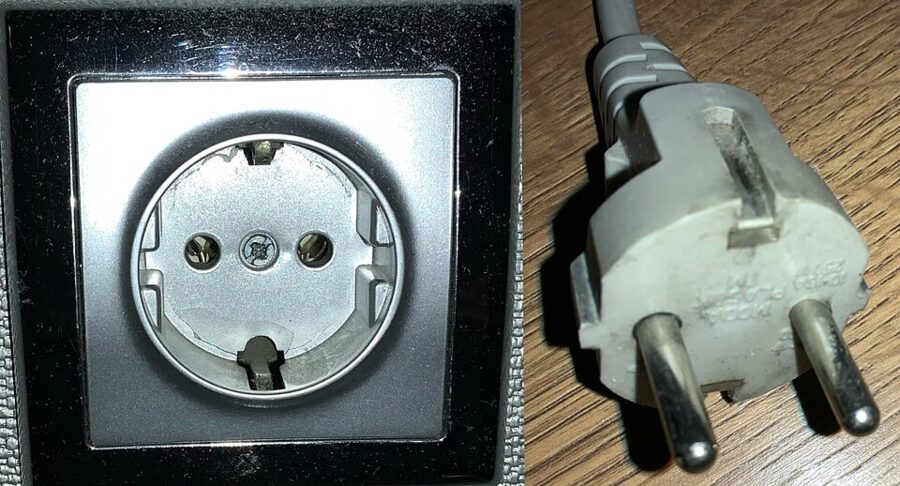

A British three-pin or an American flat-pin plug needs an adapter. Bring one, or buy one in town from a phone shop or a nalbur (hardware store). An adapter changes the shape of the plug, not the voltage.
That matters less than it used to. Phone, laptop and camera chargers are almost all rated 100–240 V, so check the small print on the brick and plug in. A hair dryer or straightener built only for 120 V will not survive a Turkish socket.
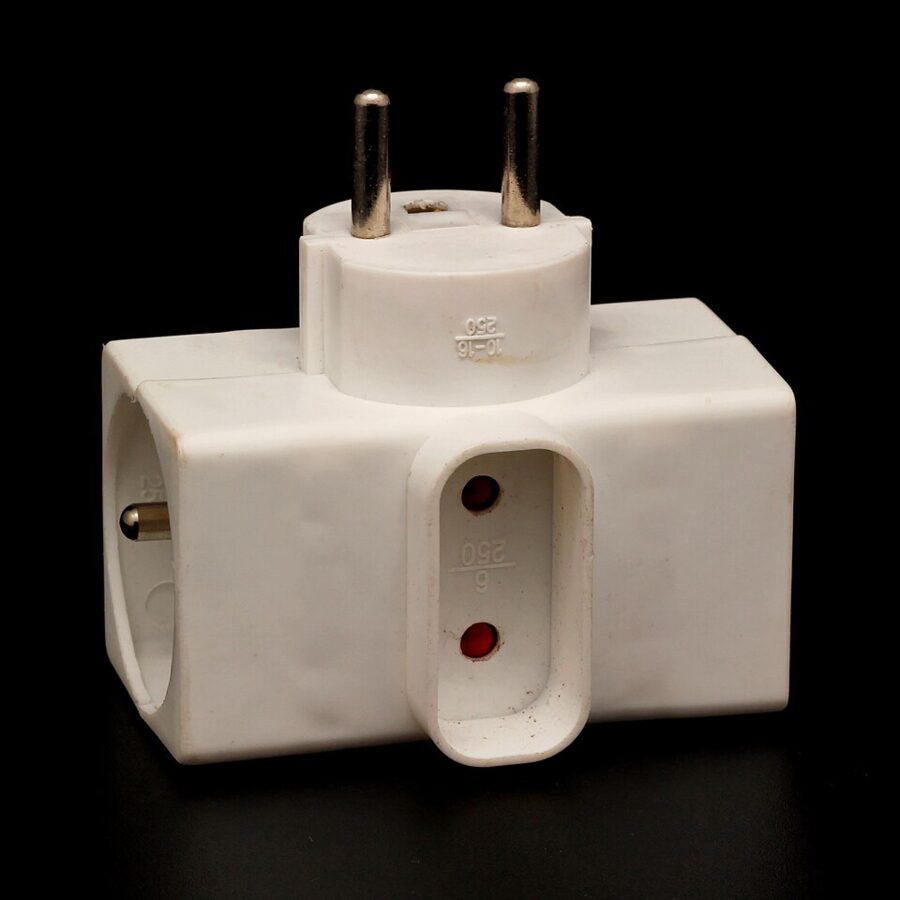

Power banks have their own rules in the air. Under an April 2026 directive from Turkey’s civil aviation authority (SHGM), a passenger may carry no more than two, they may not be charged during the flight, and using one to charge a phone on board is discouraged. Spare batteries go in the cabin bag, never the hold.
On the ground, charge everything before a night bus. Long-distance coaches have a seat-back screen on most routes, but a working socket at your seat is a bonus, not a promise, and by 03:00 your phone is your ticket, map and alarm. Booking, terminals and rest stops are covered in getting around Turkey.
Tap water, bottled water and street food
Istanbul’s water utility, İSKİ, says the water it pipes meets the legal drinking standard. In October 2026, answering claims that sewage was getting into the mains, it said it checks 3.2 million cubic meters of water a day and that the provincial health directorate takes its own samples in all 39 districts. Few people in Istanbul drink from the tap all the same.
The weak link is the last stretch: old pipes and rooftop tanks between the treatment plant and your hostel sink. Households buy bottled water or 19-liter carboys (damacana), and I would do the same. Brush your teeth from the tap, drink from the bottle, and outside the big cities ask at your guesthouse.
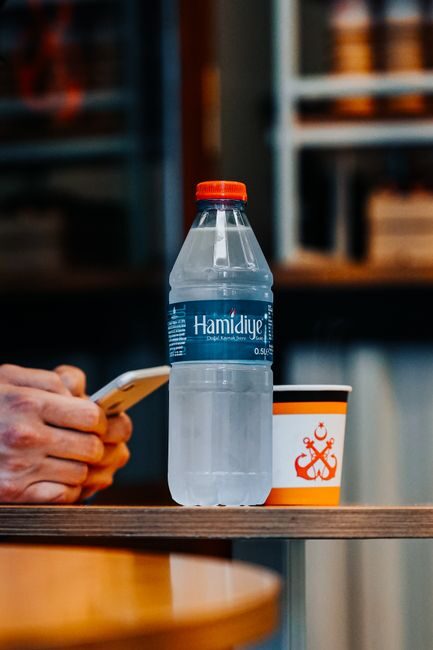
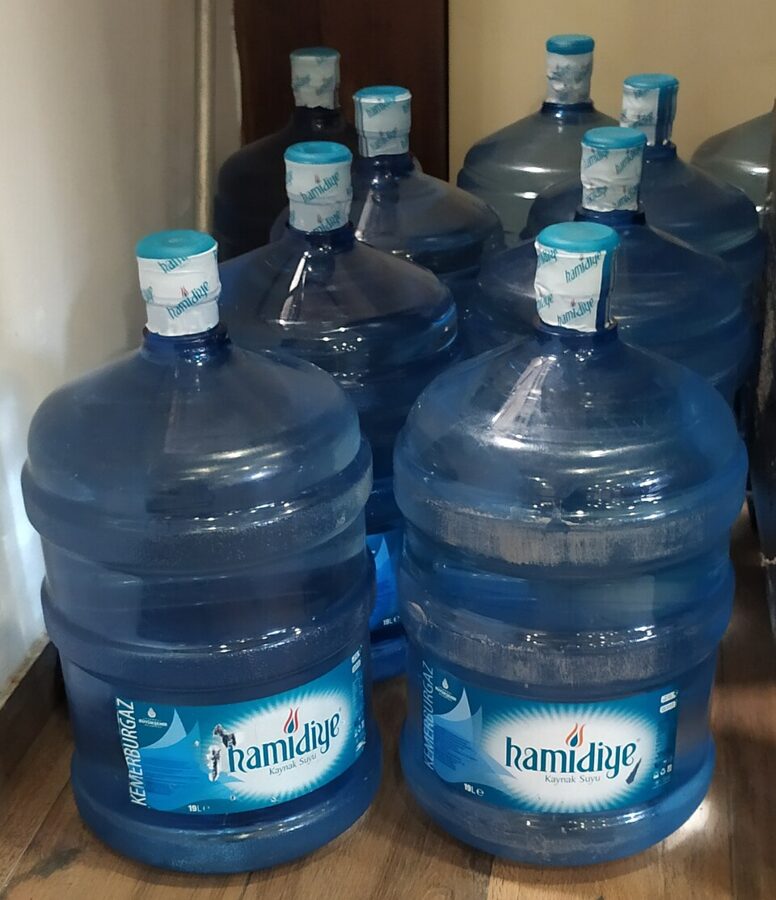

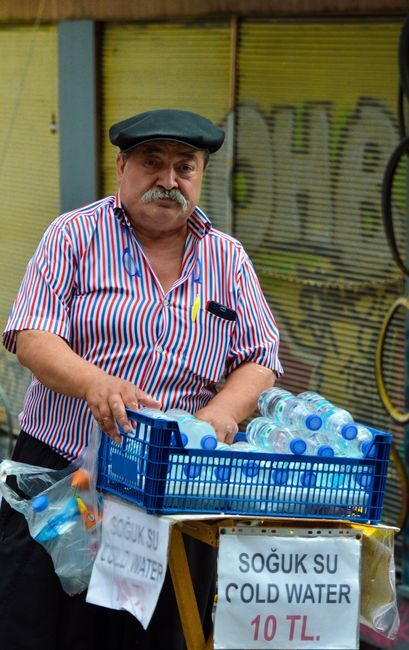
Bottled water is cheap but no longer pocket change. A 5-liter bottle went from 26 TL in February 2026 to 36 TL in April, after a jump in fuel and packaging costs, and a 19-liter damacana delivered to a flat started at about 205 TL. Buy big at a supermarket and refill a small bottle, rather than paying street prices for half-liters all day.
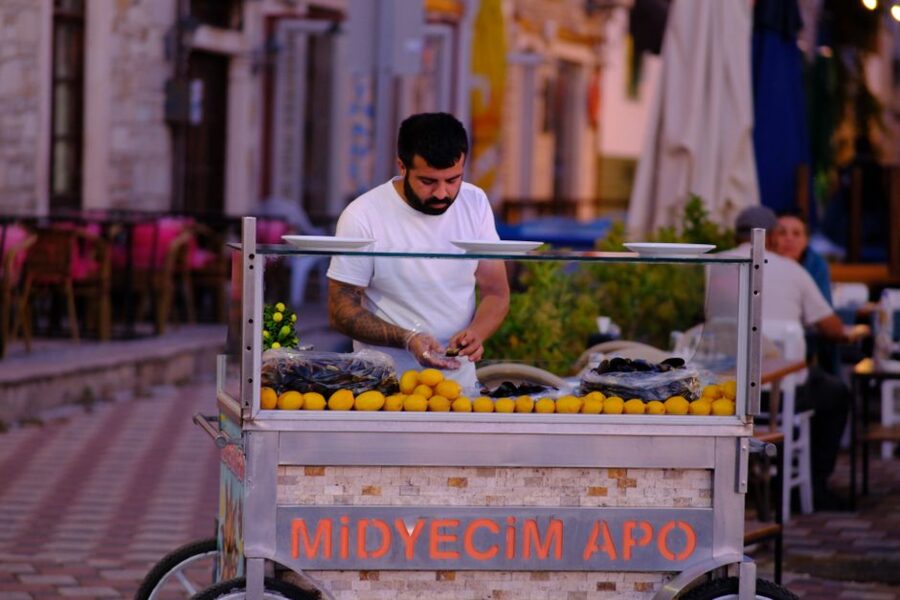
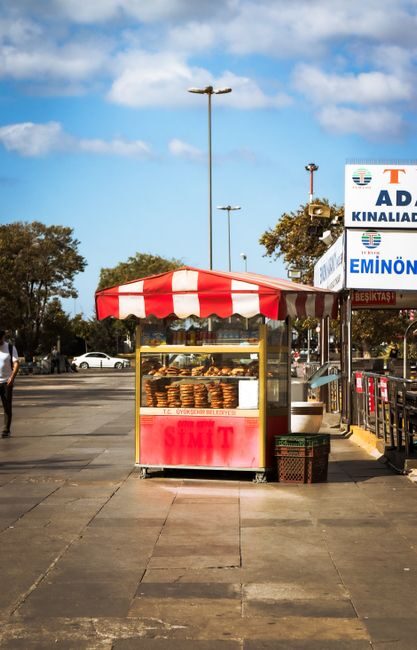
Street food is safe where it turns over fast and is cooked in front of you: a simit from a cart, a fish sandwich grilled on the quay, a lahmacun out of a wood oven. A tray of stuffed mussels (midye dolma) that has sat out on a hot August night is a different bet. Pick the stall with the queue, and go easy on raw salads for the first few days if your stomach is new to the trip.
One drink warning has nothing to do with stomachs. The UK Foreign Office reports deaths and serious illness in Turkey, Istanbul and Ankara included, from illegally made spirits and counterfeit bottles of branded alcohol, and methanol cannot be tasted or smelled. Treat cheap spirits with suspicion, stick to beer or wine in bars you don’t know, and buy bottles from a licensed shop (tekel bayi).
Pharmacies and the night-duty rota
For most small problems, the pharmacy (eczane) is the first stop, and the pharmacist is trained to advise. Pharmacies keep opening hours set by the local chamber of pharmacists. Outside them, at night, on Sundays and on public holidays, only the nöbetçi eczane on the rota stays open.
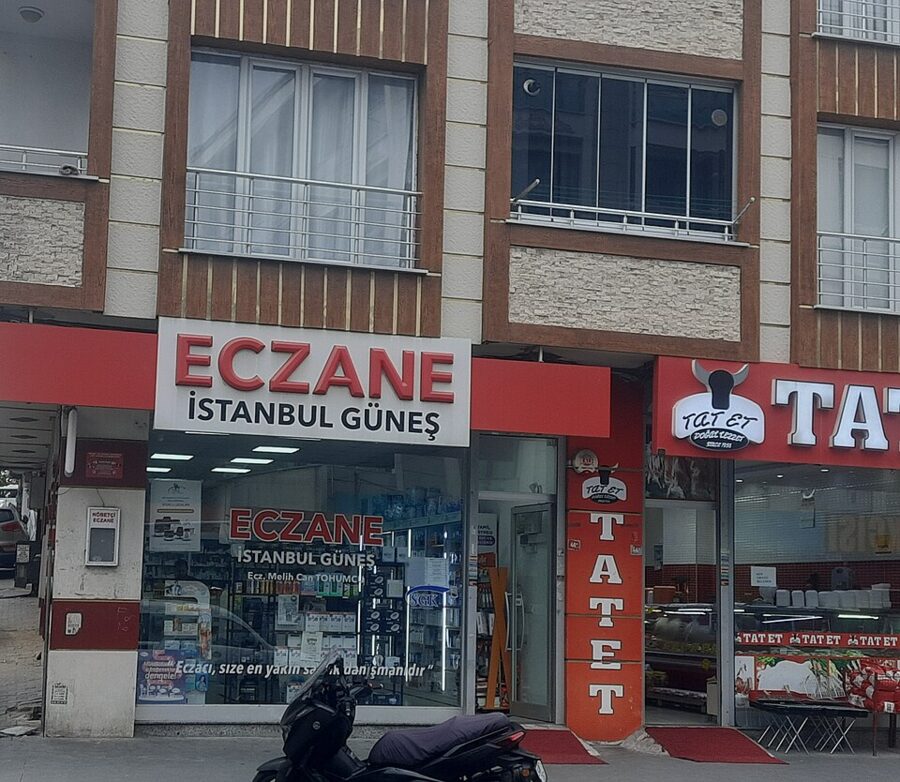
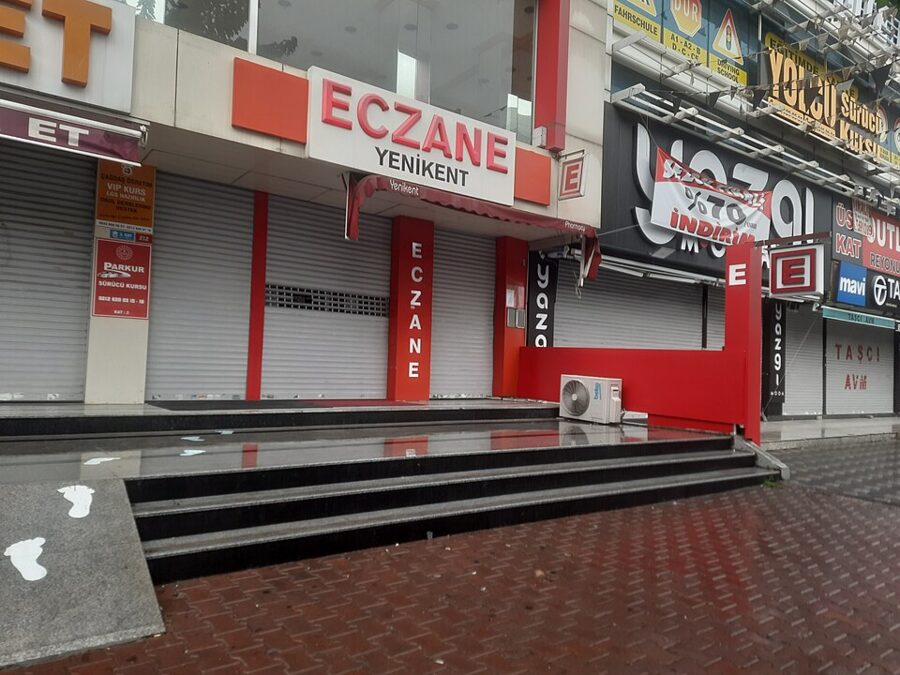
You don’t need an app to find the duty pharmacy. Turkey’s pharmacy regulation obliges every pharmacy, even a closed one, to display the name, address and phone number of the duty pharmacies where it can be read from the street, lit or on a screen. Walk to the nearest dark E and read the window.
A pharmacy on night duty may keep its door locked and serve through a bell, so ring it. The provincial health directorates also publish the rota online, and the state e-Devlet portal has a duty-pharmacy search run by the medicines agency (TİTCK).
Over the counter you can buy painkillers such as paracetamol and ibuprofen, cold and allergy remedies, rehydration salts, plasters and sun cream. Antibiotics are another matter. They have been prescription-only since 1 April 2016, and pharmacists have been fined for selling them without one.
A prescription from home will not be filled either. The UK Foreign Office says plainly that British prescriptions are not accepted, and some common medicines are controlled in Turkey, so bring enough of your regular medication for the whole trip, in its original packaging, with a copy of the prescription.
Doctors, hospitals and 112
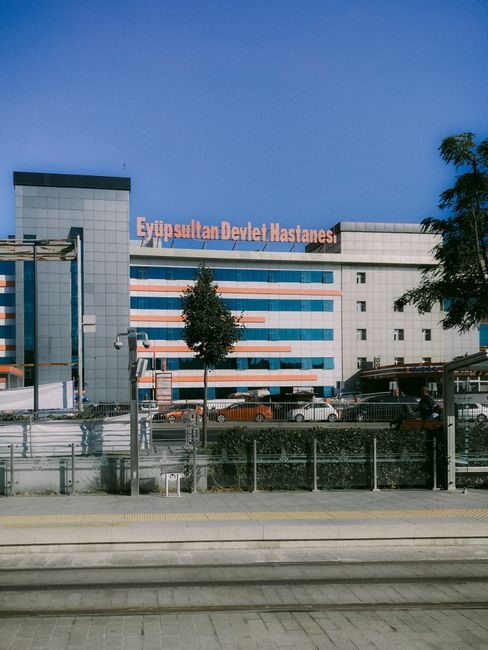
For anything a pharmacist can’t handle, Turkey has state hospitals (devlet hastanesi), university hospitals and a large private sector. State hospitals are where most local people go, and an uninsured foreigner pays for treatment there. Private hospitals in the cities run international patient desks with English-speaking staff and charge accordingly.
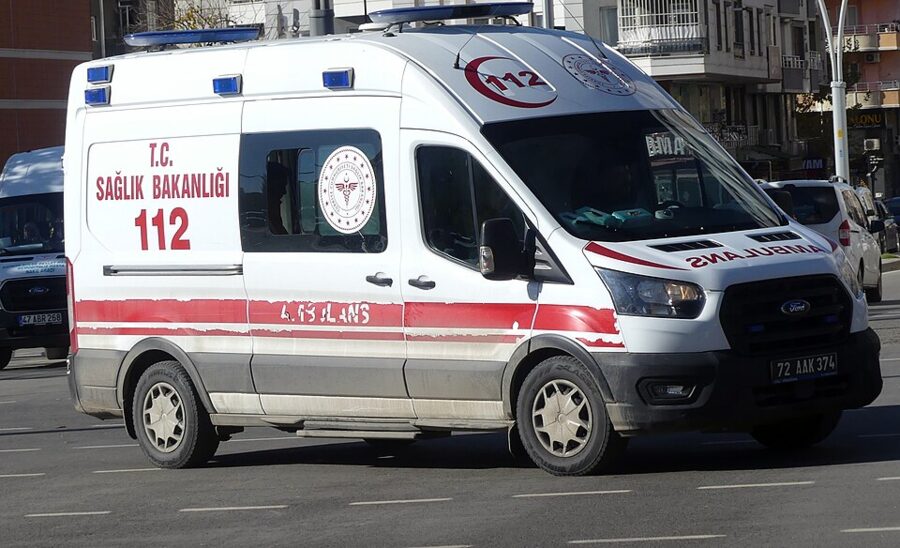
In an emergency, dial 112 and ask for an ambulance. Every hospital’s emergency department (acil) takes walk-ins. Call your insurer’s assistance line as soon as a doctor refers you to a hospital, so the insurer can deal with the bill rather than your card.

Travel insurance and the visa rule
Neither the European Health Insurance Card nor the British GHIC is valid in Turkey, so a European passport gets you no free state treatment. Buy a policy that covers medical treatment and evacuation for the whole trip.
For some travelers it is not optional. Turkey’s Law on Foreigners and International Protection lists, among those who are not to be issued a visa, anyone without health insurance valid for their stay. British, American, Canadian and most EU passports enter visa-free for short stays; if yours needs a visa or an e-Visa, check what the consulate or the official e-Visa portal asks for, and keep the policy on your phone at the border.
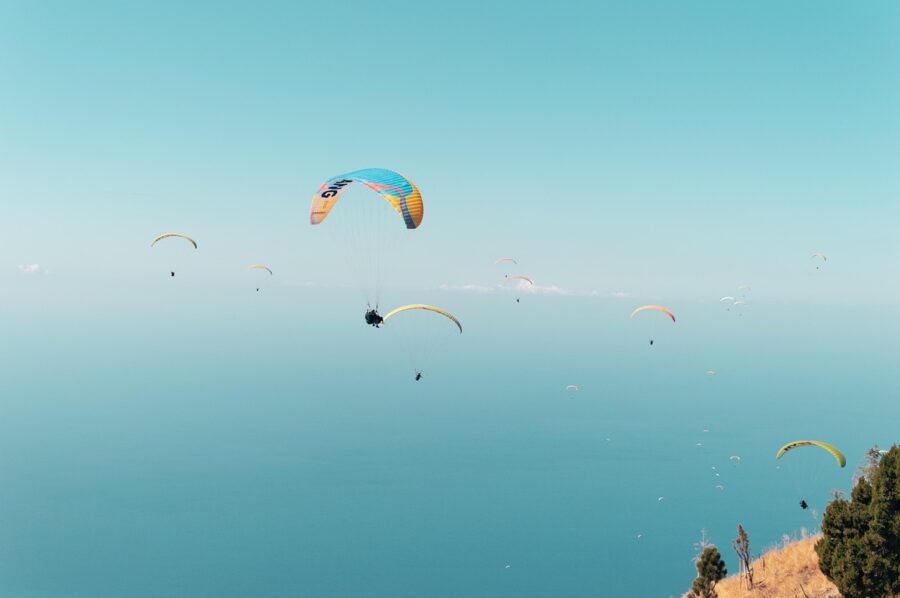
Read the exclusions too. Many policies drop cover for riding a scooter without a license or for adventure sports, which in Turkey means paragliding over Ölüdeniz, rafting and skiing. If your outdoor adventures in Turkey include any of them, pay for the add-on.
SIM cards, eSIMs and the 120-day rule
The three networks are Turkcell, Türk Telekom and Vodafone, and each sells a prepaid tourist pack registered to your passport. These were the packs and listed prices in November 2026:
| Network | Tourist pack | What you get | Listed price |
|---|---|---|---|
| Turkcell | Tourist Welcome Pack | 20 GB, 200 minutes, 100 SMS, 28 days | 1,800 TL |
| Türk Telekom | Tourist Welcome 25 GB | 25 GB, 750 minutes, 750 SMS, 28 days | 420 TL |
| Türk Telekom | Tourist Welcome 50 GB | 50 GB, 1,500 minutes, 1,000 SMS, 28 days | 550 TL |
| Türk Telekom | Tourist Welcome 10 GB | 10 GB, 250 minutes, 250 SMS, 7 days | 320 TL |
| Vodafone | Welcome to Turkey Pack | 20 GB, 750 minutes, 28 days | Quoted in store |
The listed price is not always what you pay at the counter. Türk Telekom’s figures are for the package itself, a new line can carry a SIM fee and a radio license charge on top, and Vodafone says its SIM card fee varies from shop to shop. Ask for the total before the clerk activates the line, and if the airport quote looks steep, the same networks have stores in every city center.
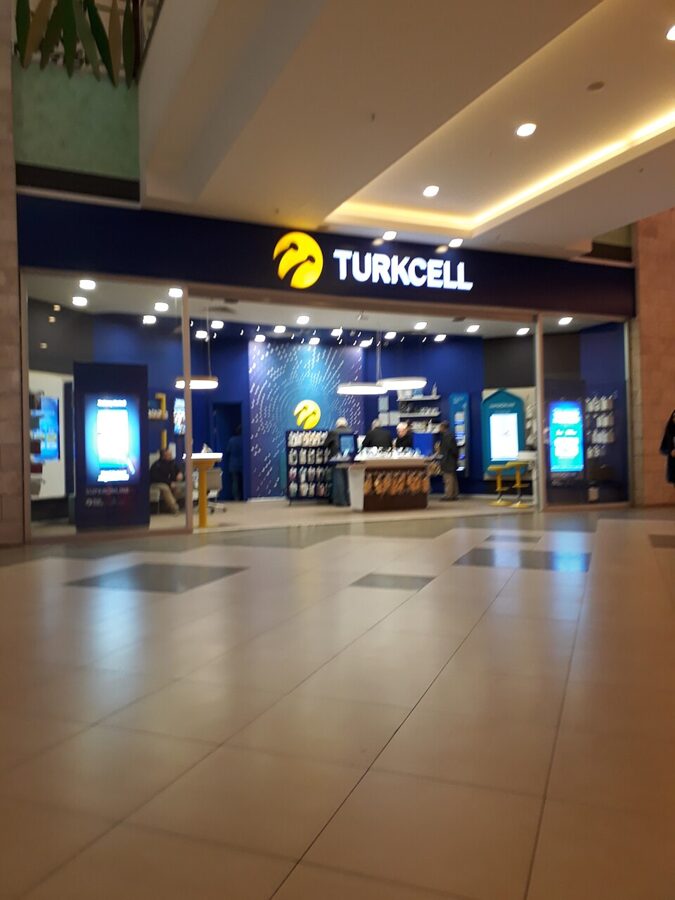

Turkcell also sells its pack as an eSIM. You apply online before you fly, then activate it in the Turkcell app by scanning your passport’s chip with the phone and confirming your identity on a short live video call; a physical SIM still needs a store visit with the passport. Travel eSIMs bought at home work by roaming on the Turkish networks, but the UK Foreign Office notes that some eSIM services are restricted in Turkey, so test yours on the first day rather than on the first night bus.
The 120-day phone rule and the 2026 fee
Turkey tracks every handset by its IMEI number. A phone brought in from abroad can be used on Turkish networks for up to 120 days from its first use there without being registered, and Vodafone’s own guidance counts roaming toward that limit as well as a Turkish SIM. After that, an unregistered phone is shut off the networks and works on Wi-Fi only.
Registering means paying a fee, revalued every January and set at 54,258 TL for 2026, and recording the phone against your passport and entry date. The fee is paid at a tax office or a bank, and the e-Devlet portal handles the registration. For a two-week trip none of this matters; for a four-month working holiday or a winter on the coast, it decides whether you bring your own phone or buy a cheap one locally.
Tipping, now that the service charge is gone
Since 30 January 2026, a change to Turkey’s price-labelling regulation has barred restaurants, cafés and patisseries from charging a service charge, table charge or cover (kuver) on top of the menu prices. If a line like that appears on the bill, point at it and ask for it to come off.
That leaves tipping to you. At a sit-down restaurant with table service, 5–10% in cash, left on the table or handed to the waiter, is normal. At a lokanta counter or a kebab shop, leaving the coins from your change is plenty, and taxi drivers expect the fare rounded up rather than a percentage.
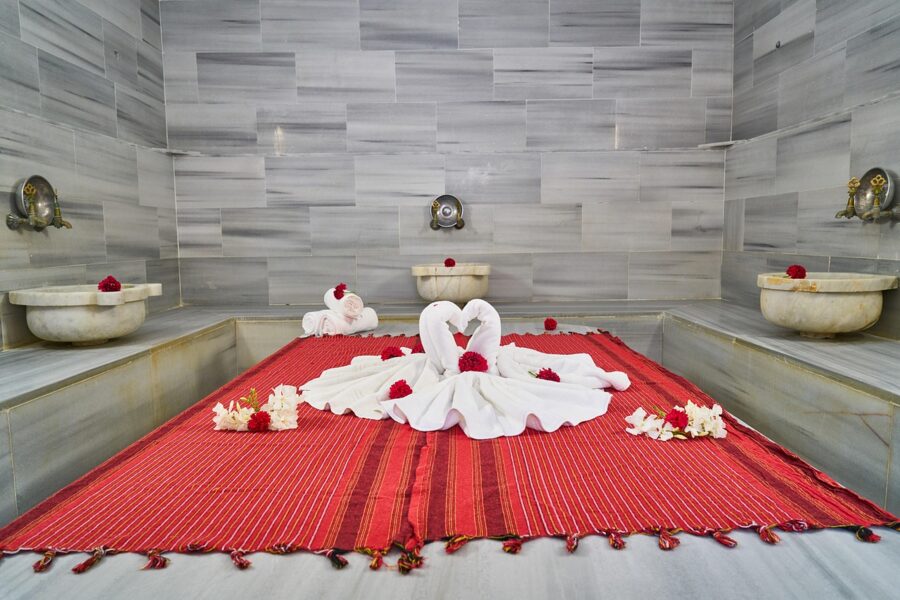
Hammam attendants who scrub you expect a tip on top of the price, and so do guides and drivers at the end of a day tour. Hotel porters get a few coins.
Toilets: coins, squat pans and the bin
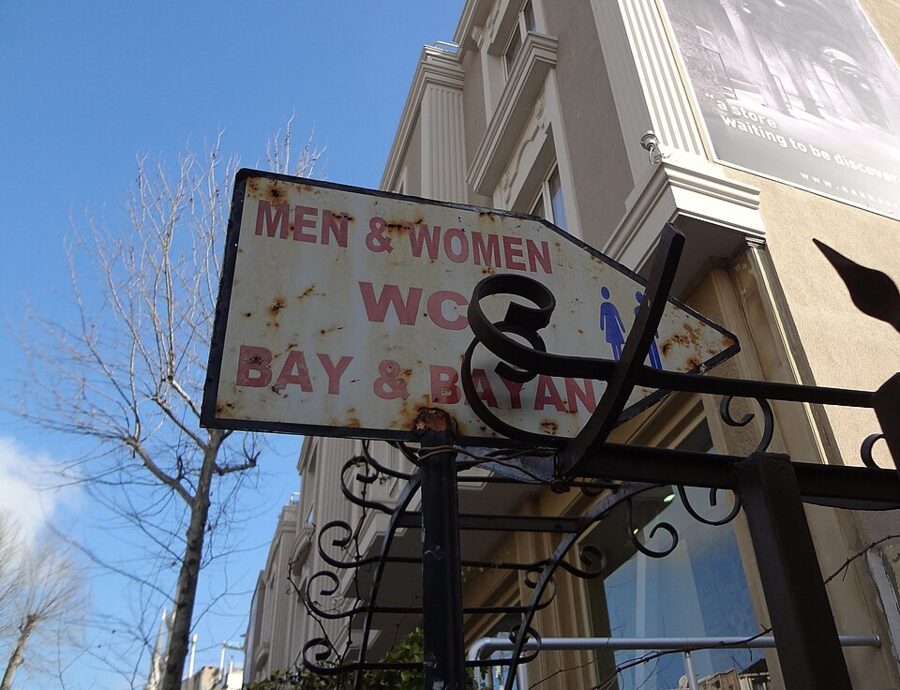
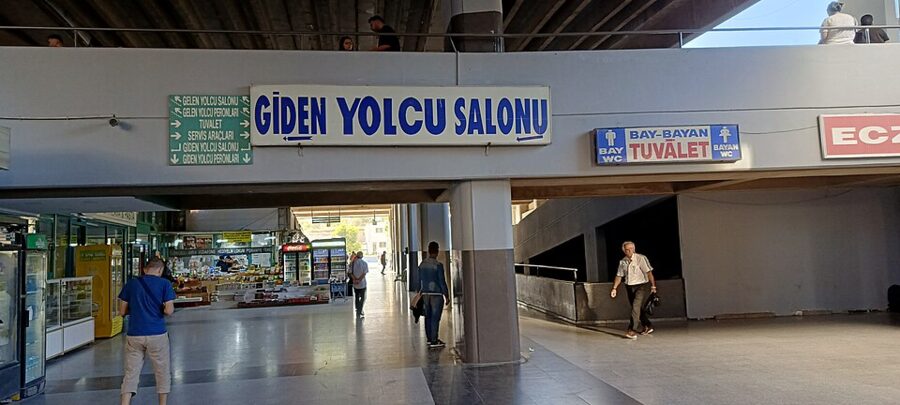
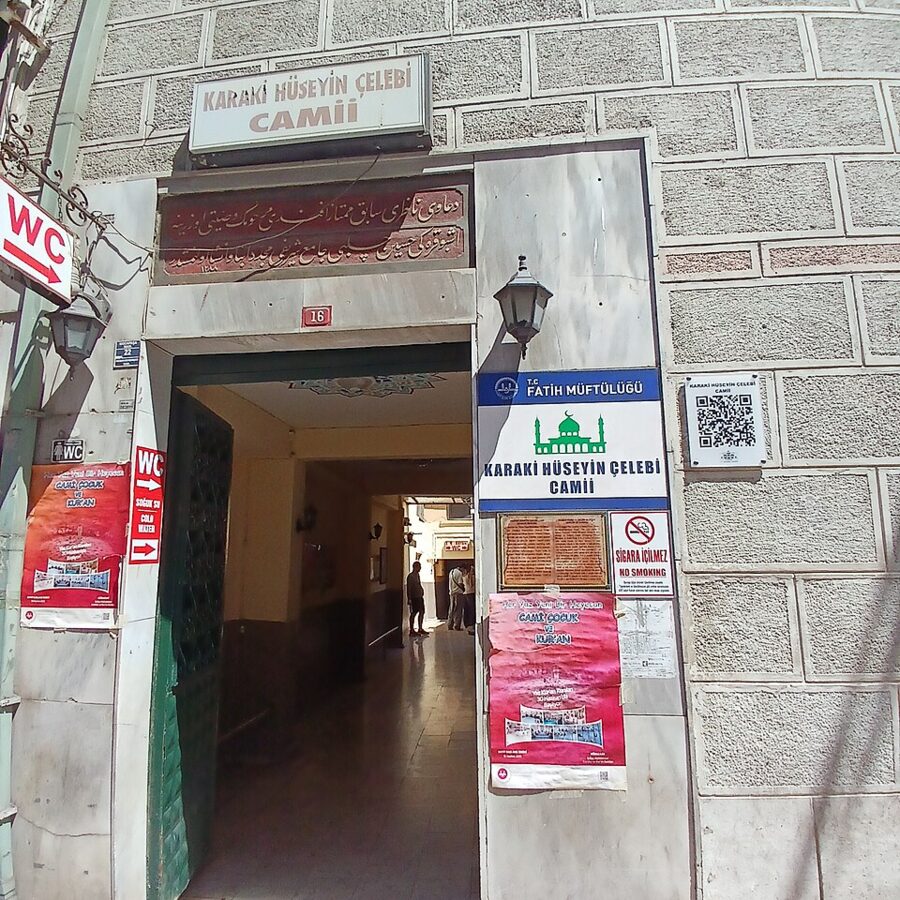
Signs say WC or Tuvalet, with Bay for men and Bayan for women. Public toilets in parks, bus terminals, piers and beside mosques usually charge a small fee, paid to an attendant at the door, so keep coins and small notes. Toilets in shopping malls, and in cafés where you are a customer, are free.
You will meet two kinds of pan. The alaturka is a squat toilet, still common at rest stops, in older mosques and outside the big cities; the alafranga is the seated kind. Both usually come with a small tap or nozzle for washing (taharet musluğu), and many have no paper, so carry tissues.

Then the bin rule. Where a small lidded bin sits beside the toilet, or a sign asks you not to flush paper, put the paper in the bin: older buildings have narrow pipes, and a blocked toilet in a hostel is nobody’s favorite conversation. In newer hotels and malls, flush it.
Mosques and dress, in brief
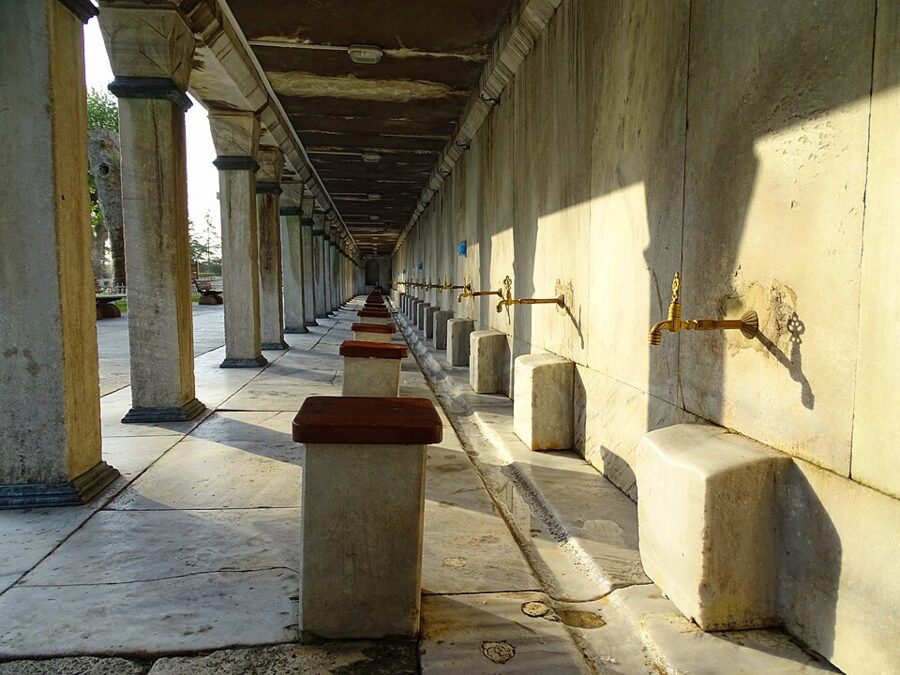
Working mosques are open to everyone outside prayer times. Cover shoulders and knees, women cover their hair, shoes come off at the door, and you keep your voice down and stay out of the line of anyone praying. Mosques close to sightseers around each of the five daily prayers, and for longer at Friday noon prayer.
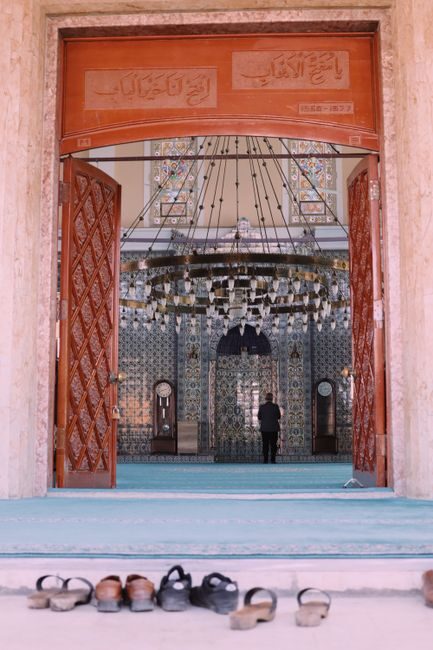
The Istanbul travel guide has the details for the big mosques, the daily prayer times, and the scams and money tricks that run around the old city. Elsewhere, the east and the small towns are more conservative than the coast, and longer sleeves and trousers draw less attention there.
Ramadan is expected to begin in February 2027. Restaurants in the cities stay open by day, but eating, drinking and smoking in the street during fasting hours is best avoided in conservative areas.

Licensed guides and the kokart
Under Turkey’s tourist guiding law of 2012, guiding is reserved for licensed guides. A licensed guide holds a Ministry of Culture and Tourism license plus a working card renewed every year through a guides’ chamber, and the law requires the card to be worn where you can see it: this is the badge everyone calls the kokart. The card lists the languages the guide may work in, and a regional guide may work only in that region.
Checking takes a minute. The Union of Tourist Guides (TUREB) publishes the name of every licensed guide in an online database you can search by name, language and region. If there is no card, or the name on it is not in the database, walk on. Since a 2024 amendment, guiding without a license carries a fine of 25,000–100,000 TL.
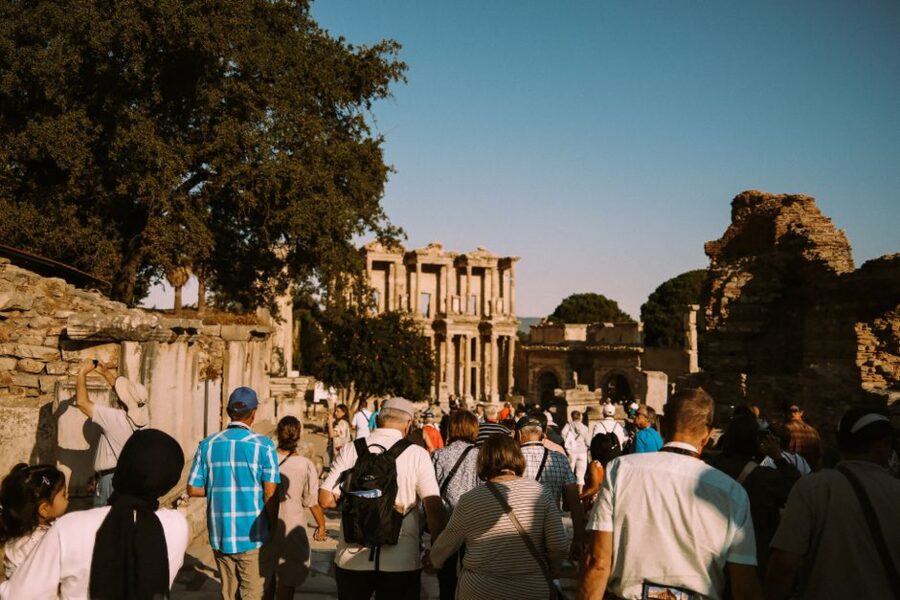
Is a guide worth it? At big ruins with thin signage, yes, if you want the stones to mean something. Ephesus is the obvious case, and guides wait at the gate: check the card before you agree a price. At Gallipoli, where the cemeteries and memorials are spread across a peninsula with no bus between them, a tour with a licensed guide is the practical way to go, and the Turkey itinerary shows where that day fits.
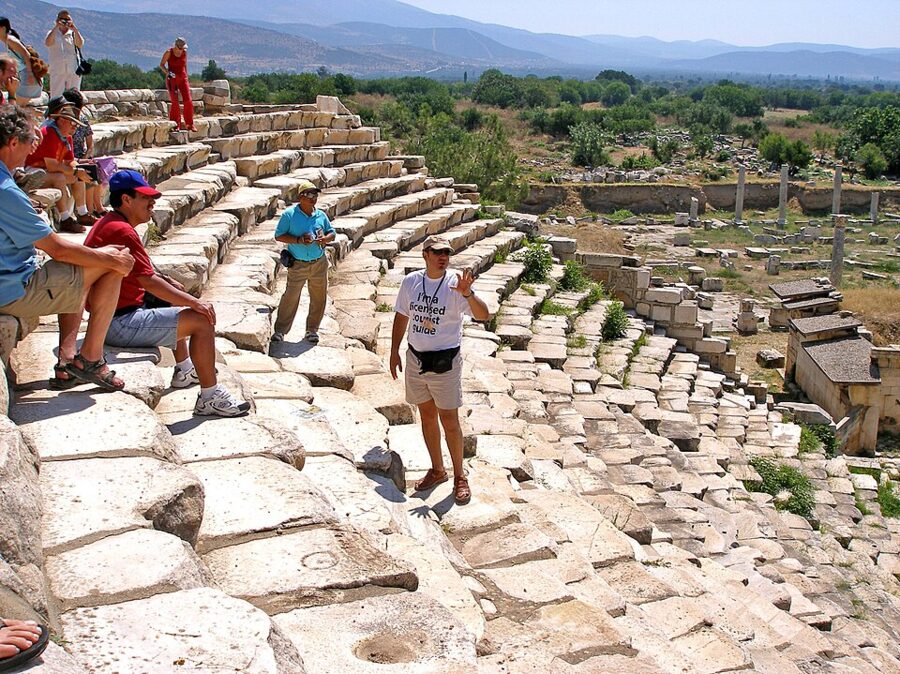

Before you pay anyone, agree on the price, the hours, the language and the route, and ask outright whether the day ends at a carpet or jewelry shop. Whoever you hire, you can always say no to the shop.
Put the passport in your day bag and the SIM in your phone; on almost any trip, the 120-day clock will outlast you. On the first evening, read the duty notice in the nearest dark pharmacy window, then go and find the ferry.