Most hostel losses start with a phone charging by the dorm door or a locker with nothing on its hasp. A padlock that costs less than a dorm breakfast fixes most of that, and the ten rules below cover the rest.
- Book on recent reviews, not the score. Read the last three months and search them for “locker”, “stolen”, “bedbugs” and “staff”.
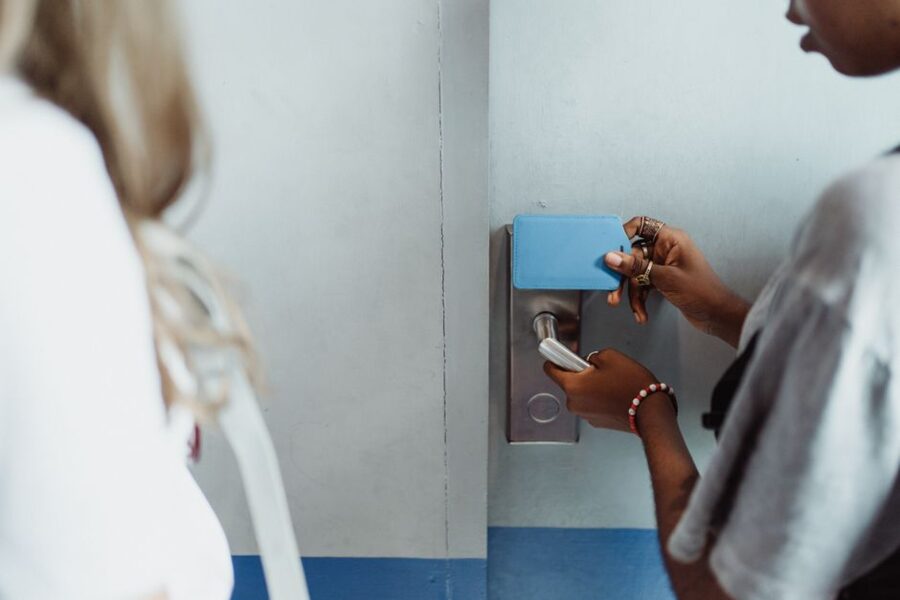
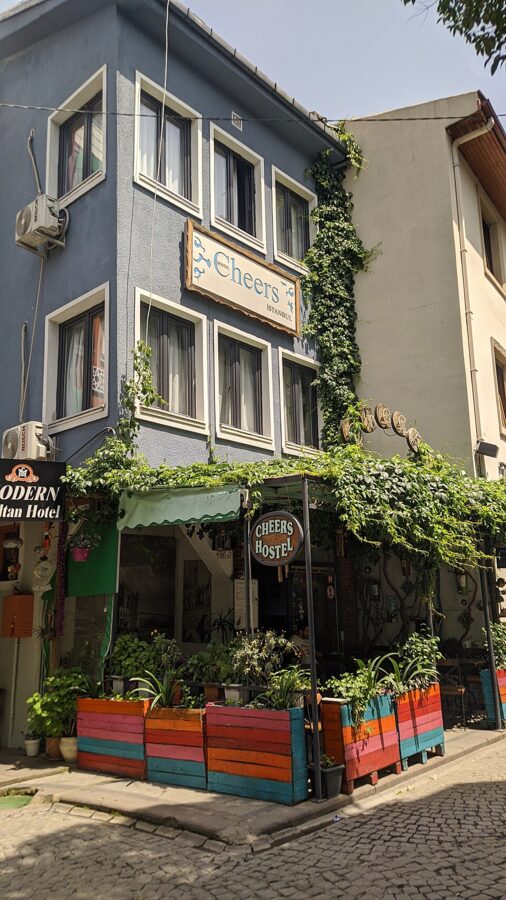
- Look for a locker at every bed and a key card on the dorm door in the photos before you pay.
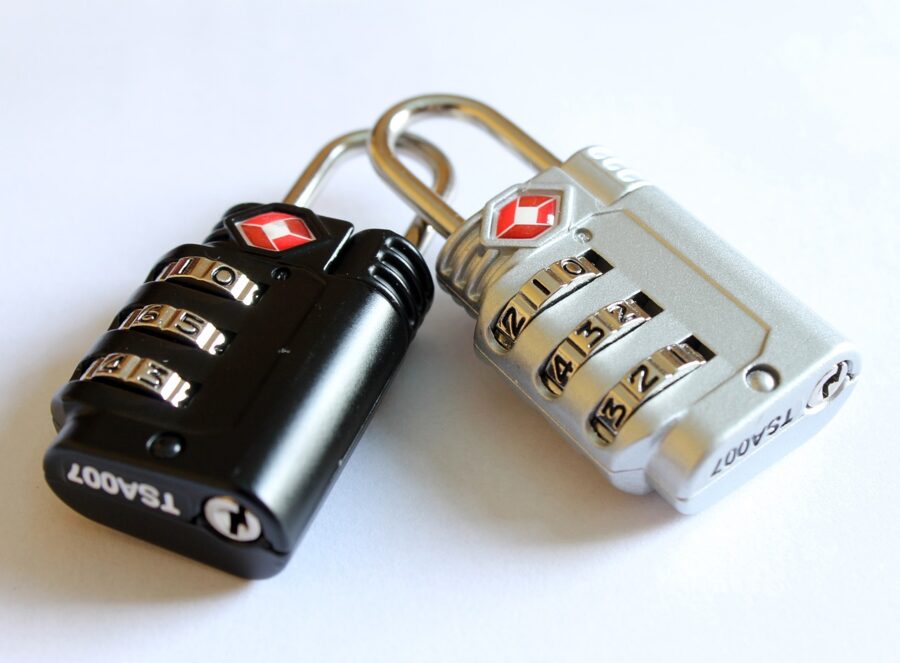
- Bring your own padlock: a combination lock with a slim shackle fits almost every hostel locker.
- Valuables are on you or locked away. Never in the backpack on your bed, never “just for the shower”.
- Charge your phone at your own bunk. A 2 m cable means the phone sleeps beside you, not by a socket across the room.
- Split your money. One card and a day’s cash go out with you; the second card stays in the locker.
- The hostel copies your passport; it does not keep it. Ask for it back at check-in.
- Find both fire exits on the first evening, before the first drink.
- Check the mattress seams before you unpack, and keep your bag off the bed.
- Know your three moves if it goes wrong: freeze the card in your banking app, tell reception, call 112.
Hostels are, for most people on most nights, safe places to sleep. Nobody publishes theft rates for them, so distrust any figure you see quoted. What gets taken is mostly what was easy to take: a phone charging in the common room, a laptop left on a bunk, a bag left open in the storage room on checkout day.

Contents
Choosing a safe hostel before you book
Safety is mostly decided before you arrive. A hostel with lockers, card locks and someone at the desk all night has done half your work for you; one without them leaves it all to you.
What to look for in reviews
The score averages years of opinions about breakfast and Wi-Fi. The recent written reviews count, the low ones most of all: “noisy” from a guest who expected a hotel tells you nothing, while “my locker was broken” or “anyone can walk in from the street” tells you everything. Platforms score differently, as the guide to comparing hostel booking platforms explains.
One mention of bedbugs two years ago, answered by the manager, is a hostel that dealt with it. Three mentions this season is a pattern.
What the photos and the listing show
Photos flatter, but they cannot fake hardware. Look for these:
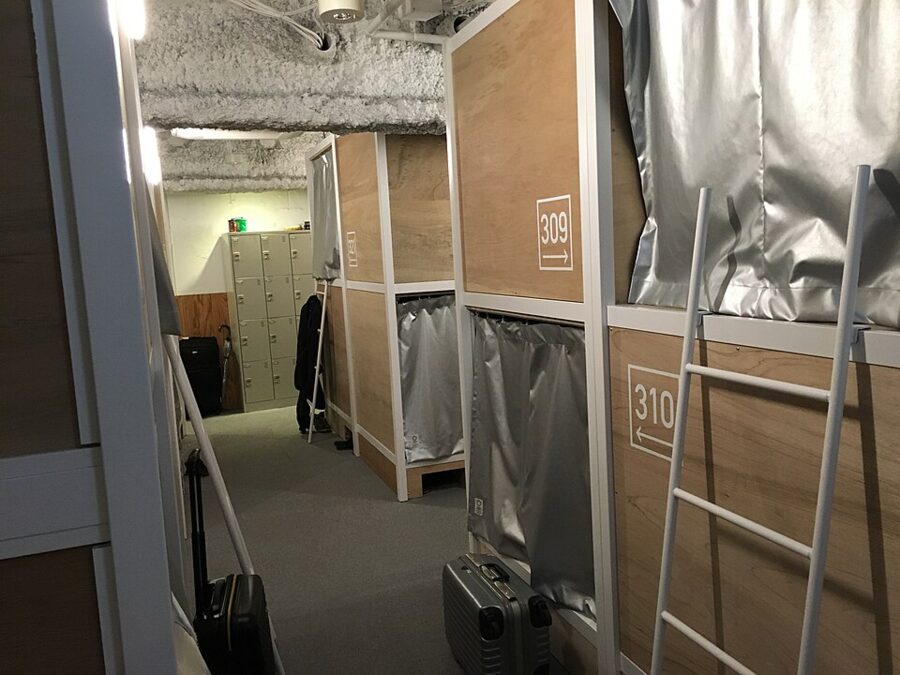
- A locker per bed, inside the dorm, big enough for a daypack and a laptop. Lockers only at reception are a nuisance you stop using by day two.
- Card or code locks on the front door and on each dorm.
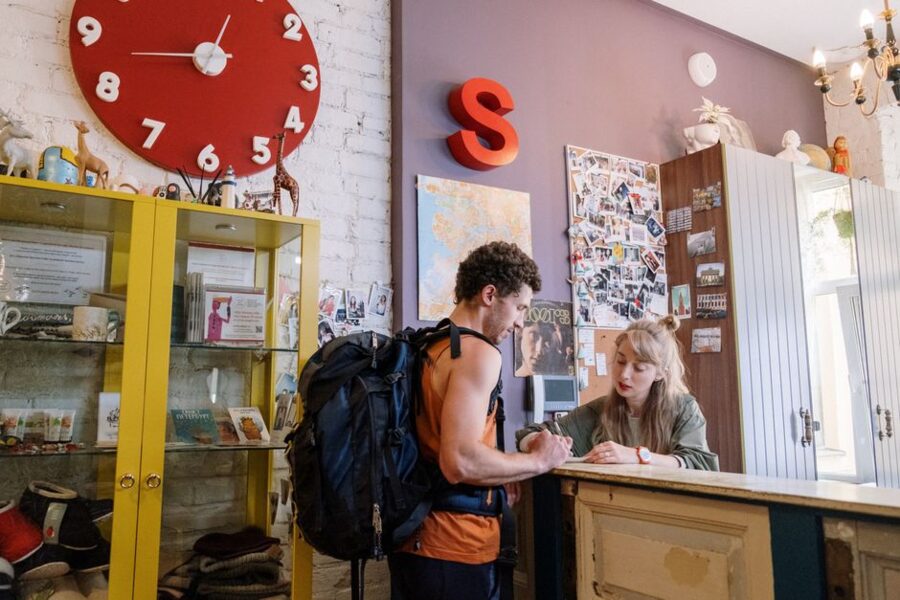
- 24-hour reception, or at least a night number that someone answers.
- CCTV in the entrance, corridors and common areas, and never in dorms or bathrooms.
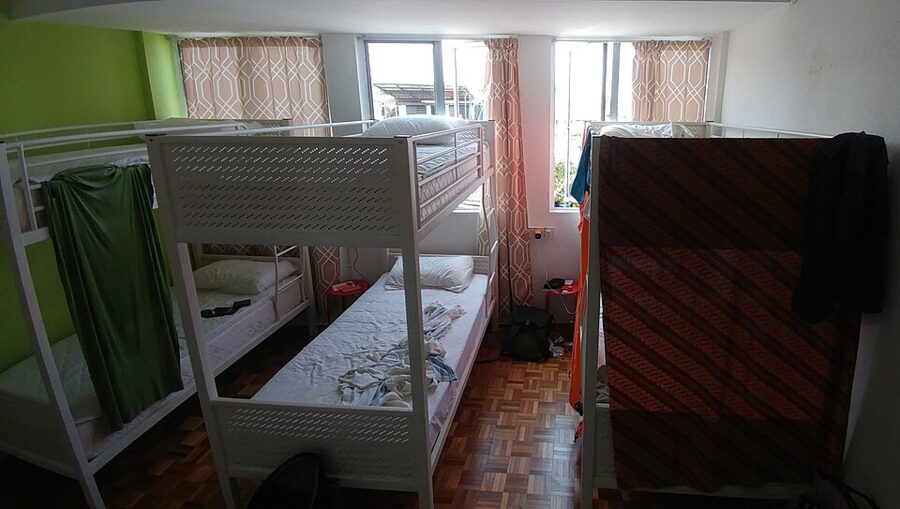
- A curtain and a socket at each bunk. The socket matters more than it sounds.

The listing’s small print says whether lockers come with a lock and what deposit the key card costs.
Location and the late arrival
A cheap bed 25 minutes’ walk from the last metro is not cheap at midnight. Drop the hostel’s pin into Street View before you book and you will see in thirty seconds whether the walk from the stop runs past shuttered warehouses. Arriving late, message your arrival time and screenshot the door code, so a dead battery does not leave you outside.
Female-only and small dorms
Many city hostels in Europe offer female-only dorms, usually for a euro or two more, including many of the best hostels in Europe for solo travelers. Smaller dorms are the other lever: in a four- or six-bed room fewer people come and go at 04:00, and you notice when someone does not belong.

Your things: lockers, padlocks and what to carry
The padlock
Many hostels fit lockers but not locks, and the desk charges more for a padlock than a hardware shop. Bring a small one from home, with a slim or medium shackle: the hasps on hostel lockers are often narrow, and a chunky shed padlock will not go through. A TSA-approved luggage lock works on a locker, but airport security can open it with a master key.
A thin cable lock is the backup where lockers are too small: loop it through the backpack’s zips and around the bed frame. It will not stop cutters, but it stops the casual grab, which is the theft that actually happens.
What lives in the locker and what goes out with you
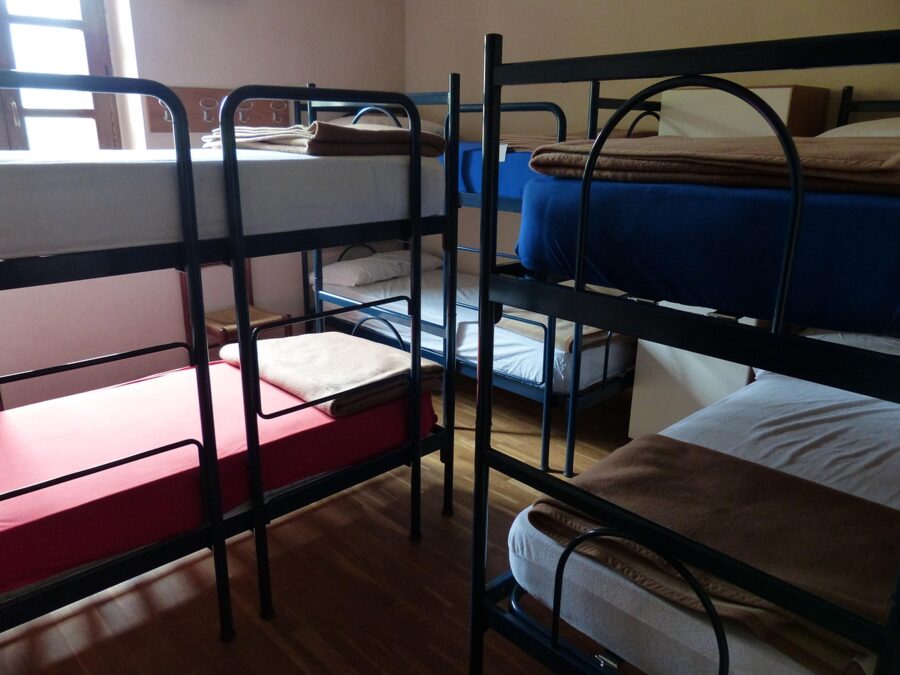
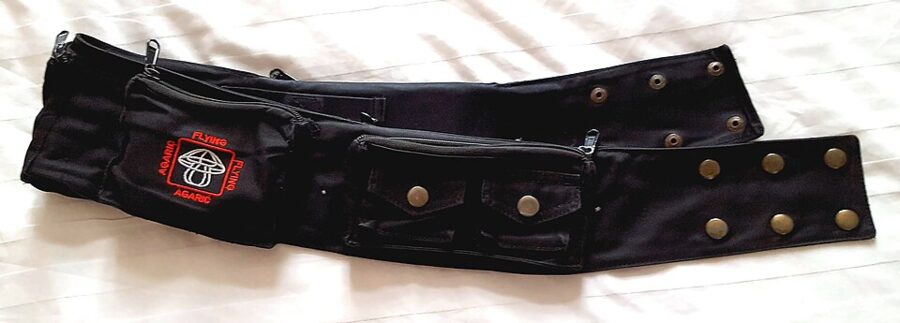
In the locker: the passport if you do not need it, the laptop, the second card, spare cash. In a zipped inner pocket: one card, the day’s cash, your phone and a photo ID.
Turkish law requires you to carry photo ID, and police run spot checks in busy parts of Istanbul, so there the passport goes out with you. Turkey’s 1973 Identity Notification Law also makes every place that sleeps paying guests register them with the police, which is why the desk scans your passport at check-in; it has no reason to keep it.
Keep a photo of the passport’s data page in your email either way. It turns a lost passport from a disaster into a long afternoon.

The charger trick
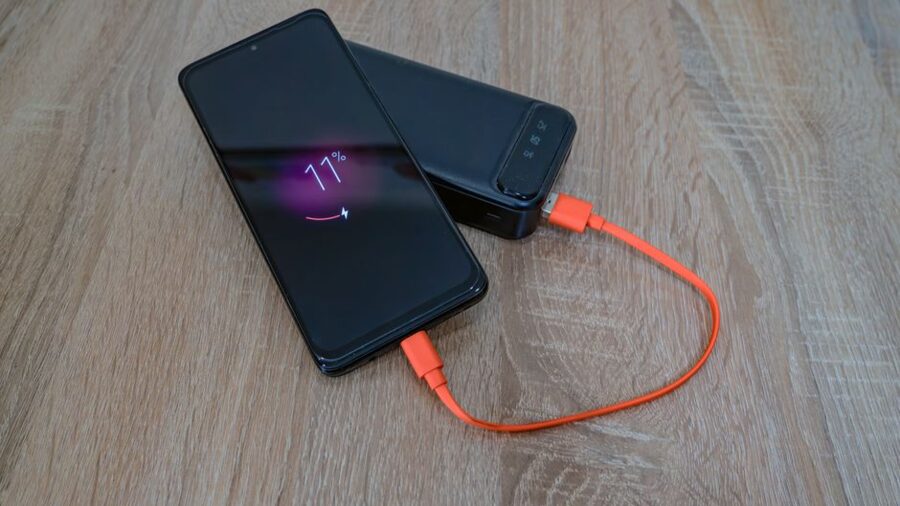
The classic hostel phone theft is the one charging across the room, on the single socket by the door that eight people share. The fixes: book a dorm with a socket at each bunk, carry a 2 m cable so the phone stays on your pillow, or fill a power bank at the far socket and charge the phone from it in bed. Charging lockers, where a hostel has them, beat all three.
Cards, skimmers and contactless limits
Carry two cards from different banks and never keep them together. Use cash machines inside bank branches, where a skimmer is hard to fit, and cover the keypad with your other hand.
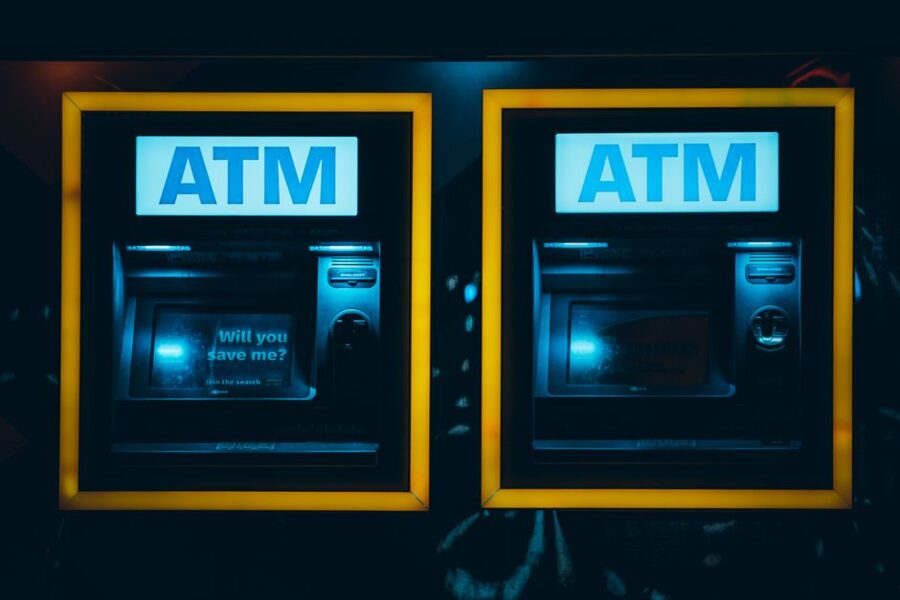
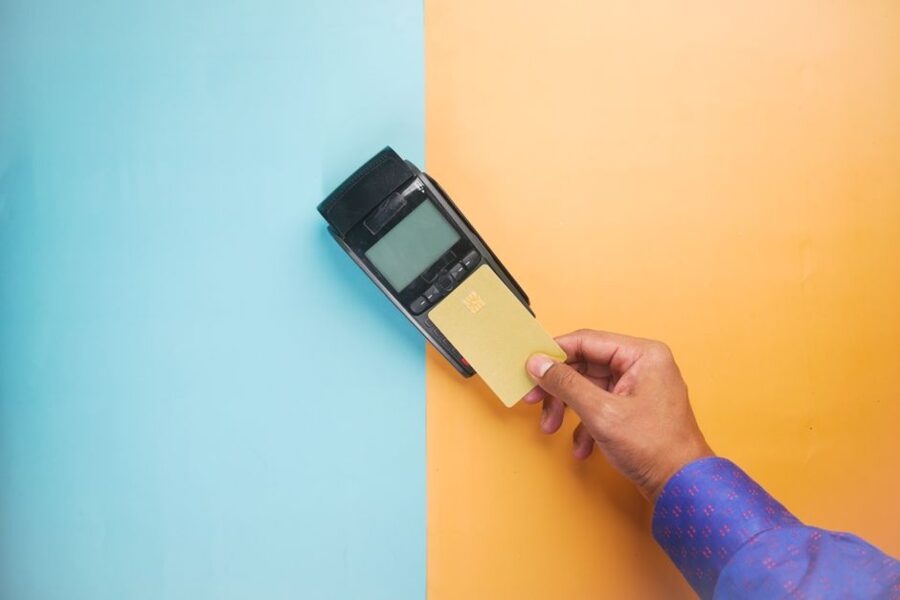
The contactless limit is what a stolen card is worth before you freeze it. Under EU rules a tap can be up to €50, with a PIN required again after €150 or five taps in a row, though banks can set lower limits. In Turkey the limit in Turkish lira rose from 1,500 TL to 2,500 TL on 15 January 2026. UK banks set their own limits, so check yours in the banking app before you go.
Insurance, read before you need it
Read two lines of your travel insurance wording before you go: the single-item limit, often lower than the price of your phone, and the “unattended” clause. Many policies will not pay for things left unattended, and a laptop on a dorm bed may count. Every theft claim needs a written police report, and the policy sets the deadline for it.
Thefts and scams in and around hostels

The thefts that actually happen
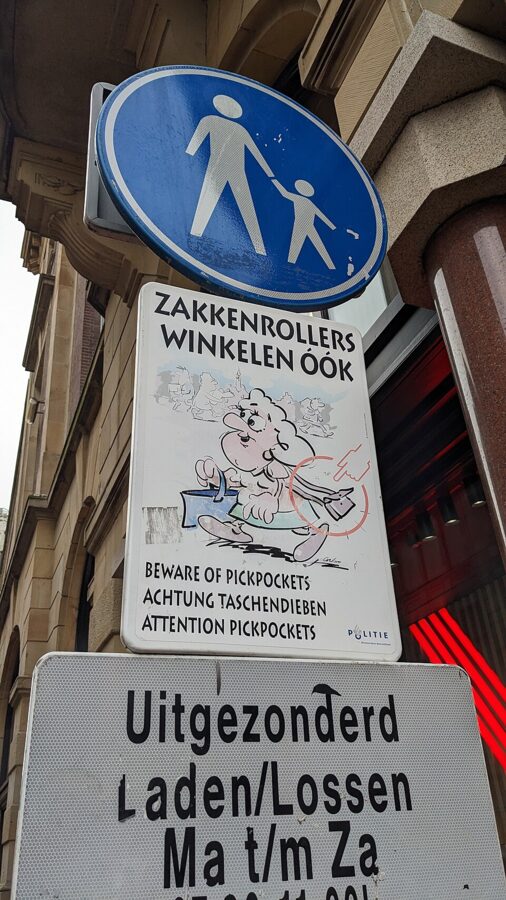
Hostel theft is opportunistic. It happens while the owner is asleep, showering or out, and it takes what was in reach, usually by someone who followed a guest through the front door or a dorm-mate checking out at 05:00 with one bag more than they arrived with.
So the defenses are dull. Lock up every time you leave the room, even for five minutes, and never prop the dorm door for a friend. On checkout day, padlock the zips of the bag you leave in storage and take the passport, cards and laptop with you. If someone you do not recognize is going through the beds, tell the desk at once.
Scams that reach you through the hostel
The scam to know about before you even arrive is a fake message about a real booking: a WhatsApp or email quoting your actual dates and price, asking you to “confirm” your card through a link. Booking.com says it never asks for card details by message, so treat any such request as fraud and check inside the app.
On the street, the classic in Istanbul is still the bar scam around Taksim and İstiklal: a friendly stranger, a bar he knows, and a bill of hundreds of euros with large men at the door (the Istanbul nightlife guide has the details). The defense works in every party city: choose your own bars, and walk out of any with no prices on the menu.
Party hostels and nights out
A dorm full of people coming home drunk is where phones go missing, which is why the good party hostels in Europe run key cards, lockers and night staff. Lock up before you go out and take one card. Watch your glass, take drinks only from the bar or the person who poured them, and leave any drink you put down.

The UK Foreign Office’s advice on spiking is blunt: drugs added to a drink usually cannot be tasted or seen, and they work in coffee and tea as well as alcohol. If you or a friend feel far drunker than the drinks explain, get to a safe place with someone you trust and call 112, which reaches the emergency services across the EU and in Turkey.
Women, solo and LGBTQ travelers
Hostels suit solo travel in one respect hotels cannot match: you are rarely alone, and staff notice when something is off. A few habits help.
- Do not announce your room number in the common room or the hostel’s group chat.
- Tell reception early if a dorm-mate makes you uncomfortable; a good desk would rather move you at 21:00 than at 03:00.
- Share your hostel name and plans with someone at home.
- Meet new people in public first: the common room, a walking tour, the hostel’s own dinner.
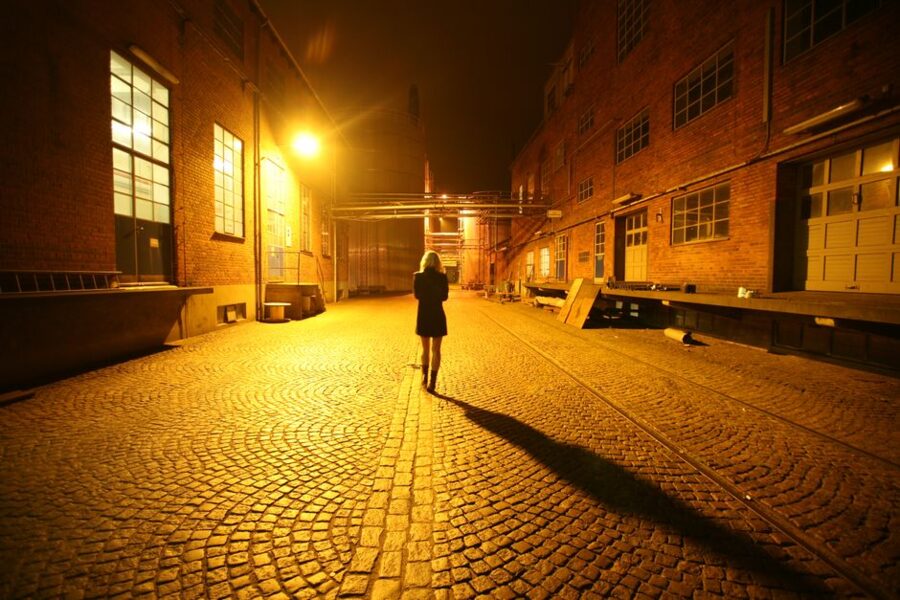
Female-only dorms are the simple choice for women who want one, but mixed dorms in well-run hostels work fine for most solo women, and a curtained bunk does much of what a separate room does.
For LGBTQ travelers the dorm is rarely the issue; the country is. The UK Foreign Office counts around 70 countries that criminalize consensual same-sex activity, and warns that some rural hotels refuse same-sex couples and that entrapment through dating apps happens in some places.
In a dorm, what you share about yourself is up to you. If you are trans or nonbinary, message the hostel before booking about how it allocates single-sex dorms; policies differ, and two lines in advance save an awkward conversation at the desk.

Bedbugs: how to check and what to do
Bedbugs turn up in clean hostels as well as dirty ones, because they travel in luggage. Adults are about 5 mm long, flat, and reddish brown. The bites are a poor guide: they look like mosquito bites or a rash, and some people do not react at all. Look for the bugs and their traces instead.

Before you unpack, pull back the sheet at the head of the bed and check:
- the seams, piping and labels of the mattress, especially at the corners;
- cracks in the bed frame and the headboard, and the joints of a metal bunk;
- the sheets and mattress for rusty or reddish stains, and for dark spots no bigger than a pen dot;
- tiny pale eggs and shed skins, about 1 mm long, tucked into the seams.
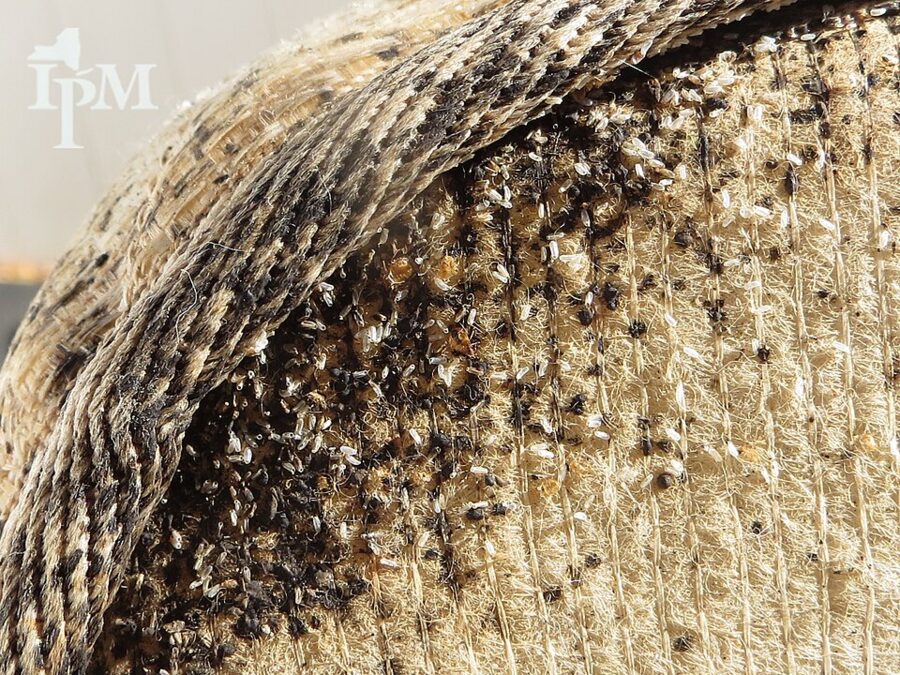

Keep your backpack off the bed and off the floor beside it: in the locker, on a luggage rack, or zipped shut on a hard surface. If you find signs, tell reception at once and ask to move rooms, not just beds. If you wake up bitten, the bites usually clear within a week; a pharmacist can suggest hydrocortisone cream or an antihistamine for the itching.
The bigger job is not taking them with you. The NHS advice is to wash affected clothes at 60°C and tumble dry them hot for at least 30 minutes, which most hostel laundries can do for a few euros. Then check the seams of your backpack before the next check-in.

Fire exits and fire safety
Fire is the least likely risk in a hostel and the one with the worst outcome, which is why it gets five minutes of your first evening. In England and Wales every hostel must have a fire risk assessment under the 2005 Fire Safety Order; elsewhere the rules and their enforcement vary a lot, and an old building converted into a hostel is where the gaps show.
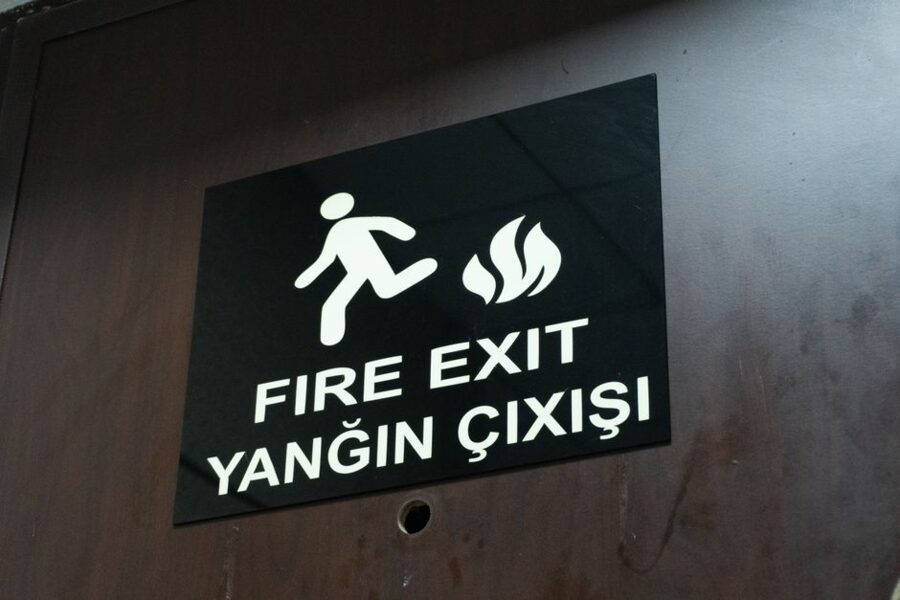
- Walk the route once. Find two ways out of your floor and count the doors to each; in smoke you may be feeling along the wall.
- Check the fire doors. An exit chained shut or blocked by bikes is worth reporting to the desk.
- Keep shoes, phone and glasses where you can grab them in the dark.
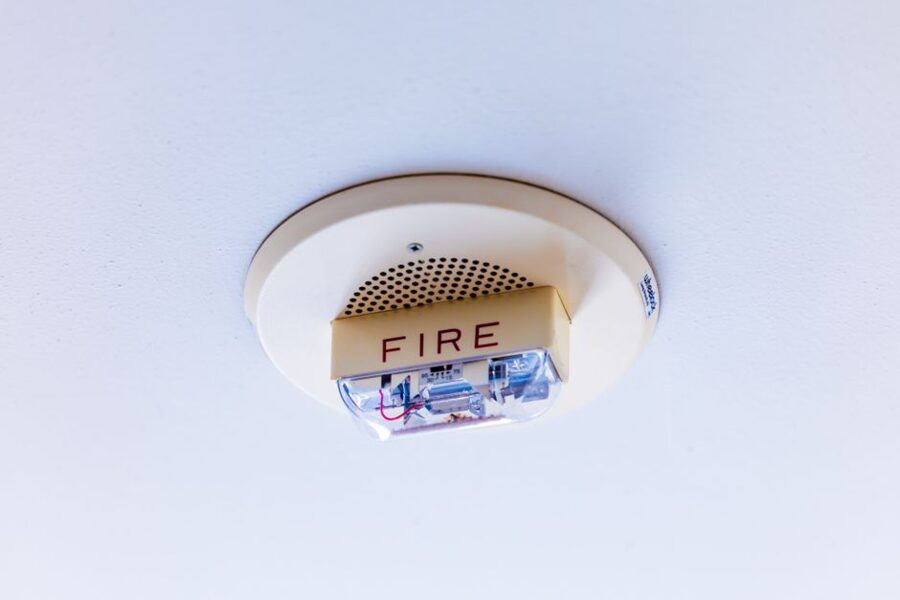
- If the alarm goes, leave. Do not pack, do not take the lift, close doors behind you, and go to the assembly point so staff can count heads.
- Treat batteries with respect. Do not charge a power bank or vape under a pillow or a duvet, and unplug anything that gets hot.
Staying healthy in a shared room
Colds and stomach bugs move through dorms fast. Wash your hands before you eat, wear flip-flops in the showers and wash a pan before you use it. If you are properly ill, ask reception about a private room for a night or two; you will sleep better, and so will the other eleven people.

If something is stolen
Work in this order. The first three steps are urgent; the rest can wait an hour.
- Freeze the cards. Use the banking app, or call the number on your bank’s website. Visa will also block a card and arrange an emergency replacement, usually within one to three business days once your bank approves it.
- Secure the phone. Mark it lost from another device, change your email password first, and ask your carrier to block the SIM.
- Tell reception and ask about CCTV now. Many systems record over themselves within days or weeks, and a desk that knows straight away can check the guest list before anyone checks out.
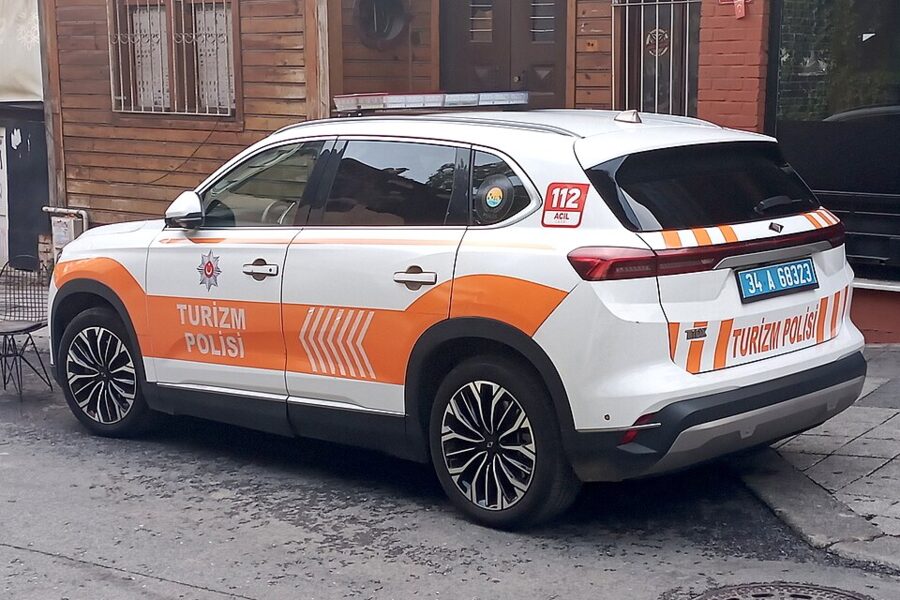
- Get a police report. Insurers will not pay without one. Dial 112 in an emergency in the EU and Turkey; for a theft report, ask the desk for the nearest police station. In Istanbul the tourism police have an office on Yerebatan Caddesi in Sultanahmet, by the Basilica Cistern.
- Replace the passport. British citizens can apply online for an emergency travel document: £125, usually ready two working days after you pay, and applying cancels the old passport. Do not book onward travel until you are told how you will get it. US citizens go to the nearest US embassy or consulate, which can issue a replacement or emergency passport; other nationalities, check your embassy’s website.
- Start the insurance claim with the police report and receipts or bank statements for what was taken.

Most of that list never has to happen. Buy the padlock before you leave home, set the code, and clip it to the outside of your backpack so it is the first thing your hand finds when the receptionist points you to bed 4B.