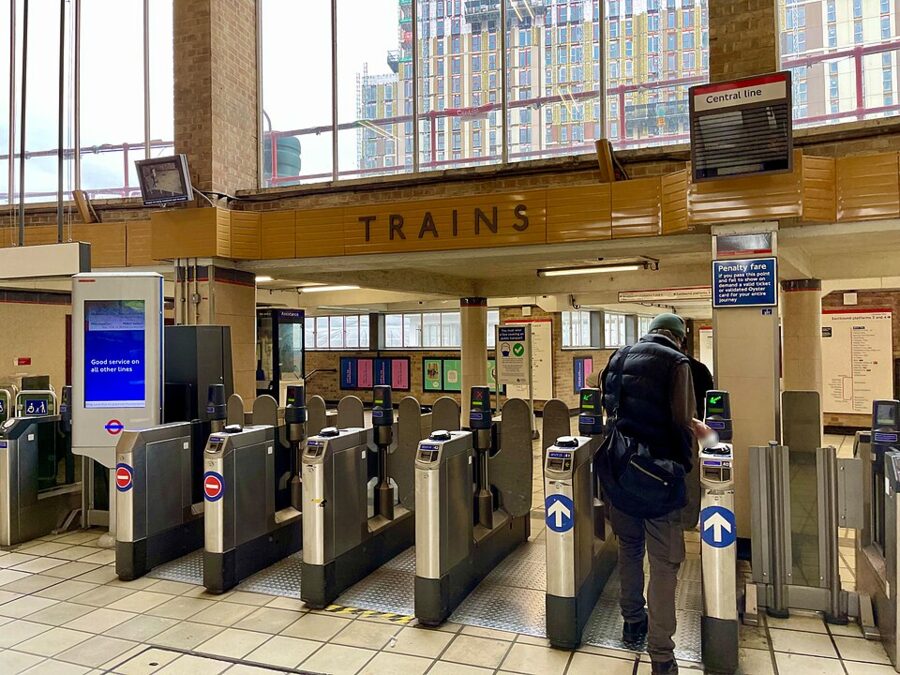
In 2026 the easiest metro ticket in a good part of Europe is the bank card already in your wallet. Tap it at the gate in London, Lisbon, Rome or Athens, or at the Pay&GO reader at a Budapest metro entrance, and the fare is charged with no machine and no queue. Paris is the big exception, and Berlin, Prague and Kraków still run mostly on tickets you buy first and stamp yourself.
A single ride costs from €1.20 in Athens to €3.40 for an hour ticket in Amsterdam, with Paris at €2.55, Barcelona at €2.90 and a London Tube trip in zone 1 at £3.10 at peak. A day ticket pays for itself somewhere between the third and the sixth ride, depending on the city.
The rule that keeps you out of trouble: a ticket only counts once it is validated. Berlin, Prague, Vienna and Kraków have no ticket gates, inspectors board at random, and an unstamped paper ticket is treated as no ticket at all. That costs €60 in Berlin and 15,000 Ft on the spot in Budapest. Stamp it, tap it, or activate it in the app before the doors close.

Contents
- City by city: fares, day tickets and how to pay
- How European city transport works
- Single, day pass or city card: which one pays
- Airport to center on public transport
- Night buses, night trams and the last train
- Staying safe: pickpockets, inspectors and late rides
- The apps worth installing
- Istanbul and the rest of Turkey
City by city: fares, day tickets and how to pay
These are the adult fares the operators publish for 2026. Where a fare moves with distance or is set by a separate rail company, the table says see operator. Vienna and Amsterdam have already published 2027 prices: Vienna’s single ticket goes to €3.10 digital and €3.30 on paper from 1 January 2027, and the GVB day ticket in Amsterdam goes from €10 to €10.50.
| City | How to pay | Single | Day ticket | Airport to center |
|---|---|---|---|---|
| London | Contactless bank card or phone, or Oyster; touch in and out on rail | Tube zone 1: £3.10 peak, £3.00 off-peak; bus £1.85 | Daily cap zones 1–2: £8.90 (buses only: £5.55) | Piccadilly line from Heathrow, £5.90 pay as you go |
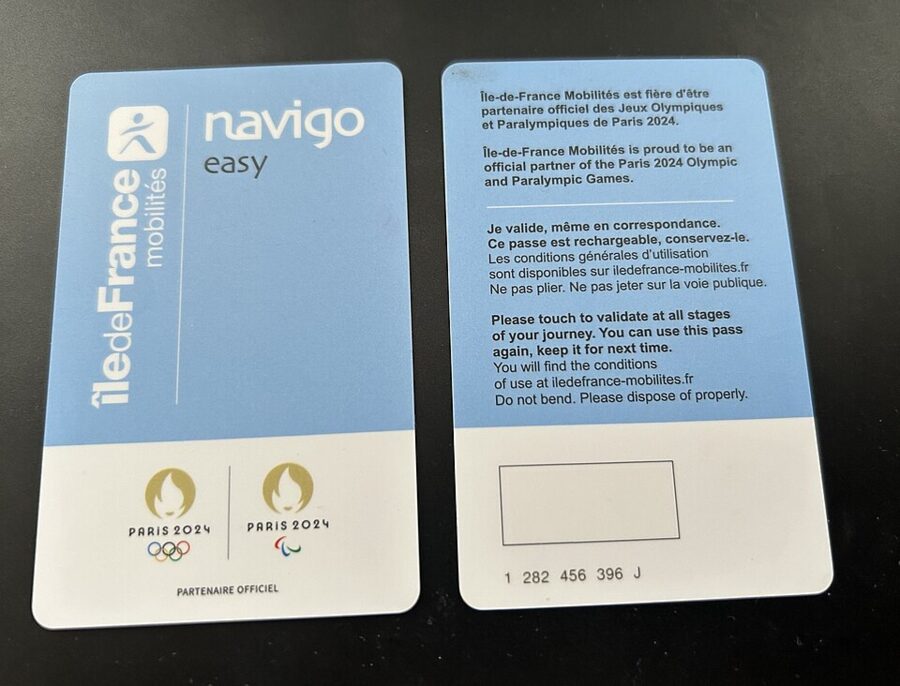
| Paris | Navigo Easy pass (€2) or the Île-de-France Mobilités app; no bank card at the gates | Metro, train, RER €2.55; bus or tram €2.05 | Navigo 1-Day Pass €12.30 | Paris Region <> Airports ticket, €14 to Charles de Gaulle or Orly |
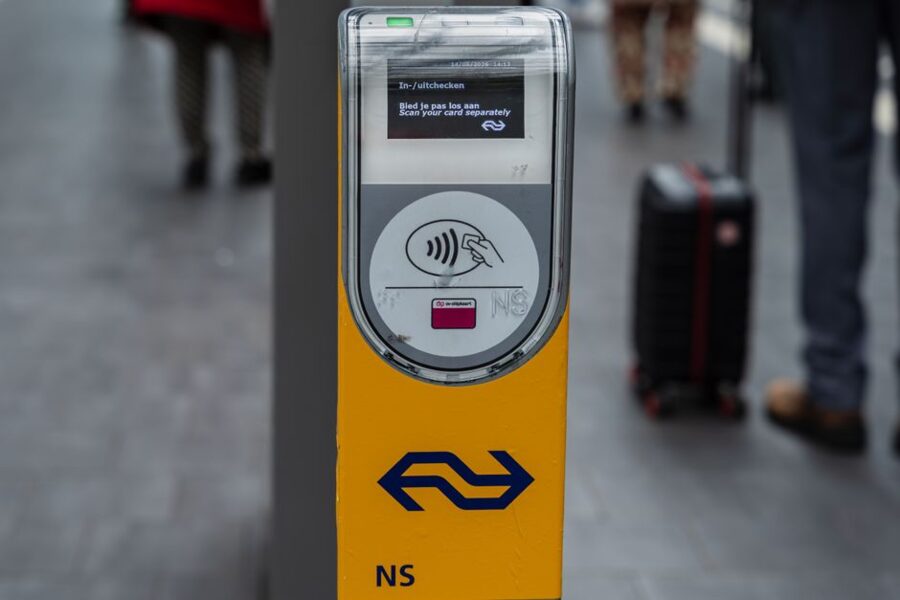
| Amsterdam | Tap in and out with a bank card (OVpay), or a GVB ticket | OVpay €1.16 plus €0.217 per km; GVB 1 hour €3.40 | GVB day ticket €10; 72 hours €21.50 | NS train from Schiphol (see operator), or the Amsterdam Travel Ticket, €20 for one day including the airport |
| Berlin | Machines, buses and the BVG apps; stamp paper tickets | AB €4.00, two hours, one direction | 24-hour AB €11.20 | BER is in zone C: ABC single €5.00 |
| Prague | PID Lítačka app or paper tickets; stamp paper on boarding | 30 minutes 39 CZK (36 CZK in the app) | 24 hours 150 CZK (140 in the app) | Bus 59 to Nádraží Veleslavín for metro A, 50 CZK on a 90-minute ticket; AE bus 200 CZK |
| Vienna | Machines, WienMobil app, or Tap+Ride at nine U-Bahn stations | €3.20 paper, €3.00 digital | 24 Stunden WIEN from €9.70 | The airport is outside the Vienna core zone; ÖBB train (see operator) |
| Budapest | Bank card at metro entrances and on bus 100E (Pay&GO), BudapestGO app, machines | 500 Ft; 700 Ft bought on board | 24 hours 2,750 Ft; 72 hours 5,750 Ft | 100E Airport Express, 2,500 Ft |
| Kraków | Machines and apps; validate on boarding | 30-minute or single ride 6 zł | 24 hours (zone I) 20 zł; 72 hours 55 zł | Koleje Małopolskie train (see operator); city tickets are not valid at the Kraków Lotnisko station |
| Lisbon | Bank card at the Metro gates, or a navegante occasional card | Metro by bank card €1.92; Carris/Metro ticket €1.90 | Carris and Metro 24 hours €7.25 | Metro red line from Aeroporto, one ordinary fare |
| Barcelona | Tickets from machines or the TMB App; bank card for a single on buses | €2.90 | T-dia, 24 hours, from €12 | L9 Sud metro, Airport ticket €5.90 |
| Rome | Tap&go bank card at metro turnstiles and on board; tickets from machines and kiosks | BIT, 100 minutes, €1.50 | ROMA 24H €8.50 | Trenitalia trains from Fiumicino (see operator) |
| Athens | Bank card on the validators (Tap2Ride), or an Athena ticket or card | 90 minutes €1.20 | 24 hours €4.10, also the bank-card daily cap | Metro €9.00; express bus €5.50 |
| Istanbul | Istanbulkart | 46.20 TL flat fare on most lines; ferries 58.52–65.21 TL (July 2026 tariff) | See operator | M11 metro from Istanbul Airport |

How European city transport works
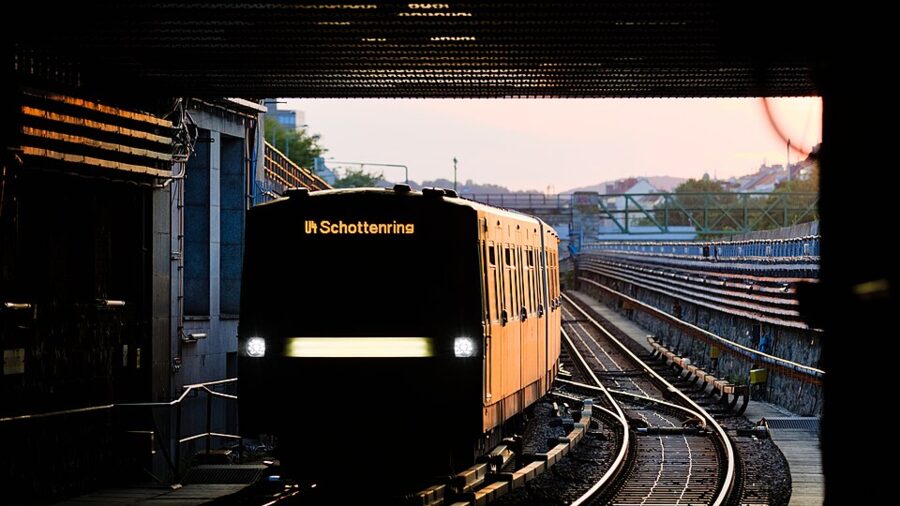
Almost every city on that list runs an integrated tariff: one ticket covers the metro, trams, buses and usually the suburban trains inside the city zone, whoever operates them. In Vienna the 24-hour ticket is valid on ÖBB suburban trains within the core zone; in Prague the same ticket covers the Petřín funicular, which otherwise costs 100 CZK one way. Lisbon is the awkward one, where the Metro and the Carris trams and buses share some tickets but stored value is deducted per operator.
Zones matter mostly for airports and day trips. Central Berlin is zones A and B, the airport sits in C, and a ticket for AB is not enough to reach it. Most tickets are also time-based rather than per ride: Berlin’s single is valid for two hours in one direction, Budapest sells 30- and 90-minute tickets, and Rome’s BIT lasts 100 minutes.
Gates or the honor system
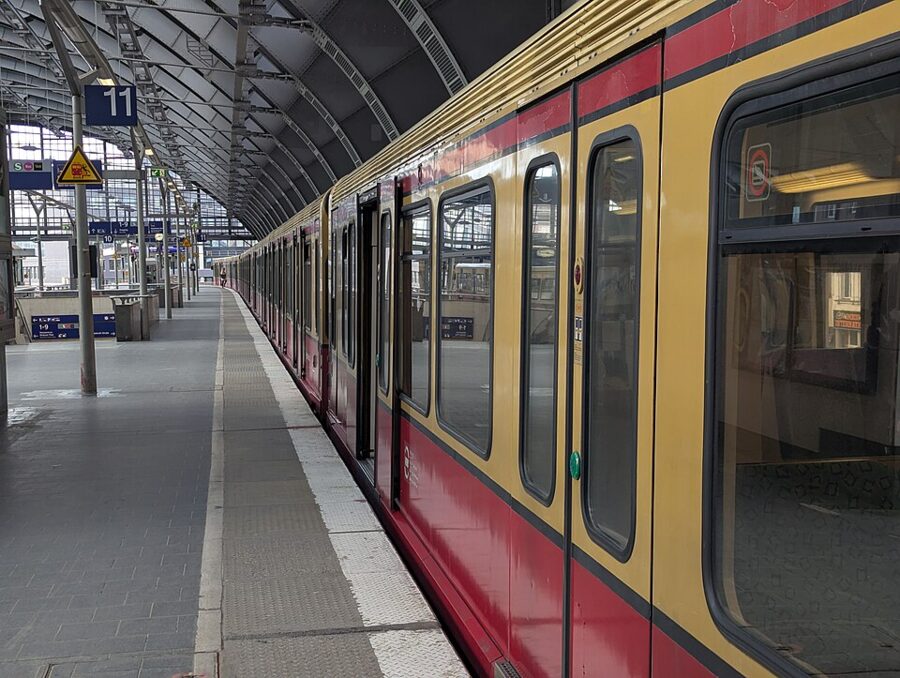
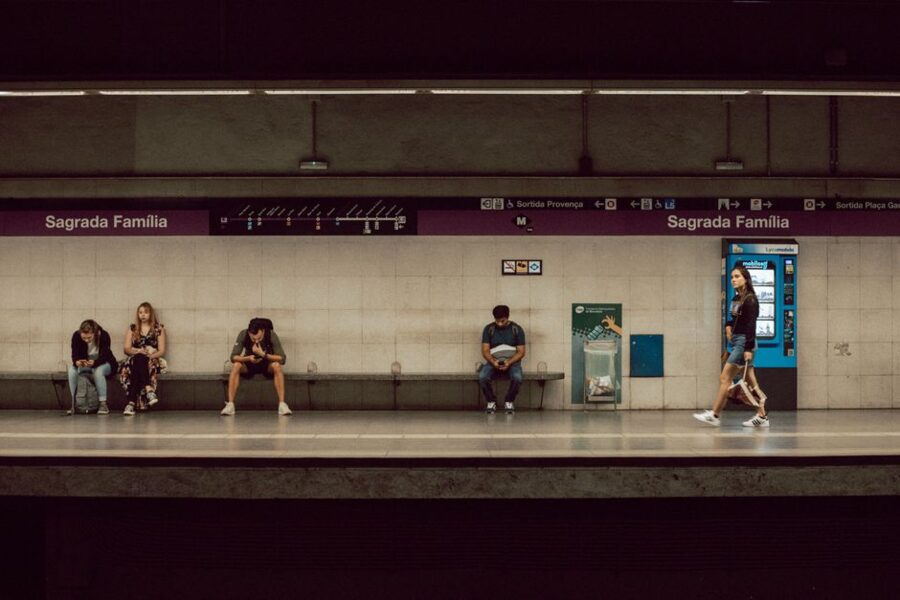
London, Paris, Lisbon, Barcelona and the Athens metro put gates between you and the platform. Berlin, Prague, Vienna and Kraków do not: you walk straight onto the train, and the system relies on plain-clothes inspectors and fines high enough to make cheating a bad bet. Rome’s metro has turnstiles while its buses and trams work on trust, and Budapest checks at metro entrances and on board.
On an honor system the moment of validation is everything. A paper ticket in Prague, Berlin or Kraków has to go through the stamping machine on the platform or on board; an app ticket has to be activated before you get on. Prague’s 24-hour ticket, stamped at 19:35, runs until 19:35 the next day, so stamp it on your first ride and not before.

What contactless changed
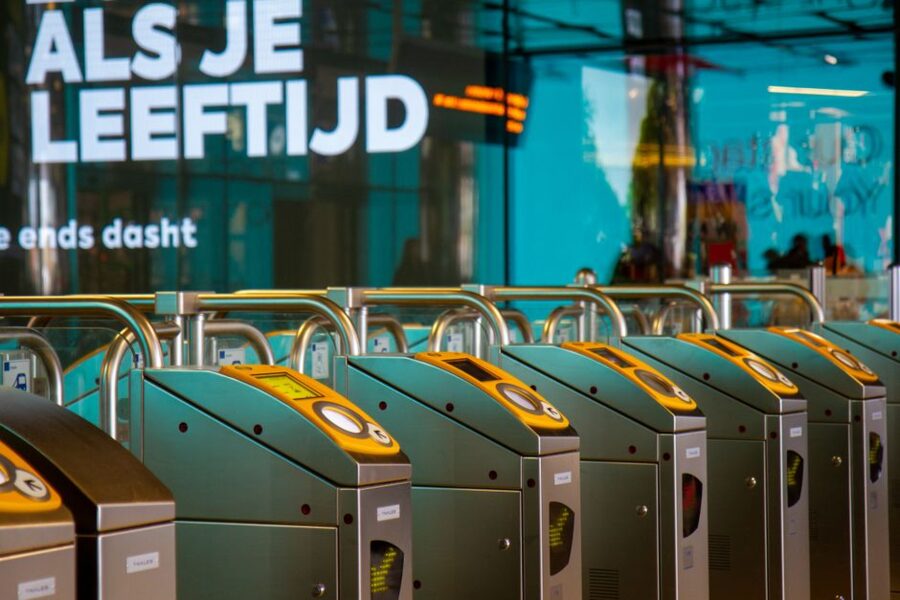
London started it, and the idea has spread unevenly. Amsterdam’s GVB now treats a bank card as the default ticket under OVpay, priced at a base fare plus a rate per kilometer. Athens charges your card the 90-minute fare on each tap but stops at €4.10 a day, the price of a 24-hour ticket. Lisbon’s Metro takes cards at the gates for €1.92 a ride, slightly more than the €1.72 deducted from a navegante card.
Others have done it halfway. Budapest’s Pay&GO sells one single ticket per tap at metro entrances and up to five on the 100E airport bus. Vienna began a one-year Tap+Ride pilot on 28 May 2026 at nine U-Bahn stations, including Stephansplatz, Westbahnhof and the Hauptbahnhof; a tap at the marked device near the ticket machines buys one single ride. Barcelona sells a single bus ticket by card, and Rome’s tap&go works at the metro turnstiles and on buses and trams.
Two habits make contactless work. Use the same card or phone to tap in and out, because a phone and a watch count as two different cards, and take the card out of your wallet. Lisbon’s Metro now warns that a wallet held to the reader may charge whichever card the reader finds first.
Single, day pass or city card: which one pays
Count the rides you will actually take in a day, then divide. A Berlin 24-hour AB ticket at €11.20 beats singles at €4.00 from the third ride. In Prague, 150 CZK against 39 CZK singles pays from the fourth, and the 72-hour ticket at 350 CZK costs less than three day tickets. Budapest’s 24-hour card at 2,750 Ft needs six singles to pay off, so for a day of walking with two rides, buy singles.
Caps make the decision for you. London stops charging at £8.90 a day in zones 1–2, about three peak Tube rides, and Athens stops at €4.10. In both cities a day pass is pointless if you are paying by card.

Some multi-day tickets carry the airport too, and that is where they win. Athens’s 3-day tourist ticket costs €20 and includes a return trip to the airport by metro or express bus; two airport metro tickets alone would be €18. Barcelona’s T-dia from €12 and the Hola Barcelona card from €12.50 both include the airport metro, which the €13 ten-ride T-casual does not.
Tourist city cards are a different product: transit plus museum discounts or entries. They pay only if you were going to do the museums anyway, so price the plain transit pass first and treat the card as a museum ticket with a bus pass attached. I would skip them on a backpacker budget in every city on this list.

Digital tickets are cheaper in several cities. Prague’s app prices undercut paper on every ticket, and Vienna’s WienMobil singles cost about five percent less than paper ones. The catch in Vienna is that app tickets are personal and valid only with photo ID, so carry your passport or ID card.
Airport to center on public transport
Every airport on the list has a public link, and the airport is the one place where a cheap ticket trap is common, because the express train or bus is priced separately. In short:
- London Heathrow: Piccadilly line, £5.90 by contactless. The Heathrow Express sits outside the daily cap.
- Paris: the Paris Region <> Airports ticket, €14, for Charles de Gaulle or Orly. An ordinary €2.55 ticket excludes the airports.
- Amsterdam Schiphol: the NS train; tap a bank card in and out, or buy the Amsterdam Travel Ticket if you will use the trams that day too.
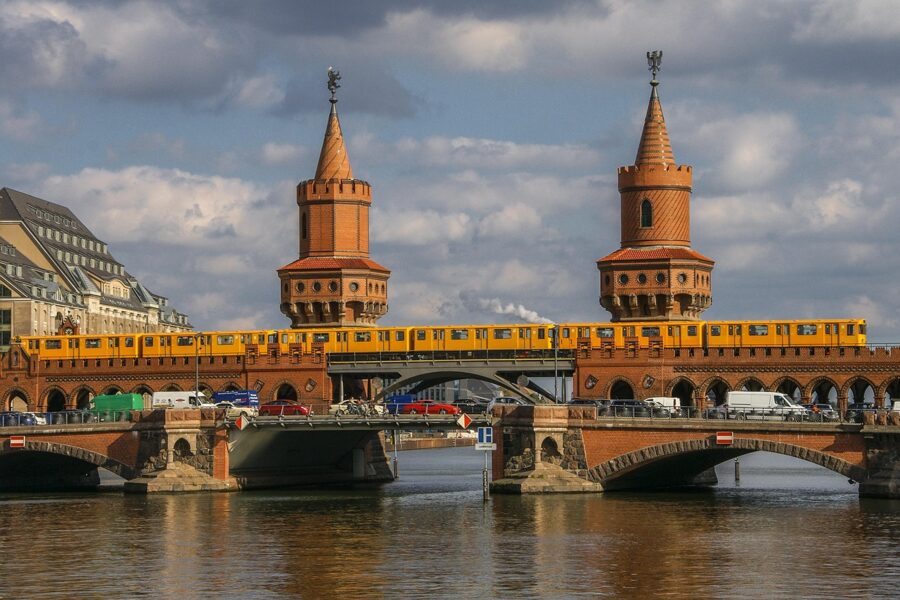
- Berlin BER: an ABC single, €5.00, on the train or S-Bahn.
- Prague: bus 59 to Nádraží Veleslavín (about 35 minutes) and metro A on one 90-minute ticket, 50 CZK; the AE bus to the main station is 200 CZK.
- Vienna: the airport is outside the Vienna core zone, so a city ticket alone does not cover it. Check the train fare with ÖBB.
- Budapest: bus 100E, 2,500 Ft, payable by card at the reader beside the door.
- Kraków: the Koleje Małopolskie train; city tickets are not valid at the airport station.
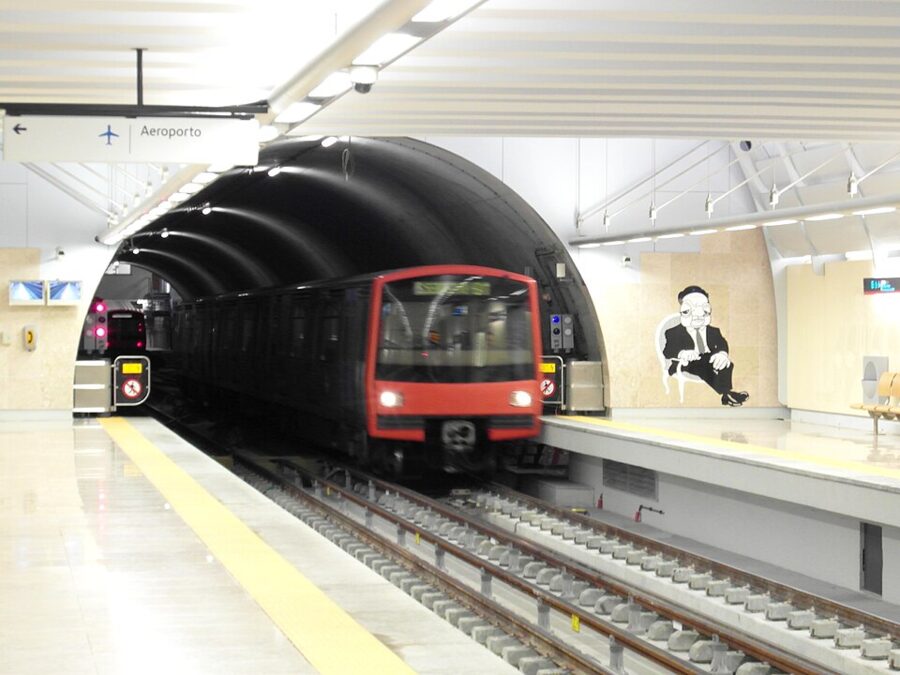
- Lisbon: the red Metro line from Aeroporto on an ordinary fare.
- Barcelona: L9 Sud with the €5.90 Airport ticket, or a T-dia.
- Rome Fiumicino: Trenitalia trains; check the fare with the operator.
- Athens: metro €9.00 or express bus €5.50, both payable by bank card.
- Istanbul: the M11 metro from Istanbul Airport, paid with the Istanbulkart.

Night buses, night trams and the last train
London runs the Night Tube on Friday and Saturday nights on the Central, Jubilee, Northern, Piccadilly and Victoria lines, with a Night Overground on part of the Windrush line, at off-peak fares, and daily caps still apply. On other nights and other lines the night buses take over.
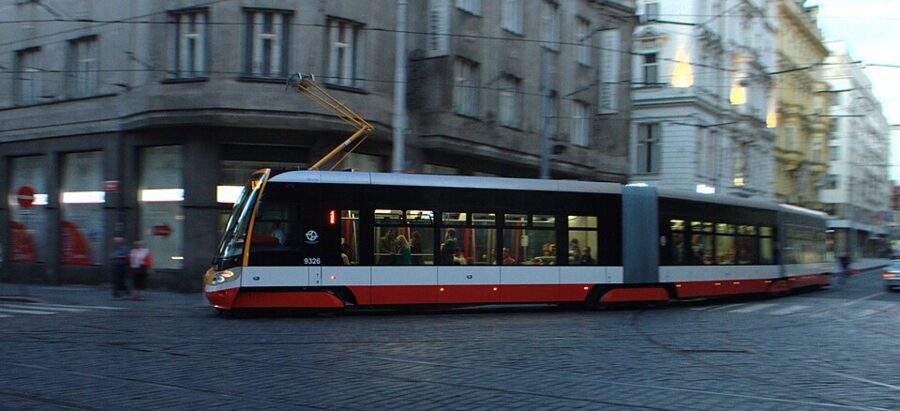
Prague’s metro stops around midnight. From then until 04:30, night trams 90–99 run every 30 minutes, and night buses 901–917 every 30 or 60, at the normal fare. Night buses also serve the airport.

Budapest reorganized its whole night network from the night of 1–2 July 2026, so older route advice is out of date; plan in the BudapestGO app. Night buses take ordinary tickets, and the driver sells singles at 700 Ft. Athens keeps a set of 24-hour bus lines running through the night. Elsewhere, look up the last metro before you go out, not at 00:40 on the platform.
Staying safe: pickpockets, inspectors and late rides
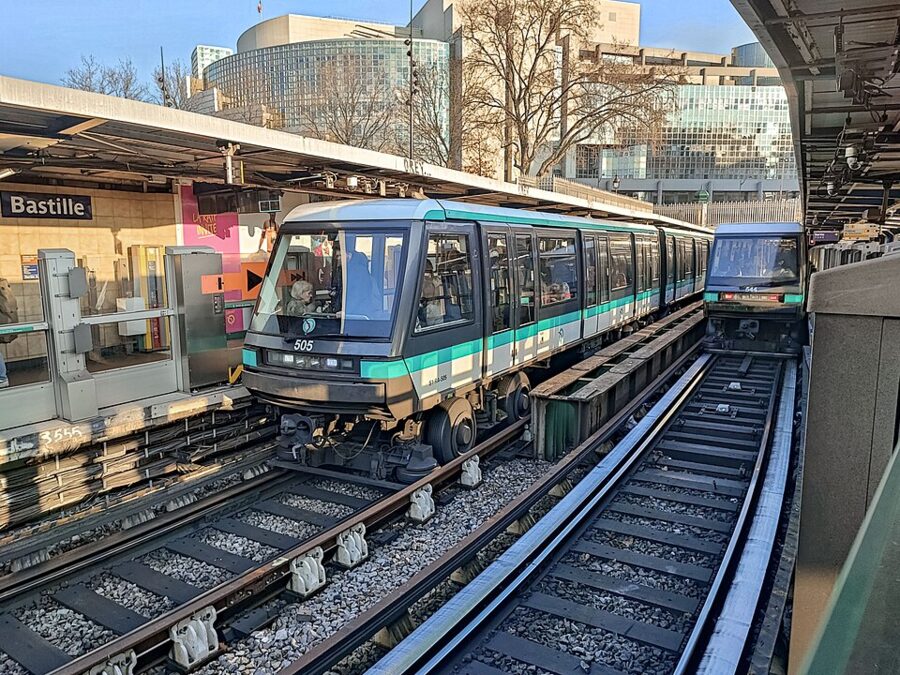
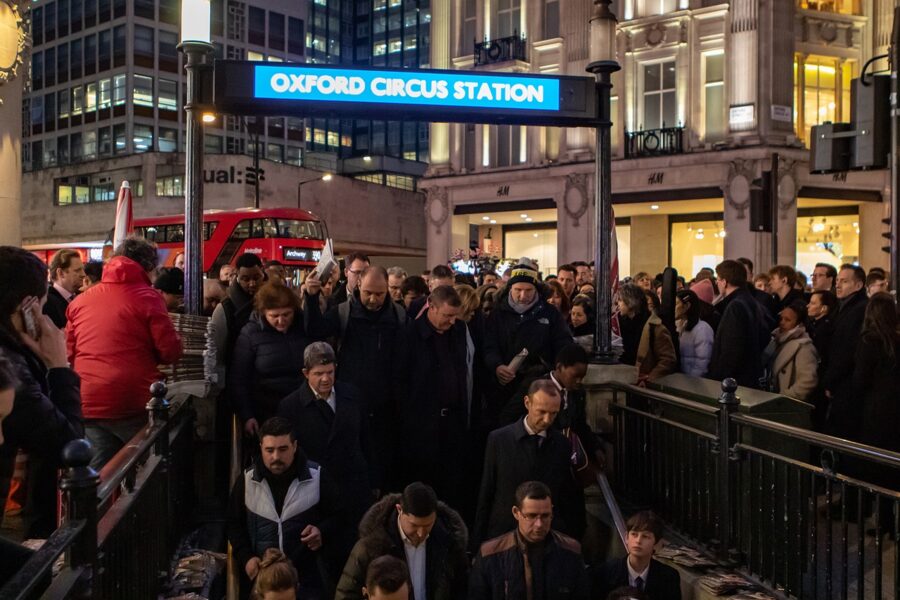
The crime that hits travelers on European transport is pickpocketing, usually by a team: one person blocks or distracts, another lifts. The UK Foreign Office names the Paris Métro, the RER and the mainline stations in Paris; the trams to Prague Castle and the busy routes from Prague airport; and crowded tram and bus stops in Portugal. Its advice for Italy covers trains, metro stations and city centers in general.

The defense is unglamorous. Wear the bag across your body and in front on a crowded car, keep the phone out of a back pocket, and stand away from the doors at stops, where a grab-and-run is easiest just before they close.
Real inspectors, fake ones and fines
In Spain the Foreign Office warns of thieves posing as police who ask to see your wallet. Real officers ask for ID and never for a wallet or purse, and plain-clothes officers carry official identification too. Treat anyone who wants your cash on the spot without a receipt the same way.
Real inspections are dull and documented. In Budapest an inspector checks a Pay&GO ticket by having you tap the same card on a handheld reader, which takes no money; Vienna’s Tap+Ride works the same way. Berlin’s €60 fine comes as a printed receipt with a number you pay against, online and in installments if needed.
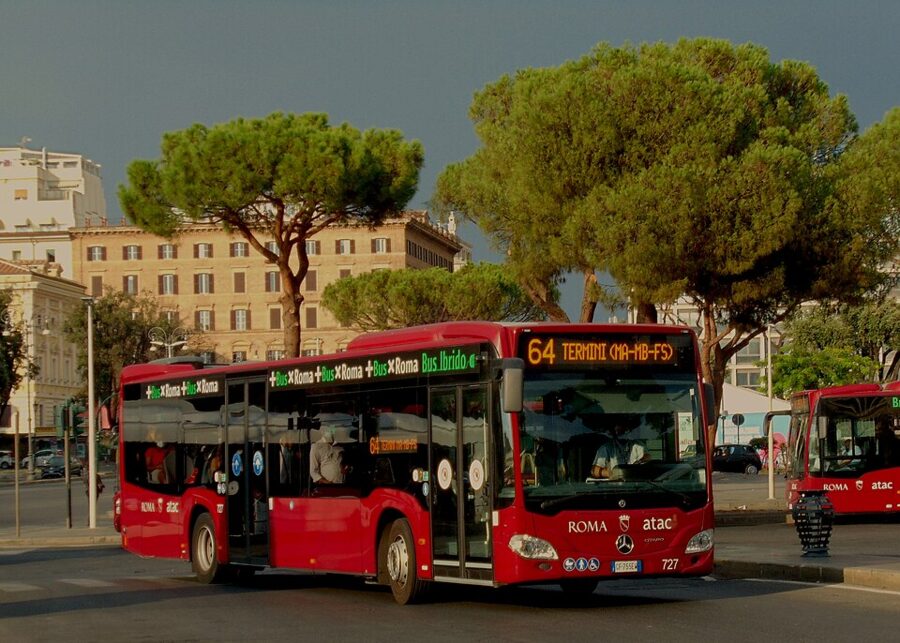
Fines escalate if you ignore them. London’s penalty fare is £100, cut to £50 if paid within 21 days. Budapest charges 15,000 Ft on the spot or within two working days, then 30,000 Ft, then 50,000 Ft after 30 days. Italy’s inspectors issue on-the-spot fines for unvalidated tickets on buses and trams.

Late at night and with a disability
Late rides are mostly safe and mostly full of people going home from work or the bars. Sit in a car with other passengers, near the driver on a night bus, and keep headphones low enough to hear the stop announcements. If a station feels wrong, get off at the next busy one and change.
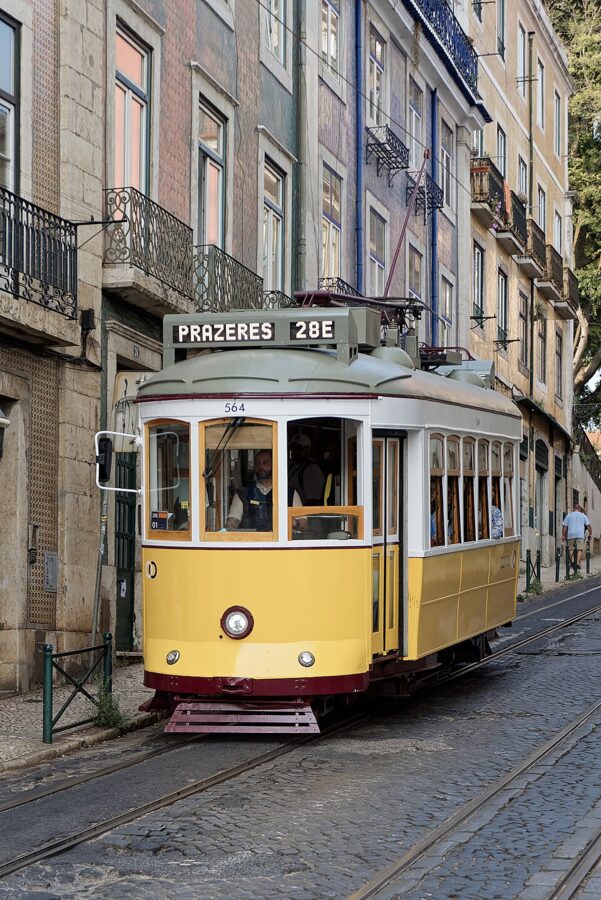
Step-free access varies more than fares do. London’s Night Tube stations have the same step-free access as during the day; Prague’s night trams mostly do not. Lisbon’s historic trams have high steps at the door. Check the operator’s step-free map before you count on a lift, and allow time for one being out of service.


The apps worth installing
Install the operator’s own app for each city, not a reseller. The operators’ apps sell the same tickets at the same or lower prices, show live departures, and are what an inspector expects to see. The ones I would put on the phone before arrival:
- Paris: the Île-de-France Mobilités app, which loads tickets and the day pass onto the phone itself.
- Amsterdam: the GVB app for live departures; pay by tapping your bank card.
- Berlin: BVG Fahrinfo for planning and tickets, or the BVG Ticket app for tickets only.
- Prague: PID Lítačka, with cheaper tickets than paper.
- Vienna: WienMobil, for planning and personal digital tickets.
- Budapest: BudapestGO, for the planner and every ticket type, including the night network.
- Barcelona: the TMB App.
- Athens: the Ath.ena Card app for the reloadable card.
In London, Lisbon and Rome the bank card does the paying, so all you need is a journey planner. A general map app does that job in all of these cities; download the city map for offline use before you land.
Istanbul and the rest of Turkey
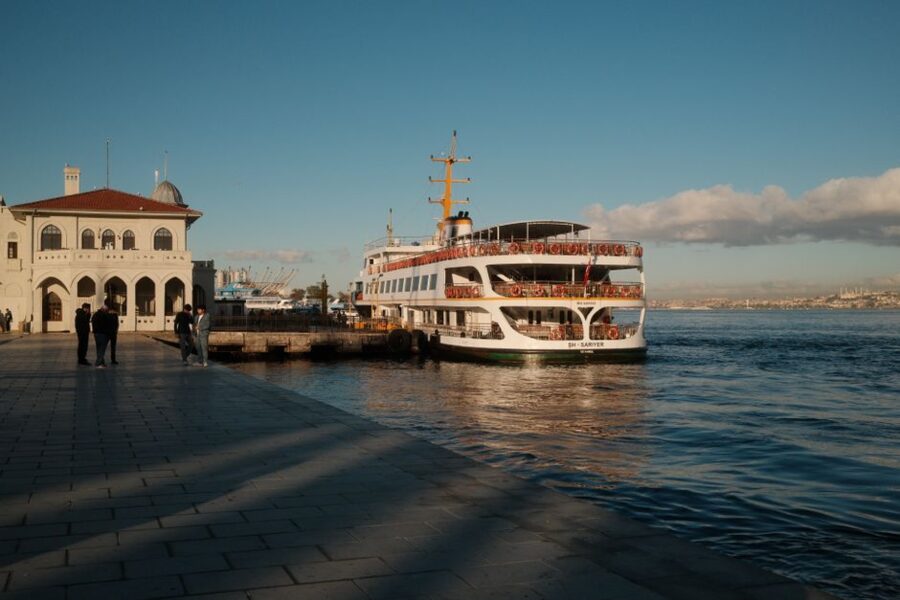
Istanbul works on one card, the Istanbulkart, which pays for the metro, trams, buses, the Marmaray and the ferries. Most rides cost one flat fare, ferries and the airport metro are priced by line or distance, and fares rise more than once a year, so check the card price, the current lira fares and the airport route in the Istanbul travel guide before you land. The best-value ride in Europe may be the commuter ferry across the Bosphorus, tapped on the same card for far less than a Bosphorus cruise ticket. The T1 tram ends at Kabataş, an 8-minute walk from Dolmabahçe Palace.
Outside Istanbul, Turkish cities run their own transit cards, and the real distances are covered by intercity buses and trains. The overnight bus from Istanbul to Cappadocia takes about eleven hours; the routes, bus companies and fares are in getting around Turkey.
Back in the rest of Europe, the plan for any new city is the same. Pick a hostel near a metro or tram stop, install the operator’s app on the train in, and check one thing before you board: whether your card taps, or whether your ticket needs stamping first.