At 22:00 the corner tekel locks its beer fridge. A 50 cl can that cost 125 TL a minute earlier cannot be sold again until 06:00, and the cheapest half-liter in a Kadıköy bar costs closer to 200 TL. That is the law, not the shopkeeper, and it shapes every night out in Istanbul: drink cheaply before ten, eat slowly around a meyhane table, and pay bar prices after.
The city keeps late hours. Dinner starts around 20:00 and runs three hours if the company is good, bars fill after 23:00, and clubs barely get going before 01:00. On Friday and Saturday nights a night metro and a night ferry run until morning, so a backpacker staying on the Asian side can stay out as late as anyone and still get home on a transit fare.

The budget version of an Istanbul night is not a lesser one. The best of the city after dark is a packed meyhane in Beyoğlu, a bar street in Kadıköy full of students, a jazz set in a small room under Galata Tower and the ferry home across the water. The expensive parts are the rooftops, the Bosphorus clubs and the Turkish night shows, and I would spend on only one of them: a single drink on a rooftop at sunset.
Contents
- How a night out works in Istanbul
- Meyhanes: rakı, meze and the long table
- Kadıköy and Moda: the bar streets of the Asian side
- Beyoğlu: İstiklal and the side streets
- Karaköy and Galata
- Beşiktaş Çarşı
- Rooftops, briefly
- Live music: fasıl, türkü, jazz and the big rooms
- The Turkish night shows
- Staying safe after dark
- Getting home
How a night out works in Istanbul
Think of the night in three acts. The first is food and rakı at a meyhane, a tavern where the meze matter as much as the drink, from about 20:00 to 23:00. The second is a bar, usually in another street and often in another neighborhood reached by ferry. The third is optional: a club, a live set that starts at midnight, or a plate of kokoreç on the walk home.
Locals rarely drink without eating, and the meyhane is built around that habit. Rakı comes with cold meze, the evening moves slowly, and nobody hurries a table out. Bars are where students and twenty-somethings go after dinner, and they are where the cheapest drinks are, as long as you stay away from the rooftop and waterfront end of the market.
Friday and Saturday are a different city. İstiklal Caddesi and the Kadıköy bar streets are shoulder to shoulder after 23:00, and the night metro and night boats run until dawn. The eve of a long weekend or one of Turkey’s public holidays is just as busy, while on a weeknight the bar streets are half full and the last ferry matters more.
What a drink costs in 2026
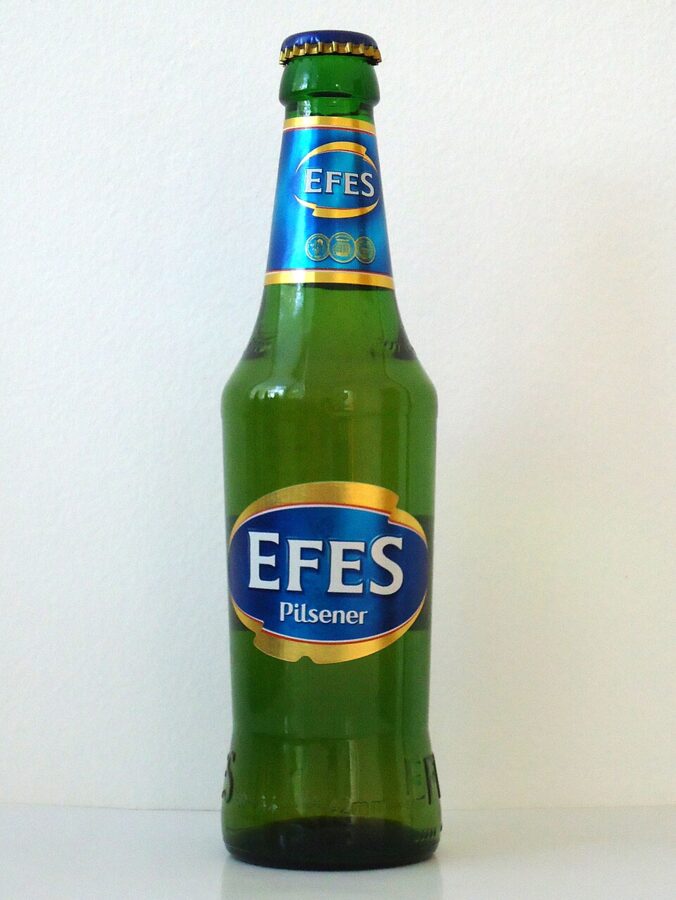
Alcohol is the one thing in Istanbul priced close to Western Europe. Turkey charges a special consumption tax (ÖTV) on drink as a fixed amount per liter, the state raises it regularly with inflation, and producers add their own increases on top. In 2026 beer went up on 5 January and again in July, when the recommended price of a 50 cl can reached 125 TL.
| Drink | Where | Price (2026) |
|---|---|---|
| 50 cl can of beer | Tekel or supermarket, before 22:00 | 125 TL (recommended price from July) |
| 70 cl bottle of rakı | Tekel or supermarket, before 22:00 | 995–2,300 TL by brand (January prices) |
| Cheapest 50 cl beer on the menu | Bars in Kadıköy and Beşiktaş | 175–230 TL in spring, more since July |
| 33 cl Efes | Mid-range meyhane or ocakbaşı | About 350 TL |
| Double rakı (duble) | Mid-range meyhane or ocakbaşı | 550–700 TL |
| 35 cl bottle of Yeni Rakı | Mid-range meyhane or ocakbaşı | About 2,000 TL |
| Bottle of Tuborg | Rooftop bar above İstiklal | 420 TL |
| Cocktail | Rooftop bar above İstiklal | 950–1,100 TL |
The meyhane prices come from the November 2026 menu of a mid-range grill house in the Kadıköy district. Since 30 January 2026 restaurants may not add a cover or service charge to the bill, so if one appears, ask for it to come off; the usual habits of tipping in Turkey apply.
The gap between the top and bottom of that table is the whole budget strategy. A can from the tekel on the Moda shore at sunset costs about a third of a bar beer, and a bar beer in Kadıköy costs about half of one on a rooftop. Lira prices move every few months, so treat every figure here as a 2026 snapshot.
The 22:00 rule
Since 2013, the alcohol law (Law 4250, as amended that year) has banned the retail sale of alcoholic drinks between 22:00 and 06:00. Tekel shops, supermarkets and corner stores stop selling at ten, and the same amendment bars licensed restaurants and bars from selling drinks to take away. Licensed venues keep serving at the table for as long as their opening hours allow.
In practice, buy before ten if you want to drink on the shore or back at the hostel. The tekel takes its name from Tekel, the old state monopoly that once made Turkey’s rakı and cigarettes, and it is where you find the full range of beer, wine and rakı at close to the recommended price. Do not buy spirits from anyone without a shop and a till.
The late-night snack
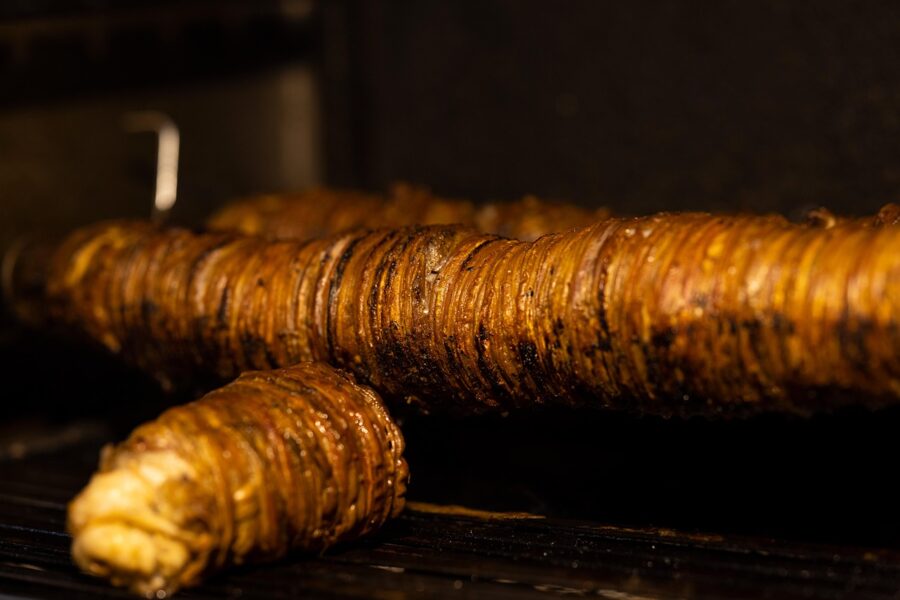
The walk home has its own menu. Kokoreç is chopped lamb intestine grilled on a spit with oregano and chili and packed into half a loaf, and the grills stay lit near the bar streets until the small hours. It tastes far better than it sounds, especially at 02:00.
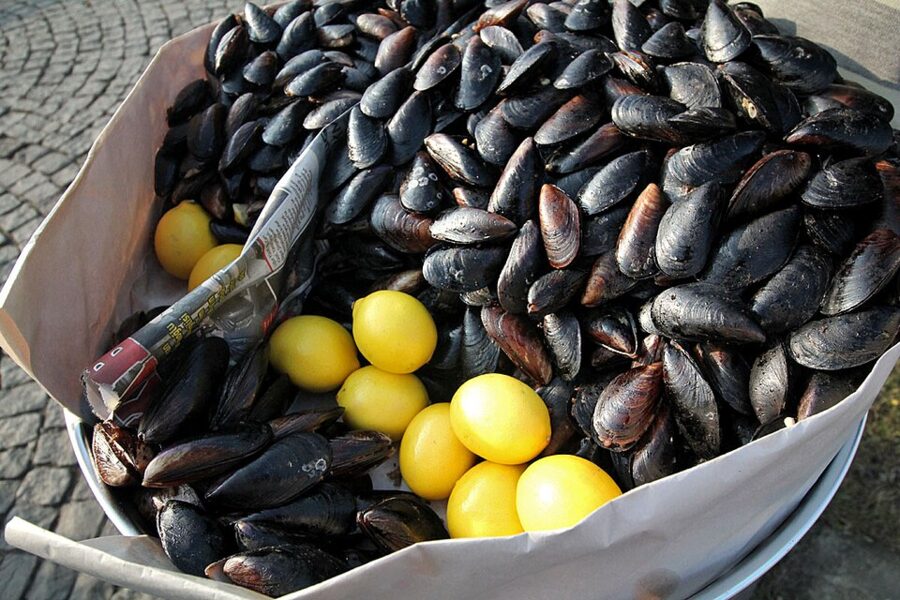
Midye dolma are mussels stuffed with spiced rice, sold from trays by men who open each one, squeeze lemon on it and hand it over until you say stop. Count as you eat and agree the price per mussel before the first one. Buy from a busy seller with a full tray: a mussel that has sat out all evening is the one late-night food I would treat with caution.

Meyhanes: rakı, meze and the long table
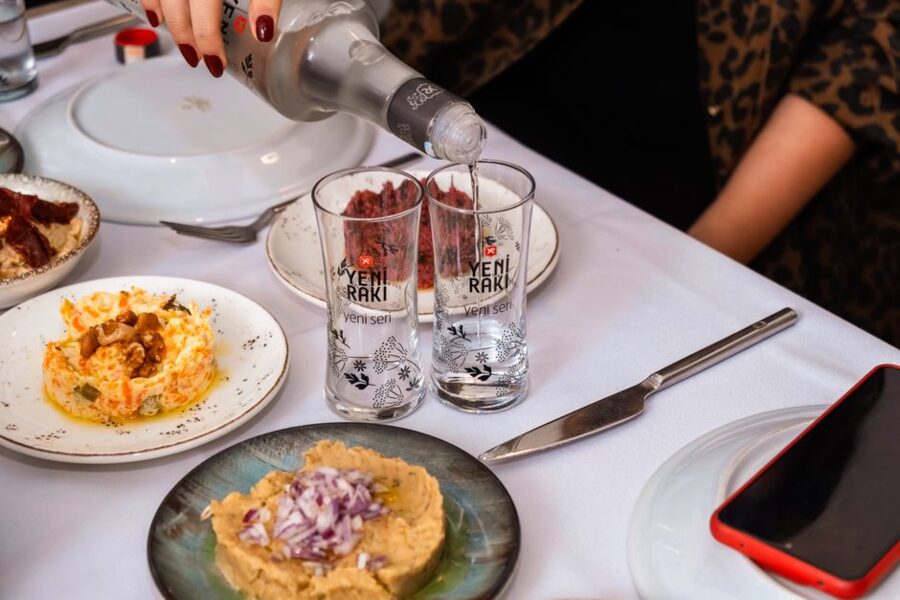
A meyhane is a tavern built around rakı and small dishes, and a good one feels like a family dinner that strangers have wandered into. The word is Persian, mey for wine and hane for house. For centuries many of the city’s taverns were run by Greek and Armenian families, which is why the old meyhane districts sit in the old non-Muslim quarters: Beyoğlu, Kumkapı and Kurtuluş.
How to order
Ordering follows a rhythm. A waiter brings a tray or points you to a chilled display of cold meze: white cheese and melon, the classic partner for rakı; haydari, thick yogurt with garlic and herbs; acılı ezme, a hot tomato and pepper relish; fava; and cured fish such as lakerda. Hot starters (ara sıcak) follow, such as fried calamari, fried mussels or Arnavut ciğeri, cubes of fried liver with raw onion, and then a grilled fish or meat dish for anyone still hungry.
Order a few plates at a time rather than everything at once. Plates that arrive unasked, such as bread with dips or a fruit plate at the end, usually end up on the bill, so send them back if you do not want them. Ask the price of fish by weight before it goes on the grill.
Rakı without regret
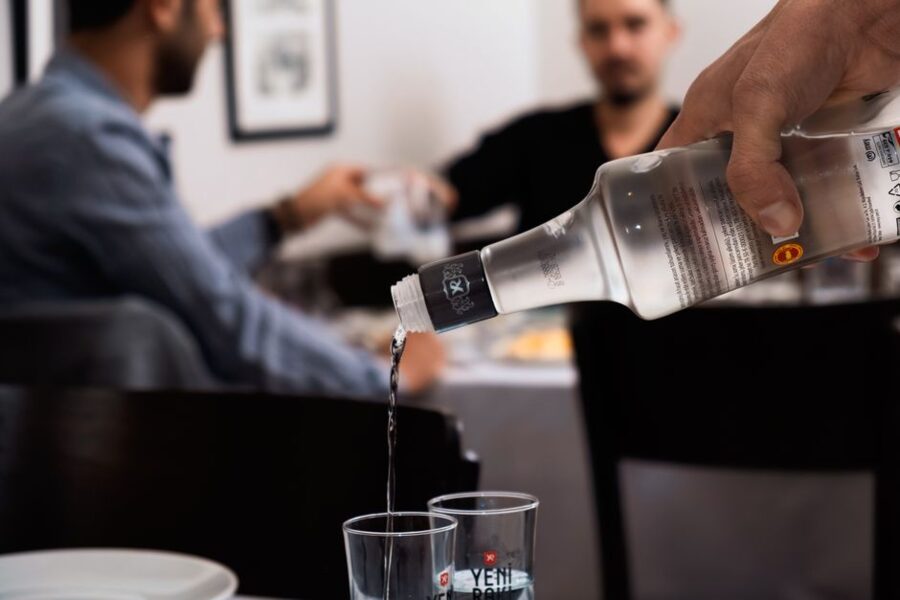
Rakı is an anise spirit distilled from grapes, usually bottled at 45 percent, and it is drunk long. Pour the rakı first, top it up with cold water until it clouds, then add ice if you want it; ice first can make the anise oil crystallize. Order a tek (single) or a duble, keep a separate glass of plain water beside it, and take a bite of meze with every sip.
Raise your glass with “şerefe” (to honor). If you are drinking with older Turks, touch your glass a little lower than theirs, a small sign of respect that will be noticed. The anise numbs the burn, so most first-timers feel it only when they stand up.
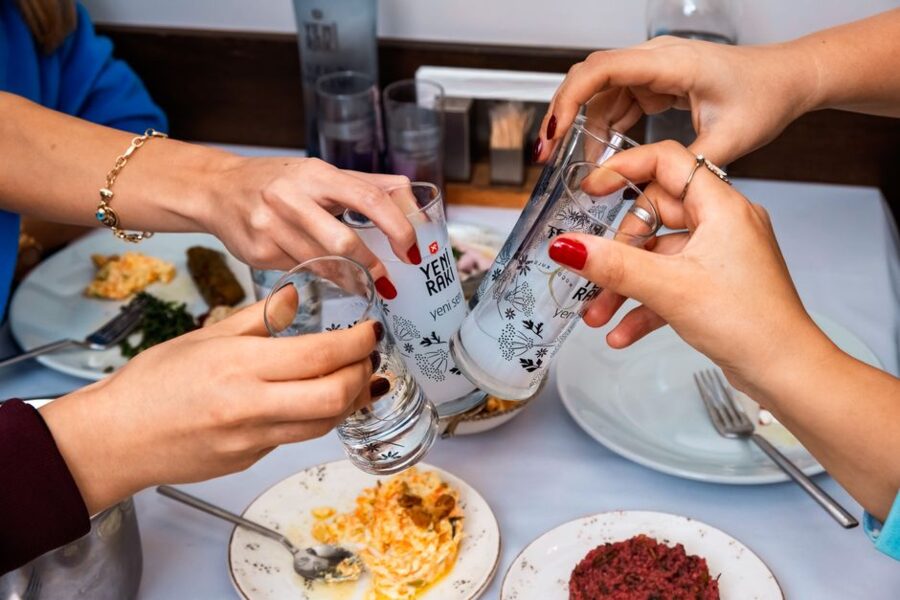
What a meyhane evening costs
A full meyhane night is the most expensive meal most backpackers eat in Istanbul, and it is worth doing once. On November 2026 menus, the average meyhane bill in Kadıköy came to about 1,060 TL a head, and Beyoğlu ran to about double that. Add two double rakı at 550–700 TL each and one person’s evening reaches 2,000–2,500 TL.
Two people can do better by sharing a 35 cl bottle (about 2,000 TL at a mid-range table) and filling up on meze instead of mains, which brings the night to roughly 4,000–4,500 TL for the pair. Go on a weeknight, sit inside rather than on the street, and let the waiter know your budget: a good one will steer the order.
Nevizade and the Beyoğlu fish market
Nevizade Sokak runs behind the Balık Pazarı, the fish market off İstiklal near Galatasaray, and it has been Beyoğlu’s meyhane lane for decades. Tables crowd into the alley from early evening, a waiter stands at every door with a menu, and on a Friday the street is solid with people by 22:00. It is loud, packed and a little chaotic, which is the point.
For an older room, Tarihi Cumhuriyet Meyhanesi is a long-running tavern on Sahne Sokak, inside the fish market itself, and it was still filling its tables and posting its evenings in July 2026. Çiçek Pasajı, the glass-roofed arcade opening onto İstiklal next door, was built in 1876 as the Cité de Pera and has been lined with meyhanes since the middle of the last century. It is the handsomest place in Beyoğlu to drink rakı and the one most aimed at visitors, so read the prices at the entrance first.
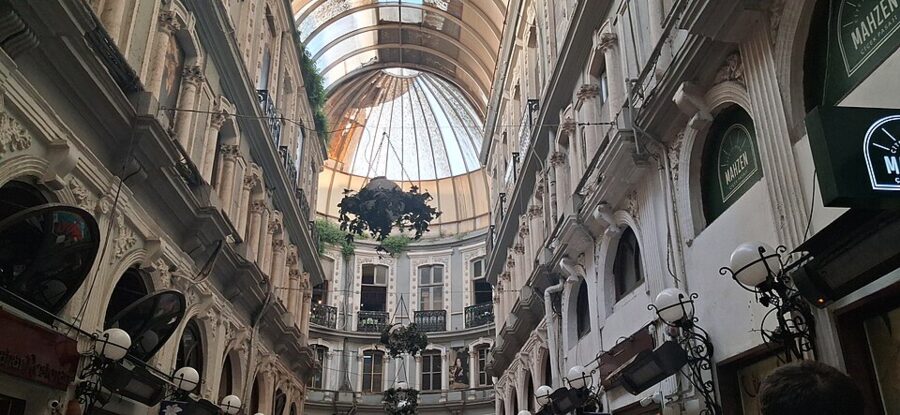

Asmalımescit, ten minutes down İstiklal toward Tünel, is the other meyhane quarter on this side: a grid of narrow lanes where tables fill the street after dark. Walk the lanes, compare two or three menus on the door, and pick the one where the tables are full of Turkish groups.
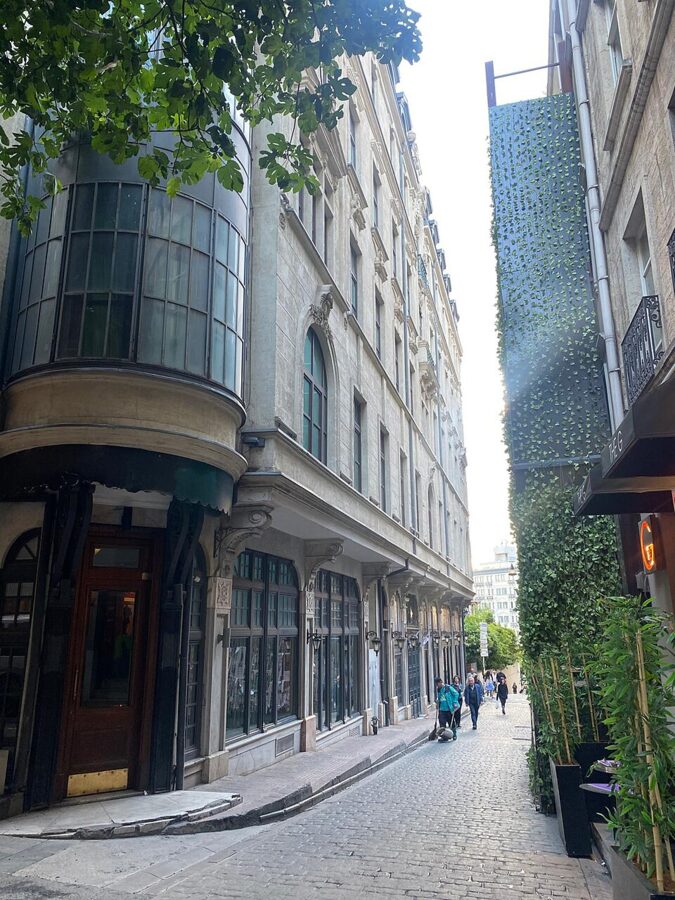
Kadıköy
On the Asian side, the meyhanes cluster in the market streets behind the Kadıköy pier and on the way up to Moda. The meze are as good, menus are often in Turkish only, and the bill runs well below Beyoğlu’s. On a weeknight you can usually walk in; on Friday and Saturday book ahead or arrive before 20:00.
Kumkapı
Kumkapı, on the Sea of Marmara below the Grand Bazaar, was the city’s fishermen’s quarter, and its square is ringed with fish restaurants that run as meyhanes at night. Musicians move from table to table playing fasıl on violin, clarinet, kanun and darbuka, and they expect a tip, a note pressed into the violinist’s hand, if they stop at yours. It is the most theatrical meyhane district in the city and the one most worked by touts.
Ask the price of fish by weight, check whether a fixed menu includes drinks, and refuse the dishes you did not order. Kumkapı is a 15-minute walk downhill from the Beyazıt–Kapalıçarşı stop on the T1 tram, which also makes it the easiest meyhane district from a Sultanahmet hostel.
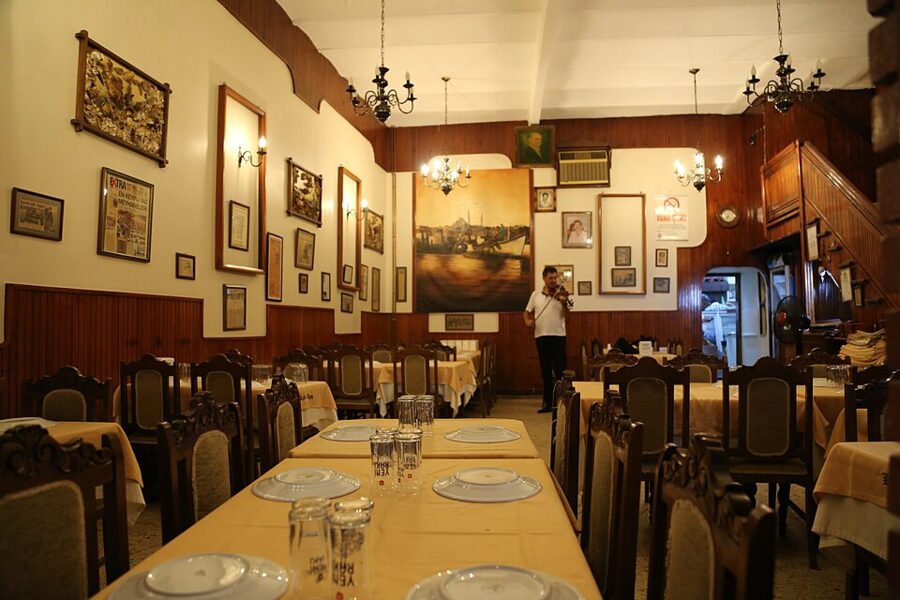

Kadıköy and Moda: the bar streets of the Asian side
If you have one night out in Istanbul, spend it in Kadıköy. It is where the city’s students, musicians and young office workers drink, the bars are cheap by Istanbul standards, and the ferry from Karaköy or Eminönü at dusk is the best 65 TL you will spend in Turkey. In spring 2026 the cheapest half-liter in Kadıköy bars ran from about 190 to 230 TL, against 420 TL for a bottle of Tuborg on a rooftop above İstiklal.
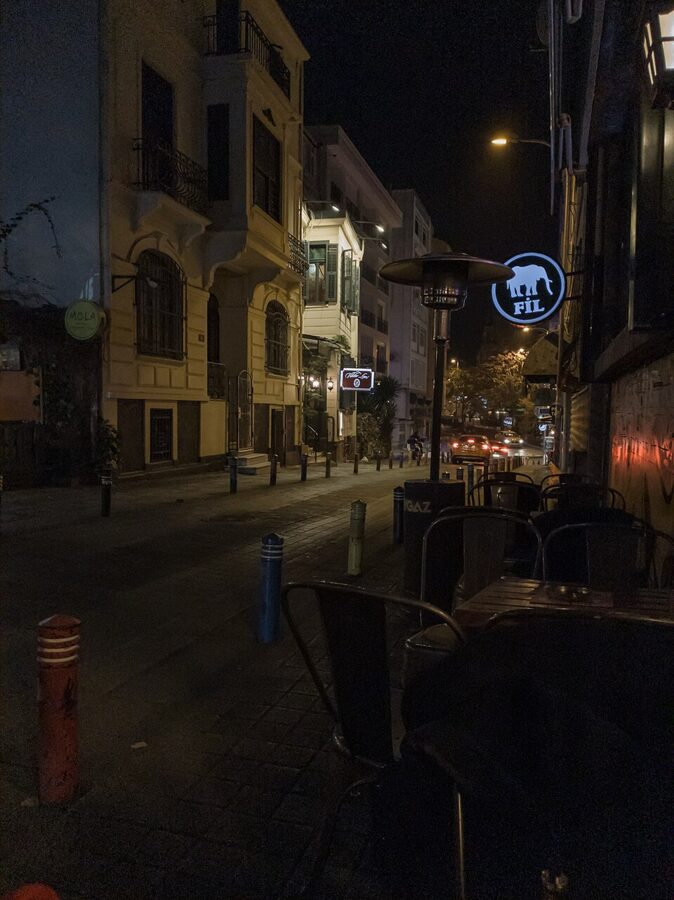

Kadife Sokak, the street of bars
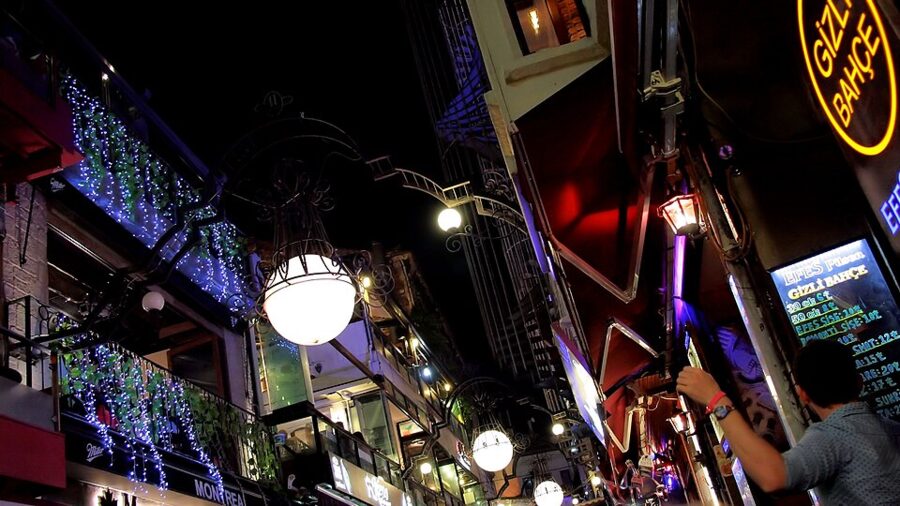
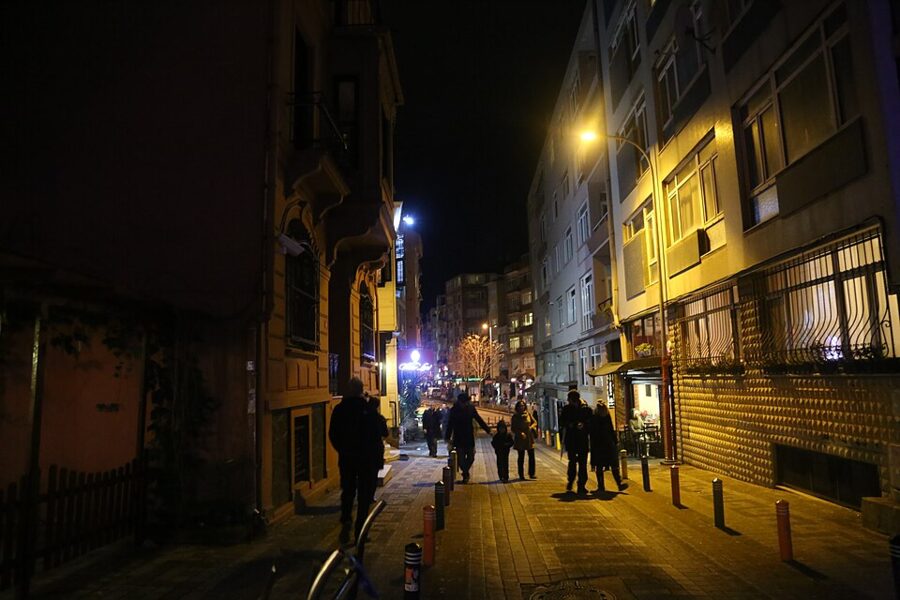
The center of it is Kadife Sokak, known to everyone as Barlar Sokağı, “the street of bars,” in the Caferağa quarter about ten minutes’ walk south of the pier. Many of its bars occupy old townhouses with balconies and roof terraces over the street, and rock bars, DJ bars and live rooms sit side by side. The lanes around it, Sakız Gülü Sokak and the streets toward Moda Caddesi, take the overflow.
Prices are posted, the music is loud and the crowd is mostly in its twenties. A rooftop bar on Kadife Sokak was advertising mulled wine for the cold nights in November 2026, which tells you the street does not close for winter. Walk the length of it once before you choose, because the same beer can differ by 40 TL or more from one door to the next.

Live music in Kadıköy
Kadıköy is the city’s rock and indie district. Dorock XL Kadıköy, a concert hall in the Caferağa bar quarter, had gigs several nights a week through November 2026, from Turkish rock bands to tribute nights, and tickets are sold online in advance. Smaller bars on and around Kadife Sokak put on local bands, and some charge a cover that includes a drink.
Moda and the shore
Moda is the quieter end. The shore path around the point is where half of Kadıköy goes at sunset, with tea, sunflower seeds or a can from the tekel, and the lawns of the seafront park fill on warm evenings. Buy before 22:00, take your rubbish with you, and keep it low-key.
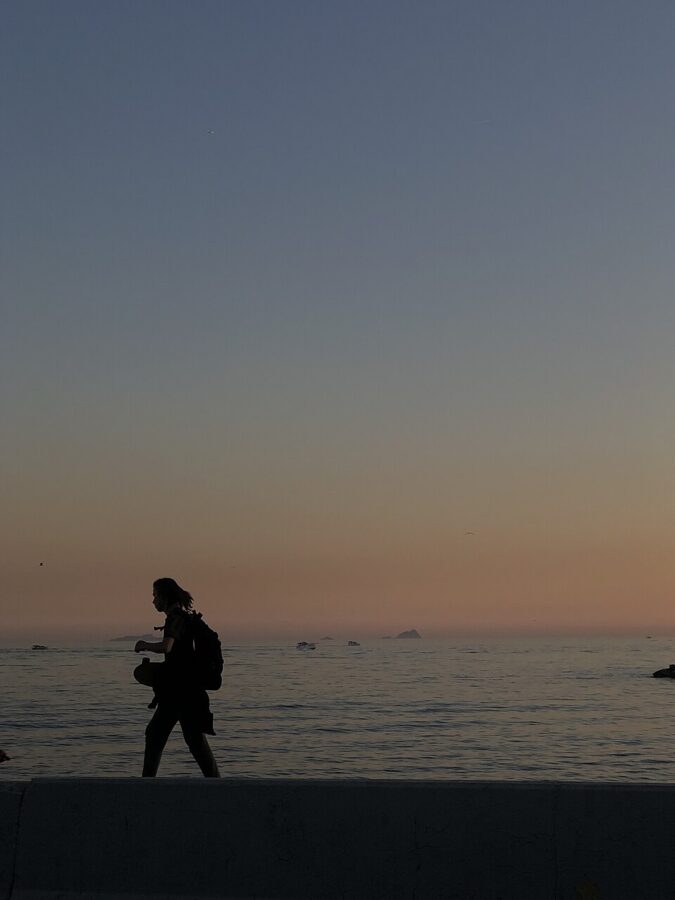
From Moda it is a short walk back into the bar streets, or back to the pier for the boats. On a weeknight the last ferries to Karaköy leave at 01:00; on Friday and Saturday nights the night boats run through until morning.
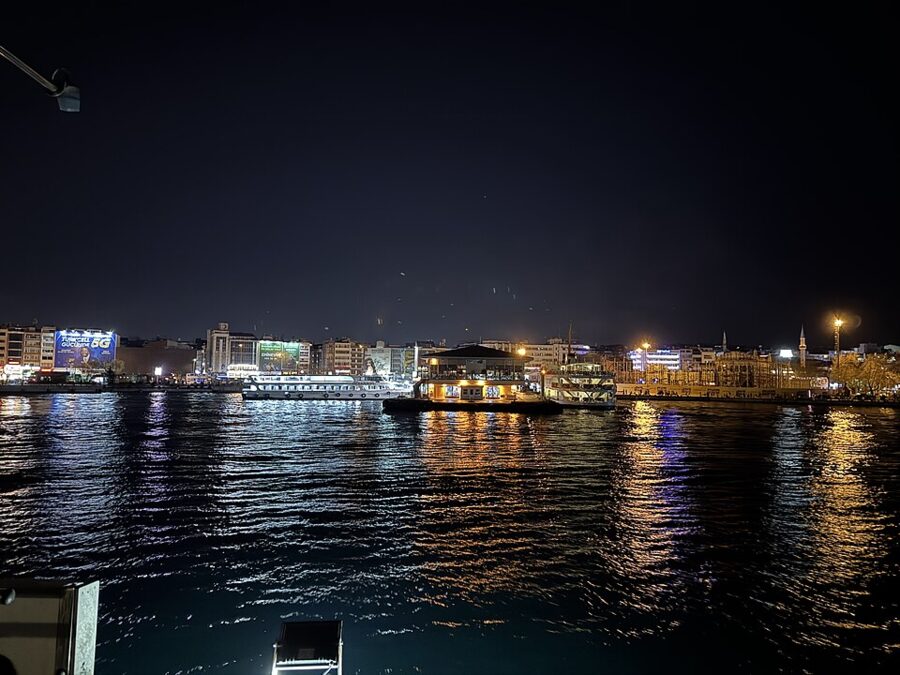

Beyoğlu: İstiklal and the side streets
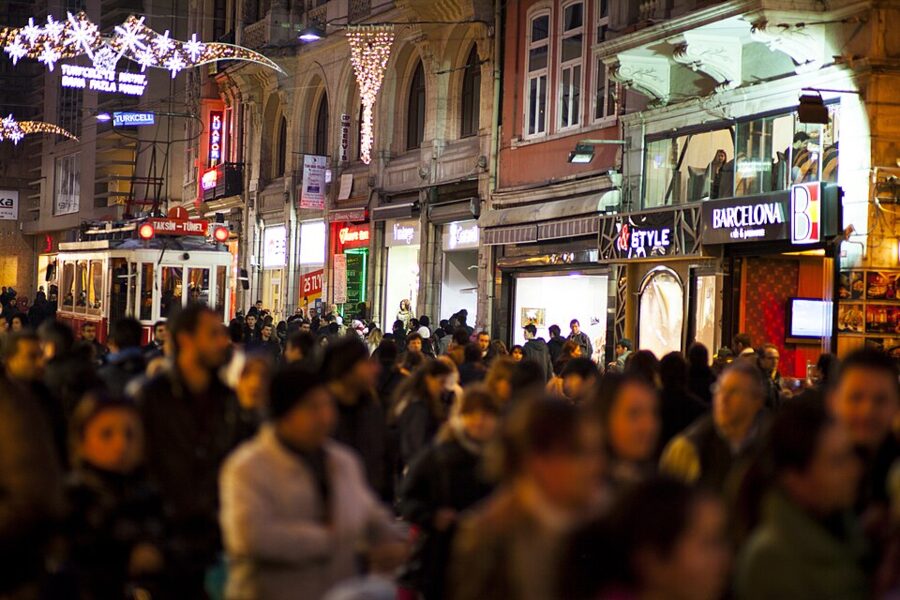
İstiklal Caddesi is the spine of the European side’s nightlife and the least interesting place on it to drink. The avenue itself is chain stores, street musicians and phone shops, and on weekend evenings it is packed from end to end. The bars are in the lanes on both sides, and the further you get from the avenue, the lower the prices.

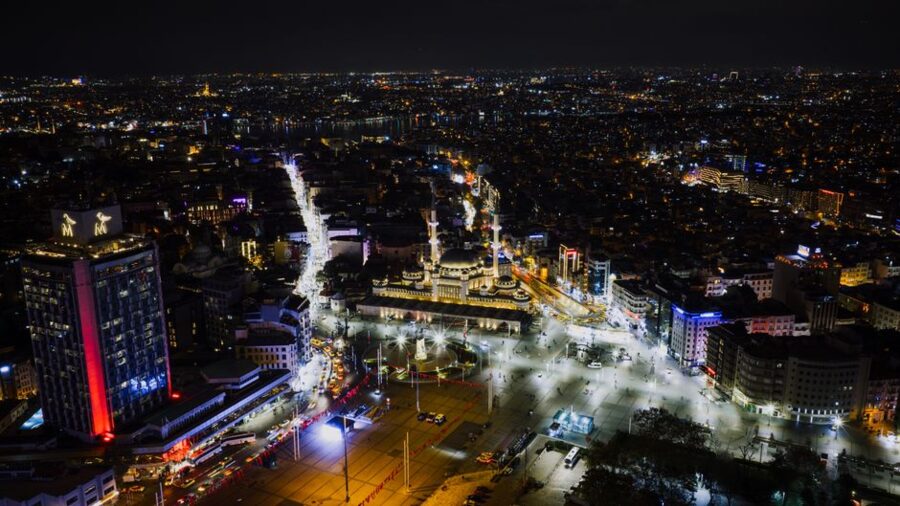
The Galatasaray end, around the fish market, Nevizade and Asmalımescit, is for meyhanes. The Taksim end has more bars, clubs and türkü houses in the side streets, and it is also where pickpockets work the weekend crowd. Keep your phone in a front pocket on the avenue and your wallet zipped.
Taksim Square at the top is a transport hub more than a destination: the M2 metro, the funicular down to Kabataş and buses in every direction. Large gatherings there are often stopped by the police, and the square can be closed at short notice on politically sensitive dates.
Karaköy and Galata
Karaköy, at the foot of the hill below Galata Tower, was the city’s port and banking district, and its old warehouses and bank buildings now hold bars, small restaurants and late cafes. It is calmer than İstiklal, the prices are mid-range, and the waterfront is a two-minute walk from the Karaköy ferry pier.
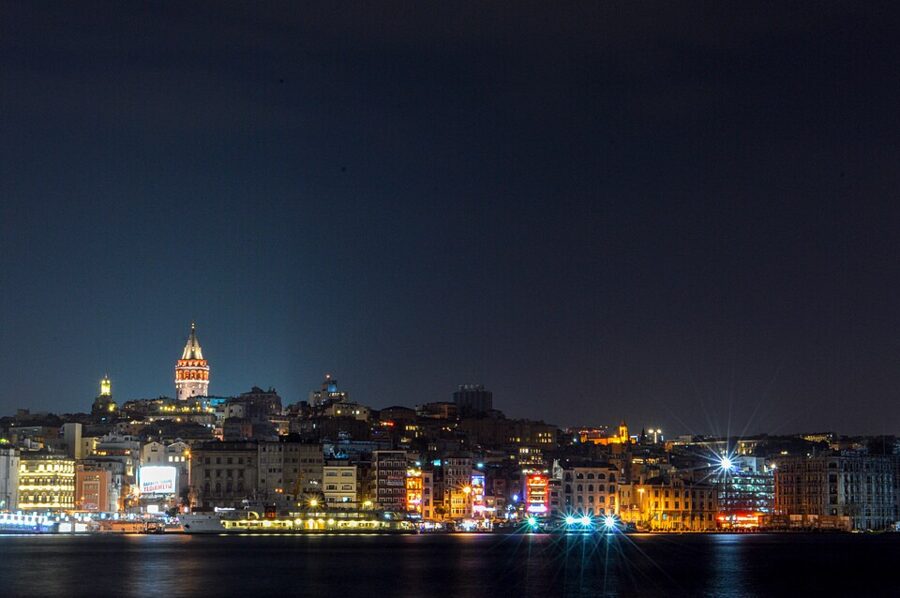

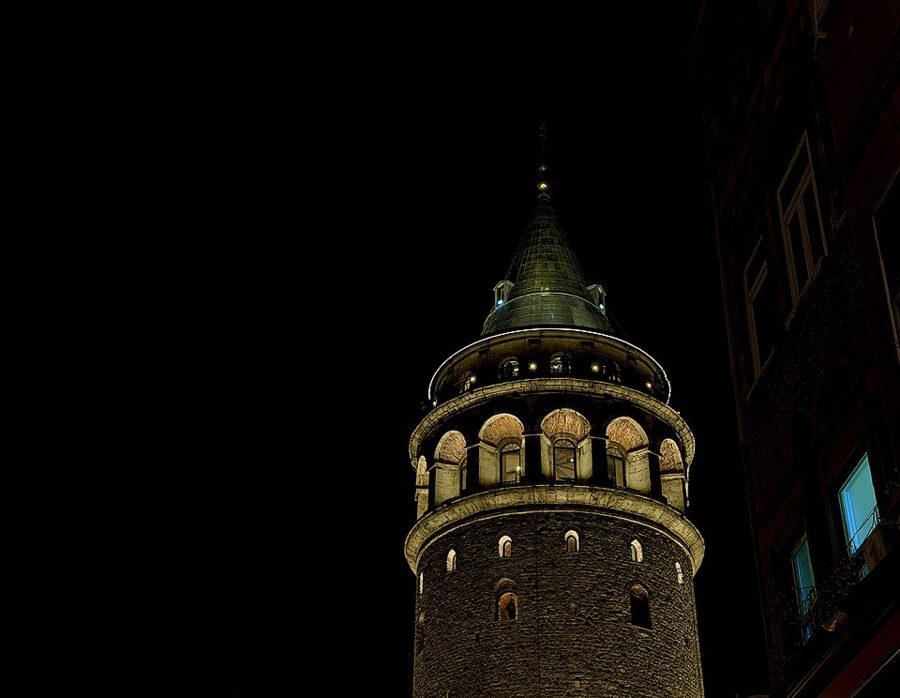
Galata, the old Genoese town on the slope above, centers on the tower the Genoese built in 1348. The lanes around it are lined with bars whose prices rise with every meter you get closer to the tower. Below it, the streets down to Karaköy hold the synagogues of Galata, including Neve Shalom, the largest in the city.

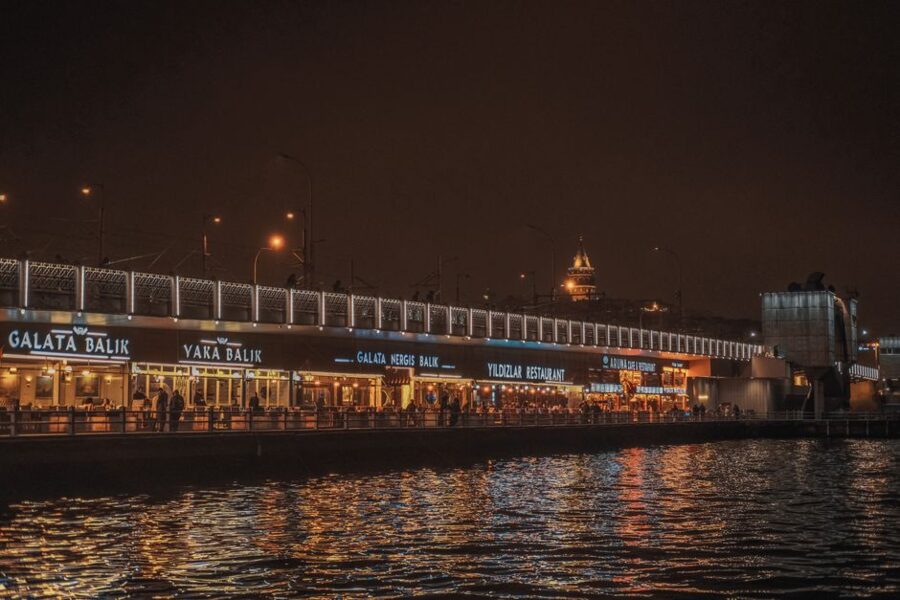
Galata Bridge, at the bottom of Karaköy, has a lower deck lined with fish restaurants and bars facing the Golden Horn. The view of the lit mosques on the old city’s hills is the main course; the food is tourist-priced and the waiters on the walkway sell hard. A beer there is a fair price for the view only if you agree the price before you sit.
Beşiktaş Çarşı
Beşiktaş, on the European shore north of Dolmabahçe, has the third big bar district, in the market streets (çarşı) behind the ferry pier. It is a university and football neighborhood: crowded with students on weeknights and with fans in black and white when Beşiktaş play at home, a short walk away. In spring 2026 the cheapest half-liter in Beşiktaş bars ran from about 175 to 215 TL, a little below Kadıköy.
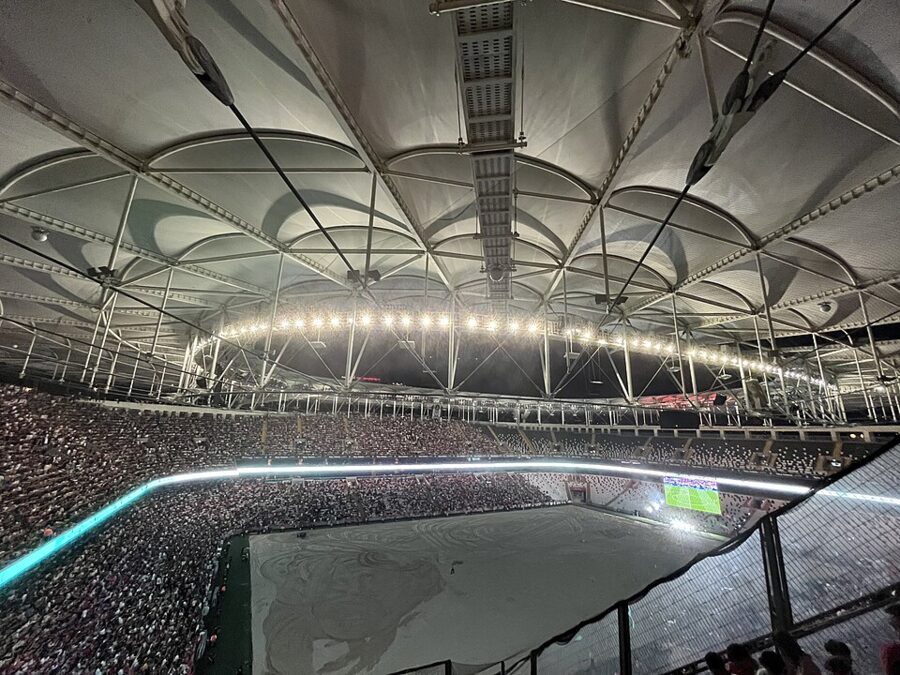

Ferries cross from Kadıköy to Beşiktaş until 23:15 on the winter timetable, and the weekend night boats call here too, so a night can start in Kadıköy and finish in Beşiktaş or the other way round. On match nights, check the fixture before you go: the streets around the stadium close and the bars fill hours before kickoff.
Rooftops, briefly
Istanbul’s rooftops are spectacular and priced accordingly. At 360 Istanbul, on the top floor of the Mısır Apartmanı on İstiklal, cocktails were listed at 950–1,100 TL in November 2026, a bottle of Tuborg at 420 TL and a glass of Yeni Rakı at 600 TL. The restaurant is open from 12:00 to midnight, and the club runs from 23:00 to 04:00 on its event nights.
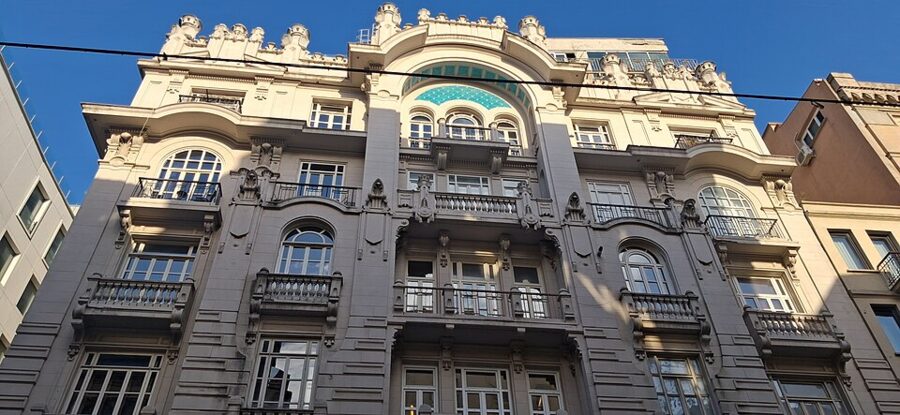

My advice is one drink at sunset, nursed slowly, then dinner somewhere else. Book ahead on Friday and Saturday, dress a step up from hostel clothes, and ask whether there is a minimum spend before you take a table with a view. For the same panorama for free, stand on the upper deck of Galata Bridge or the back deck of a ferry.
Live music: fasıl, türkü, jazz and the big rooms
Istanbul’s live music runs from a three-piece band at your meyhane table to international acts in concert halls, and most of it is cheaper than a night at a club. The ticket platforms Biletix, Passo and Bubilet list most concerts, and every venue in this section posts its program on its own site and social accounts.
Fasıl
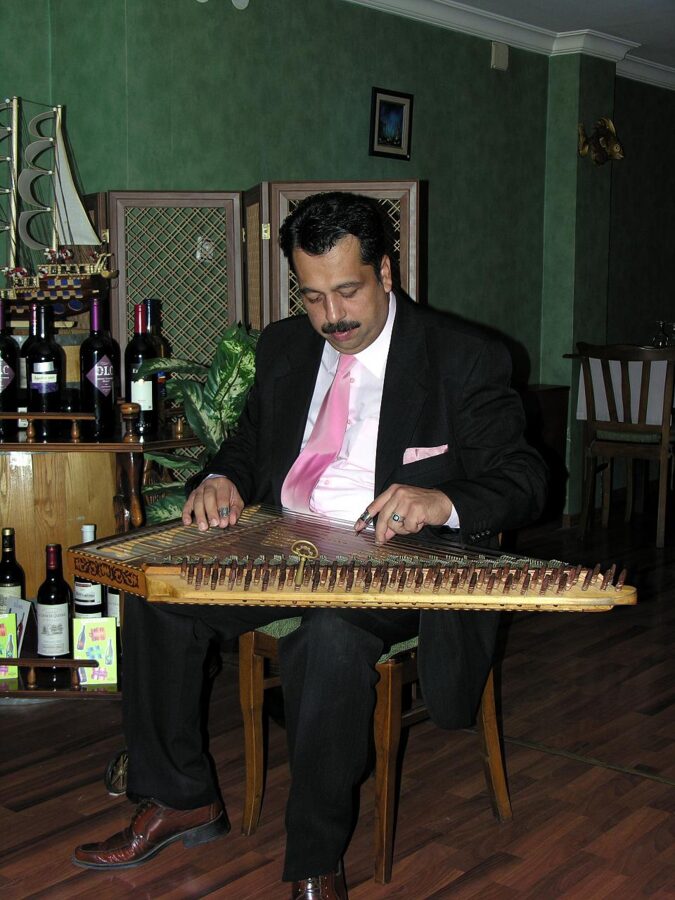
Fasıl is the city’s tavern music: Ottoman light classical songs and old Istanbul favorites played on violin, clarinet, kanun (a plucked zither), ud and darbuka, often with the whole room singing along by midnight. You hear it in Kumkapı, in some Beyoğlu meyhanes on weekend nights and in the bigger meyhanes that advertise “fasıl” on the door. There is no ticket; the band plays to the tables and the tables tip.

Türkü bars
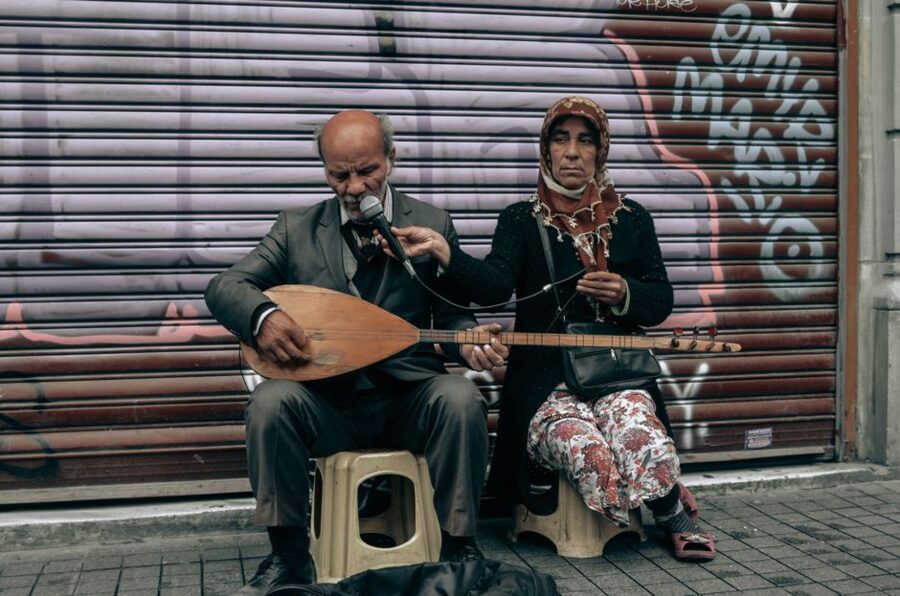
A türkü bar is a folk bar: a bağlama (long-necked lute) player and a singer working through folk songs from Anatolia, with the audience joining in the choruses. Hasnun Galip Sokak, off the Taksim end of İstiklal, was long the türkü street, but several of its houses have closed, including Havar Türkü Evi. Check that a place is open and has music that night before you walk over.
Jazz in Galata
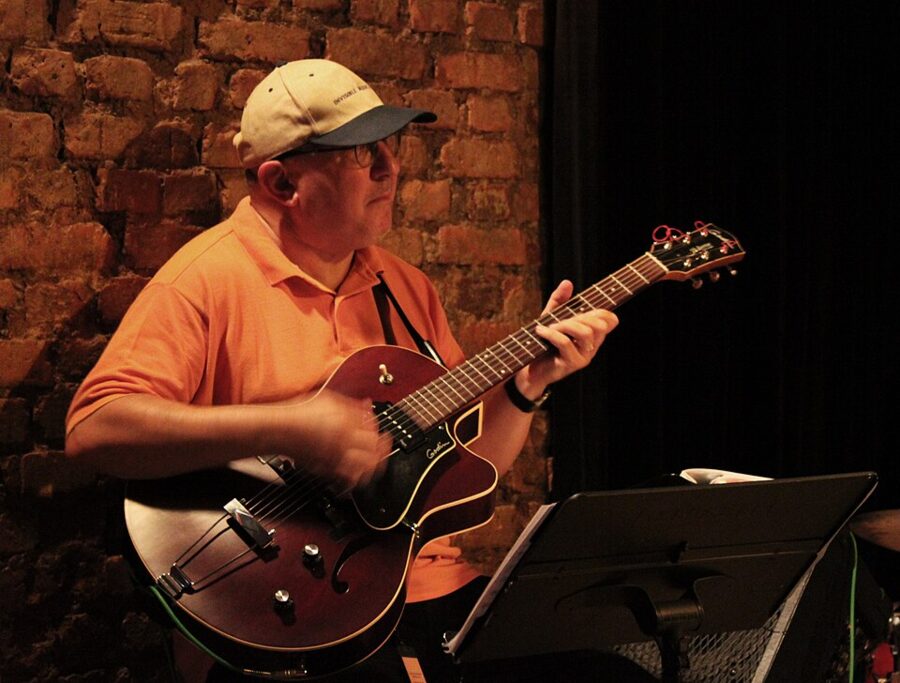
Nardis Jazz Club, at Galata Kulesi Sokak 8 a minute below the tower, is a small room with serious players and sets that start at 21:30. Its November 2026 program had a different group almost every night, including the guitarist Önder Focan, who founded the club, and the Lara Çetin Quartet on 24 November. The club closes on New Year’s Eve, so plan that night elsewhere.

Fiba Salon İKSV, the concert room of the Istanbul Foundation for Culture and Arts in Şişhane, runs a season of jazz, indie and world music concerts with doors at 20:30, and its autumn 2026 program ran into December. It is a five-minute walk from the Şişhane stop on the M2.
The bigger rooms
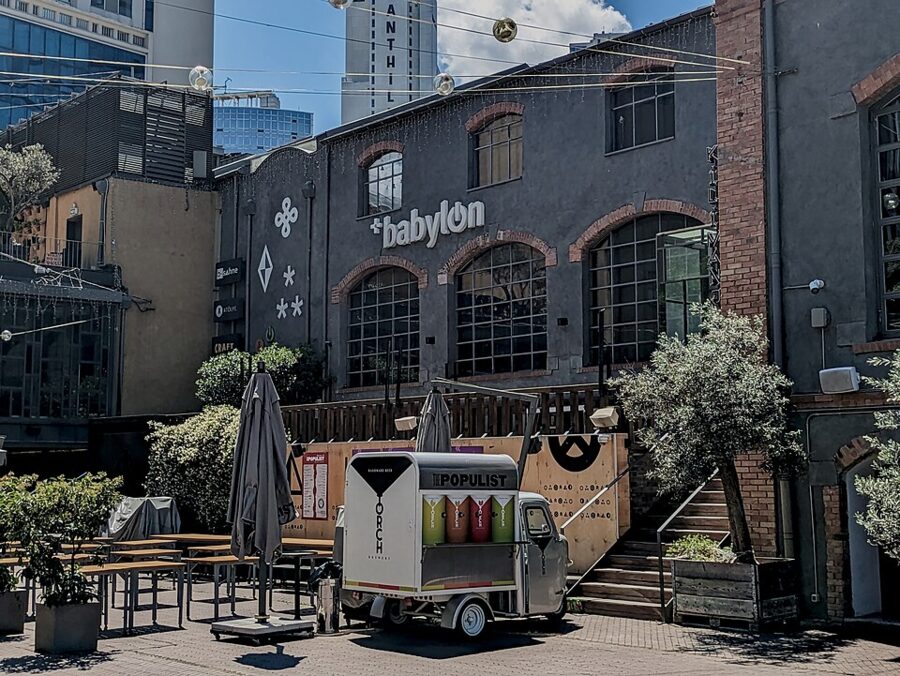
Babylon, in the old Bomonti brewery in Şişli, is the city’s best-known mid-size concert hall. Its late-November and December 2026 program mixed Anatolian rock, Balkan and world music and electronic nights, including Burhan Öçal and the Trakya All Stars on 27 November and BaBa ZuLa with Al-Qasar on 28 November. It is about 15 minutes’ walk from Osmanbey on the M2.

Across the water, Dorock XL Kadıköy covers rock and pop. For stadium-size names, the big shows go to arenas outside the center; check how you will get back before you buy, because most of them end after the last ferry.
The Turkish night shows
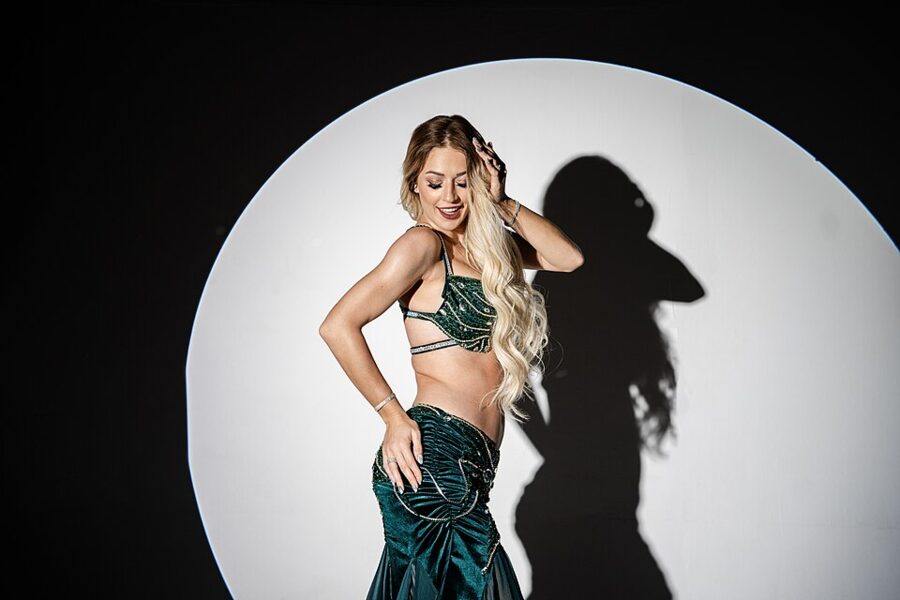
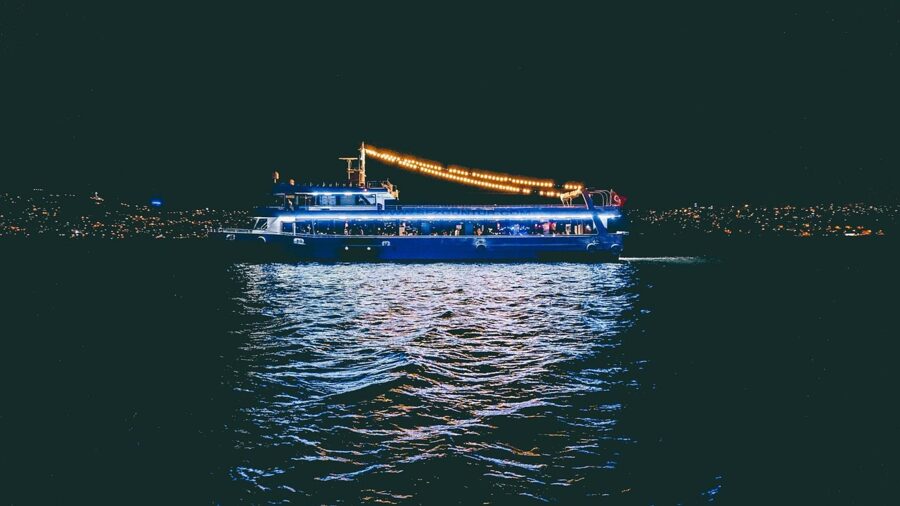
A Turkish night is a dinner show built for visitors: a set menu, folk dances from several regions in costume, a belly dancer who pulls guests onto the floor, a whirling dervish turn, and often a singer and a closing dance party. It is sold by hotel receptions, travel agencies and the touts of Sultanahmet, usually with a minibus pickup from your hotel. Some shows are on land, and many now run on dinner boats on the Bosphorus.

What it costs and what you get
On land, Sultana’s, on Cumhuriyet Caddesi in Elmadağ about ten minutes’ walk north of Taksim, was taking bookings into 2027 with prices in euros. The packages ran from €55 for the show alone with drinks extra to €87 for dinner, the show and four glasses of local alcohol, with €10 more for a return shuttle from your hotel; children aged 7 to 12 pay half. The doors open at 19:45, the show runs from 20:45 to 22:45, and New Year’s Eve has its own prices.
| Sultana’s package (2026–27) | Without transfer | With hotel shuttle |
|---|---|---|
| Show only, drinks extra | €55 | €65 |
| Show and unlimited soft drinks | €65 | €75 |
| Dinner, show and unlimited soft drinks | €75 | €85 |
| Dinner, show and four glasses of local alcohol | €87 | €97 |
On the water, agency listings for 2026 put the standard three-hour dinner boat at about €40 with soft drinks and €60 with local alcohol, with a hotel transfer included. The Bosphorus dinner cruises compete on price and seating, and the cheapest seats are the ones furthest from the stage and the windows.

Before paying a seller in the street, settle four things: whether the price includes dinner, which drinks are included and for how long, whether the transfer is both ways, and where your table is. “VIP” seating is usually the difference between seeing the dancers and seeing the back of a tour group. Pay the venue or a licensed agency, not a man with a laminated leaflet.
The dervish on the dance floor and the real sema
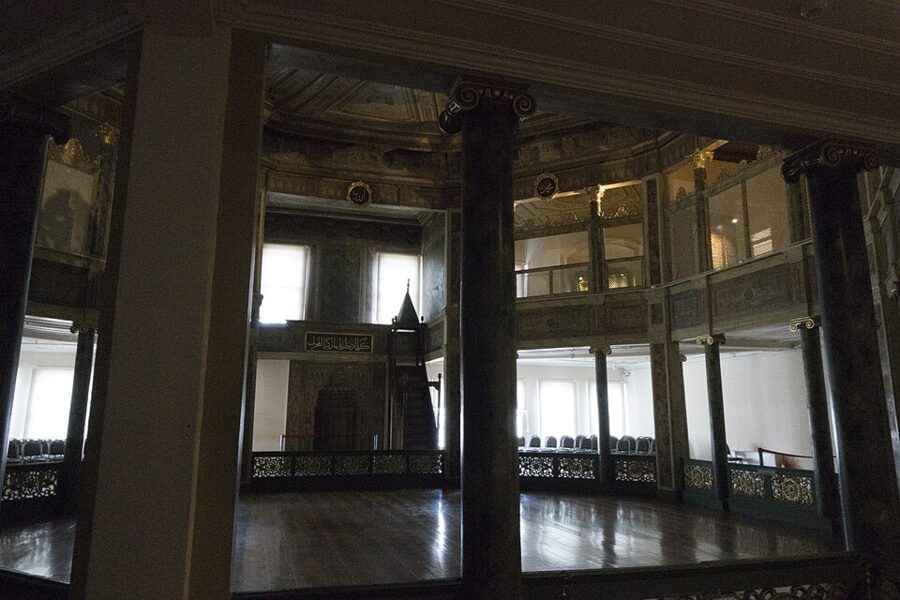
The whirling dervish in a Turkish night is a solo performer in costume doing a few minutes of turning between courses. The sema itself is a religious ceremony of the Mevlevi order, the Sufi brotherhood founded in Konya after the death of the poet Rumi (Mevlânâ) in 1273. It is a prayer in music and movement, in four parts, in which the semazens turn with the right palm raised to receive and the left turned down to give, and UNESCO lists it as Intangible Cultural Heritage.
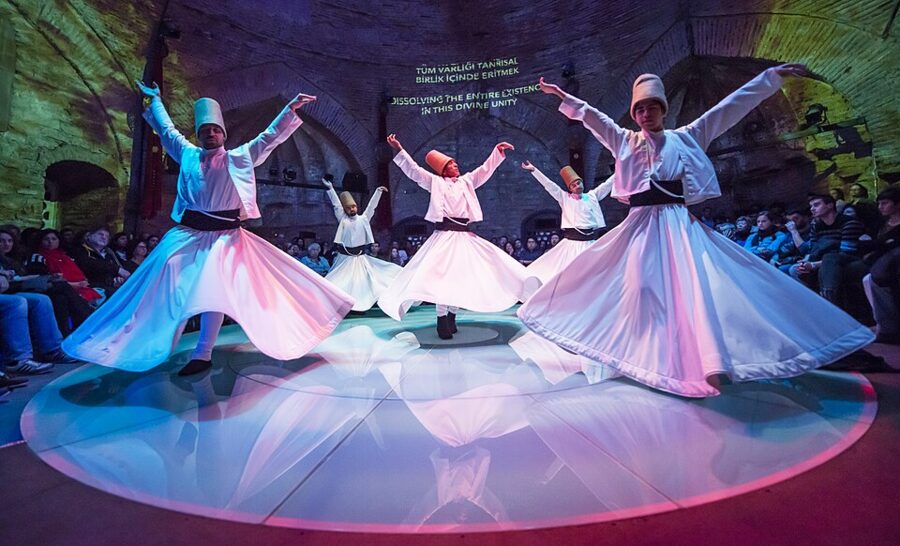

The Turkish state closed the dervish lodges in 1925, and the ceremony survives today partly as a performance. If you want to see it as close to the real thing as a visitor can, sit through a full sema with live Sufi music. The Hodjapasha Culture Center in Sirkeci stages one every evening at 19:00, and at 17:00 on Tuesdays, Thursdays, Saturdays and Sundays, about an hour long, with tickets from about 1,200 TL on Turkish ticket sites in November 2026; the same hall puts on a separate dance show, “Rhythm of the Dance,” on Tuesdays, Thursdays and Saturdays at 20:30.
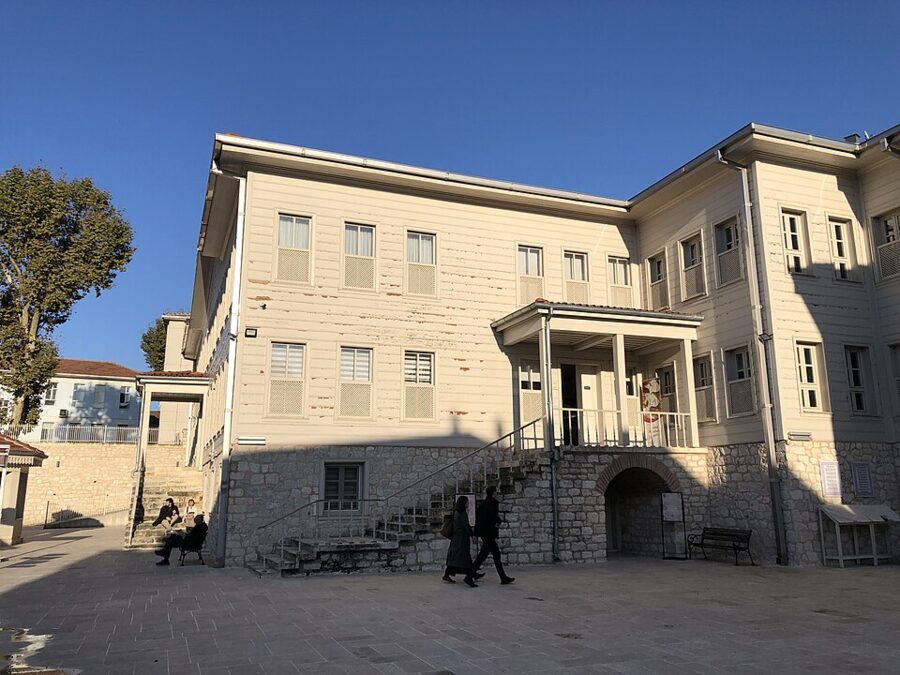
For a ceremony in an actual lodge, the restored Kasımpaşa Mevlevihanesi in Beyoğlu, founded in the 1620s by a sheikh of the Galata lodge, held ceremonies on Wednesday, Friday and Sunday afternoons at 17:00 in November 2026, with tickets at 1,400 TL. Whichever you choose, the rules are the same: no applause, no flash, and stay seated until the semazens have left the floor.


Is a Turkish night worth it?
For most backpackers, no. €75–87 buys a set dinner and a two-hour revue; the same money buys a long meyhane evening with fasıl in Kumkapı and a Hodjapasha sema on another night, with change. If you are traveling with family, want one evening where everything is arranged, or simply like a party, the boats are the better value of the two formats, and the view of the lit bridges is real.
Staying safe after dark
Istanbul’s central nightlife districts are busy until late and, for a city of its size, safe to walk. The risks are specific and avoidable, and most of them involve money rather than violence.
The bar scam
The classic Istanbul scam is still run around Taksim and İstiklal: a friendly stranger suggests a drink at a bar he knows, women join the table, and the bill comes to hundreds of euros with large men at the door. Choose your own bars, never follow someone who approached you, and walk out before ordering if the menu has no prices. The Istanbul travel guide covers the city’s other scams, from the shoe-shine drop to taxi meters.
Counterfeit spirits
Fake alcohol is a real danger in Turkey, where high taxes make cheap bootleg spirits profitable. In January 2025, counterfeit drink laced with methanol killed at least 37 people in Istanbul in five days. Stick to beer, wine and branded spirits from licensed bars and tekels, be wary of very cheap cocktails or unbranded bottles, and get to a hospital fast if anyone in your group develops blurred vision, severe headache or confusion after drinking.
Drinks, solo travel and getting harassed
Drink spiking is not common but it happens, mostly in crowded clubs and bars on the tourist circuit. Watch your glass, do not accept drinks you did not see poured, and stay with your friends at the end of the night. In Beyoğlu and Kadıköy women out alone or in pairs are a normal sight, but unwanted attention, from comments to men who follow you down a street, is common enough that most local women plan the route home before they go out.
Sit with groups, use a taxi app rather than a car that pulls up beside you, and walk on the busy streets even when the map shows a shortcut. If someone bothers you, say “yeter” (enough) loudly and go into the nearest shop or bar; staff will usually step in.
LGBTQ travelers
Same-sex relationships are legal in Turkey, and Beyoğlu has a handful of gay-friendly bars and clubs. Public LGBTQ events are a different matter: the Istanbul governor has banned the Pride march every year since 2015, and police detained more than 50 people at the attempted 24th Istanbul Pride on 28 June 2026. Draft laws that would have criminalized LGBTQ expression were floated in 2025 and 2026 and dropped from the judicial reform package presented to parliament in June 2026, but the political climate is hostile. In practice, venues operate quietly, public displays of affection draw attention, and dating apps should be used with care.
Taxis late at night
Taxis are cheap by European standards and the source of most late-night arguments. Use the meter, have the address on your phone in Turkish, and pay with small notes. The safest way to get one is through an app: BiTaksi and Uber both hail licensed Istanbul taxis, show the route and record the trip.
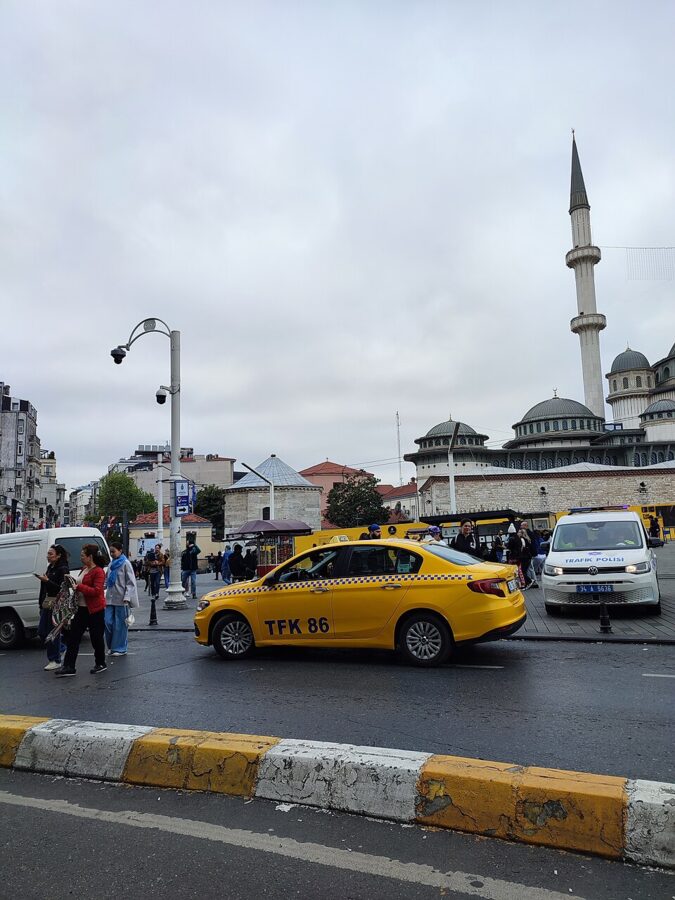

| Taxi class (tariff from 20 July 2026) | Flag fall | Per km | Minimum fare |
|---|---|---|---|
| Yellow | 71.94 TL | 47.92 TL | 230 TL |
| Turquoise and fully electric | 82.73 TL | 55.10 TL | 265 TL |
| Black (luxury) | 122.30 TL | 81.46 TL | 400 TL |
A 10 km ride that takes 30 minutes in traffic comes to roughly 850 TL in a yellow taxi on that tariff, before any toll. If the driver crosses a Bosphorus bridge or the Eurasia Tunnel, you pay the toll for your direction of travel only, never the return.
Getting home
The last train is the real curfew of an Istanbul night, and it is later than most visitors think. The core of the system is the M2 metro through Taksim and Şişhane, the Marmaray under the Bosphorus, and the ferries between the European piers and Kadıköy, all on the same Istanbulkart.
The night metro
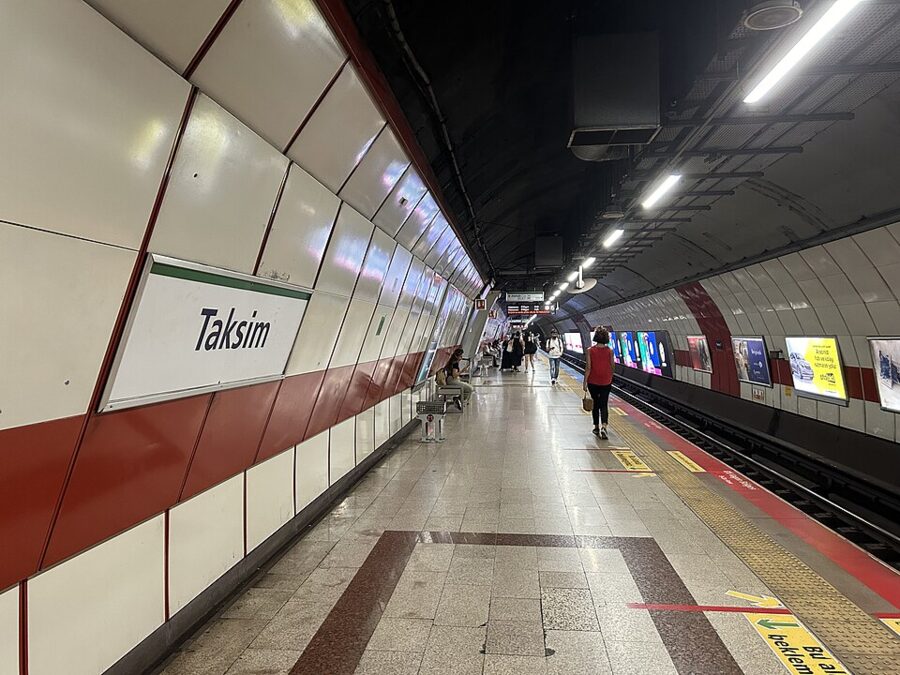
On the nights from Friday into Saturday and Saturday into Sunday, Metro İstanbul runs a night service on seven lines: M1A and M1B from Yenikapı, M2 through Taksim, M4 from Kadıköy to Sabiha Gökçen airport, M5 from Üsküdar, M6 to Boğaziçi University and M7 from Yıldız to Mahmutbey. Trains run less often than in the day, and a separate night fare applies. The T1 tram to Sultanahmet is not part of it.
Marmaray and the Metrobüs
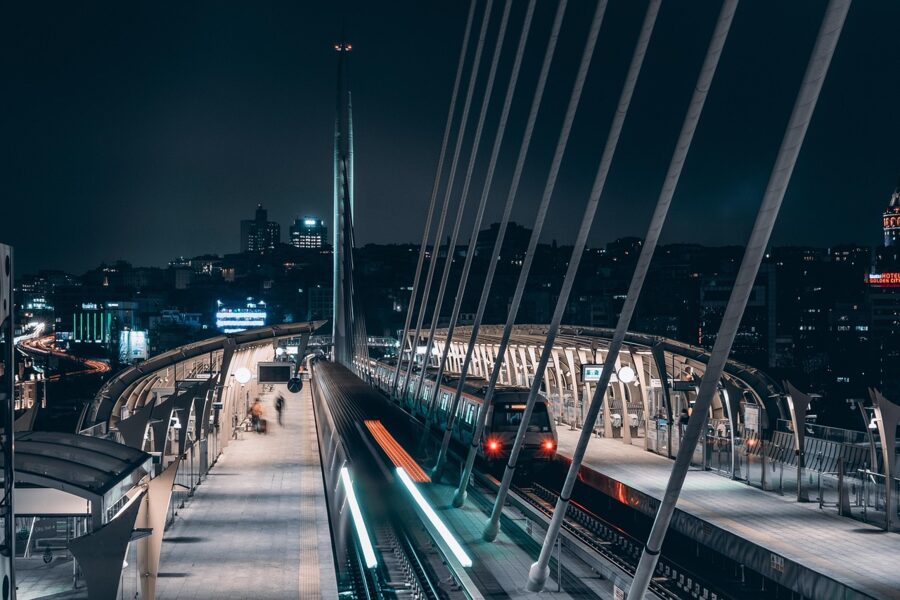
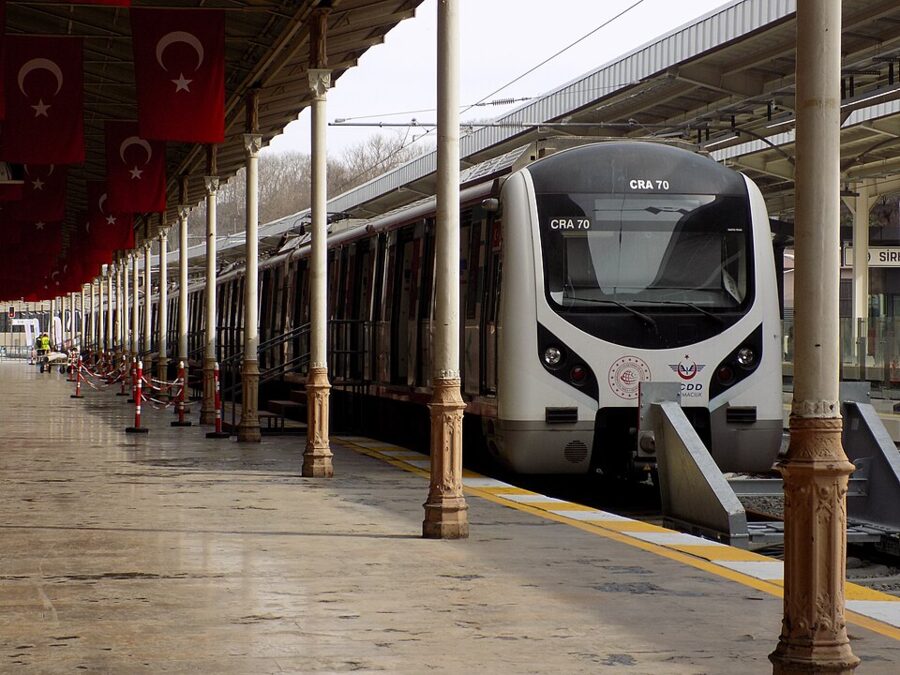
The Marmaray suburban line runs under the Bosphorus between Sirkeci and Üsküdar and on to Ayrılık Çeşmesi, the change for the M4 to Kadıköy. Since 3 May 2026 its late trains run every night, not only at weekends: on the summer 2026 timetable the last trains left Yenikapı at 00:00 toward Gebze, via Sirkeci and the Asian side, and at 00:36 toward Halkalı. The Metrobüs, the bus rapid transit line that crosses the Bosphorus Bridge, has run around the clock for years, and İETT runs a handful of night bus lines between midnight and 06:00.

Ferries
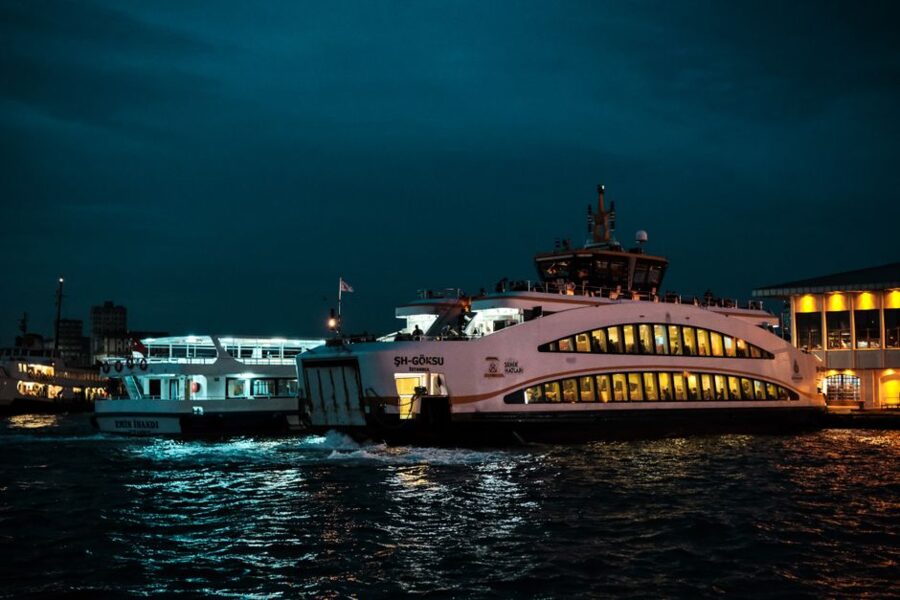
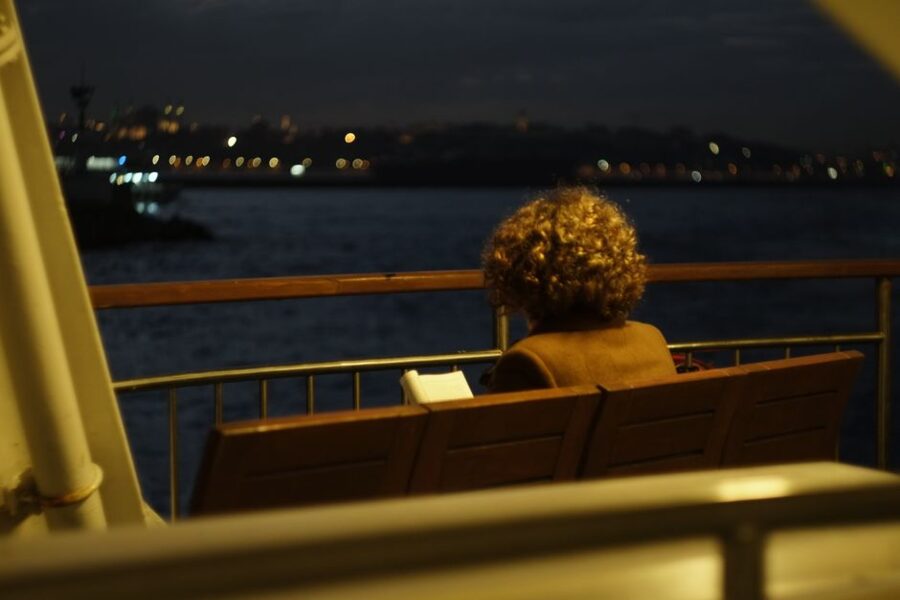
The city ferries (Şehir Hatları) are on the 2026–27 winter timetable from 7 September 2026 to 27 June 2027. After 21:00 the Kadıköy boats stop calling at Eminönü and shuttle between Kadıköy and Karaköy every half hour, with the last departures from both piers at 01:00. On Friday and Saturday nights a night line links Kadıköy, Karaköy and Beşiktaş through the small hours, roughly every 30 minutes until 01:40 and then about once an hour until the last boats around 05:25.
| Route | Last departure | Notes |
|---|---|---|
| Kadıköy–Karaköy ferry | 01:00 from both piers | Every 30 minutes after 21:00, daily |
| Kadıköy–Eminönü ferry | About 21:00 | After that, use the Karaköy boats |
| Kadıköy to Beşiktaş ferry | 23:15 | Daily |
| Üsküdar–Eminönü ferry | 22:00 from Üsküdar, 22:30 from Eminönü | Daily |
| Kadıköy–Karaköy–Beşiktaş night boats | About 05:25 | Friday and Saturday nights only |
| Marmaray from Yenikapı | 00:00 toward Gebze, 00:36 toward Halkalı | Late trains every night since May 2026 |
| Night metro (M1A, M1B, M2, M4, M5, M6, M7) | All night | Friday and Saturday nights only, night fare |
| Metrobüs | All night | Every night |
Timetables change with the seasons, with match nights and with festivals, when the metro and Marmaray often add late trains. Check the operator’s app or the board at the pier on the day, and if the last boat is the plan, be on the pier ten minutes early: the gates close before departure.
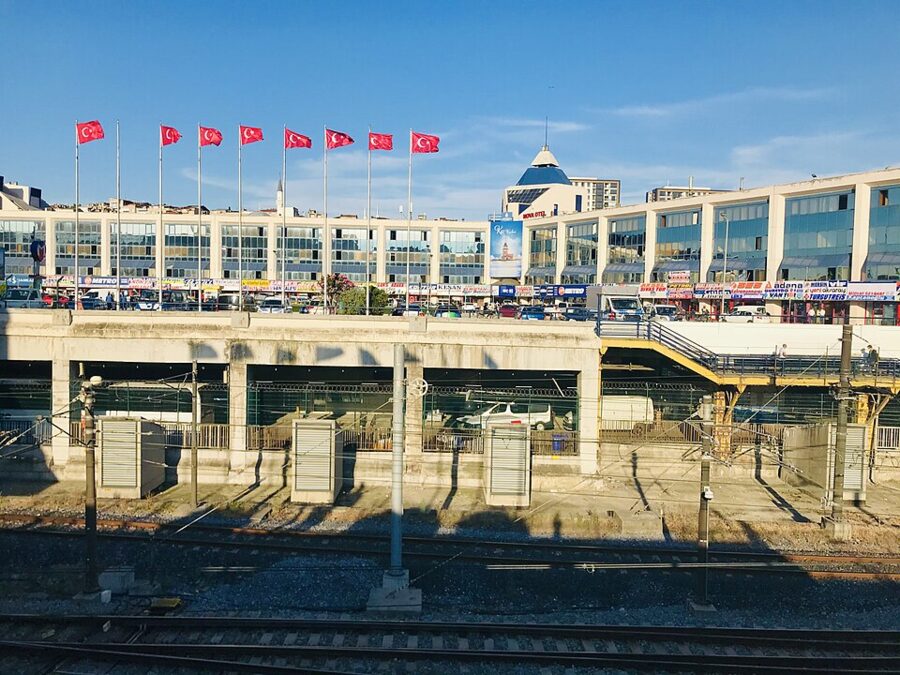

So the night that started at the tekel before 22:00 ends at the pier. Load 300–400 TL on the Istanbulkart in daylight, buy your can before ten, and catch the 01:00 boat from Kadıköy if it is a weeknight. And when the city is finished with you, the overnight buses out of the Esenler otogar are the cheapest bed in Turkey; getting around Turkey has the routes.