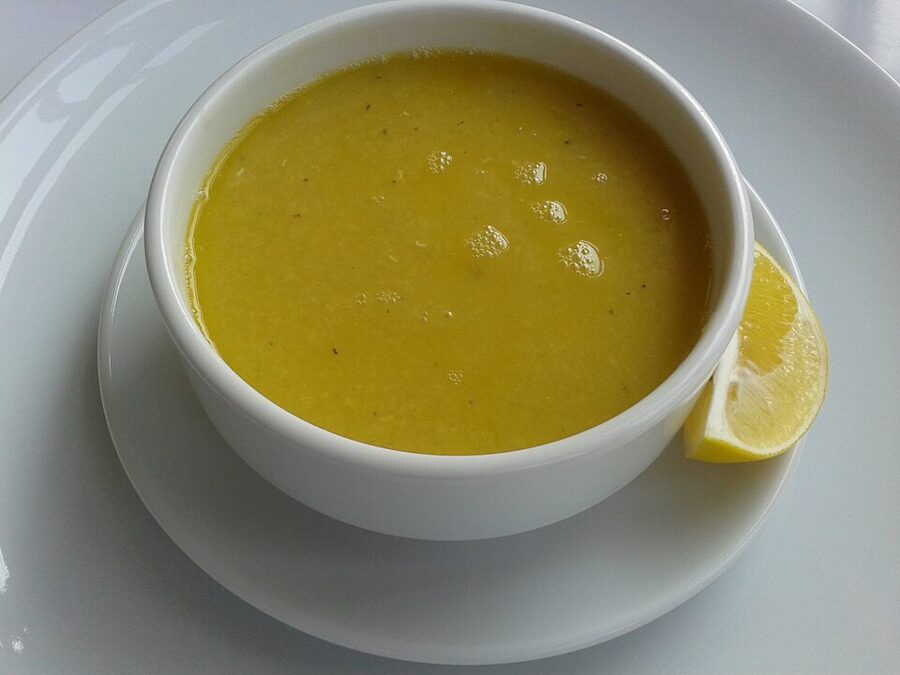
A bowl of red lentil soup costs about 150 TL almost anywhere in Turkey in late 2026. It comes with a basket of bread that the waiter refills without asking, a wedge of lemon and a shaker of chili flakes, and it is a proper meal. That bowl is the floor of the Turkish food budget, and it is a high floor.
The lira moves every few months and menu prices move with it, so every figure below carries the year. What does not move is the shape of eating cheaply here, and it is the same in Edirne as in Van.

Ten dishes cover most of what is worth crossing the country to eat. The prices are the medians on restaurants’ online-order menus across Turkey in November 2026; sit-down prices in tourist districts run higher, and small-town counters lower.
| Dish | What it is | Where it is best | Typical price (2026) |
|---|---|---|---|
| Mercimek çorbası | Red lentil soup, the national lunch starter | Any lokanta, any town | About 150 TL a bowl |
| Serpme kahvaltı | The full breakfast spread, dozens of small plates | Van, and village breakfast houses everywhere | 250–500 TL a head at neighborhood places |
| Zeytinyağlı | Vegetables cooked in olive oil and eaten cold | The Aegean coast, and every lokanta counter | Usually the cheapest tray at a lokanta |
| Lahmacun | Thin dough spread with spiced minced meat | Gaziantep and Şanlıurfa | About 170 TL each |
| Adana kebap | Hand-minced lamb grilled on a wide skewer | Adana | About 500 TL a portion |
| İskender | Döner on pide with tomato sauce, butter and yogurt | Bursa | About 550 TL a portion |
| Pide and etli ekmek | Boat-shaped and long thin flatbreads from a wood oven | The Black Sea coast; Konya for etli ekmek | About 340 TL a pide |
| Mantı | Tiny meat dumplings under garlic yogurt | Kayseri | About 390 TL a plate |
| Hamsi | Black Sea anchovies, fried in cornmeal | Trabzon and Rize, November to February | As little as 50 TL a kilo at the Rize stalls in January 2026 |
| Baklava and künefe | Pistachio pastry; hot cheese pastry in syrup | Gaziantep for baklava, Antakya for künefe | About 250 TL for a single künefe |
Three habits keep the whole trip cheap. First, eat lunch at a lokanta (or esnaf lokantası, a tradesmen’s restaurant): soup, a stew, rice and bread came to roughly 400–650 TL in Istanbul in 2026, less in Anatolian towns. Second, take breakfast from a bakery or simit cart: a simit was 20 TL in Ankara and 30 TL in Istanbul in autumn 2026, and tea in a teahouse (kıraathane) about 20 TL. Third, eat where workers eat, near the covered market, the bus station and the industrial estate (sanayi).

Two rules work in your favor. Since January 2024, restaurants and cafés must post their prices at the door and on the tables. Since 30 January 2026, they may not add a cover charge (kuver), table charge or service charge to the bill; if one appears, ask for it to come off.
Contents
Breakfast: the spread, the eggs and the bakery
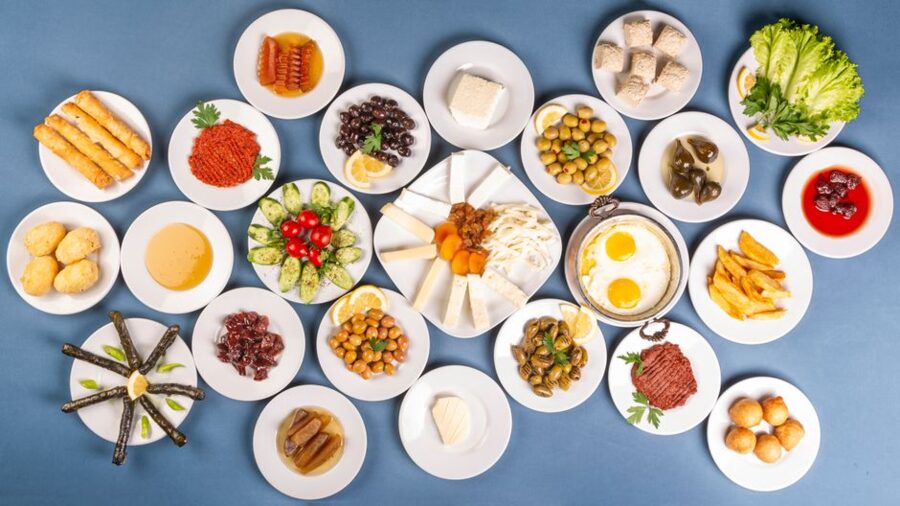
The Turkish word for breakfast, kahvaltı, is usually read as kahve altı, “before coffee”: the meal you eat before the first coffee of the day. In practice the drink is tea, poured from a double teapot (çaydanlık) into small tulip-shaped glasses, and the meal is cheese, olives, tomato, cucumber, bread and something sweet, eaten slowly.
Kahvaltı and serpme
Order a kahvaltı tabağı in a café and you get one plate with a little of everything: white cheese, yellow kaşar, olives, tomato and cucumber, a boiled egg, butter and honey or jam. The median plate on menus nationwide was about 400 TL in November 2026. It rarely beats a bakery for value.
Serpme kahvaltı (“spread-out breakfast”) is the weekend version: twenty or thirty small dishes across the table, eggs cooked to order, tea refilled until you stop it. Industry price lists in 2026 put it at 250–500 TL a head at neighborhood and village places, around 600 TL at chains and 1,200–1,500 TL at upscale restaurants. The restaurant federation TÜRES says about half of every spread goes back uneaten.
I would eat one serpme in a village and take every other breakfast from a bakery. Two people can also share one breakfast and add a plate of eggs.
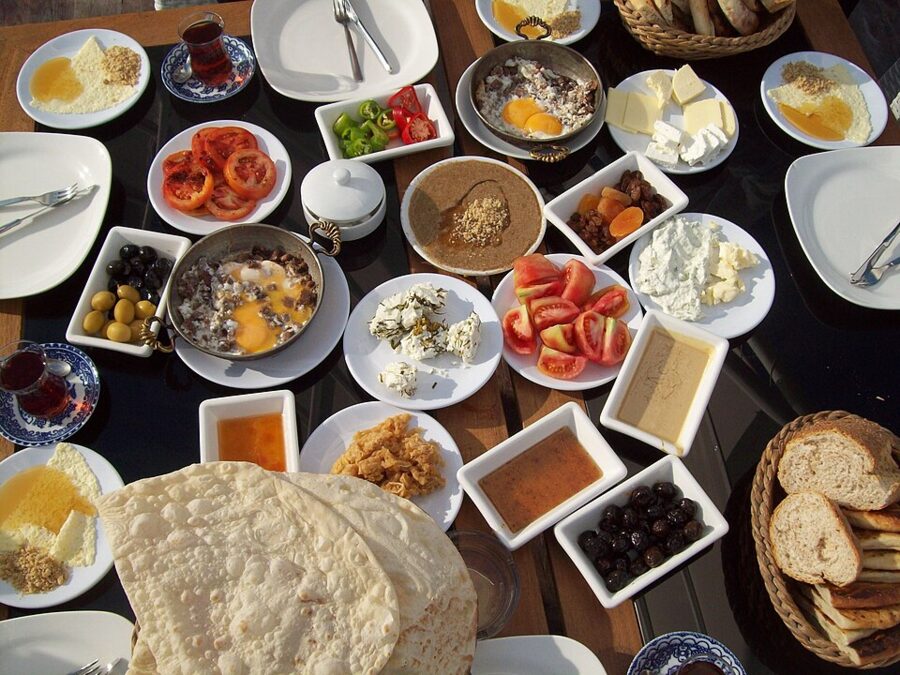

The most famous version is in Van, in the far east, where “Van kahvaltısı” was registered as a geographical indication in 2020: herb cheese, kaymak (clotted cream) and honey, murtuğa, cacık and bread, in a street of breakfast salons in the city center. It is the one breakfast worth a detour.
Eggs: menemen and sucuklu yumurta
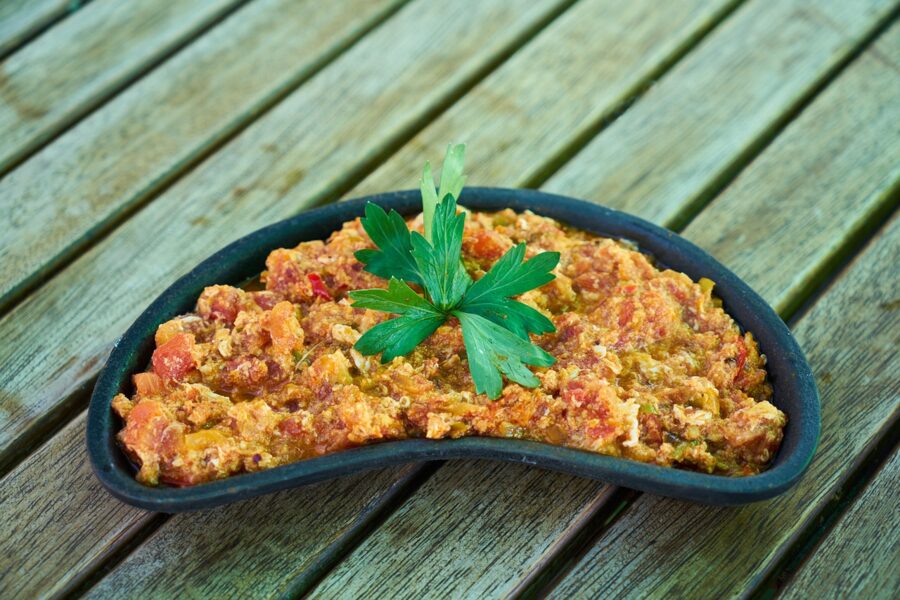
Menemen is eggs scrambled into soft tomatoes and green peppers in a small two-handled pan (sahan), eaten from the pan with bread. It costs a little less than a breakfast plate and is more food. Whether it should contain onion is a national argument with no winner.
Sucuklu yumurta is fried eggs over slices of sucuk, a garlicky beef sausage, and sahanda yumurta is plain fried eggs in the same pan. Both work as a cheap supper too.
Simit, poğaça and börek
The cheapest breakfast in Turkey is a simit, a ring of bread dipped in grape molasses and rolled in sesame, with a glass of tea from the nearest çay ocağı (tea stove). In November 2026 Ankara’s simit makers sold at 20 TL and said each cost them 21.50 TL to make, so a rise in 2027 is likely; Istanbul’s went to 30 TL in September 2026. In İzmir the same ring is called gevrek and is flatter and crisper.
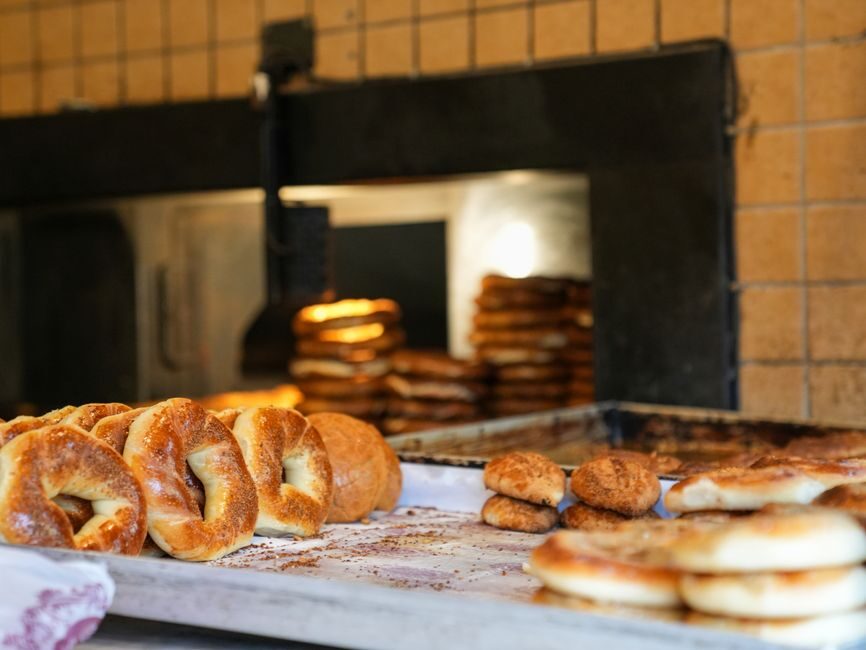
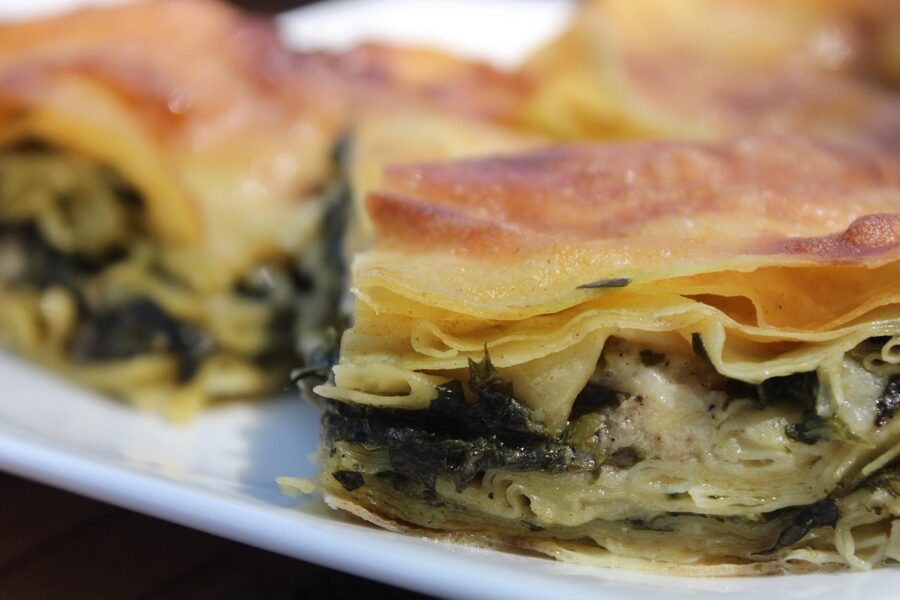
A fırın (bakery) or pastane (pastry shop) sells the rest of the morning: poğaça, a soft bun filled with cheese or olives; açma, a buttery ring; and börek, layered pastry with cheese, spinach, potato or mince, sold by the portion or the kilo. Go early, because the best trays are gone by 10:00.
The lokanta: soups, stews and home cooking
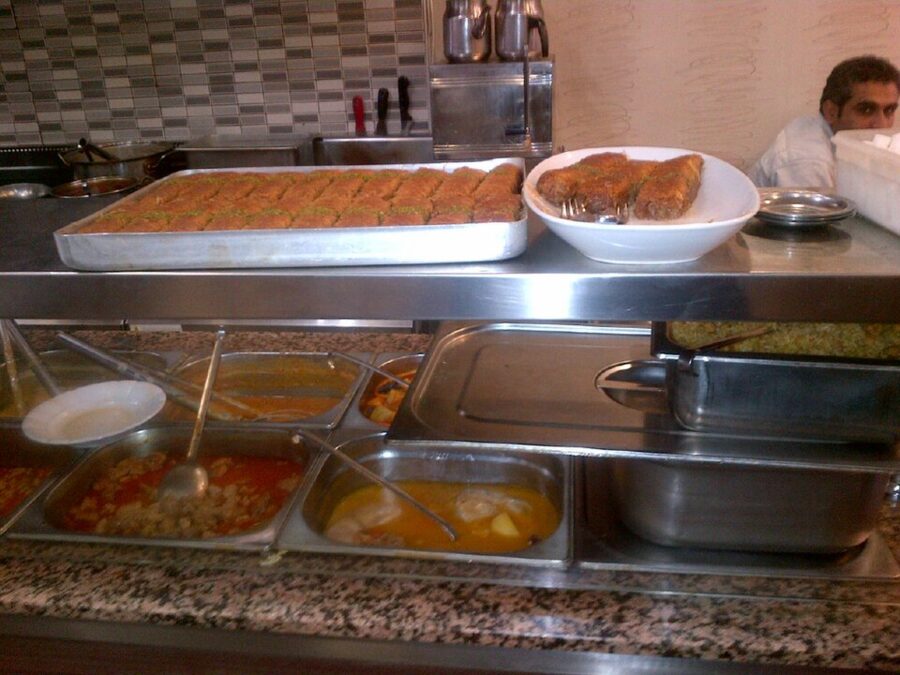
A lokanta cooks the food Turkish families eat at home, in large pots from early morning, and sells it until it runs out. You look at the steam table, you point, and someone carries the plates to your table; you pay at the till on the way out. Bread is free and refilled.
One word does most of the work: yarım, half. A half portion of almost anything costs a little over half the price, so you can try two dishes for the cost of one, and “bir de pilav” adds rice. The counter is fullest between about 11:30 and 14:00. By evening the choice shrinks, and many lokantas close early.
For Istanbul’s lokantas and the city’s 90 TL municipal canteens, the guide to Istanbul street food has addresses and prices. Everywhere else, the busy one with office workers in it at 12:30 is the good one.

Soups: mercimek, ezogelin and işkembe
Soup opens every lokanta meal and often is the meal. Mercimek is red lentils cooked with onion and carrot and blended smooth; the median bowl was about 105 TL in Trabzon, 130 TL in Gaziantep and 145 TL in Istanbul in November 2026. Ezogelin is its rougher cousin, red lentils with bulgur and rice, tomato paste and dried mint. The name means “Ezo the bride,” after a young woman from a village near Gaziantep whose story is told several ways.
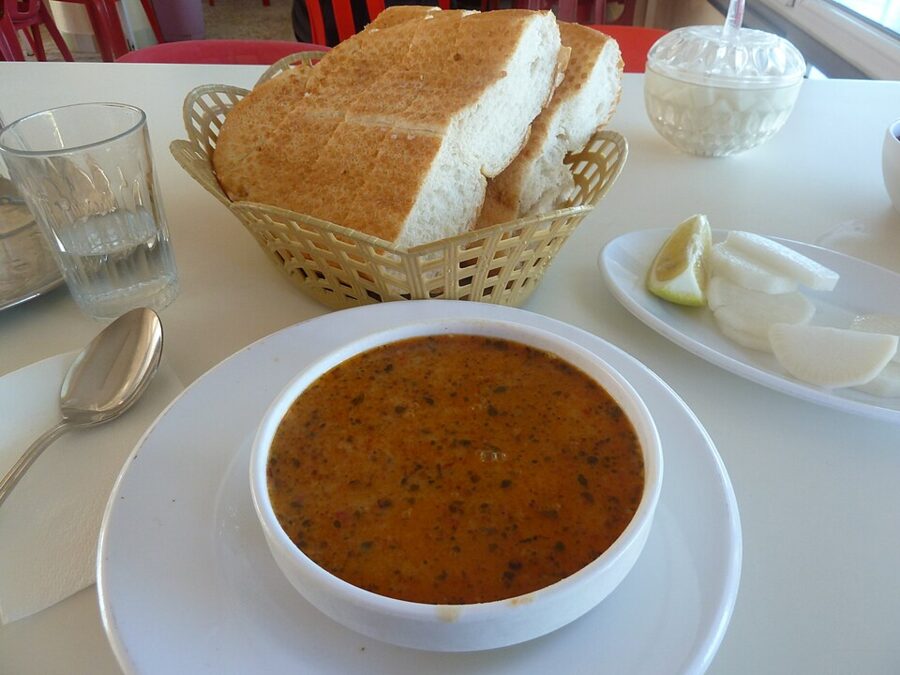

İşkembe is tripe soup, eaten with garlic steeped in vinegar, from specialist shops (işkembeci) that often stay open all night; it is the traditional cure after rakı. Also worth ordering: yayla çorbası, yogurt and rice with dried mint, and tarhana, made from a dried paste of fermented yogurt, flour and vegetables.
Stews, beans and pilav
Kuru fasulye (white beans stewed in tomato, often with a little meat) on pilav is so standard a lunch that the pair has a name of its own, kuru-pilav. Next to it you will usually find etli nohut (chickpeas with lamb), türlü (a vegetable stew), tas kebabı (braised meat with onions) and karnıyarık (eggplant filled with mince).
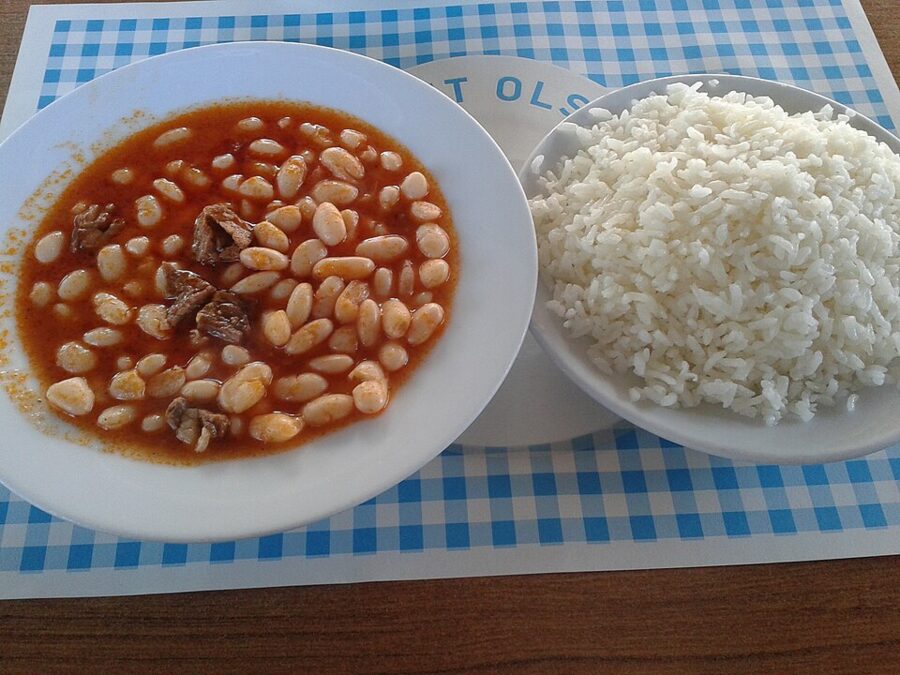

Pilav is rice cooked in butter with a handful of şehriye (tiny pasta), or bulgur pilavı, cracked wheat with tomato and pepper, the default in the southeast. If the meat trays are nearly empty at 13:30, the cook is not making more.
Dolma and sarma
Dolma means “stuffed” and sarma means “wrapped,” and between them they cover peppers, zucchini, eggplant, tomatoes, cabbage and vine leaves. There are two families. Etli (with meat) versions are filled with rice and mince and served hot with yogurt. Zeytinyağlı versions are filled with rice, onion, pine nuts and currants, cooked in olive oil and served cold with lemon.
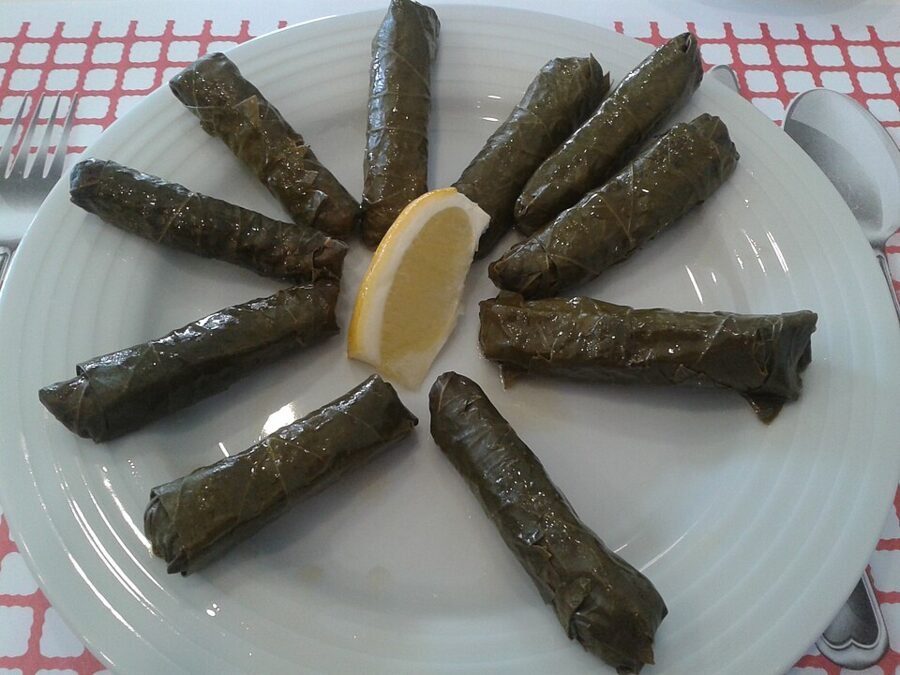

Zeytinyağlı: vegetables in olive oil
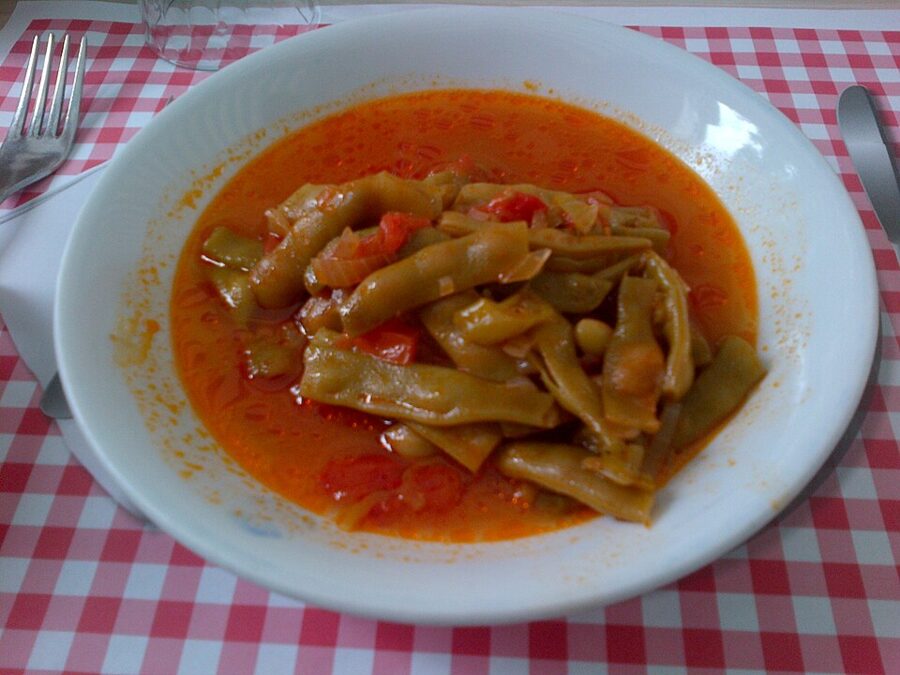
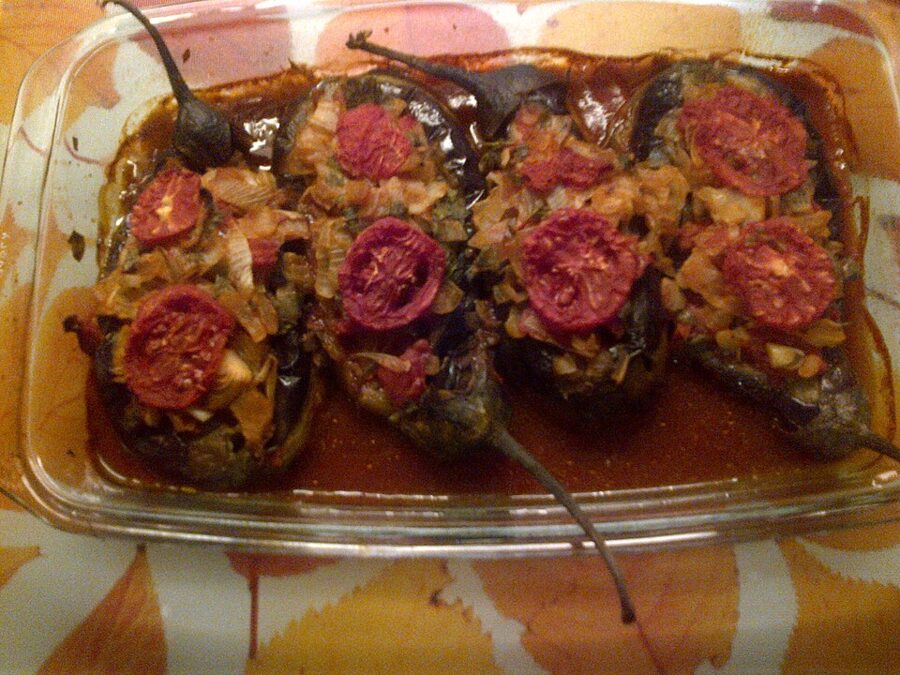
The Aegean and Istanbul gave Turkish cooking a class of dishes made with olive oil instead of butter and eaten at room temperature: green beans, artichokes, leeks, celeriac, fresh borlotti beans (barbunya) and eggplant. They are often the cheapest trays on the counter, and the vegetarian’s best friend.
The best-known is imam bayıldı, “the imam fainted”: whole eggplants filled with onion, tomato and garlic and baked in a lot of oil. Nobody agrees whether he fainted from pleasure or from the cost of the oil.

Kebabs and grills, region by region
Kebap means grilled or roasted meat in general, and nearly every region claims one. Several are registered geographical indications at the Turkish Patent and Trademark Office, so the name comes with a written recipe, the best guide to what you should be served.
Adana and Urfa
Adana kebabı, registered in 2005, is the strictest. The registration calls for lamb from male sheep at least a year old, raised on the highland pastures, chopped by hand with a zırh, a long two-handled blade, and mixed with up to 15 percent tail fat, salt and red pepper at three to eight parts per thousand. About 120 g goes onto each wide, flat iron skewer, and it is grilled over still charcoal embers, with no fan.
It comes on pide held over the grill to catch the fat, with grilled tomatoes and peppers, an onion, parsley and sumac salad and ezme, a hot tomato relish. The median portion nationwide was about 500 TL in November 2026; a wrap (dürüm) costs much less.
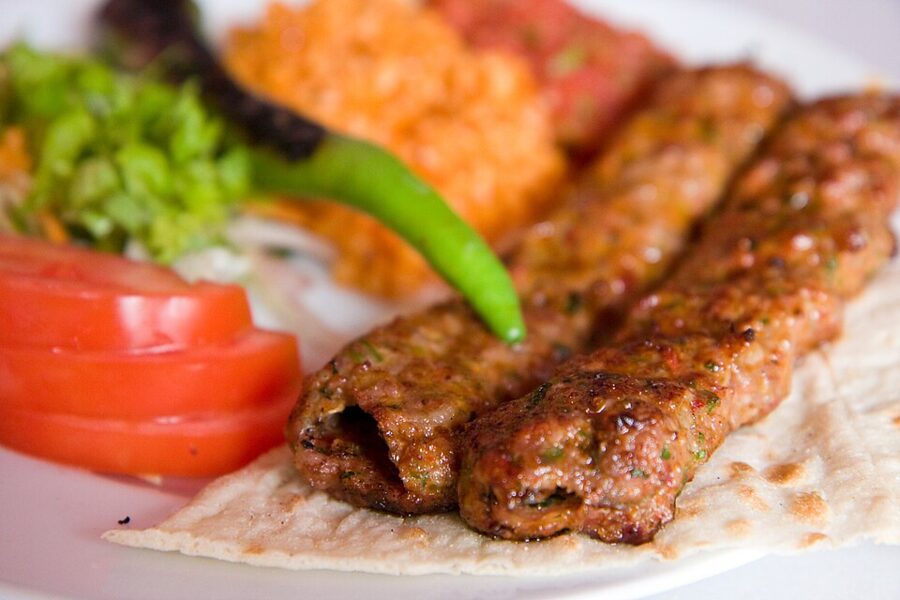

Urfa kebabı is the same idea without the heat, seasoned instead with isot, the dark, smoky dried pepper of Şanlıurfa. Grill houses everywhere offer both; ask for “acılı” (hot) or “acısız” (not hot). Şanlıurfa also eats grilled liver (ciğer) for breakfast and gave Turkey çiğ köfte; the Şanlıurfa section of the Mount Nemrut guide covers the city and what to eat there.
İskender in Bursa
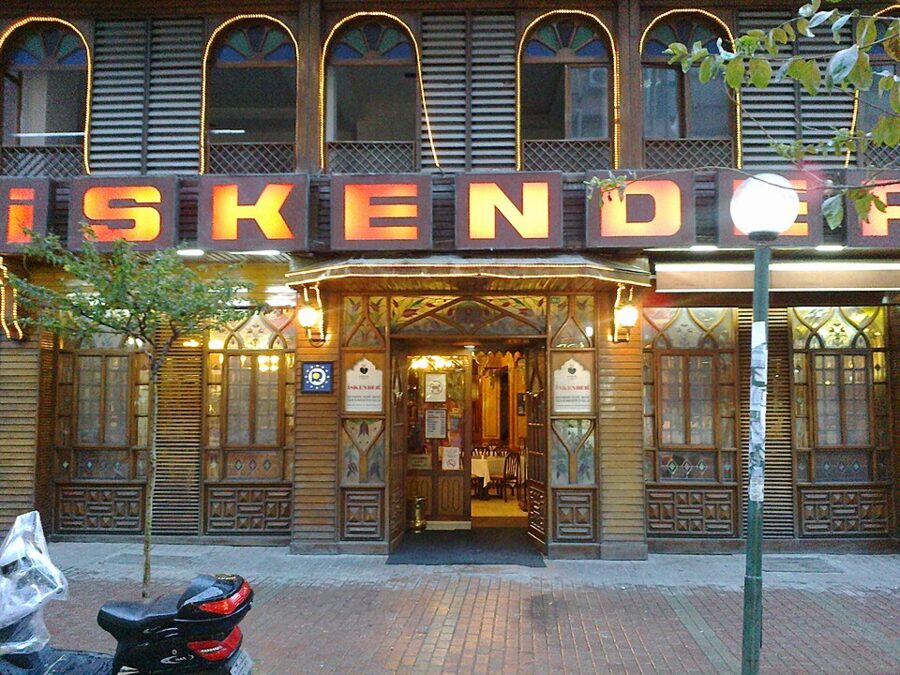
İskender is thin slices of lamb döner laid over cubes of pide, covered in tomato sauce, with yogurt on the side and hot melted butter poured over at the table. The family of İskender Efendi says he created it in Bursa in 1867, and the regional name, Bursa Döner Kebabı, was registered in 2022. The median portion nationwide was about 550 TL in November 2026. The Bursa guide covers the İskender shops and the cheaper pideli köfte.

Tokat kebabı
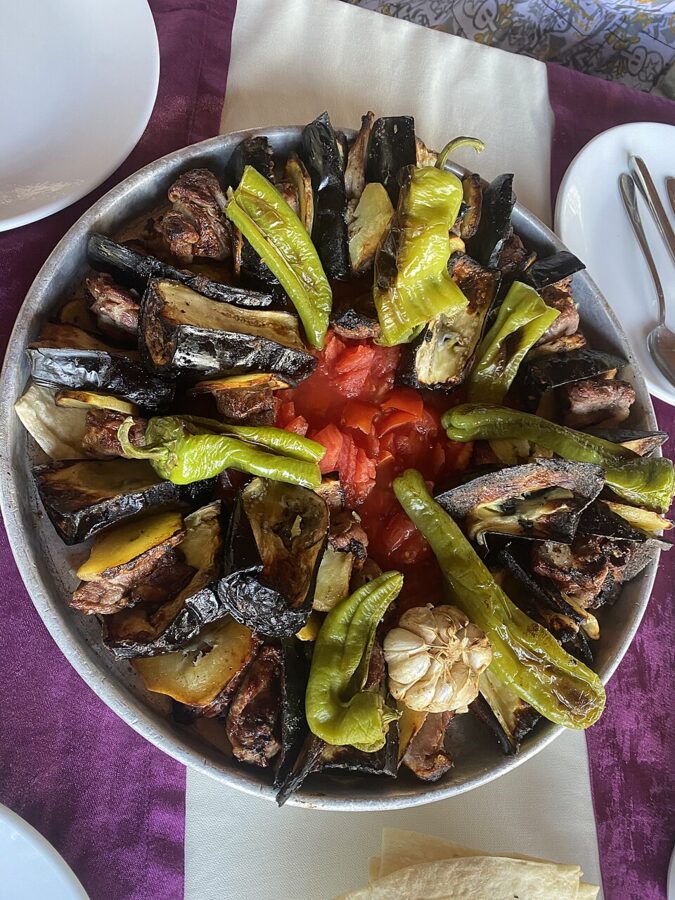
Tokat, in the inner Black Sea hills, makes the most unusual kebab in the country, registered in 2015. Lamb from young Karayaka lambs (six to nine months old) is threaded on vertical skewers in layers with tail fat, potato and salted eggplant, four or five times over, while tomatoes, Tokat peppers and whole garlic cloves go on skewers of their own. The skewers hang from a bar inside a brick oven, so the fat drips down through the vegetables.
The registration specifies two to two and a half kilos of eggplant for every kilo of meat, which tells you what the dish really is: a vegetable kebab with lamb in it. It comes to the table on a large, thin pide.

Testi kebab in Cappadocia
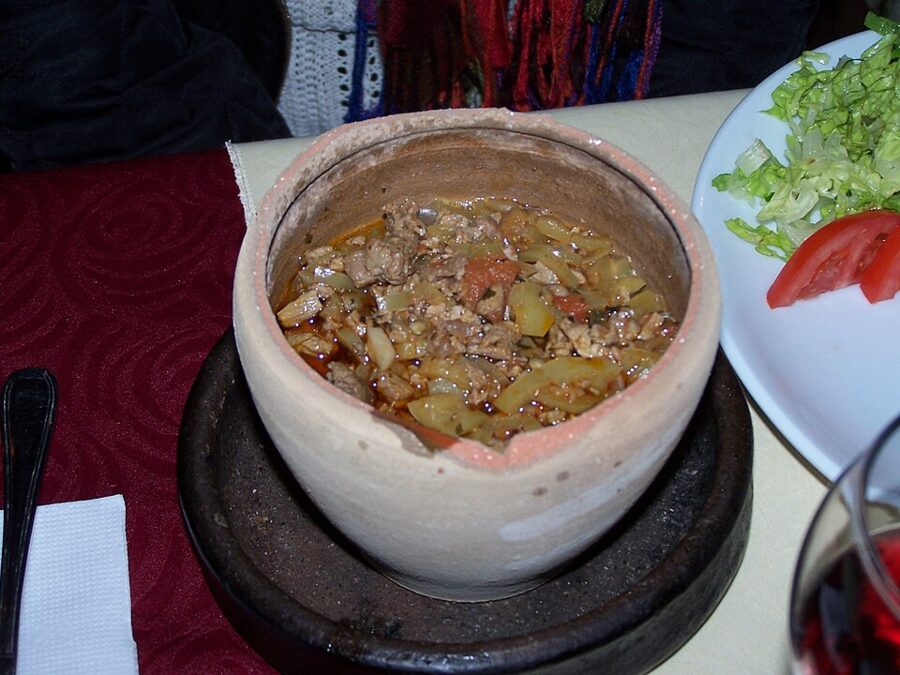
Testi kebab is meat and vegetables sealed in a clay jug and cooked for hours in a wood oven, then cracked open at the table. It is a showpiece priced like one and usually sold for two, and some restaurants want notice. The testi kebab section of the Cappadocia guide has the details; on a budget, eat it once and fill the other nights with gözleme and pide.

Ocakbaşı: dinner at the grill
An ocakbaşı (“at the hearth”) is a grill restaurant where you sit at a counter around the charcoal and the cook hands meat straight from the fire. It costs more than a lokanta and less than a meyhane, and the counter seats are the ones to ask for.
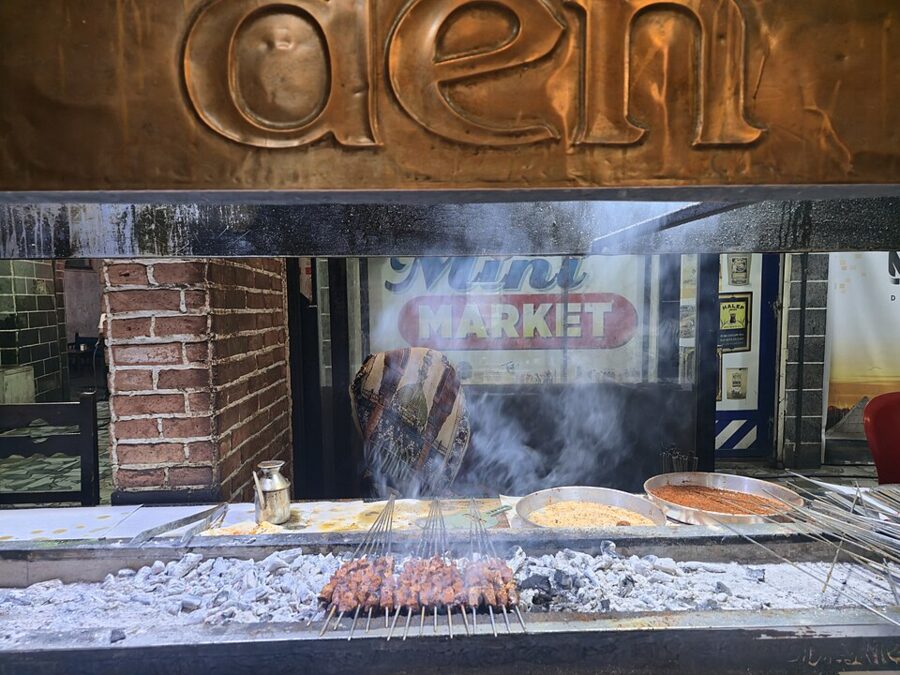

The southeast’s version is the ciğerci, the liver grill, in Diyarbakır, Şanlıurfa and Gaziantep. Further east, Erzurum’s cağ kebabı is lamb marinated with onion and pepper, stacked on a horizontal spit over a wood fire and sliced onto small skewers; the town of Oltu holds the registered name. Order by the skewer and keep going until you stop.
Köfte, town by town
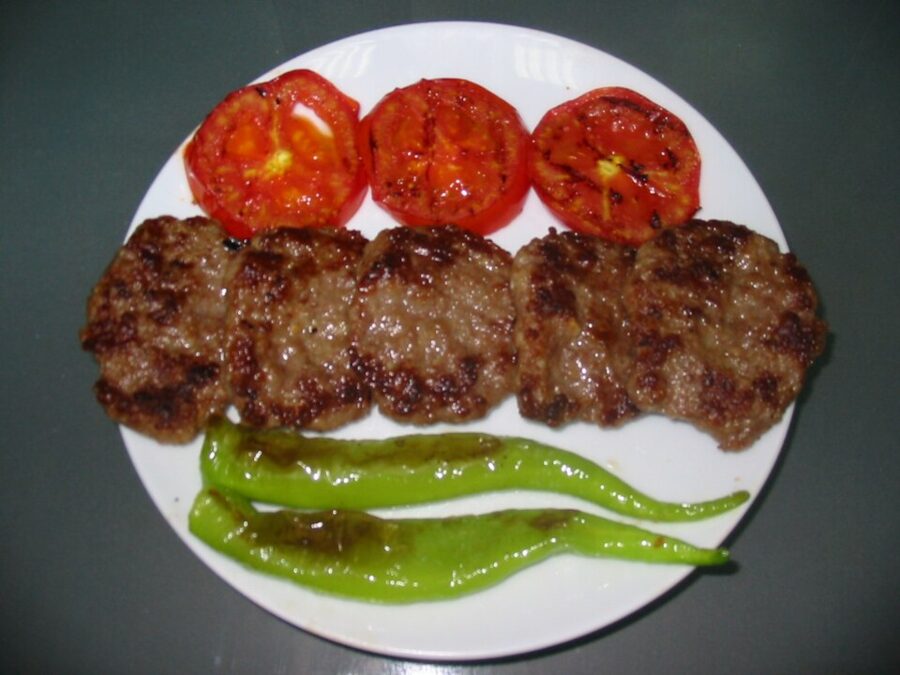
Several towns have registered their own grilled meatballs. İnegöl köfte, from the town east of Bursa, registered in 2006, is small, firm and oblong, made from minced meat and onion with almost no spice. Akçaabat köftesi, from the coast west of Trabzon, registered in 2010, is garlicky and comes with long grilled peppers. Tekirdağ köftesi was registered in 2020, with the town’s peynir helvası, a warm cheese and semolina sweet eaten after it.
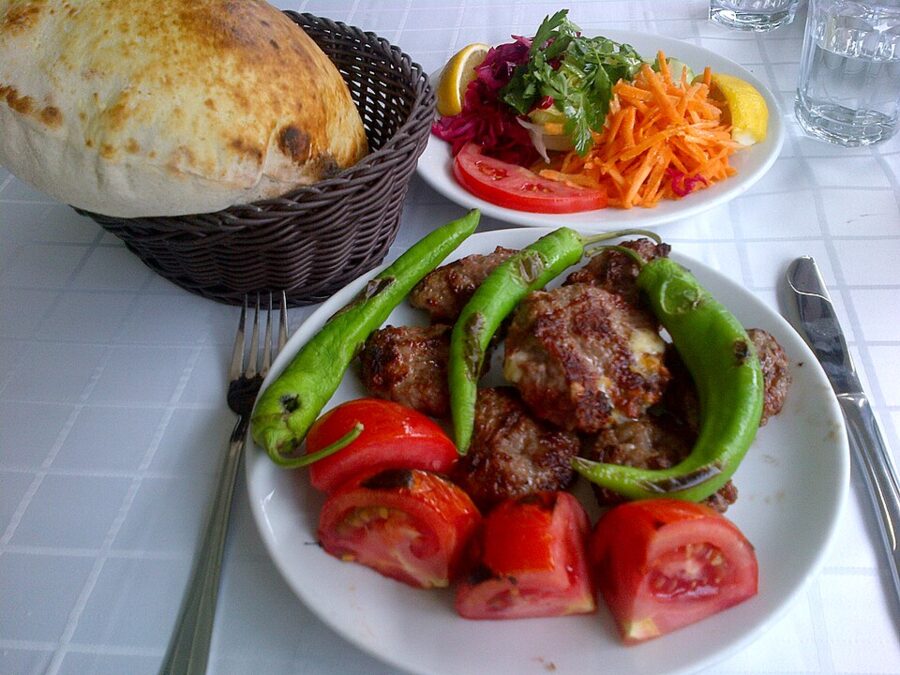

In Antalya, köfte comes with the city’s own white bean piyaz dressed with tahini, and the Antalya guide explains how to order the pair. Çiğ köfte is a different thing altogether: a spiced bulgur paste, once made with raw meat and now sold meatless, wrapped in lettuce or a thin lavaş, and one of the cheapest full meals on any street.

Lahmacun and pide
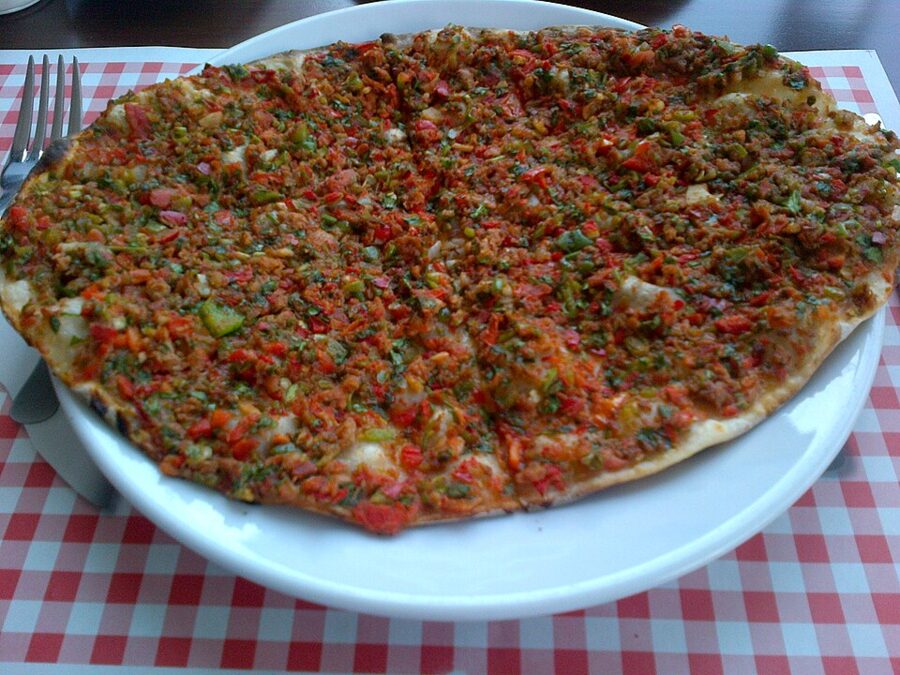
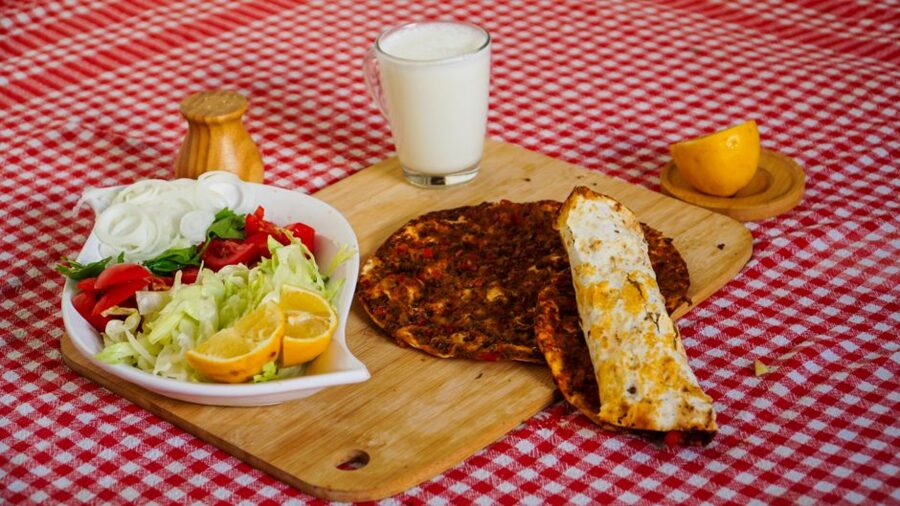
Lahmacun is a thin round of dough spread with minced meat, onion, tomato, pepper and parsley, baked for a minute in a very hot oven. You squeeze lemon over it, add parsley and onion, roll it and eat it by hand. The median price on menus nationwide was about 170 TL in November 2026, with Kocaeli and Bursa well below that and Ankara well above.
Styles differ by city. Antep lahmacunu, a registered name, is very thin and crisp, heavy on garlic and pepper paste. Urfa’s is spiced with isot. Ask for “acılı” for the hot version.

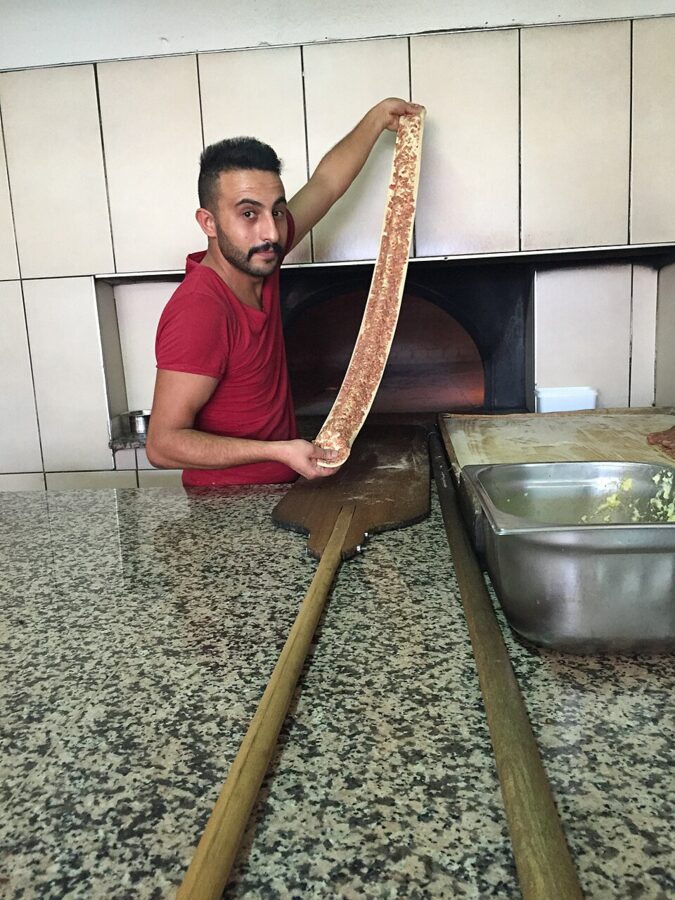
Pide is the long, boat-shaped flatbread baked in a wood oven, open or closed, filled with mince (kıymalı), cubed meat (kuşbaşılı), cheese (peynirli) or sucuk with egg. The Black Sea coast, from Samsun east to Trabzon, makes the most of it, with butter brushed on as it leaves the oven. The median pide on menus nationwide was about 340 TL in November 2026.
Konya’s answer is etli ekmek, “bread with meat”: a flatbread as long as your arm and very thin, spread with minced meat and baked crisp, then cut into strips. A pide salonu (pide parlor) is one of the best cheap dinners in any Anatolian town, and most bake to order in front of you.

Meze, fish and the coasts
Meze and the meyhane
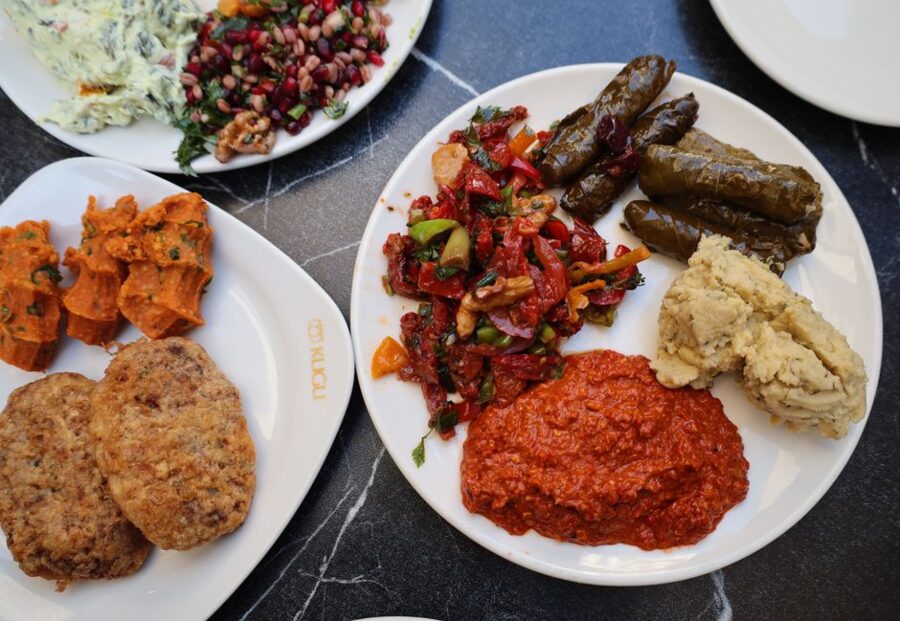
Meze are the small cold dishes before the main course: white cheese and melon, haydari (thick yogurt with garlic and herbs), ezme, fava (puréed broad beans), stuffed vine leaves, eggplant salads, marinated fish. The full spread belongs to the meyhane, a tavern where meze and rakı are the evening and a main course is optional.
Istanbul’s meyhanes, how to order and what a night costs are covered in the nightlife guide. İzmir and the Aegean towns do the same evening for less.
Fish by season
Turkey’s general sea-fishing ban runs from 15 April to 31 August, so summer fish is mostly farmed sea bass (levrek) and bream (çipura). From September the wild fish come back: bonito (palamut) in autumn, bluefish (lüfer) in late autumn, and hamsi, the Black Sea anchovy, from late autumn through winter.
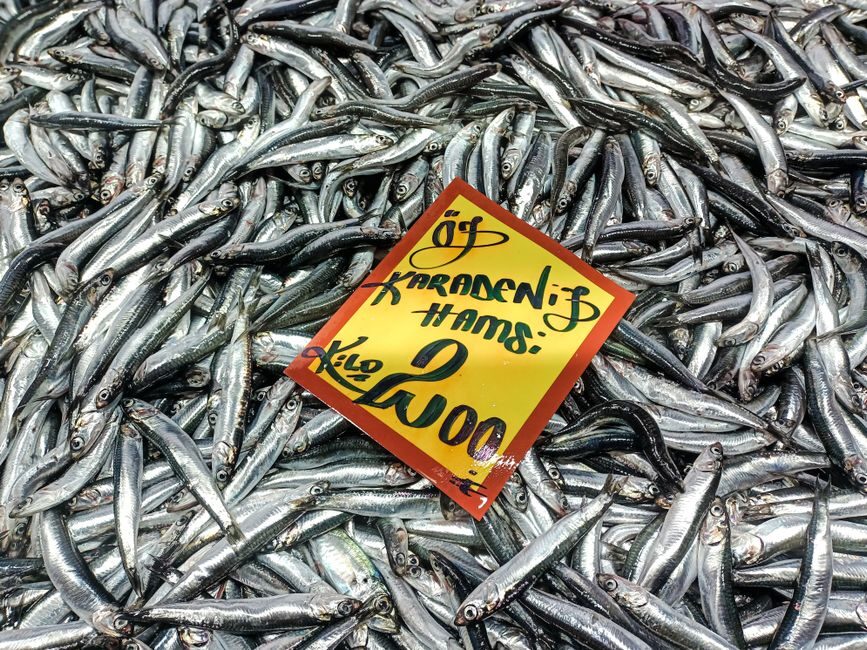
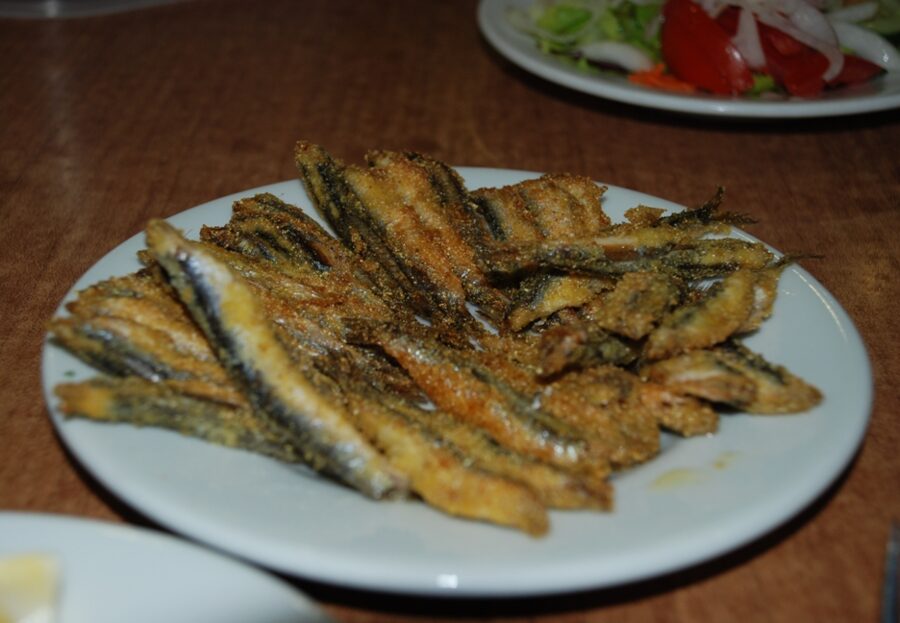
Hamsi is the cheapest fish in the country when the boats are full. In January 2026, during a good catch, the stalls in Rize sold it at 50 TL a kilo. The standard dish is hamsi tava: the fish split, dipped in cornmeal and fried in a flat pan, served with onion, arugula and lemon.
Fish restaurants on the coasts price by weight, so ask the price per kilo and the weight before the fish goes on the grill. A whole sea bass for one is reasonable; a “fish platter” with no price is not.

The Aegean: herbs and olive oil
The Aegean coast from Ayvalık south to Bodrum is olive country, and its cooking leans on oil, greens and fish. Restaurants in Ayvalık, Urla, Bozcaada and the villages around them serve wild and cultivated greens, often just boiled and dressed with oil and lemon: radika (wild chicory), şevketibostan (golden thistle), deniz börülcesi (samphire) and ebegümeci (mallow). Spring is the time for them.
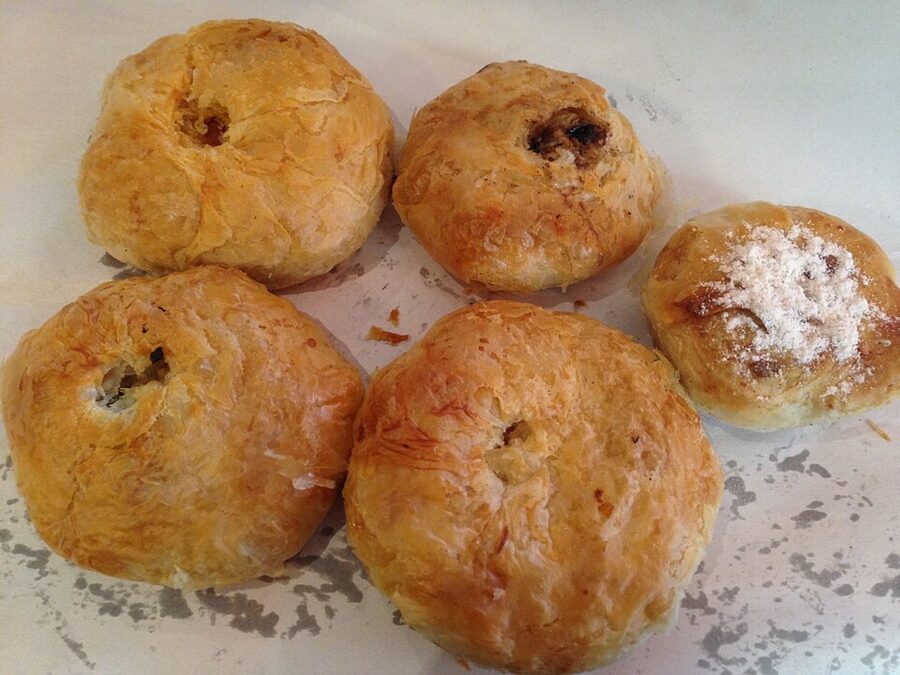
Edremit olive oil is a registered name, and the old oil factories of Ayvalık are protected buildings now. İzmir, the region’s city, adds its own street breakfasts: gevrek (its simit) and boyoz, a flaky pastry the city’s Sephardic Jews brought from Spain. Kumru, a sandwich of sucuk and cheese in a sesame roll, is İzmir’s cheap lunch.


Regional food from the Black Sea to the southeast
The Black Sea: cornbread, muhlama and tea
The eastern Black Sea coast, from Trabzon to the Georgian border, grows corn, hazelnuts and tea, and eats differently from the rest of the country. Mısır ekmeği (cornbread) is dense and yellow, karalahana çorbası is a soup of black cabbage with beans and corn, and hamsi turns up in pilav, in köfte and fried on everything in winter.
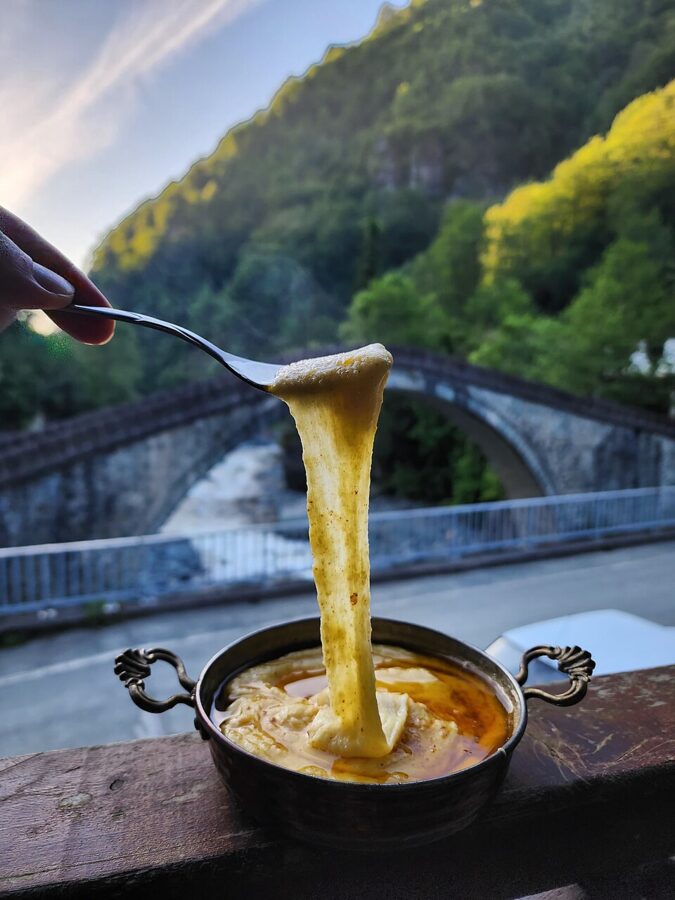
The breakfast dish is muhlama, called kuymak around Trabzon: cornmeal cooked in a lot of butter with a stretchy local cheese until it pulls into strings, eaten hot from the pan with bread. It is very rich and best shared. Expect it in highland restaurants and in Trabzon and Rize cafés, not in the rest of Turkey.

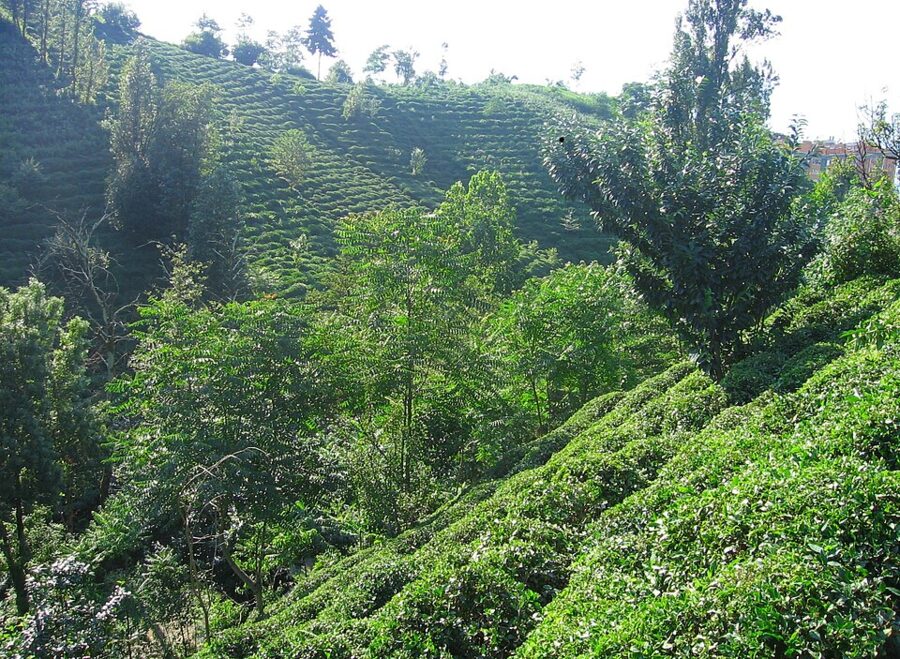
Rize is the tea capital. Tea bushes cover the steep slopes behind the coast, and “Rize Çayı” became a registered designation of origin in 2021. The eastern Black Sea, with Rize at its center, grows the tea in almost every glass in Turkey.

Central Anatolia: mantı and pastırma
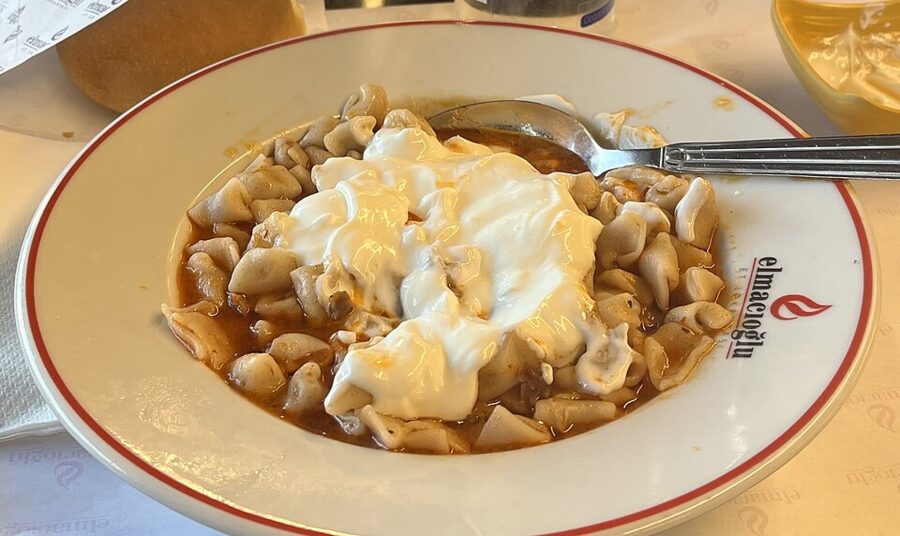
Mantı is tiny meat dumplings under garlic yogurt and butter melted with red pepper, about 390 TL a plate on menus nationwide in November 2026, and Kayseri is the mantı city. Its registered recipe calls for at least 300 g of filling in every kilo of mantı, at least 250 g of it minced meat, and the dumplings are folded so small that a spoonful holds several. Kayseri also cures pastırma, air-dried beef in a crust of fenugreek, garlic and paprika; a few slices fried with eggs make a very good breakfast.

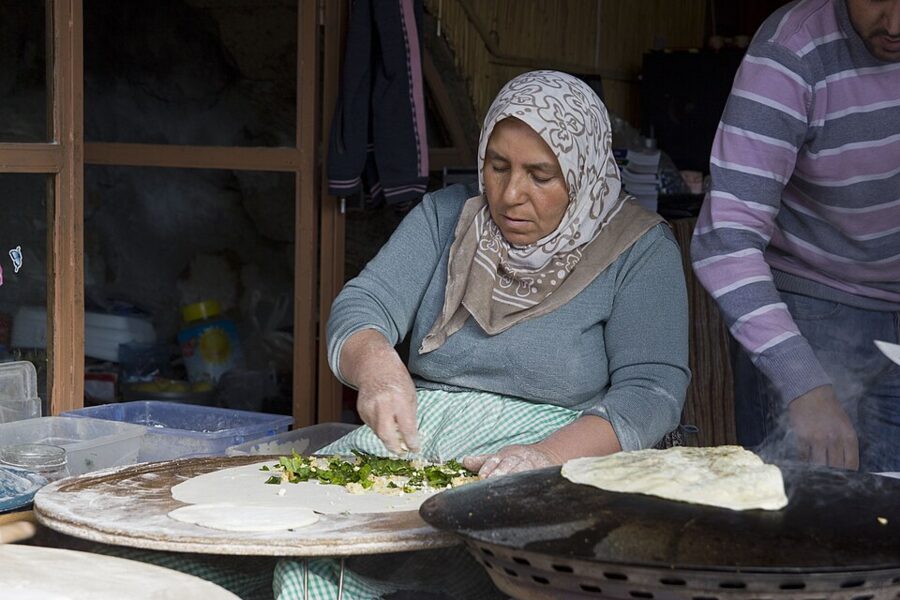
Gözleme, thin dough folded around cheese, spinach or potato and cooked on a domed griddle (sac), is the village food of the whole plateau. Women make it at roadside stands, market stalls and tourist stops, and it is a good lunch anywhere.

Gaziantep, the first food city
Gaziantep, near the Syrian border, joined UNESCO’s network of Creative Cities as a city of gastronomy in 2015, the first in Turkey. Hatay followed in 2017 and Afyonkarahisar in 2019. If you go to one Turkish city only to eat, go to Gaziantep.
Its baklava, made with the region’s pistachios, was the first Turkish product given protected status by the European Union, in 2013. Breakfast is different here too: beyran, a soup of lamb neck and rice with garlic and red pepper, eaten from dawn, and katmer, a paper-thin pastry folded around pistachio, kaymak and sugar, baked on a griddle and eaten hot. Order katmer for the table, not each.
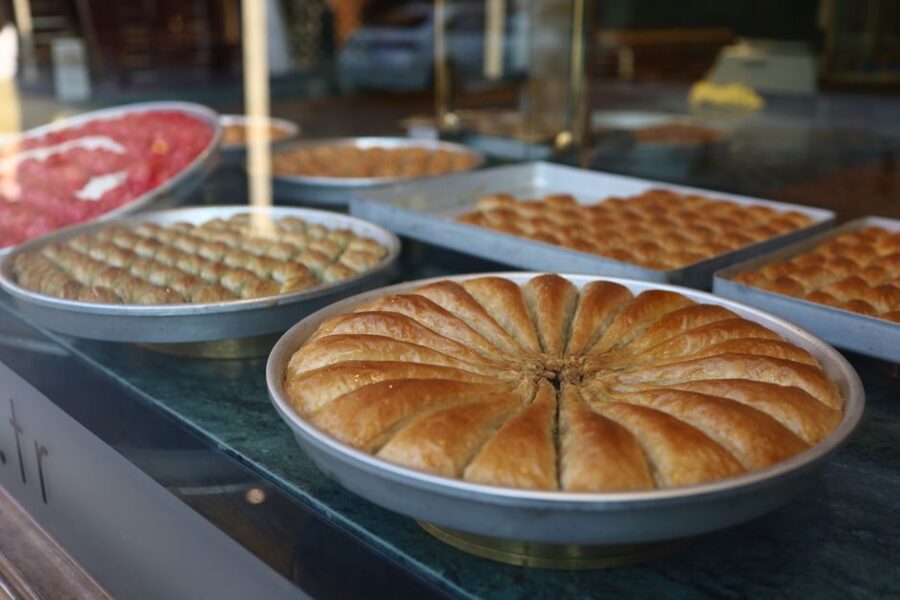
The old city’s restaurants cluster below the castle. İmam Çağdaş, a kebab and baklava house in Uzun Çarşı that dates itself to 1887, is the best known. At kebab houses, order Ali Nazik, grilled lamb on a smoky eggplant purée with garlic yogurt. Yuvalama, tiny dumplings of rice dough and meat with chickpeas in a yogurt soup, is the dish of holidays and family dinners.


Hatay and Antakya
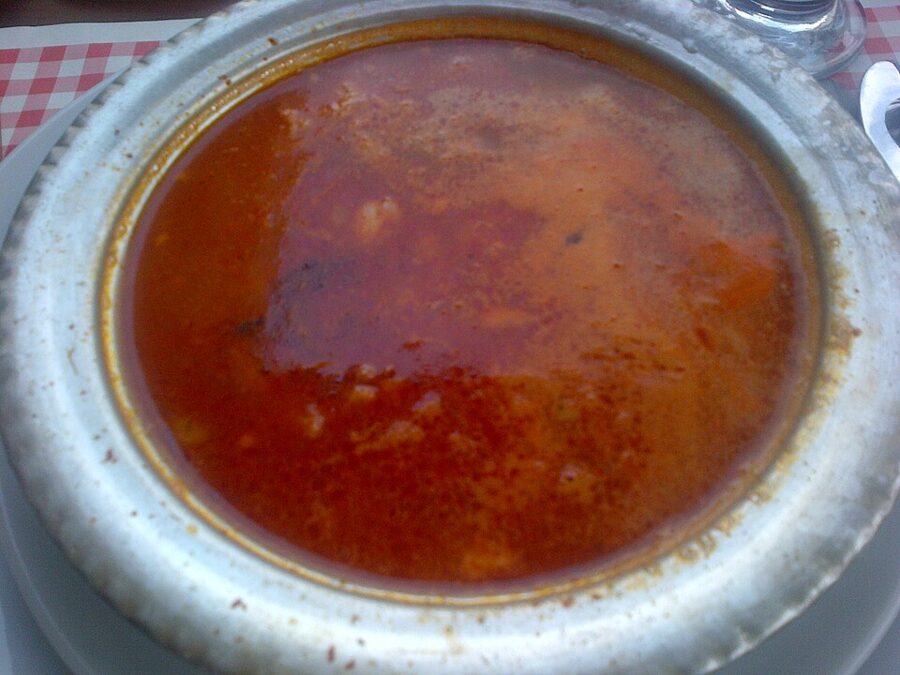
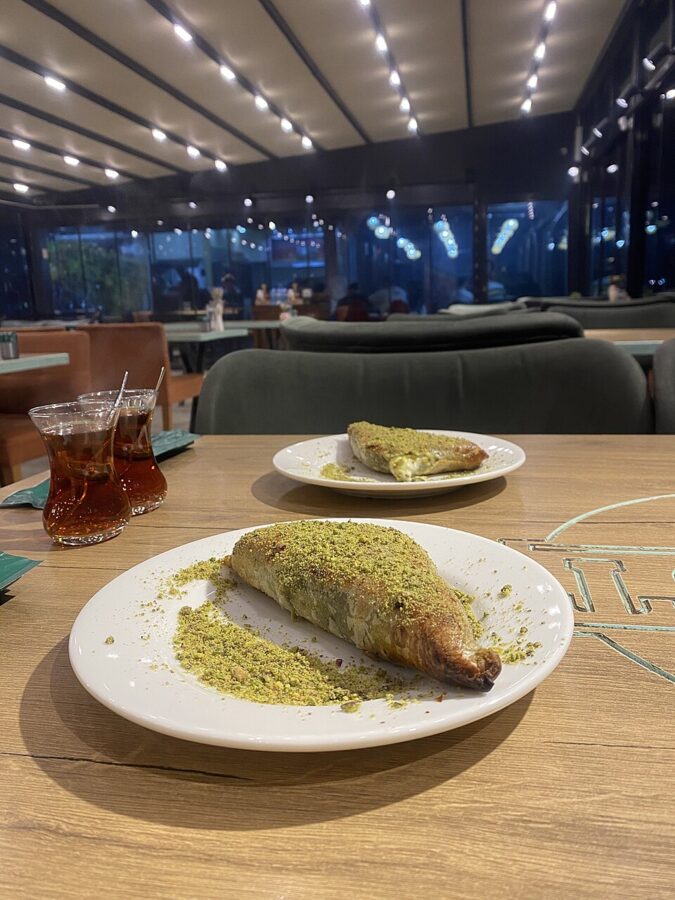
Hatay, on the Syrian border, with Antakya (ancient Antioch) as its capital, has the most Levantine cooking in Turkey: hummus, muhammara (a walnut and red pepper dip), oruk (bulgur shells stuffed with meat) and meze dressed with pomegranate molasses. Its dessert is künefe, registered as Antakya Künefesi in 2008: fine strands of kadayıf pastry baked around an unsalted local cheese, soaked in syrup and served hot.
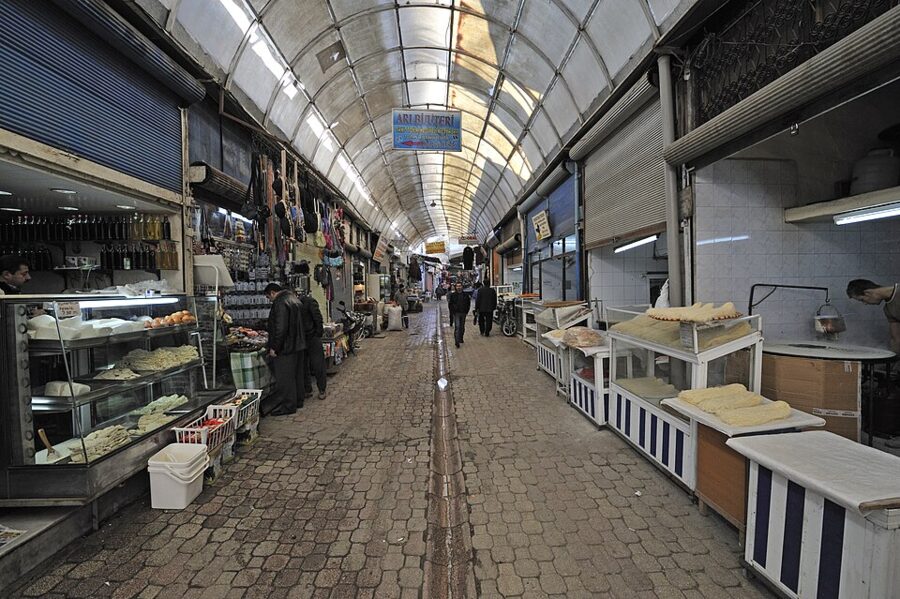
The earthquakes of 6 February 2023 destroyed much of old Antakya, including much of its historic market quarter. Rebuilding is slow. In September 2024 a gastronomy bazaar, Antakya Gastronomi Çarşısı, opened in the Odabaşı neighborhood in buildings modeled on old Antakya houses, and its producers were still posting their opening days in 2026. Eating there and spending locally is the most useful thing a visitor can do.

Afyonkarahisar, Şanlıurfa and the east
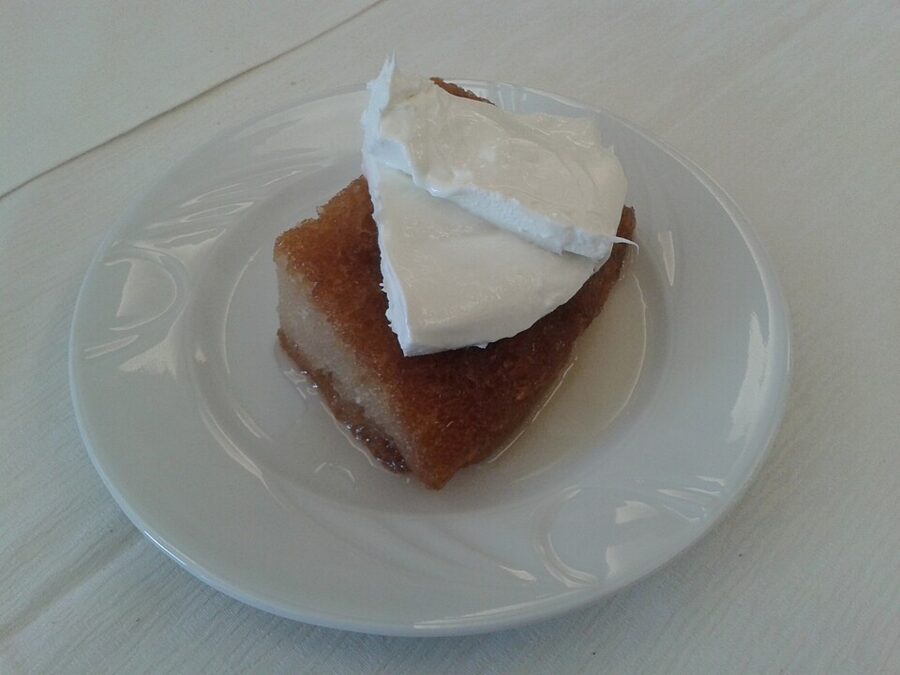
Afyonkarahisar, on the main road between Istanbul and Antalya, is the third food city. It is known for kaymak made mainly from water buffalo milk, a registered designation since 2009 and published for protection in the EU in December 2025, for sucuk and for lokum. Its dessert is ekmek kadayıfı, a round of dried bread soaked in syrup until it turns to pudding, topped with that kaymak.

Şanlıurfa eats liver for breakfast, lahmacun with isot and çiğ köfte; Diyarbakır eats liver from the grill and, for celebrations, kaburga dolması, lamb ribs stuffed with spiced rice; Van eats the breakfast described above.
Desserts
Turkish sweets come in two families, sold in different shops. Syrup pastries (baklava, künefe, kadayıf) come from a baklavacı or tatlıcı; milk puddings come from a muhallebici, a pudding shop that also sells soup and chicken with rice.
Baklava
Baklava is sold by the kilo and by the portion (porsiyon) of a few pieces. Fıstıklı, pistachio, is the prized version and cevizli, walnut, the cheaper one, while soğuk baklava, soaked in milk rather than syrup, became fashionable in the 2020s. Good baklava crackles when you bite it and is not wet at the bottom.
Prices vary more than for anything else here: a famous Istanbul counter charged just under 2,900 TL a kilo in 2026, and Gaziantep’s neighborhood bakeries ask less. A portion at the counter with a glass of tea is the cheap way to try the good stuff.
Künefe
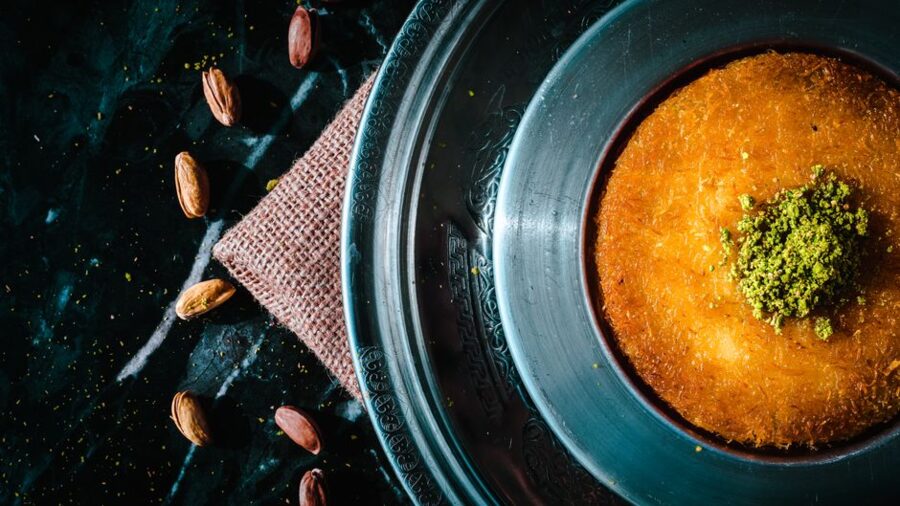
Künefe is baked to order in a small round pan, so expect ten minutes, and it must be eaten hot, while the cheese still stretches. The median single portion on menus nationwide was about 250 TL in November 2026. Kebab houses across the south serve it as the standard dessert after a grill.
Sütlaç, kazandibi and the pudding shop
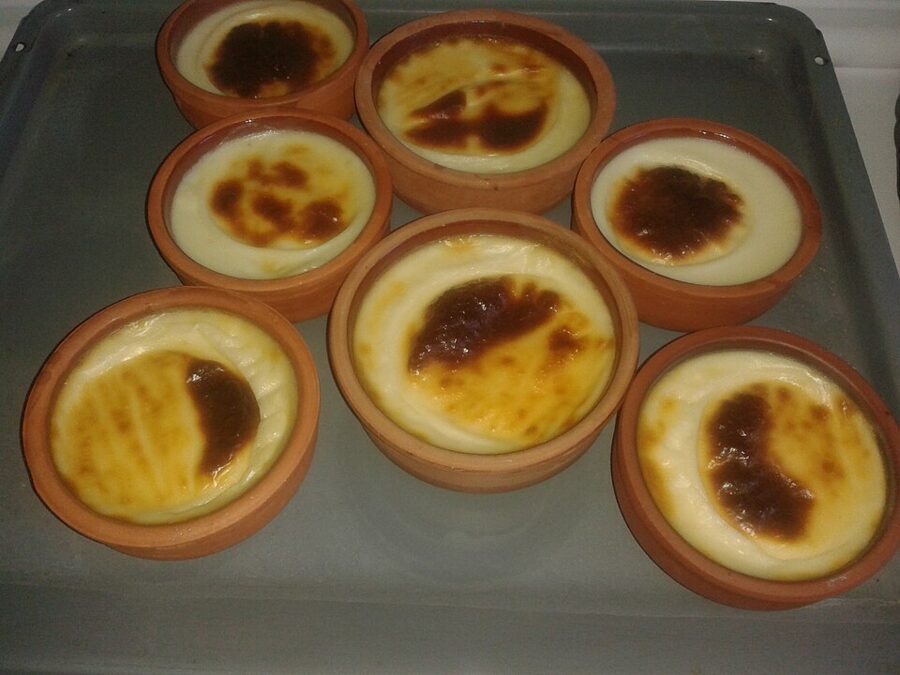
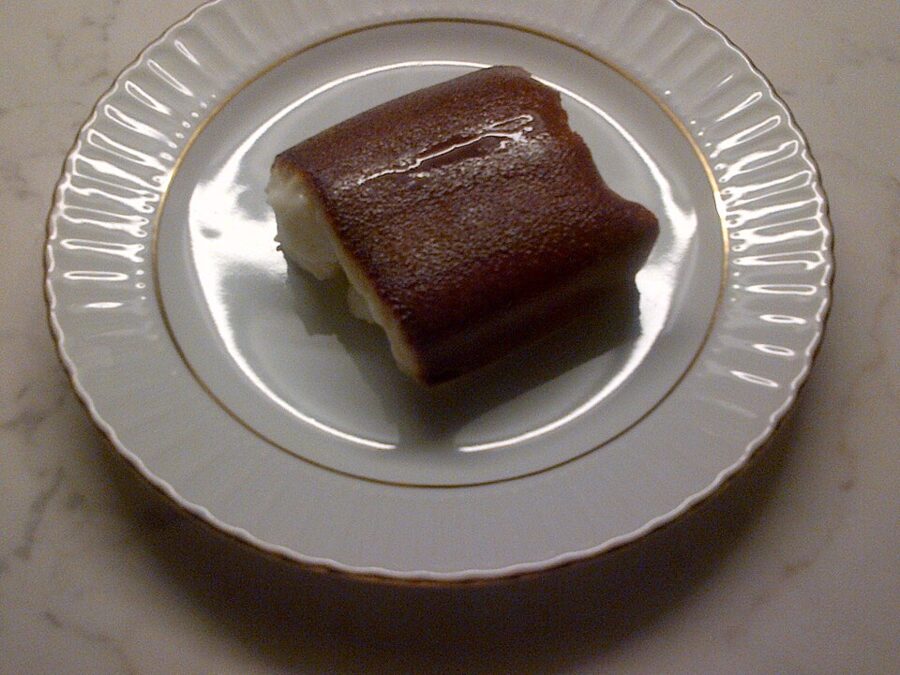
Fırın sütlaç is rice pudding baked in a clay bowl until the top browns, and it is the cheapest dessert in most lokantas. Kazandibi (“bottom of the pot”) is a milk pudding thickened with rice flour and deliberately scorched on the bottom of the tray, then rolled with the caramelized side up. Tavuk göğsü, its relative, contains finely shredded chicken breast, and you cannot taste it.


Lokum and dondurma
Lokum (Turkish delight) is a starch and sugar jelly flavored with rose, lemon, mastic or pistachio, rolled in powdered sugar. Buy it loose by weight from a confectioner, not boxed at the airport; fresh lokum is soft and slightly chewy. Afyonkarahisar and Safranbolu both make their own.
Dondurma from Kahramanmaraş is ice cream thickened with salep (ground orchid root) and mastic, stretchy enough to cut with a knife. The costumed vendors who play tricks with the cone are a show; an ordinary pastane sells it by the scoop without the act.
Drinks: tea, coffee, ayran and the rest
Tea
Tea is the drink of Turkey, and the culture of çay was added to UNESCO’s list of intangible heritage in 2022, jointly with Azerbaijan. It is brewed strong in the top half of a double teapot and diluted with hot water from the bottom, and you ask for “açık” (light) or “koyu” (dark). Sugar cubes come on the saucer; milk is never offered.
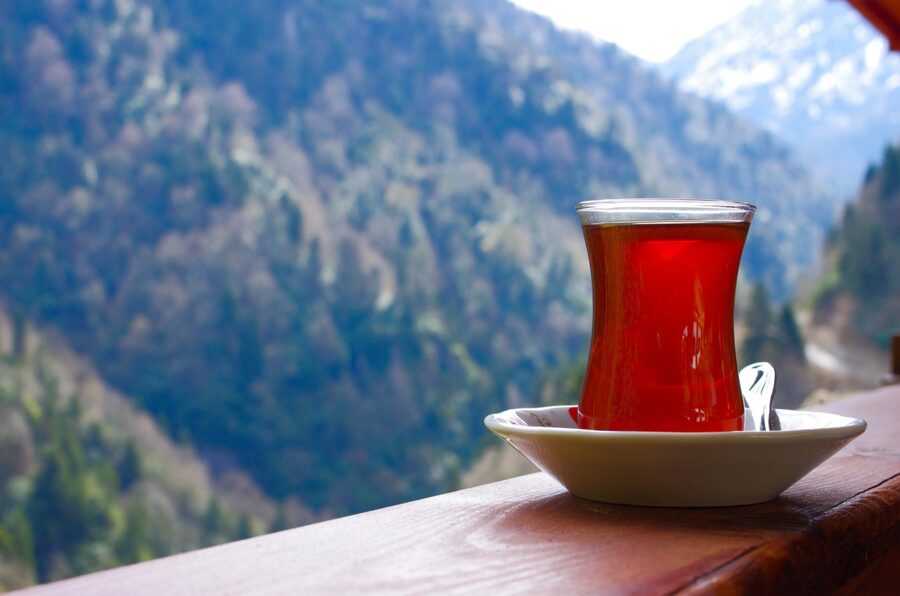
The price depends on where you sit. In mid-2026 the teahouse chambers in Kocaeli and Diyarbakır raised a glass in a kıraathane from 15 TL to 20 TL, while Kocaeli’s tariff for cafés and tea gardens allowed up to 60 TL. Tea is often free after a meal in a lokanta or kebab house, and shopkeepers offer it while you browse; accepting does not oblige you to buy.
Turkish coffee
Turkish coffee is ground to powder, boiled in a small pot (cezve) with water and the sugar already in, and served unfiltered with the grounds settled at the bottom. Order it sade (no sugar), az şekerli (a little), orta (medium) or şekerli (sweet); the sugar cannot be added afterward. Turkish coffee culture was added to UNESCO’s intangible heritage list in 2013.
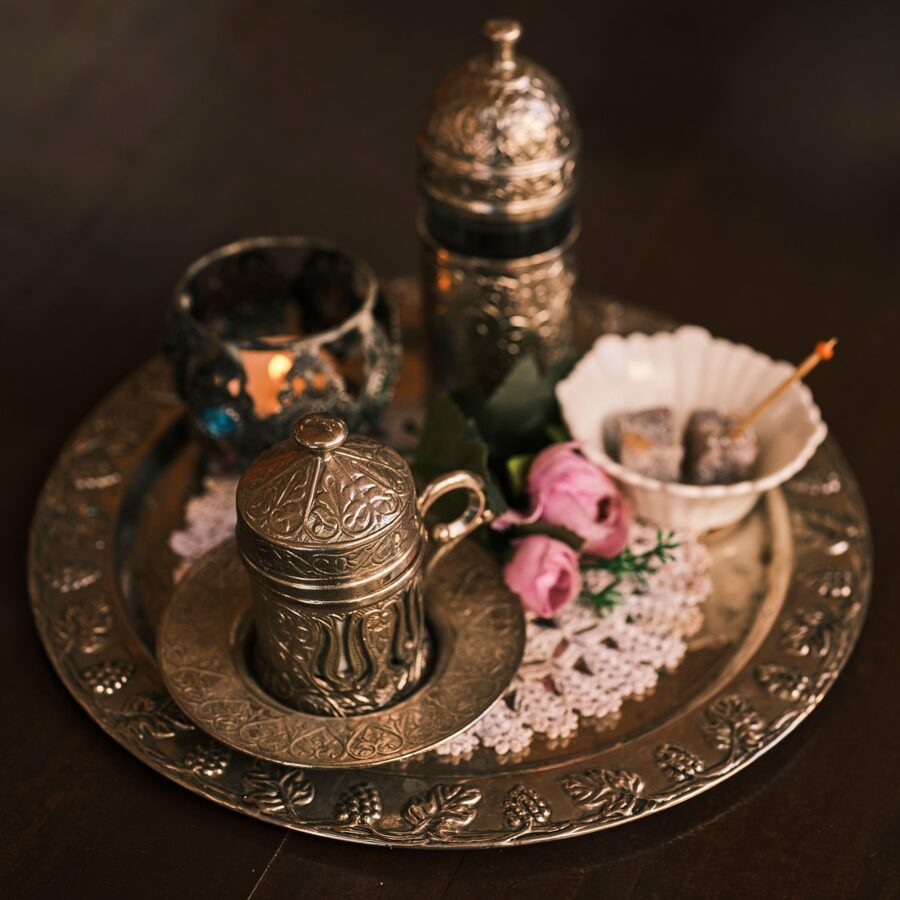
It is a café drink rather than a teahouse one, and it costs several glasses of tea: Kocaeli’s 2026 café tariff allowed up to 180 TL for coffee. In Gaziantep and the southeast, look for menengiç kahvesi, made from roasted terebinth berries, and dibek kahvesi, coffee pounded in a stone mortar.
Ayran and şalgam
Ayran is yogurt beaten with water and salt, served cold, often foamy from a machine at kebab houses (köpüklü ayran) or in a sealed cup. It is the drink with grills, lahmacun and pide, and it cost 40–60 TL in 2026.
Şalgam is the other kebab drink, a sour, salty, deep red juice of fermented purple carrot with turnip and bulgur, from Adana and Mersin. Order it acılı (spiced) or acısız (plain). Most people hate the first glass and order the second.
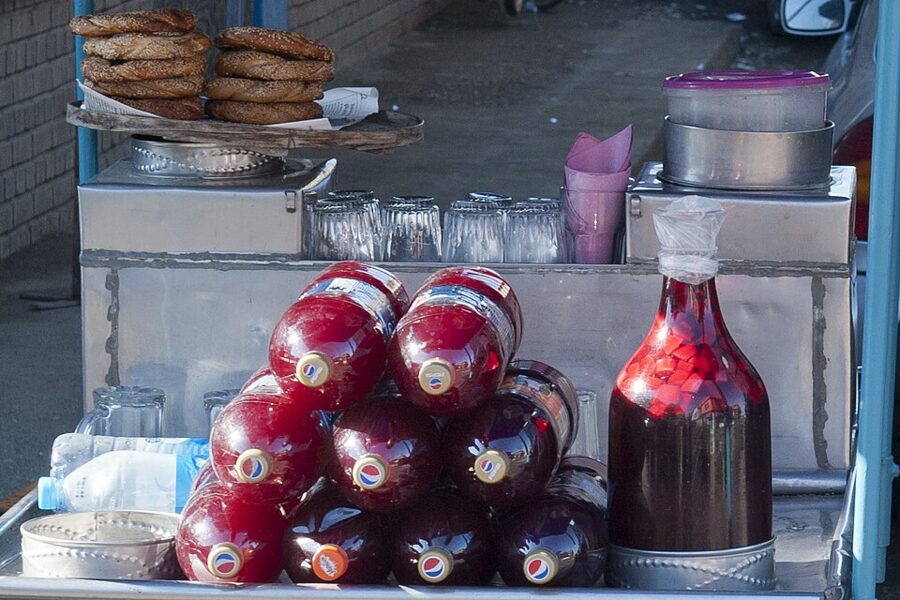

In winter, look for salep, a hot milk drink thickened with orchid flour and dusted with cinnamon, and boza, thick fermented millet with roasted chickpeas on top.
Rakı and wine, briefly
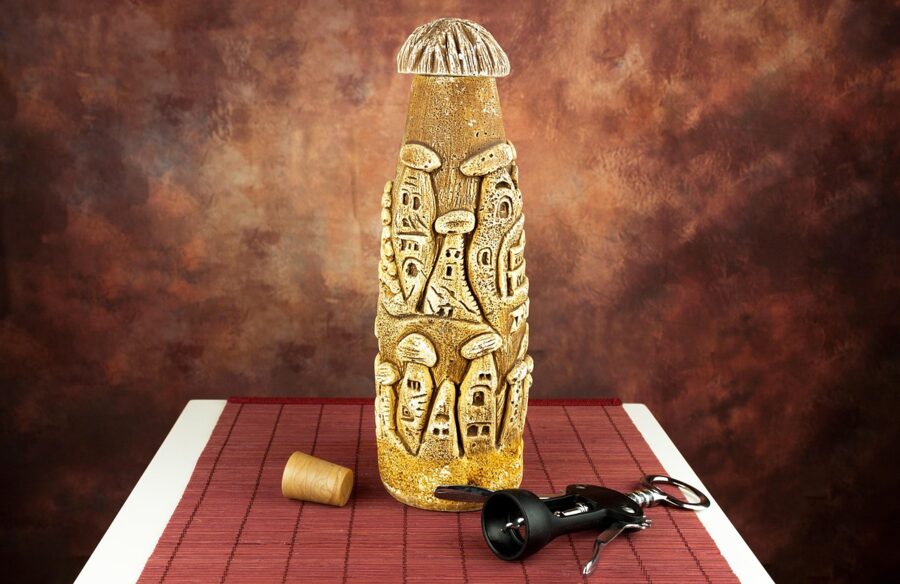
Rakı is the national spirit, an anise drink distilled from grapes, drunk with cold water and ice alongside meze and fish. Turkish wine is better than its reputation, and the local grapes are worth trying: Öküzgözü and Boğazkere from the east, Kalecik Karası from near Ankara, and the white Narince and Emir, the last grown in Cappadocia.
Alcohol is heavily taxed, shops may not sell it between 22:00 and 06:00, and most lokantas, like most places in conservative towns, serve none. A drink with dinner can cost more than the dinner.
Eating well and cheaply anywhere in Turkey
What a meal costs in 2026
These are the figures to plan with. National medians come from restaurants’ online-order menus in November 2026; the rest are prices posted by trade chambers and reported in the Turkish press during 2026.
| Meal | Typical 2026 price | Notes |
|---|---|---|
| Simit and a glass of tea | 40–50 TL | Simit 20 TL in Ankara, 30 TL in Istanbul; tea about 20 TL in a teahouse |
| Kahvaltı plate in a café | About 400 TL | Istanbul about 425 TL, Ankara about 495 TL |
| Serpme kahvaltı | 250–500 TL a head | Neighborhood and village places; about 600 TL at chains |
| Lokanta lunch: soup, main, rice | 400–650 TL in Istanbul | Less in Anatolian towns; half portions cut it further |
| Istanbul Kent Lokantası set meal | 90 TL | Municipal canteen, paid by Istanbulkart |
| Lahmacun | About 170 TL | 125 TL in Kocaeli, 235 TL in Ankara |
| Chicken döner wrap | About 200 TL | Meat döner wrap about 360 TL |
| Pide | About 340 TL | Antalya and İzmir near 300 TL |
| Mantı | About 390 TL | A full plate; often shared with a soup |
| Adana kebap portion | About 500 TL | Dürüm (wrap) versions much less |
| İskender portion | About 550 TL | Istanbul about 650 TL |
| Künefe | About 250 TL | Single portion |
| Ayran | 40–60 TL | Bottle or glass |
Put together, a day of bakery breakfast, lokanta lunch, lahmacun and ayran for dinner and a few glasses of tea comes to roughly 1,000 TL a person in 2026, less outside Istanbul and the resorts. A kebab dinner or a serpme breakfast adds a few hundred lira.
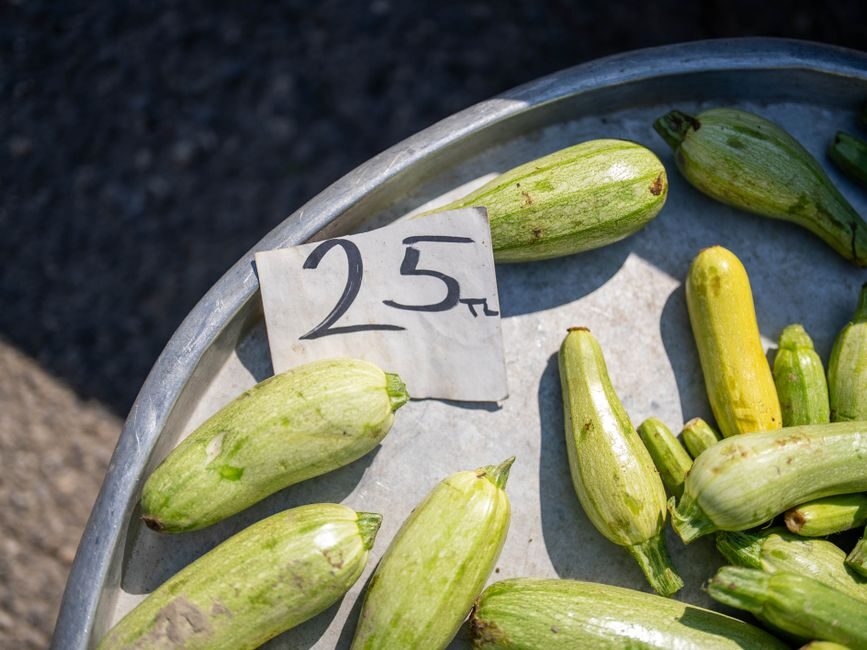
The weekly street market (pazar), held on a fixed day in every neighborhood and town, is the cheapest source of fruit, cheese, olives and bread for a picnic or a hostel kitchen. Bus station restaurants and highway rest stops on a night bus route are poor value; carry a simit and some fruit instead.
Vegetarians and vegans
Vegetarians eat well in Turkey if they know the vocabulary. Zeytinyağlı dishes, mercimek (usually), most meze, gözleme with cheese or potato, peynirli pide, menemen, cheese börek and every breakfast are safe bets. Çiğ köfte sold in shops is now vegan.
The traps are stock and butter: lokanta stews are often cooked with a little meat or in meat stock, pilav is made with butter, and some lentil soups use meat stock. Ask whether a dish is etsiz (without meat) and whether there is et suyu (meat stock) in it. Vegans should also ask about tereyağı (butter) and lean on zeytinyağlı dishes, meze and çiğ köfte.
Ramadan
In 2027 Ramadan is expected to begin on 8 February, with Ramazan Bayramı starting on 9 March. In Istanbul, İzmir, Antalya and the resorts, restaurants open by day as usual. In conservative towns in central and eastern Anatolia, many lokantas close until evening or serve behind curtains, and it is polite not to eat, drink or smoke in the street during fasting hours.
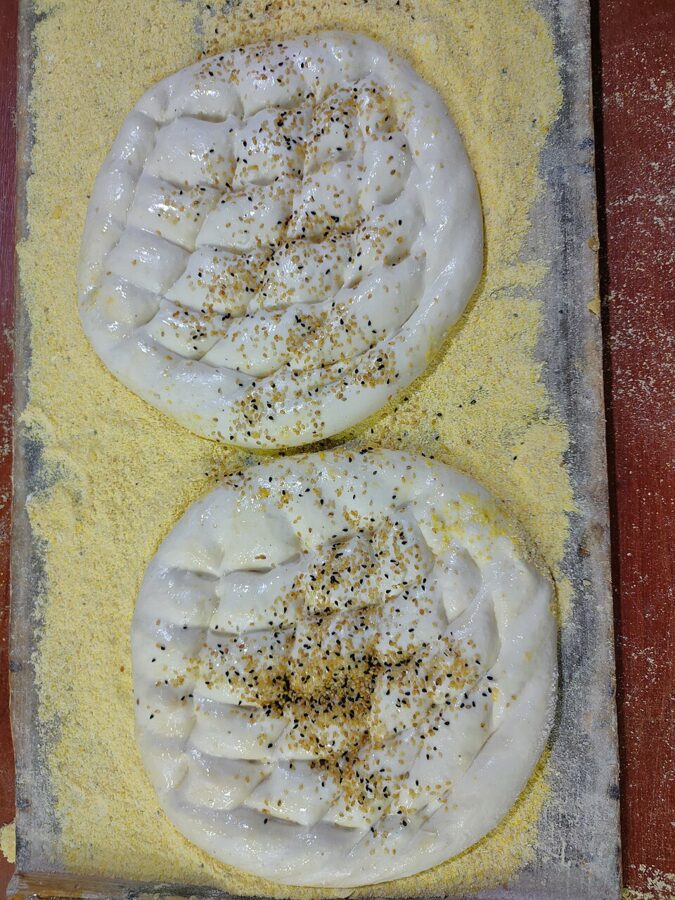
At sunset (iftar) the picture flips. Restaurants fill in minutes, many offer a fixed iftar menu of soup, dates, a main and dessert, and municipalities in many cities set up free or cheap iftar tents. Bakeries sell Ramazan pidesi, a round, soft flatbread scored and topped with sesame and nigella seeds, only during the month; buy one warm in the hour before iftar.

Tipping and the bill
The bill (hesap) shows only what you ordered, and since January 2026 no cover or service charge may be added. The Turkey travel tips cover tipping; in short, 5–10% in cash at a sit-down restaurant with table service, and the coins from your change at a lokanta counter. Bottled water is charged; bread and jug water usually are not.
Allergies and words to know
Nuts are everywhere in Turkish sweets, and the words are easy to confuse. Fıstık can mean pistachio (Antep fıstığı) or peanut (yer fıstığı); fındık is hazelnut, ceviz walnut and badem almond, and sesame (susam) covers simit and many breads. To say you are allergic, put the word before “alerjim var,” as in “fındık alerjim var.” For a serious allergy, carry it written down and show the cook.
- Yarım porsiyon: half portion
- Acılı / acısız: spicy / not spicy
- Etsiz: without meat
- Et suyu: meat stock
- Tereyağı / zeytinyağı: butter / olive oil
- Süt, yumurta, buğday: milk, egg, wheat
- Ne kadar? How much?
- Paket: takeaway
- Hesap, lütfen: the bill, please
- Afiyet olsun: enjoy your meal (what the waiter says as the plate lands)
- Elinize sağlık: “health to your hands,” the thanks for good cooking
Tomorrow at 12:00, find the lokanta nearest the covered market, the one with the office workers already queuing, and point at the fullest tray. Ask for yarım, add a soup and keep the bread coming.