A bed in a six-bed dorm at Sir Toby’s Hostel in Prague costs €13.21 for the night of Thursday 14 January 2027. For Saturday 12 December 2026, with the Christmas markets on Old Town Square at full tilt, the hostel’s own booking page wants €46.03 for the same bunk. Same city, same sheets, three and a half times the price.
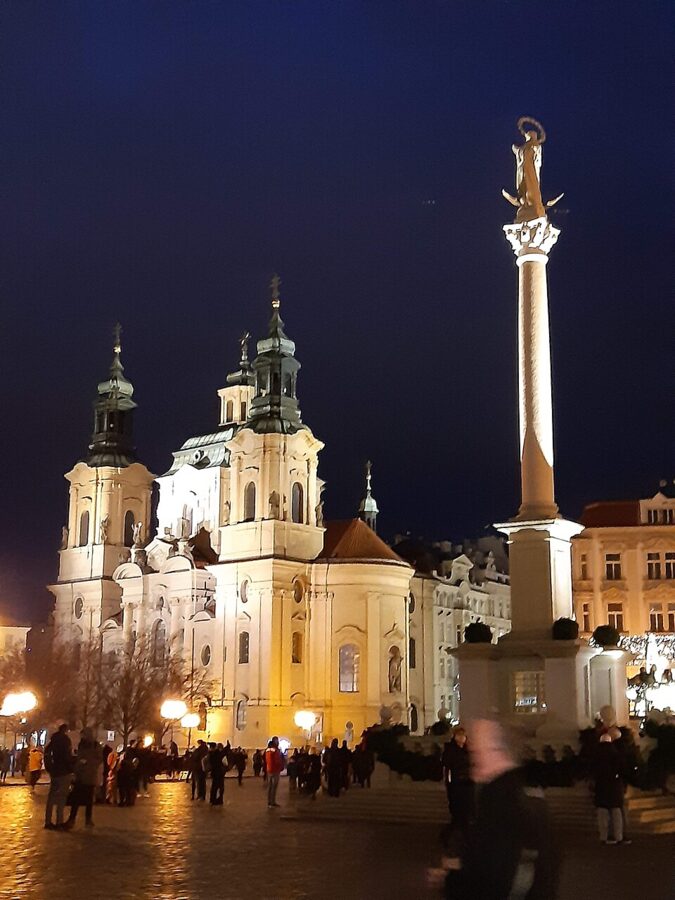

That gap explains Europe in winter better than any list. November to March is the cheap season almost everywhere, with two expensive pockets inside it: the Christmas-market weekends of December and the week around New Year. Travel midweek in January and February and the bargains are real. Chase the markets on a Saturday and you pay for the mulled wine twice.
The other thing winter decides is daylight. Kraków and Prague get about eight hours of it on 21 December, Seville nine and a half, the Canaries just over ten. That is the difference between a city where you sightsee until 15:30 and then sit in a bar, and a beach where you can still swim at 16:00.
Here is how the main options compare in January. Temperatures are the national weather services’ long-term averages for each city’s main station; daylight is the length of the shortest day.
| Destination | January average, day / night | Daylight on 21 December | The reason to go |
|---|---|---|---|
| Canary Islands (Tenerife, Gran Canaria) | 21°C / 15°C | 10 h 20 min | Real beach weather; Santa Cruz carnival 19–28 February 2027 |
| Seville | 16°C / 6°C | 9 h 35 min | Dry, sunny days and oranges on the street trees |
| Valencia | 16°C / 7°C | 9 h 23 min | The driest city here; Las Fallas 15–19 March 2027 |
| Lisbon | 15°C / 9°C | 9 h 27 min | Mild, hilly, walkable, and €3.49 by bus to Porto |
| Porto | 14°C / 6°C | 9 h 12 min | Port lodges and river views; the wettest stop on this list |
| Palermo | 15°C / 9°C | 9 h 31 min | Street markets and the mildest nights in Italy |
| Antalya and the Turkish south coast | 15°C / 6°C | 9 h 38 min | Roman cities with nobody in them |
| Athens | 14°C / 7°C | 9 h 31 min | State sites free on the first and third Sunday of each month |
| Naples | 13°C / 4°C | 9 h 14 min | Pizza, the nativity-figure street, Christmas in full Neapolitan form |
| Malta | about 13°C (daily mean) | 9 h 43 min | Short flights, sandstone towns, cheap buses |
| Istanbul | 10°C / 4°C | 9 h 13 min | Indoor sights, ferries and the lowest dorm rates of any big city here |
| Budapest | 3°C / −3°C | 8 h 26 min | Thermal baths outdoors in the cold; Advent market to 1 January 2027 |
| Kraków | Colder than Budapest | 8 h 04 min | Christmas market 27 November 2026 to 6 January 2027; the szopka contest |
| Prague | Colder than Budapest | 8 h 03 min | Markets on two squares; €13 dorm beds midweek in January |
| Sofia | Cold; the city sits at about 550 m | 9 h 02 min | Euro prices, a Christmas fest and cheap skiing at Borovets |
| Tbilisi | Cold and mostly dry | 9 h 09 min | Sulfur baths, wine and Gudauri’s slopes |

Contents
How to pick a winter destination
Start with what you want the day to feel like. If the answer is warm enough to sit outside at lunch, your choice is southern Spain, Portugal, the Canaries, Malta, southern Italy, Athens or Antalya, and only the Canaries are reliably beach-warm. If you want the cold to be part of the trip, with markets, steam rising off a thermal pool and a dark afternoon in a cheap pub, go to Central Europe or the Balkans.
Then look at the calendar. December is the market month and the most expensive one in the cold cities; the first three weeks of January are the cheapest weeks of the whole year almost everywhere. February brings the carnivals to Tenerife and the south, and March is when Valencia burns its fallas and the south starts to feel like spring.
Last, check the rain, not just the temperature. Porto gets 151 mm in an average January over about 13 wet days, and Antalya 225 mm, so both can mean a week under an umbrella. Seville and Valencia are far drier, and the Canaries barely notice winter at all.
My own rule: one sunny base and one cold city per trip, joined by a cheap bus or flight. A week in Seville followed by four days in Budapest costs less than two weeks in either in August, and you get both kinds of winter.
Sun and mild cities
The Canary Islands
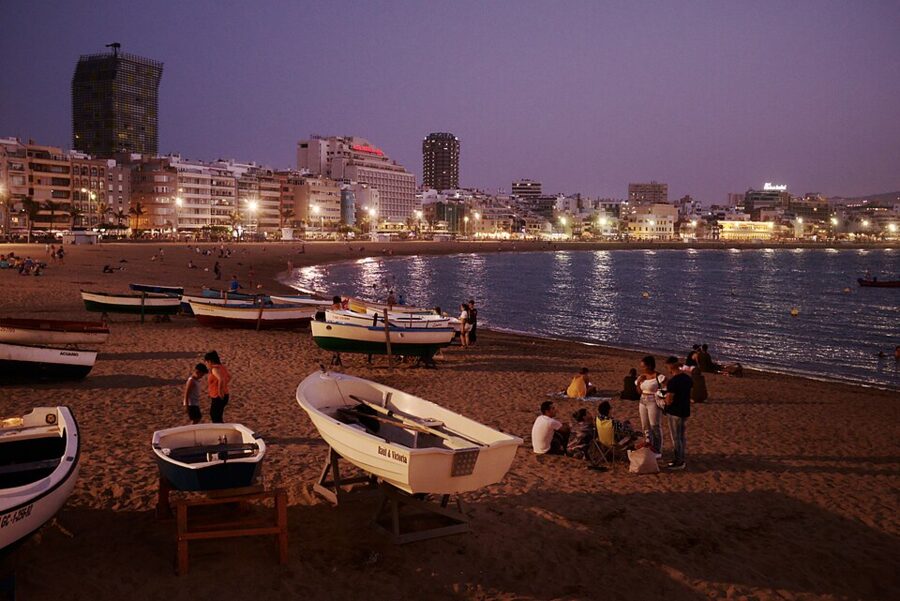
These are the only places on this list where a January beach day is normal rather than lucky. AEMET, the Spanish state weather agency, puts the average January high at 21.0°C in Santa Cruz de Tenerife and 20.8°C at Gran Canaria airport, with nights around 15°C and close to 180 hours of sun in the month. The sea is cool for a swim but not cold, and nothing closes for the season.
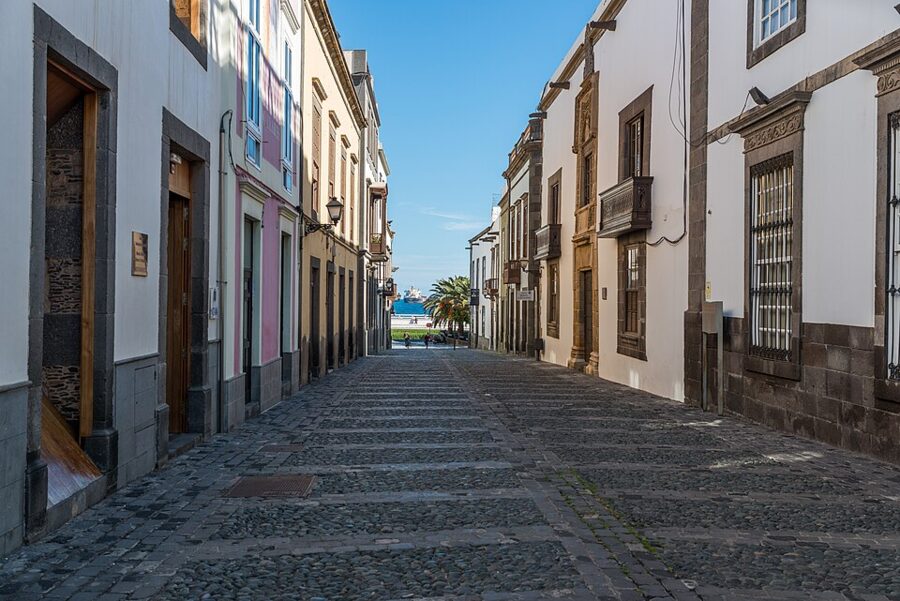
Las Palmas is the easier city base for a backpacker: a real working city with a long urban beach, Las Canteras, a reef that calms the water, and an old quarter, Vegueta, for the evenings. Tenerife is better if you want the mountain. Teide National Park often sits above the clouds, and the cold up there is a different climate entirely, so pack a fleece even in the Canaries.

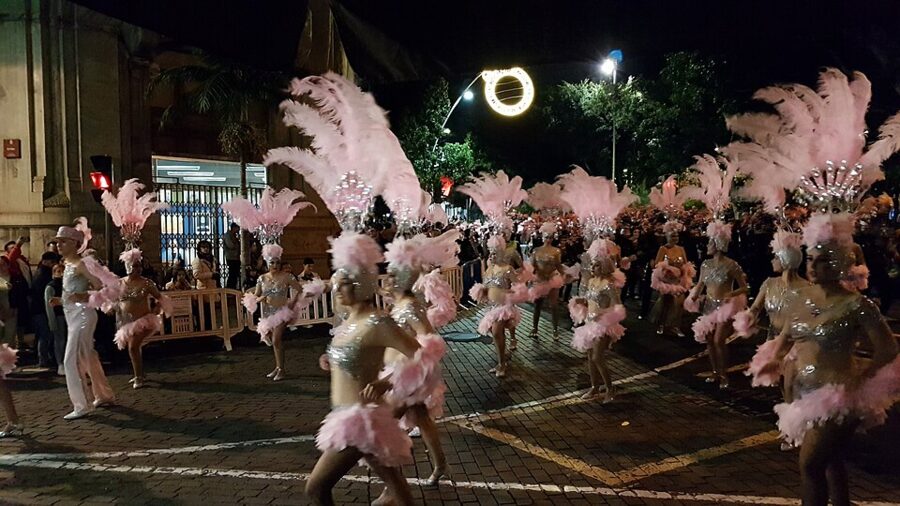

The big date is carnival. Santa Cruz de Tenerife moved its 2027 edition later than usual: the contests start on 22 January, the queen is chosen on Wednesday 17 February, and the carnival takes to the streets with the opening parade on Friday 19 February, running to Piñata Sunday on 28 February. The daytime street parties on Sunday 21 and Saturday 27 February are the ones to plan around. Beds in Santa Cruz fill early for those dates, so book as soon as you know you are going.
Getting there is the part that costs. The islands are four hours or more by air from most of Europe, and only the budget airlines make them a backpacker destination. Book well ahead for late December and the carnival weeks; the cheapest fares tend to be midweek in January.


Lisbon and Porto
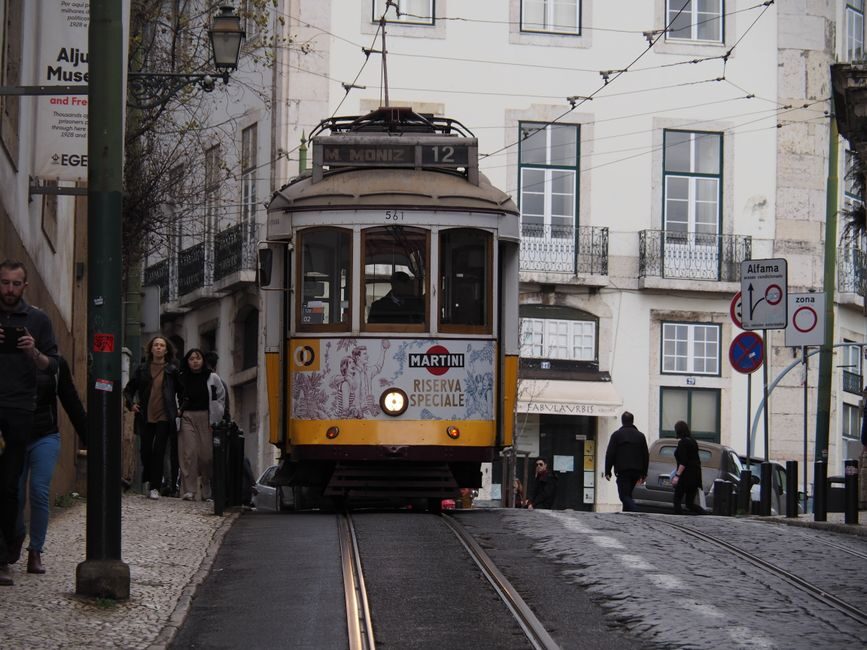
Lisbon is mild rather than warm. IPMA, Portugal’s weather institute, gives 15.1°C as the average January high and 8.6°C as the low, with about ten days of rain in the month. That is a jacket and a pair of shoes that grip on wet cobbles, not a beach holiday. The upside is that the city’s hills, viewpoints and trams are all still there and the summer queues are not.
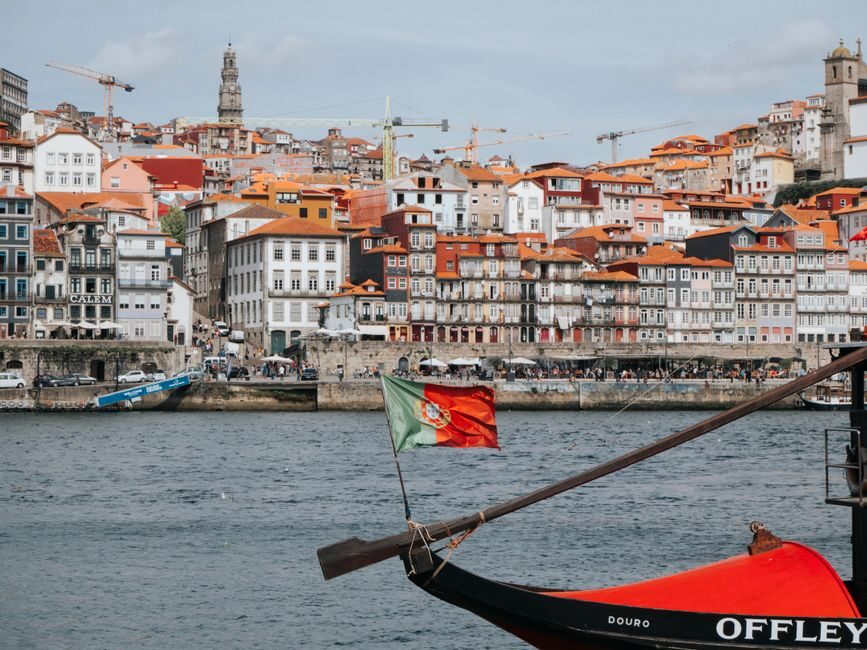
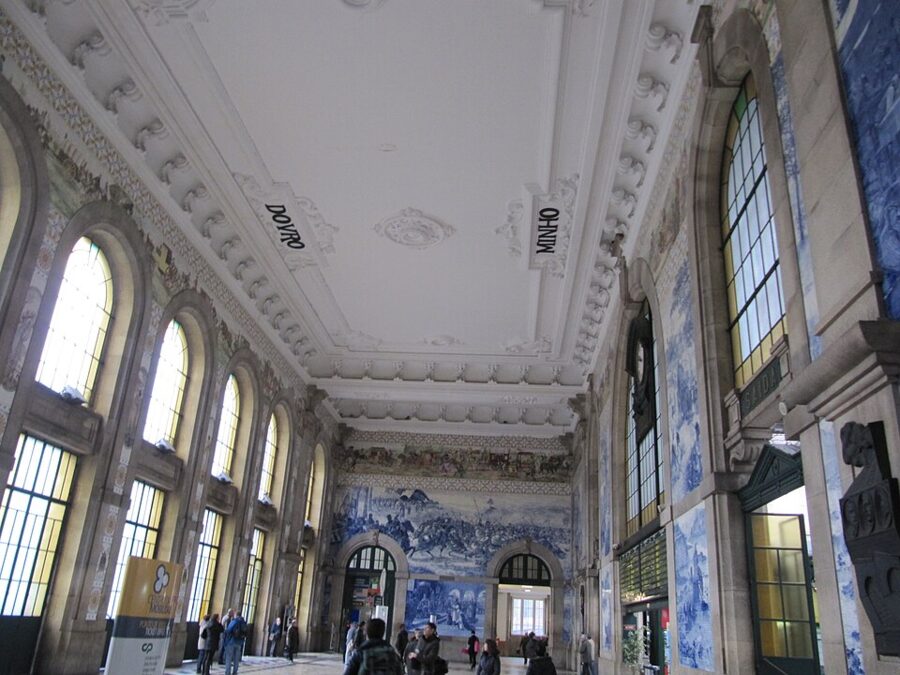
Porto is colder and much wetter: a 14.0°C high, 6.4°C nights, and 151 mm of rain on about 13 days in an average January at the airport station. Go anyway, but go with a plan for the wet days: the port lodges across the river in Gaia, the São Bento station tiles, a long lunch. The two cities are a three-hour bus ride apart, and FlixBus had seats from €3.49 for Thursday 14 January 2027, with buses every hour or so from 06:00.
December in both cities means lights, roast chestnut sellers on the corners and a lot of Portuguese families out shopping. January and February are quieter and cheaper, and that is when I would go.

Seville and Valencia
Seville in January is the best-value sunshine on the mainland. AEMET’s long-term figures for the airport give an average high of 16.0°C, 183 hours of sun in the month and about six wet days; the catch is the night, which drops to 5.7°C, and Seville’s old houses and cheaper hostels are built to keep heat out, not in. Ask whether the dorm has heating before you book a cheap one.
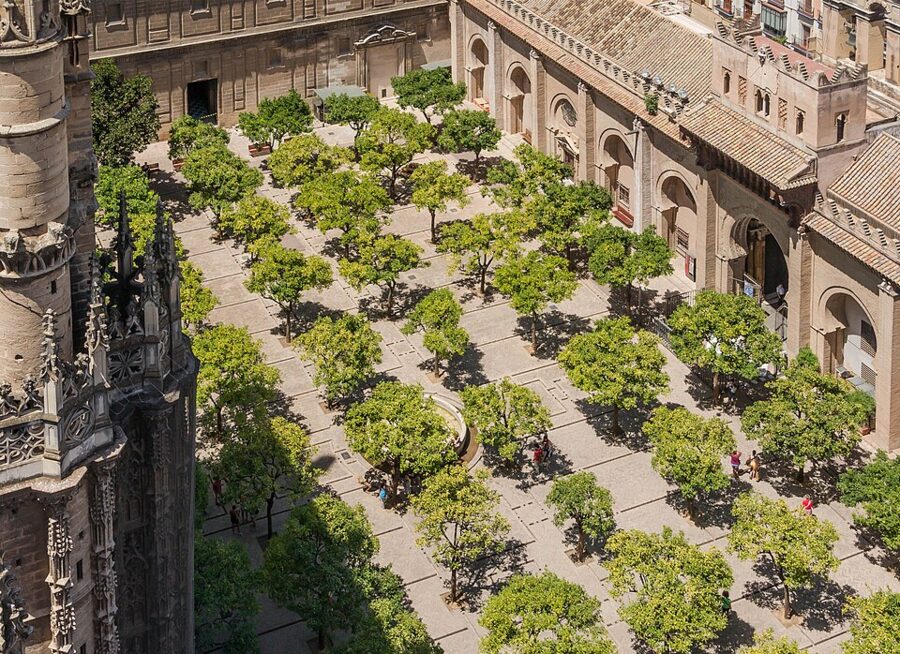
Winter is also when the city’s street trees are heavy with fruit. The oranges on them are the bitter kind, so admire them rather than pick them. The cathedral, the Alcázar and the Plaza de España are all quieter than at any other time of year.
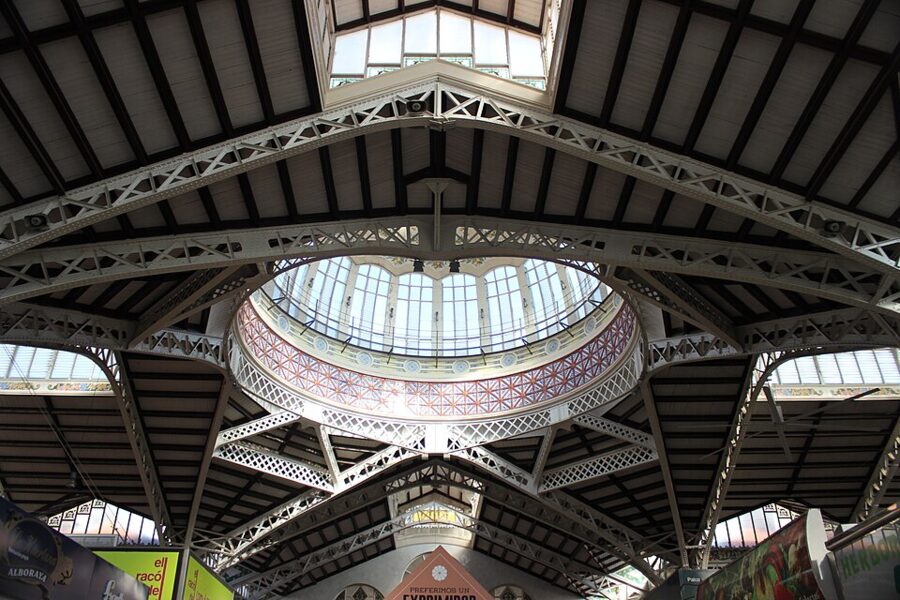
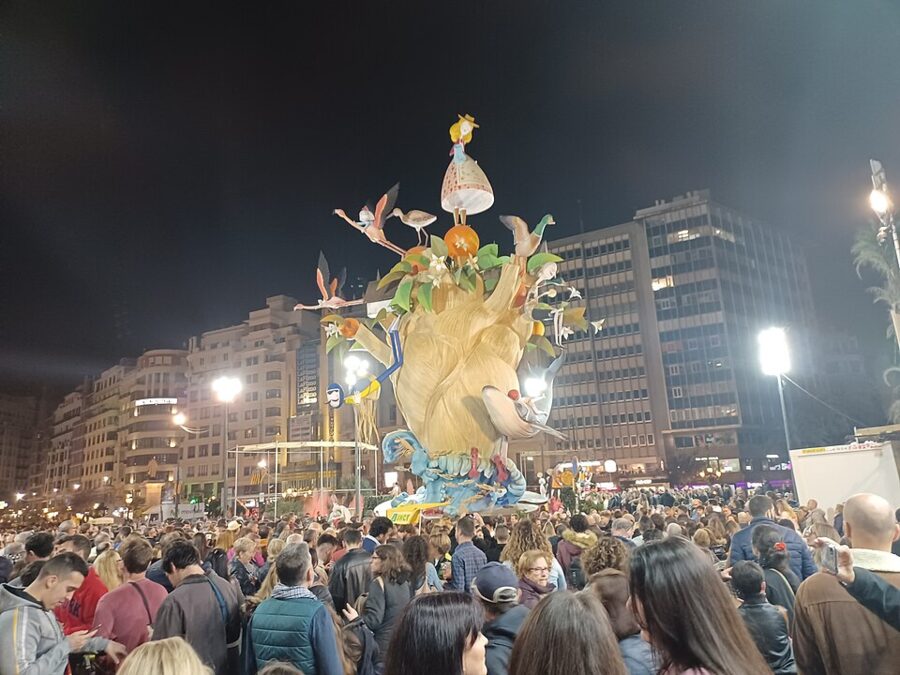
Valencia is a degree or so warmer at night (16.4°C by day, 7.1°C at night in January) and drier, with about four rainy days a month in winter. It has the beach at Malvarrosa a tram ride from the center, the Mercado Central for lunch, and in March, Las Fallas. The festival builds to its climax from 15 to 19 March 2027, when the giant satirical figures stand in the squares, and ends with the cremà, when they are burned on the night of the 19th.


Seville also makes a cheap gateway to Portugal. FlixBus had Seville to Lisbon for €10.98 on 14 January 2027, a seven-to-eight-hour trip with one change, so the two Iberian sun cities pair easily in one trip.
Malta
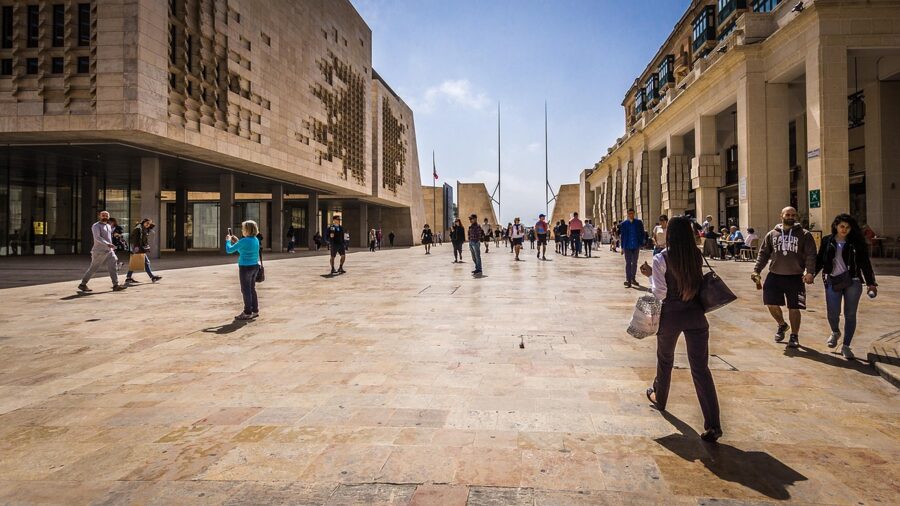
Malta’s Meteorological Office puts the January norm at 12.9°C as a daily mean, with roughly 170 hours of sun in the month. It can be windy, and the houses are built for summer, so the warmest place on a winter evening is often the bar. Valletta is quiet, compact and full of churches and fortifications that make sense in an afternoon’s walk.
Sliema, across the harbor, is the usual base, a short ferry from Valletta. Two Pillows Boutique Hostel on Triq San Piju V is a good winter pick for one reason: its cheapest six-bed dorm has underfloor heating, and there is a hot tub and sauna that direct-booking guests can use. In January that matters more than the location.
Athens
Athens is cool and bright in winter. The Hellenic National Meteorological Service’s figures for the coastal Elliniko station give a 13.6°C average January high and a 7.0°C low. The bigger story is the ticket office: from 1 November to 31 March, the first and third Sundays of each month are free at every state site in the city, the Acropolis included.
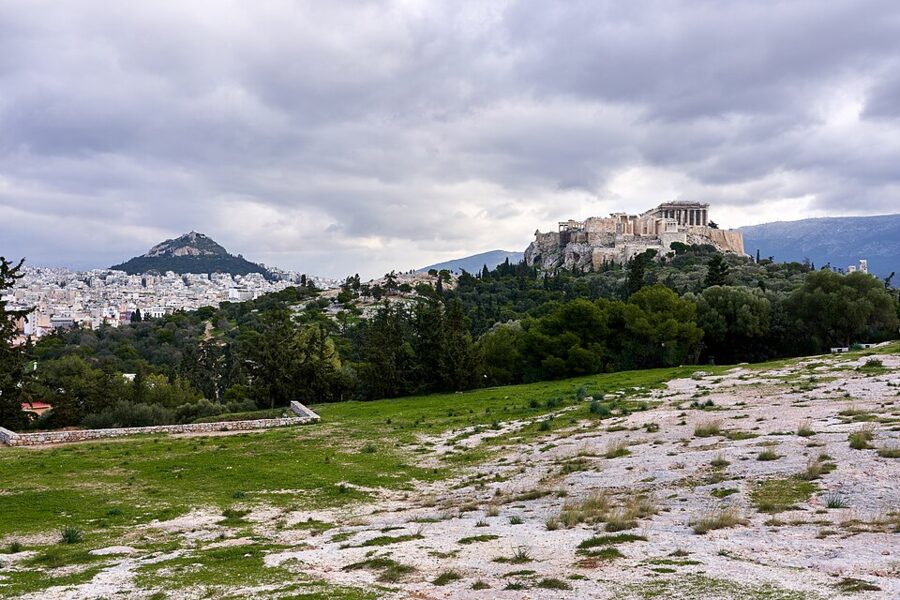

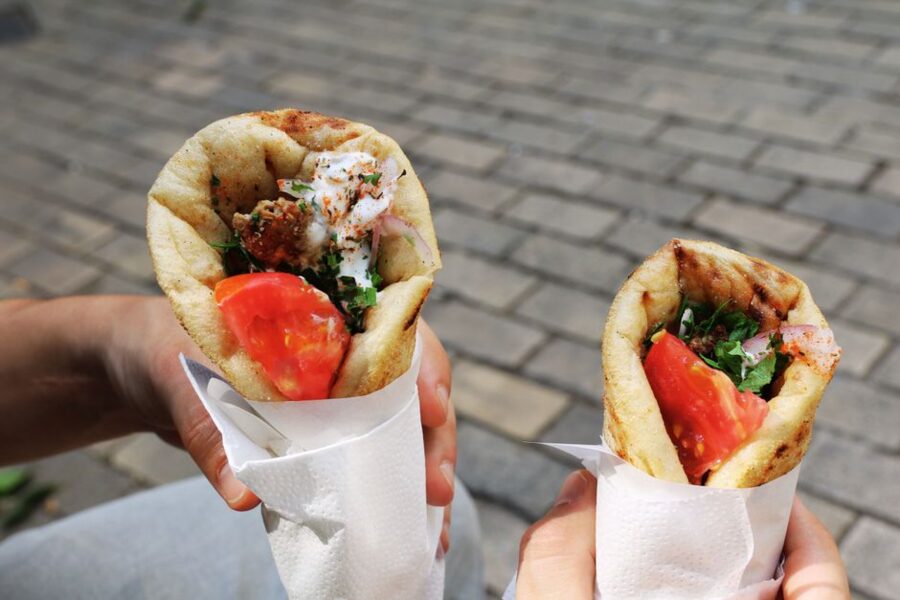
Winter hours are shorter (the Acropolis opens 08:00–17:00 from November to March), but walk-up tickets are easy outside the free Sundays. Dorm beds at City Circus in Psyrri were advertised at €20–27 for late-November and December 2026 dates. For the sites, the ticket rules and the metro, see the full guide to Athens.
Naples and Sicily
Naples is not warm in winter: the Aeronautica Militare’s climate tables for Capodichino airport give a 13.0°C average January high and a 4.4°C low. It is, though, the best place in Europe to see Christmas done properly in the south. Via San Gregorio Armeno, the narrow street of nativity-figure workshops in the old center, is at its fullest in December, when Neapolitans come to buy new figures for their family cribs.
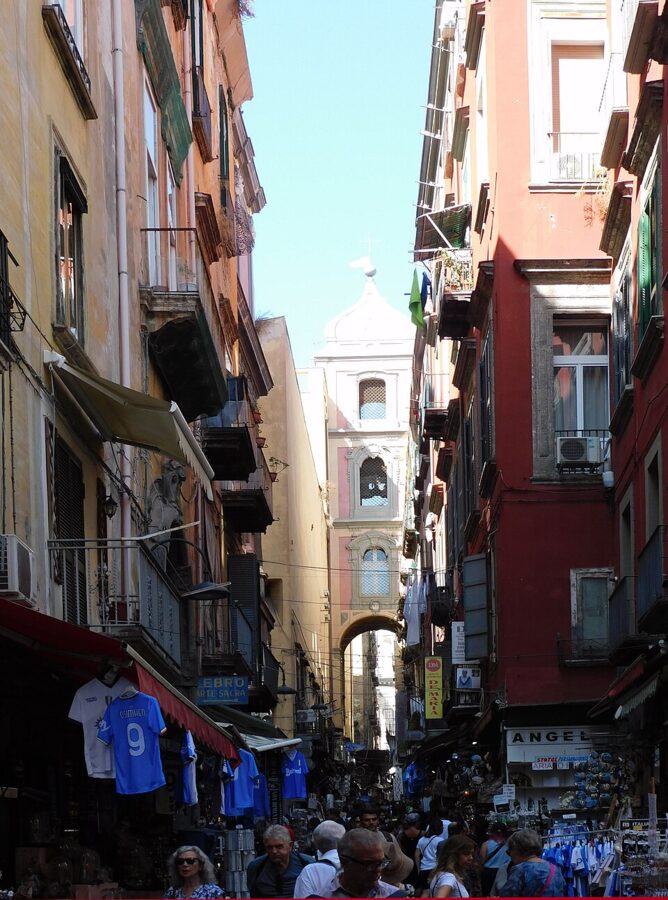

Naples is also not as cheap as people expect. Hostel Mancini, a 650 m walk from Napoli Centrale station and three minutes from the Antica Pizzeria da Michele, charges €30 for a bed in its six-bed mixed dorm on Thursday 14 January 2027 and again on Wednesday 3 February, breakfast included, and a little less if you book direct and pay up front. The four-bed dorms are €40. That is still well under a summer price, and breakfast takes care of one meal.
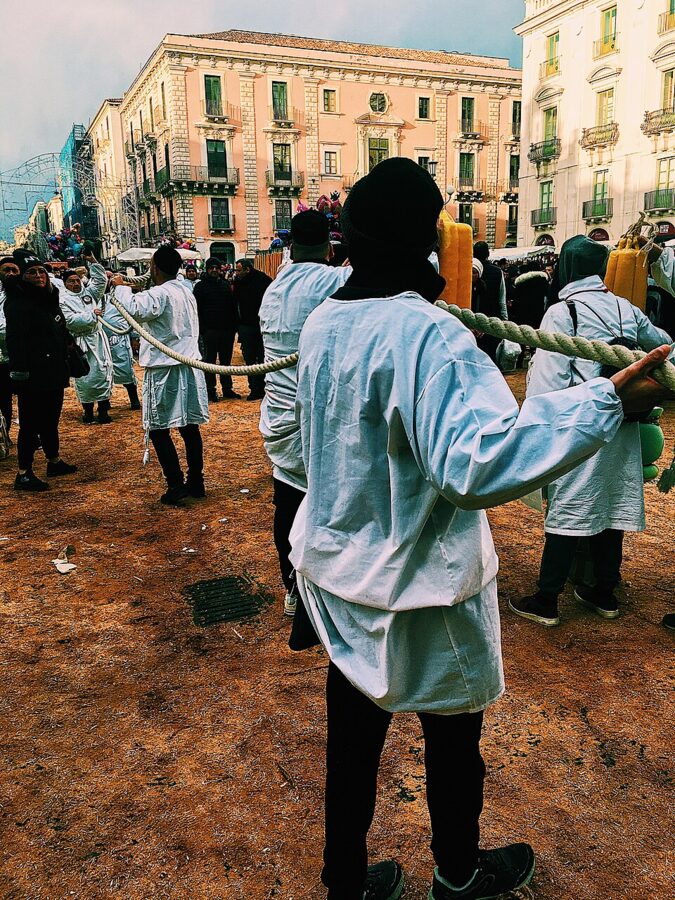
Palermo is milder: a 14.7°C average January high and nights near 9°C, according to the same tables. Its street markets, Ballarò and the Vucciria, run through the winter, and the food in them is the cheapest good eating in Italy. Across the island, Catania holds the feast of Sant’Agata, its patron saint, from 3 to 5 February 2027, when the saint’s silver reliquary is hauled through the streets by devotees dressed in white.
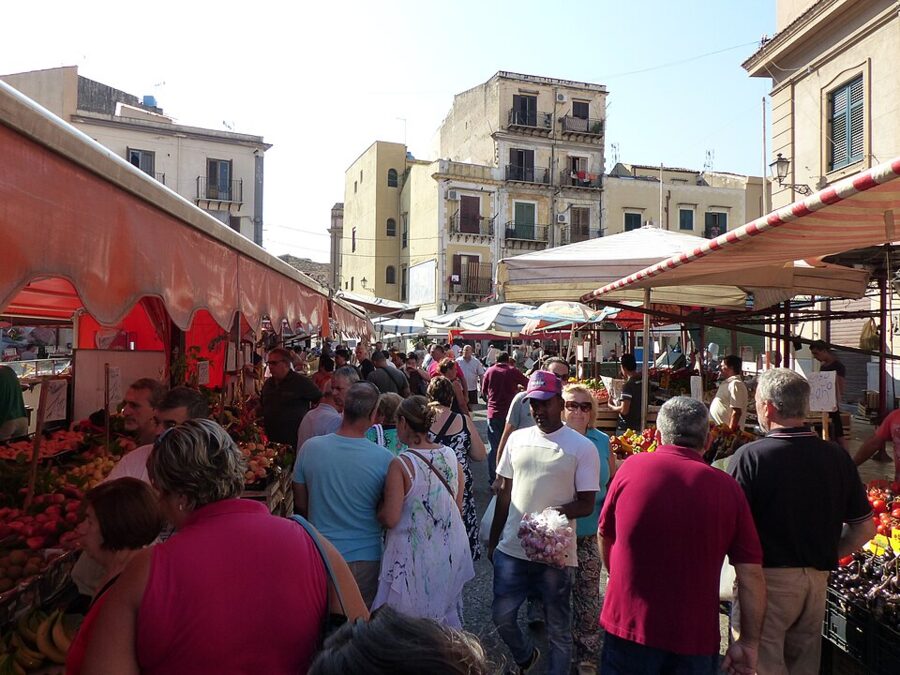

The bus between the two is a slog. FlixBus had Naples to Palermo at €33.98 for 14 January 2027, leaving at 01:25 and arriving at 19:20 with one change: nearly 18 hours. I’d fly, or take the train and accept a higher fare for a shorter trip.

Antalya and the Turkish south coast
Antalya has the warmest days in Turkey in winter: the Turkish State Meteorological Service gives a 15.0°C average January high and 6.1°C nights. It also has its wettest weeks then, with about 225 mm of rain in an average January, so expect some days of downpours between the sunny ones. Beds in the Kaleiçi old town hostels start at about €12 in the low season.
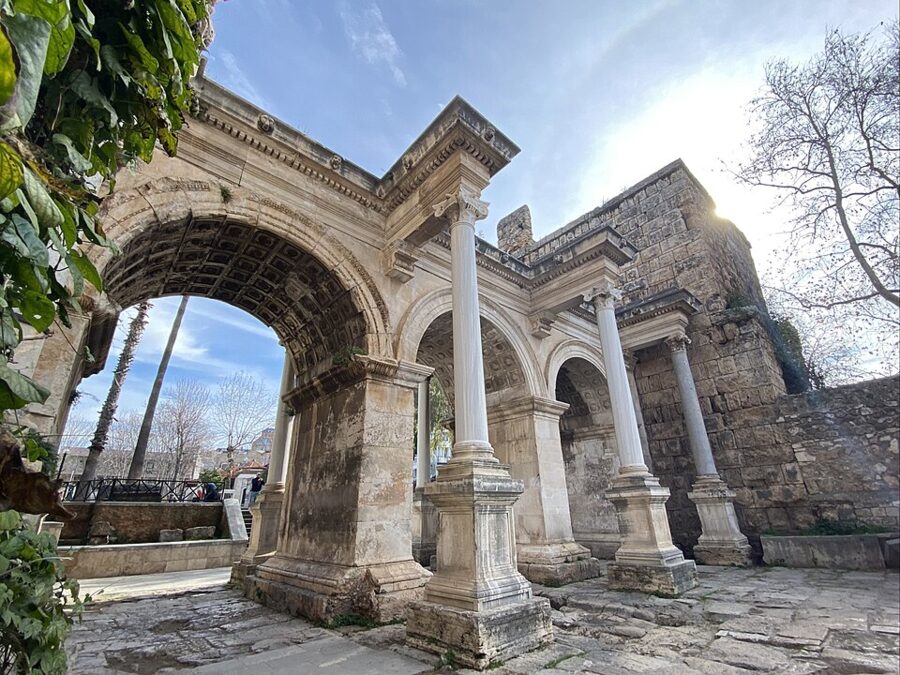

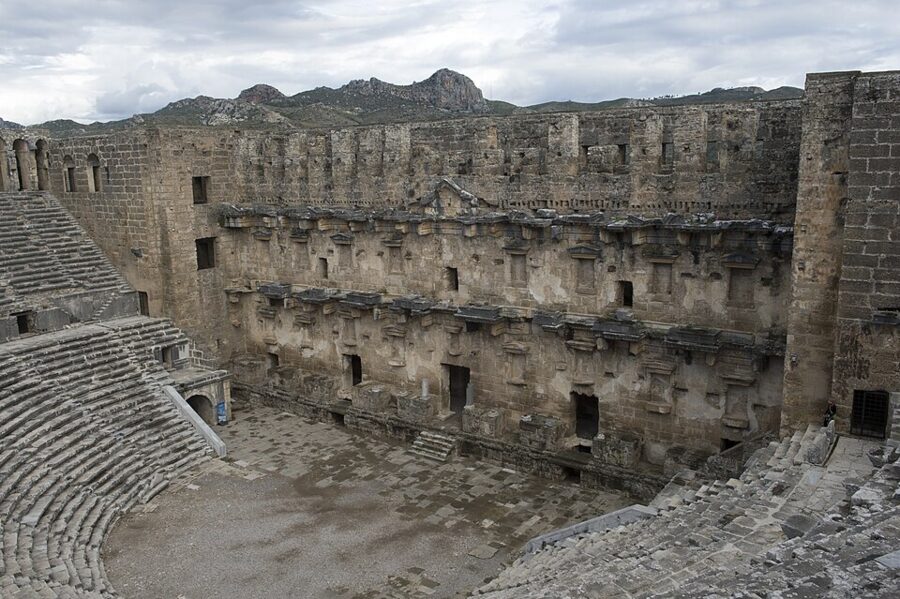
The winter case for the south coast is the ruins. Perge, Aspendos and the rest are quiet, cool enough to walk at midday and cheap to reach by bus. Two warnings: the Antalya Museum has been closed and its collection in storage since September 2025, and fewer boats run along the coast in winter. For the sites, the beaches and the buses, see the guide to the Turkish south coast in winter.

The cold cities, where winter is the point
Kraków
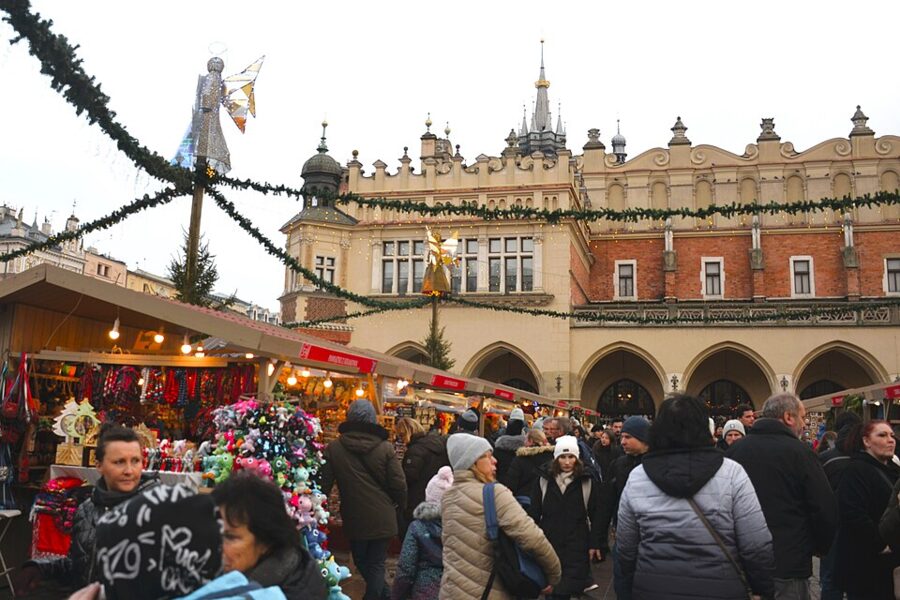
Kraków’s Christmas market on the Main Square runs from 27 November 2026 to 6 January 2027, longer than most, and has been part of the city’s December for more than 30 years. Craft and food stalls line the square around the Cloth Hall, with traders from Poland and abroad. It is the obvious draw, and it is good, but it is not the most Kraków thing in Kraków in December.


That would be the szopki: tall, glittering nativity cribs built to look like the city’s own churches and towers, a tradition with its own competition since 1937. The 84th Kraków Szopka Contest runs from 3 to 13 December 2026, opening as it always does on the first Thursday of December with the new cribs on show in the Main Square. The best of them then go on show at the Museum of Kraków from 9 December 2026 to 28 February 2027, which makes it a reason to come in January too.
Kraków has the shortest days on this list, about eight hours at the solstice, and the cold to go with them. Plan the indoor sights for the afternoons. Kraków to Budapest by FlixBus was €14.99 for 14 January 2027, leaving at 05:45 and arriving at 12:25.
Budapest
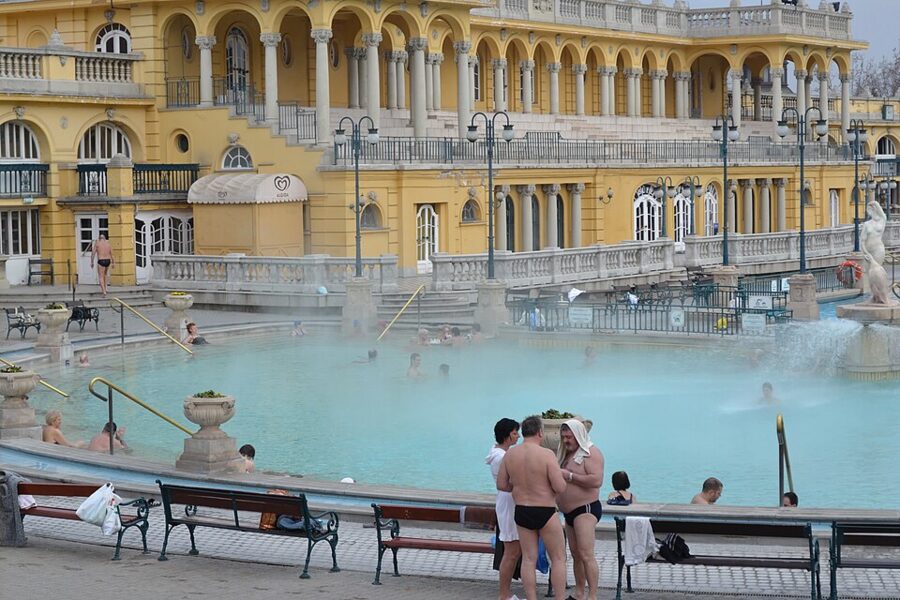
Budapest is properly cold. HungaroMet, the Hungarian weather service, gives the 1991–2020 average at its Pestszentlőrinc station as a 3.0°C high and a −2.5°C low in January, and December is hardly warmer. That is exactly why the thermal baths are the point of a winter trip: sitting in a hot outdoor pool while the air around you is below freezing is the reason people come.

The Advent Bazilika market fills Szent István tér in front of St Stephen’s Basilica from 13 November 2026 to 1 January 2027. It opens 11:00–22:00 Sunday to Thursday and until 23:00 on Fridays and Saturdays, with light projections on the basilica every evening from 17:30. On 24 December it closes at 15:00, and on New Year’s Eve it stays open until 03:00.
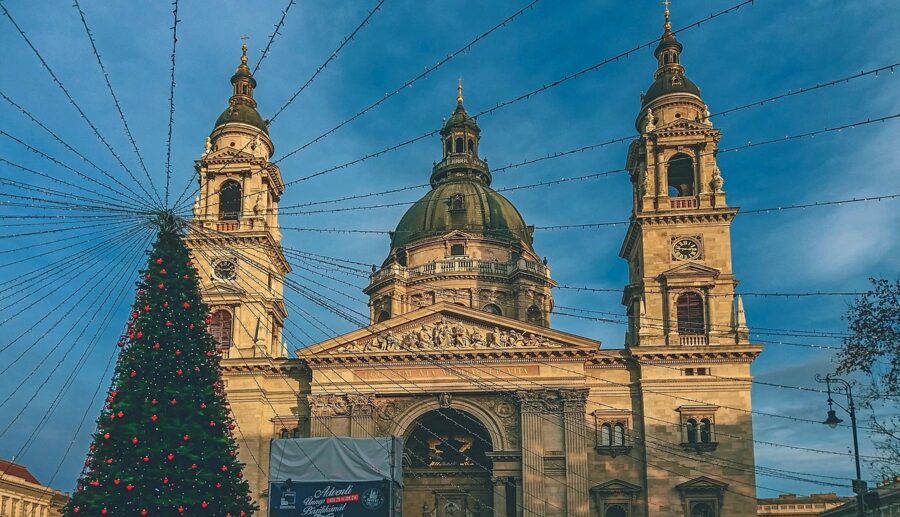
Sit-down Hungarian food is not as cheap as the hostels. Hungarikum Bisztró, on Steindl Imre utca a short walk from Parliament, lists goulash soup at 4,300 Ft and lángos with cheese and garlic sour cream at 3,900 Ft. A bowl of soup and the bread with it is a full lunch in January.

Prague
Prague runs its main Christmas markets on two squares at once, Old Town Square and Wenceslas Square, from 28 November 2026 to 6 January 2027, daily 10:00–22:00. They are crowded on December weekends, and the bed prices follow. At Sir Toby’s Hostel, the six-bed dorm that costs €13.21 on Thursday 14 January 2027 is €16.82 on Wednesday 9 December 2026 and €46.03 on Saturday 12 December; the bigger 12-bed dorm that Saturday is €37.89.
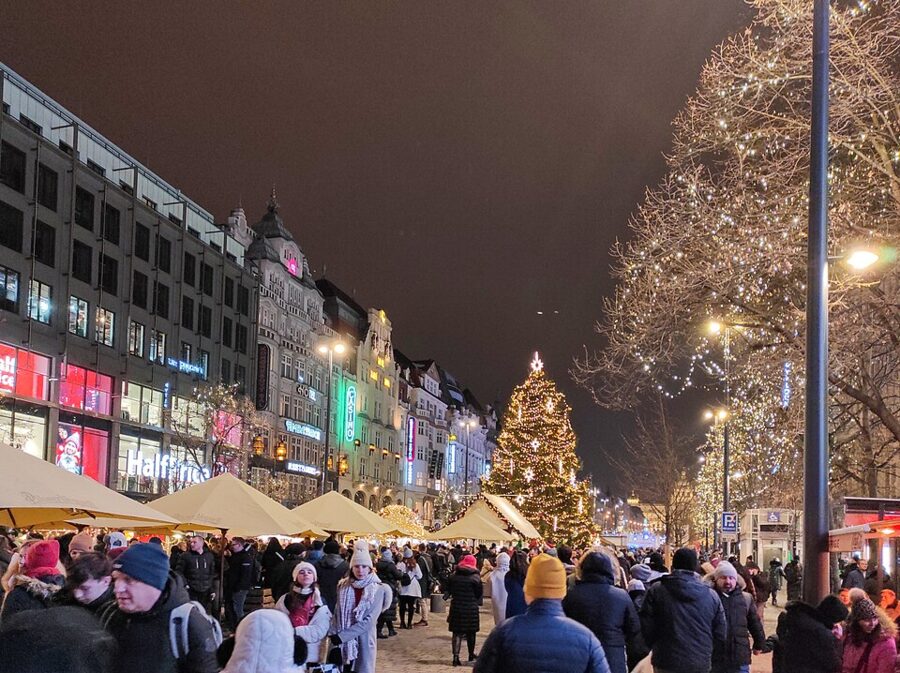

So come midweek, or come in January, when the trees are gone but the beer halls are warm. Lokál on Dlouhá street, a big Czech pub with its own butcher’s, pours a half-liter of Pilsner at 76 Kč and does a tripe soup for 79 Kč on its late menu; it is open 11:00–midnight Monday to Saturday and until 22:00 on Sunday. That is a cheaper evening than any market stall.
Prague connects cheaply in every direction. FlixBus had Prague to Kraków for €10.99 on 14 January 2027, a trip of eight to nine hours. RegioJet runs a night bus from Prague to Budapest that leaves at 23:00 and arrives at 06:05, from €19.90 the same night, which replaces a hostel bed as well as the journey.
Sofia
Sofia is the cheapest capital on this list to ski from: Borovets, the closest proper resort, is about 70 km away, and Vitosha, the mountain that rises straight out of the southern suburbs, is the city’s weekend escape. Sofia sits at around 550 m, so it is cold and often snowy, and the gold domes of the Alexander Nevsky Cathedral look their best under snow.
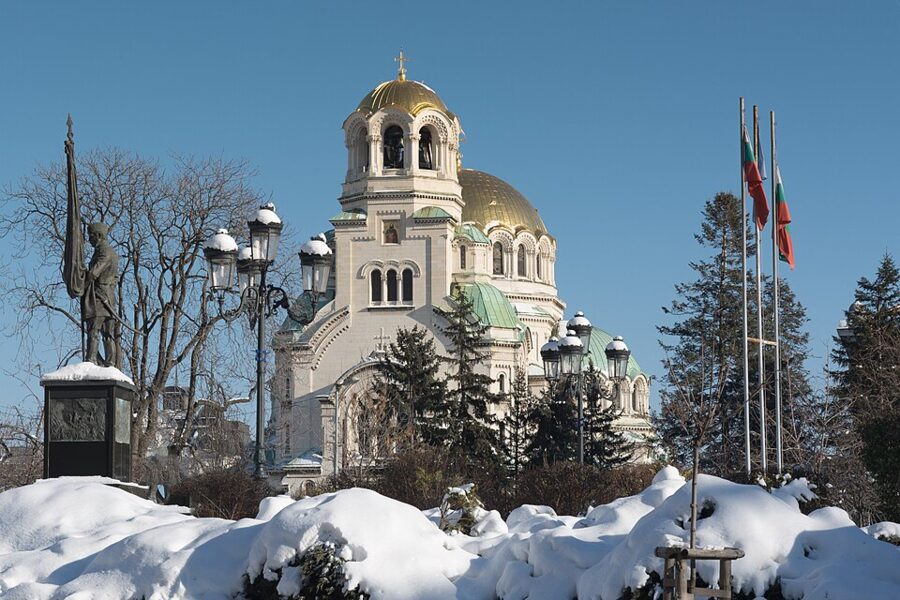

Bulgaria now prices in euros, which makes comparing easy. The Sofia Christmas Fest, now in its fifth year, fills the park in front of the National Palace of Culture (NDK) from 20 November to 28 December 2026, open every day from 11:00, with an ice rink. From Sofia, FlixBus runs to Istanbul for €37: on 14 January 2027 there was a night bus at 23:00 that arrives at 08:00, another bed saved.
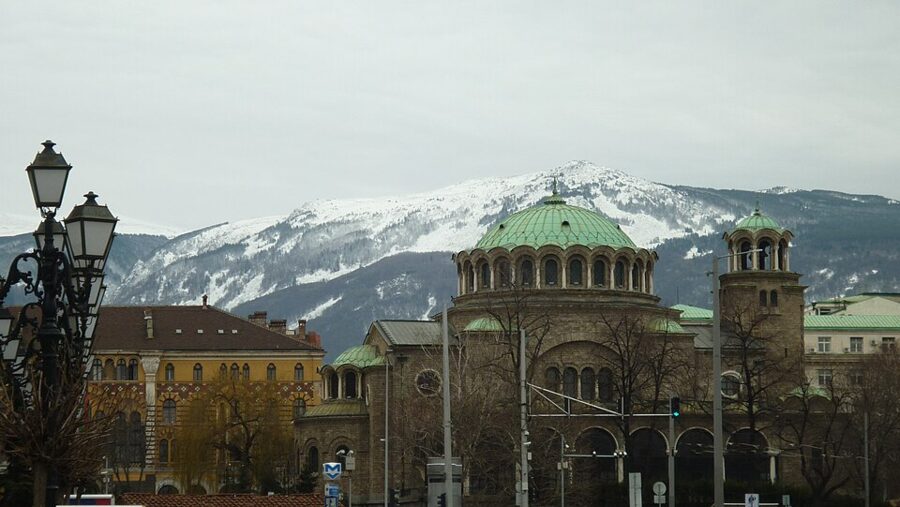
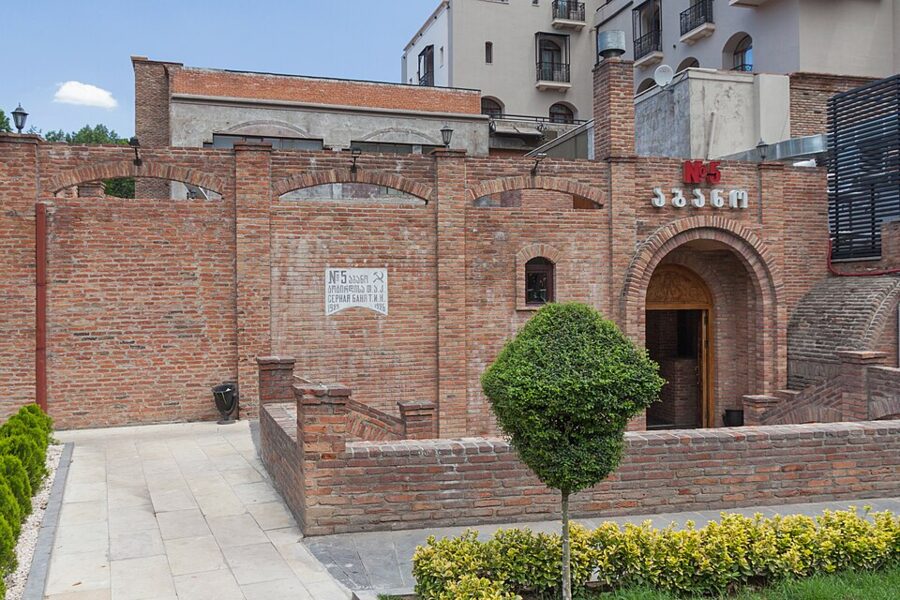
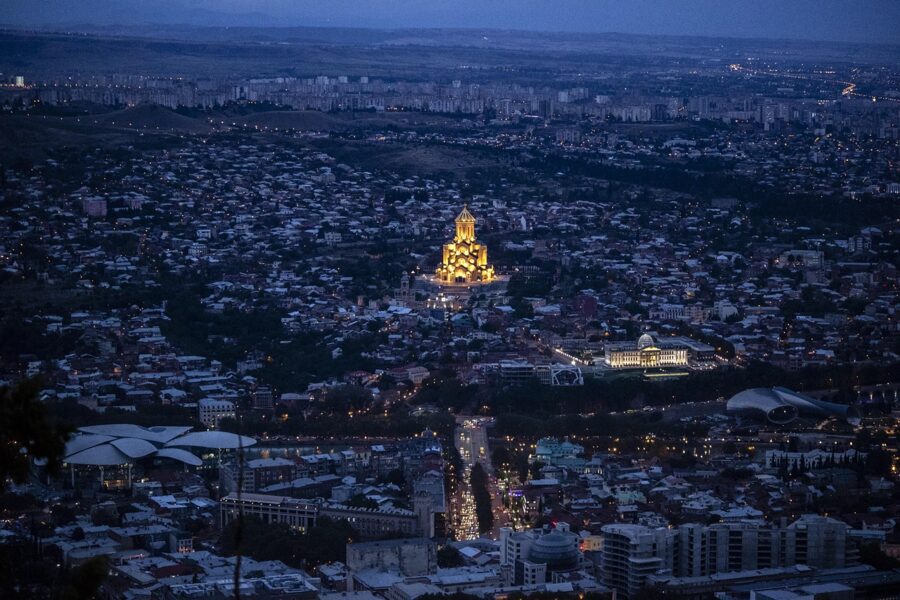
Tbilisi, in brief
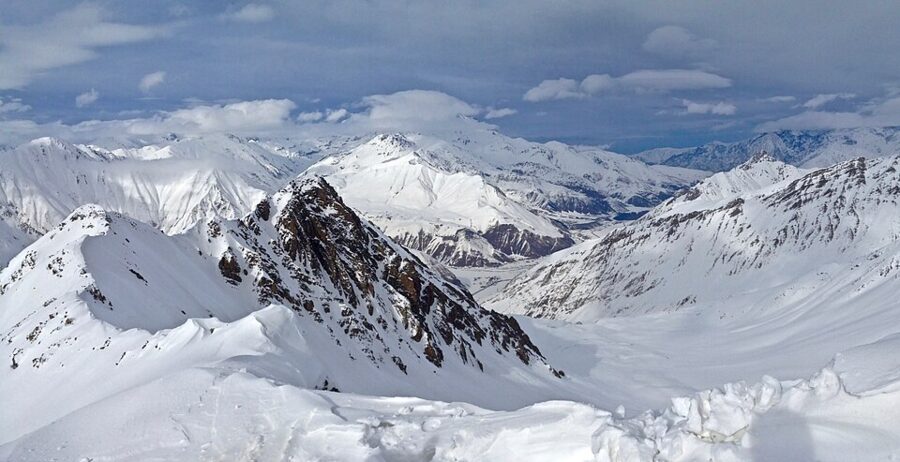
Tbilisi is further than the rest and worth it if you have more than a week. Winters are cold but mostly dry, the old town’s sulfur baths come into their own, and the wine bars are cheap. The ski resort of Gudauri is on the Georgian Military Road north of the city, which makes Tbilisi a city break and a ski trip in one.

Istanbul
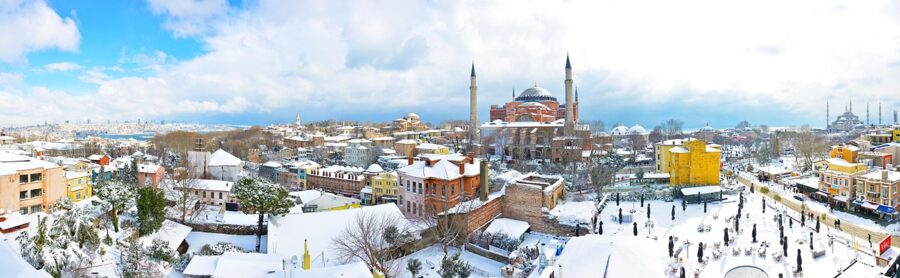
Istanbul is cold and damp in winter rather than freezing: the Turkish State Meteorological Service gives a 9.6°C average January high and 4.2°C low, with about 16 days of rain in the month. Most winters bring a few days of snow, and when it settles the traffic seizes up and the mosques look their best. The big sights are mostly indoors, the ferries run all year, and the hostel rates are among the lowest of any big city in Europe: dorm beds at Cheers Hostel near Hagia Sophia were about €21–30 for December 2026 dates.
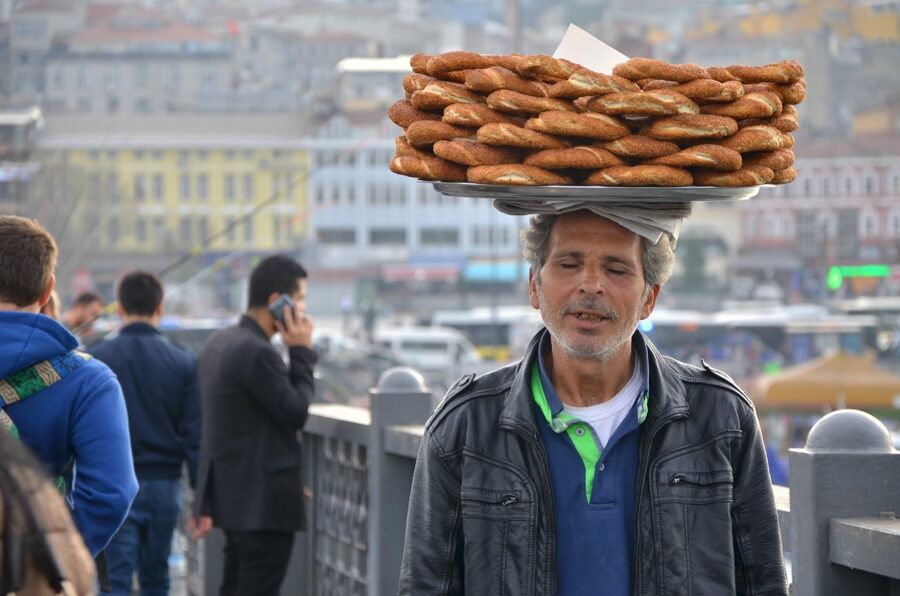
Street food is cheap if you watch the lira: a simit costs 30 TL from the carts since a September 2026 rise, and a stew and rice at a workers’ lokanta about 250–400 TL. Mosques close to visitors during the five daily prayers and for longer at Friday noon, which matters on short winter days when the afternoon prayer comes early. For neighborhoods, hostels and the Istanbulkart, see the full Istanbul guide.
Snow on a budget
The cheapest skiing in Europe is in the Balkans and Turkey, not the Alps, and the gap is large. You will not get Alpine snow reliability or long runs everywhere, but you get a day on the lifts for the price of a dinner at home.
Bulgaria: Borovets and Bansko
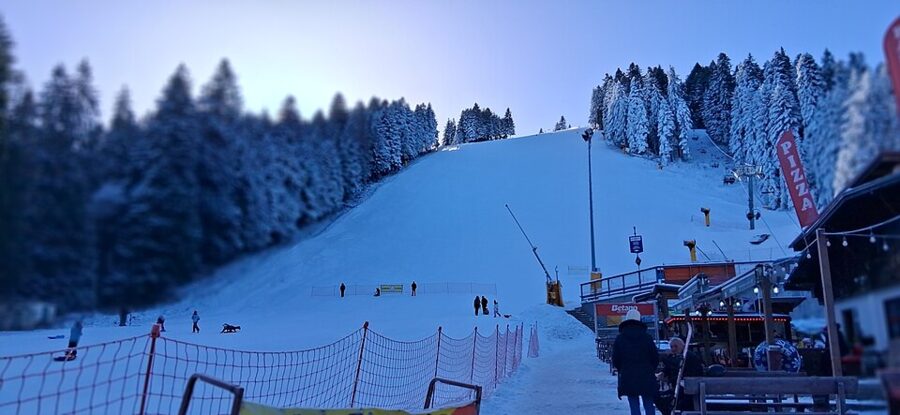
Borovets is the closest proper resort to Sofia. Its early-bird prices for 2026–27, sold from 1 November to 14 December at last season’s rates, put an adult day pass (ages 23–64) at €56.60, which includes €2.60 for the reloadable card you keep for the next day. Skiers aged 14–22 or over 65 pay €45.60, a six-day adult pass is €225.60, and night skiing from 18:30 to 22:00 is €32.

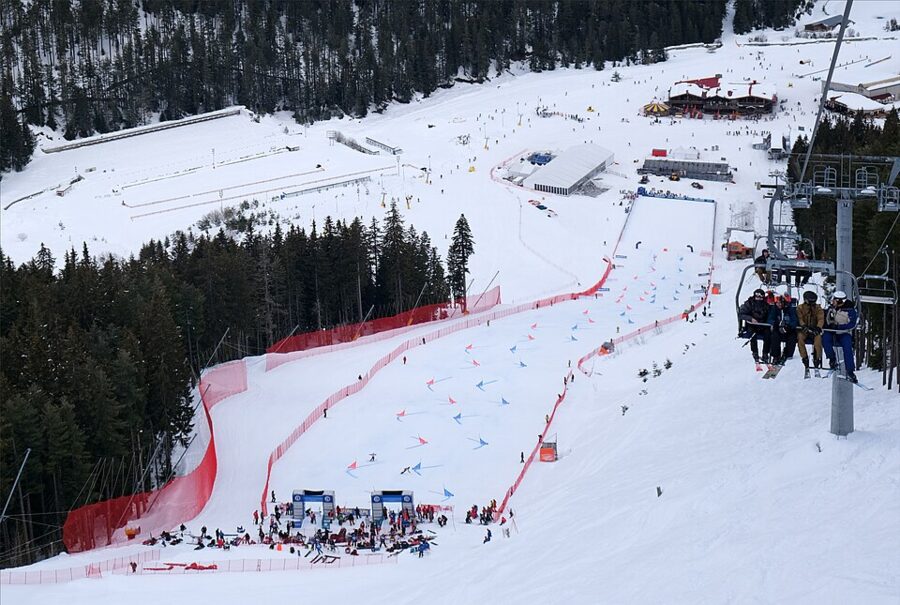
Bansko is the bigger and better-known resort, reached by a gondola from the edge of town, and its season runs from 1 December 2026 to 11 April 2027. A full-season pass costs €870 if bought by 1 December 2026; day-pass prices for 2026–27 had not been posted on the resort’s site by late November. The town itself has plenty of cheap guesthouses, and staying in town rather than on the mountain is how to keep it a budget trip.

Turkey
Turkey’s lift passes are priced for Turkish families: a day at Uludağ above Bursa costs 2,100 TL bought online in the 2026–27 season, or 2,500 TL at the window, and you can sleep in Bursa and ride the cable car up. Erciyes, above Kayseri, pairs well with a Cappadocia trip. The resort hotels are another matter. Everything you need, mountain by mountain, is in the guide to skiing in Turkey.
Poland and Georgia
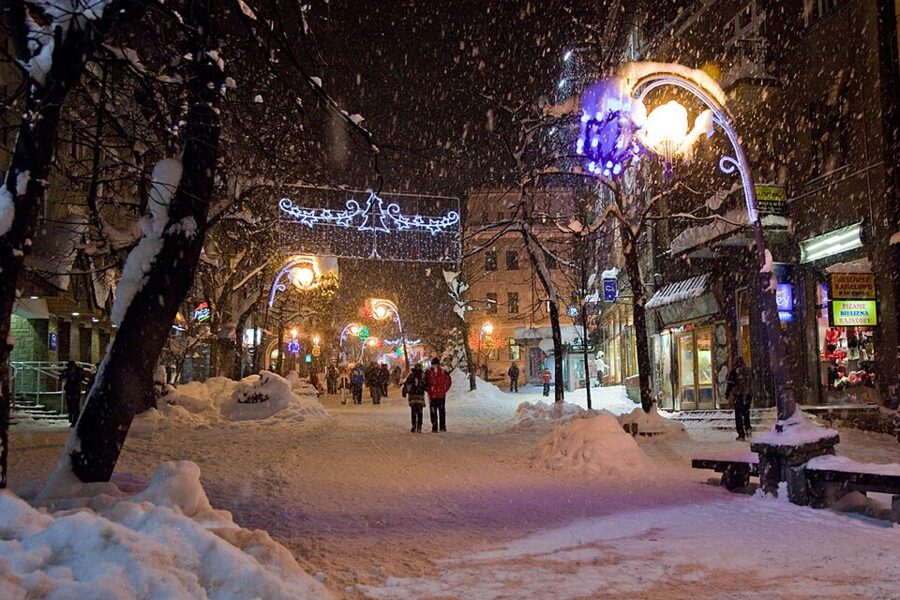
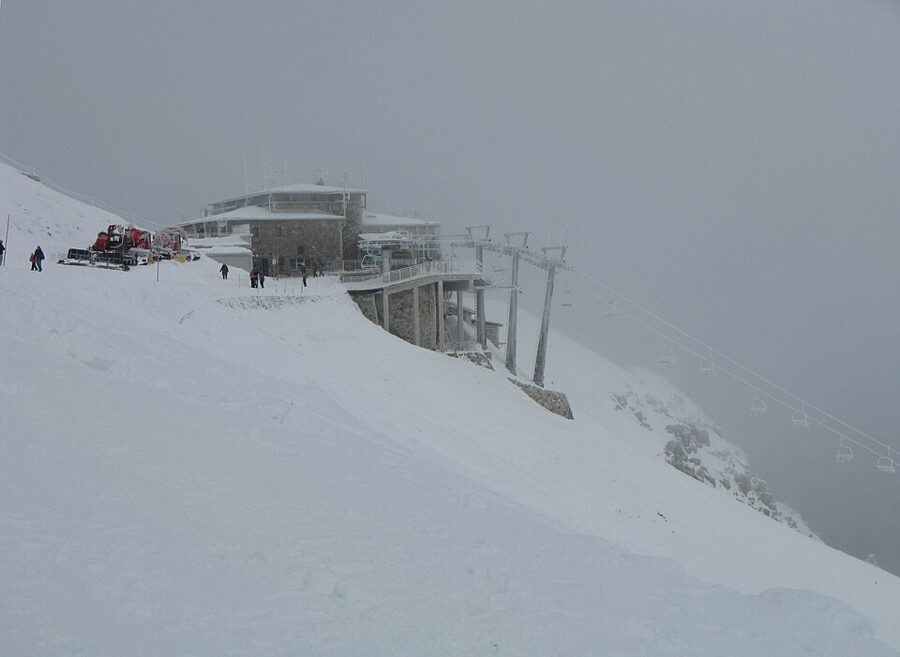
Poland’s skiing centers on Zakopane in the Tatras, a couple of hours south of Kraków by bus or train, with the cable car to Kasprowy Wierch for the high runs and the family slopes of Białka Tatrzańska nearby. It is busy at weekends and in the Polish school holidays, so go midweek. A Kraków trip with two days in Zakopane is the easiest ski add-on in Central Europe.


Georgia’s Gudauri sits high in the Greater Caucasus, with wide open slopes above the tree line and a reputation for good snow. It is the one resort on this list that rewards a longer trip: combine it with Tbilisi and you have the most unusual winter week on the continent.
Daylight, closures and getting around cheaply
Short days change how you plan. On 21 December you get about eight hours of daylight in Kraków and Prague, eight and a half in Budapest, nine in Sofia and Istanbul, nine and a half in Athens, Seville and Malta, and just over ten in the Canaries. Do the outdoor things first and save museums, baths and food for the dark.

Reduced timetables are the main winter trap. Ferries thin out across Greece and Turkey; of the thirteen boat links between the Greek islands and the Turkish coast, only six keep a regular service from November to March, all set out in the guide to crossing from Greece to Turkey. Archaeological sites close earlier, many seaside guesthouses shut altogether, and mountain roads can close after snow. Check opening hours on the day.
Night buses are the winter backpacker’s best friend: the bed and the journey in one ticket. RegioJet’s Prague to Budapest night bus (23:00 to 06:05, €19.90), FlixBus from Sofia to Istanbul (23:00 to 08:00, €37) and FlixBus from Budapest to Prague (23:20 to 08:00, €20.48) all ran on 14 January 2027. If you would rather share a car, the guide to carpooling and rideshare options in Europe covers how it works.

Cheap flights tend to be cheapest in the dead weeks: the second half of January and early February, midweek. The busy exceptions are the week before Christmas, New Year, and the carnival and half-term weeks in February. Sleeping out is not a winter option almost anywhere north of the Canaries; the guide to safe camping and sleeping outdoors in Europe is for the other seasons.
For packing, layers beat a big coat: a thermal top, a fleece and a waterproof shell cover everything from a damp Porto afternoon to a frozen Kraków evening. Add shoes with a grip for wet cobbles and ice, and a swimsuit for the baths. For dorms that are warm, social and safe, start with the round-up of hostels for solo travelers.
A winter week, priced
Here is what the fixed costs of three winter weeks look like, using dated prices for beds, transport and food from the places named above.
| Item | Price | Date and source |
|---|---|---|
| Prague: six-bed dorm, Sir Toby’s | €13.21 a night | Thursday 14 January 2027, hostel’s own booking page |
| Prague: the same bed on a December Saturday | €46.03 a night | Saturday 12 December 2026 |
| Prague: half-liter of Pilsner / tripe soup, Lokál Dlouhá | 76 Kč / 79 Kč | pub’s own menu, November 2026 |
| Naples: six-bed dorm with breakfast, Hostel Mancini | €30 a night | 14 January and 3 February 2027, hostel’s own booking page |
| Athens: dorm bed, City Circus | €20–27 a night | late-November and December 2026 dates |
| Athens: souvlaki wrap | from €3.30 | survey of Attica shops, October 2026 |
| Istanbul: dorm bed, Cheers Hostel | about €21–30 a night | December 2026 dates |
| Istanbul: simit / lokanta stew and rice | 30 TL / 250–400 TL | 2026 |
| Budapest: goulash soup, Hungarikum Bisztró | 4,300 Ft | bistro’s own menu, November 2026 |
| Bus: Lisbon to Porto, FlixBus | from €3.49 | 14 January 2027 |
| Bus: Prague to Kraków / Kraków to Budapest, FlixBus | €10.99 / €14.99 | 14 January 2027 |
| Night bus: Prague to Budapest, RegioJet | €19.90 | 14 January 2027 |
| Ski day: Borovets adult pass with card | €56.60 | 2026–27 early-bird price |
A week in Prague in January
Seven midweek-rate nights at Sir Toby’s come to roughly €92–104 if the January price holds; a February Saturday was €14.78, so weekends after the markets close are not much dearer. An evening at Lokál with two beers and a soup is about 230 Kč. Arrive by bus from Kraków for €10.99 and leave on the night bus to Budapest for €19.90, and the whole week’s bed and transport is under €140.
A week in Naples
Seven nights at Hostel Mancini at €30 come to €210, with breakfast every morning, or a little less paying in advance direct. Naples is a city of cheap street food, so the rest of the budget goes far; the money question is the onward trip. The bus to Palermo at €33.98 costs a whole day, so it only makes sense if you are short of cash rather than time.
A week in Istanbul
Seven nights at €21–30 in a Sultanahmet dorm come to €147–210. On top of the bed, a frugal day of transit, street food and a lokanta lunch runs to roughly 800–1,200 TL in late 2026, and the big paid sights are where the budget goes. Come in from Sofia on the €37 night bus and you have saved a night’s bed on the way in.
Whichever you pick, book one thing now: the bed for any December Saturday, before the market crowds take it. The €3.49 bus to Porto and the 23:00 night bus to Budapest can wait until you have seen the forecast.