Saturday 15 May 2027 is the worst day of the year to look for a bus seat out of Istanbul. It is the eve of Kurban Bayramı, the four-day sacrifice holiday, and by lunchtime half the city is on the road to a home village or a beach. Get that one date wrong and a cheap overnight bus turns into a day stuck at the otogar.
Turkey has 15.5 official days off in 2027: national days on fixed dates, and two religious bayrams that follow the lunar calendar and move about 11 days earlier each year. The religious dates are from the calendar of the Diyanet (Presidency of Religious Affairs), which Turkey works to; some international calendars put Ramazan Bayramı a day or two later, and they are wrong for Turkey. An eve (arife) is a half day: offices close at 13:00.
| Date | Day | Holiday | Day off? |
|---|---|---|---|
| 1 January 2027 | Friday | New Year’s Day (Yılbaşı) | Yes |
| 8 February | Monday | First day of the Ramadan fast | No |
| 5 March | Friday | Kadir Gecesi, the Night of Power (evening) | No |
| 8 March | Monday | Eve of Ramazan Bayramı | From 13:00 |
| 9–11 March | Tuesday–Thursday | Ramazan Bayramı (Şeker Bayramı, Eid al-Fitr) | Yes |
| 23 April | Friday | National Sovereignty and Children’s Day | Yes |
| 1 May | Saturday | Labor and Solidarity Day | Yes |
| 15 May | Saturday | Eve of Kurban Bayramı | From 13:00 |
| 16–19 May | Sunday–Wednesday | Kurban Bayramı (Eid al-Adha) | Yes |
| 19 May | Wednesday | Commemoration of Atatürk, Youth and Sports Day (same day as the last day of Kurban Bayramı) | Yes |
| 15 July | Thursday | Democracy and National Unity Day | Yes |
| 30 August | Monday | Victory Day (Zafer Bayramı) | Yes |
| 28 October | Thursday | Eve of Republic Day | From 13:00 |
| 29 October | Friday | Republic Day (Cumhuriyet Bayramı) | Yes |
| 10 November | Wednesday | Anniversary of Atatürk’s death, silence at 09:05 | No |
Nothing official is left in 2026: Republic Day was the year’s last holiday, and New Year’s Eve is a working day, though the night belongs to Istanbul’s nightlife. The government can still add bridge days around the 2027 bayrams.


Contents
What closes, and what keeps going
The national days barely touch a traveler. Offices, banks, schools and post offices shut; shops, restaurants, buses, ferries and almost every museum carry on. The bayrams are different: Turkey goes home, a bit like a European Christmas.
Banks close at 13:00 on each eve and stay shut through the holiday. Cash machines keep working, but draw what you need before the eve rather than hunt for a full one on day three. Pharmacies keep a duty rota (nöbetçi eczane), and every closed pharmacy posts the nearest open one in its window.
Museums and palaces
Ministry of Culture museums stay open through the bayrams, but most open only at 13:00 on the first day. For Kurban Bayramı 2026 the ministry listed the sites open as normal on day one, among them Ephesus, Hierapolis at Pamukkale, Troy, Göreme and the underground cities of Cappadocia, and in Istanbul the Archaeology Museums, Galata Tower, the Maiden’s Tower and Rumeli Hisarı. A similar list comes out a day or two before each bayram.
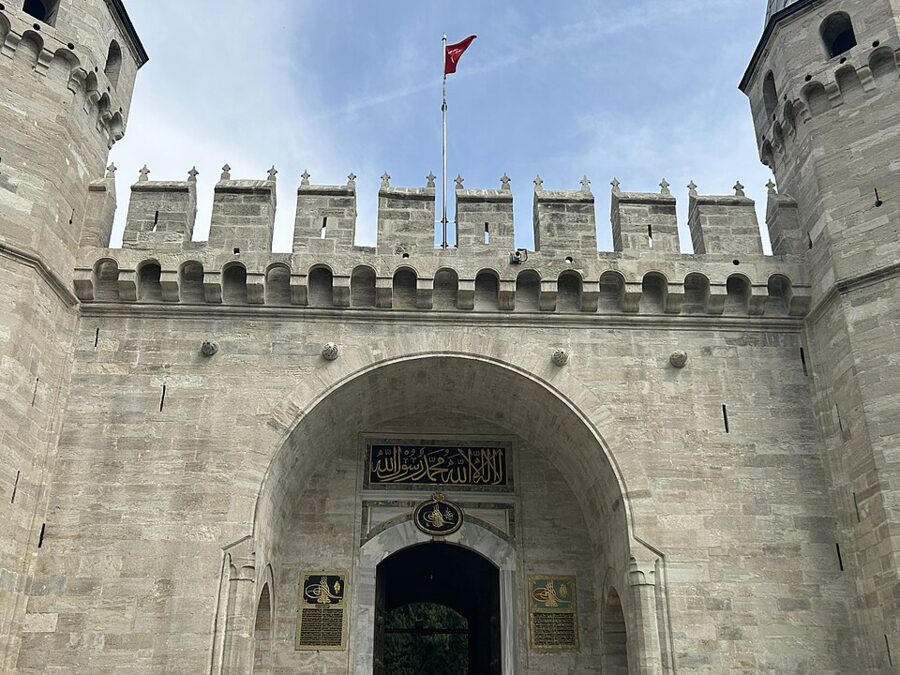
The Ottoman palaces belong to the National Palaces office (Milli Saraylar), which sets its own rules. On the first day of Kurban Bayramı 2026 Topkapı opened 10:30–17:30 while Dolmabahçe, Beylerbeyi and Yıldız stayed shut; on the first day of Ramazan Bayramı 2024 Topkapı and Dolmabahçe both opened 10:00–17:00. So read the Milli Saraylar notice, issued a few days before. In 2027 the first day of Ramazan Bayramı is a Tuesday, Topkapı’s normal closing day.

Shops, bazaars and restaurants
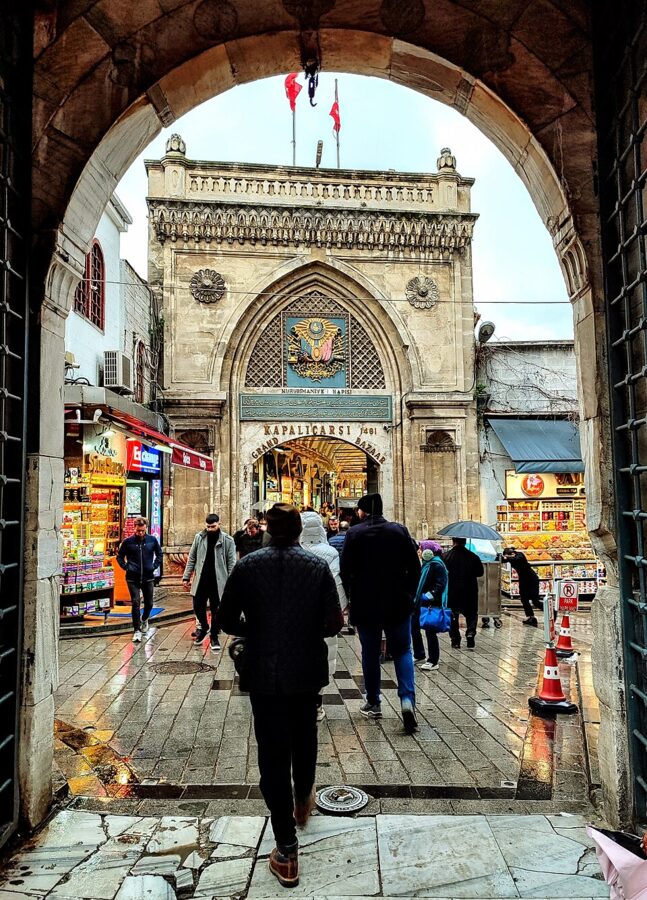
The Grand Bazaar closes for both religious holidays and every Sunday, and opens as usual on the national days. Supermarket chains and malls stay open through the bayrams, sometimes from late morning on day one.
Restaurants in Sultanahmet, Beyoğlu, Kadıköy and the resorts carry on; the holiday is their busy season. The family lokanta in a small town is another matter, often closed for the first days while the owner visits relatives. Inland over a bayram, eat where the tourists are or buy food the day before.
Free rides, with a catch
Over each bayram a presidential decision in the Resmi Gazete makes public transport free. In March 2026 it covered Marmaray, the M11 airport metro (Gayrettepe–Istanbul Airport–Arnavutköy), the Sirkeci–Kazlıçeşme line, Ankara’s Başkentray, İzmir’s İZBAN and all municipal transport, plus toll motorways and the two older Bosphorus bridges. On 1 January, 23 April and 15 July 2026 the state rail lines, Marmaray and the M11 included, were free for the day.
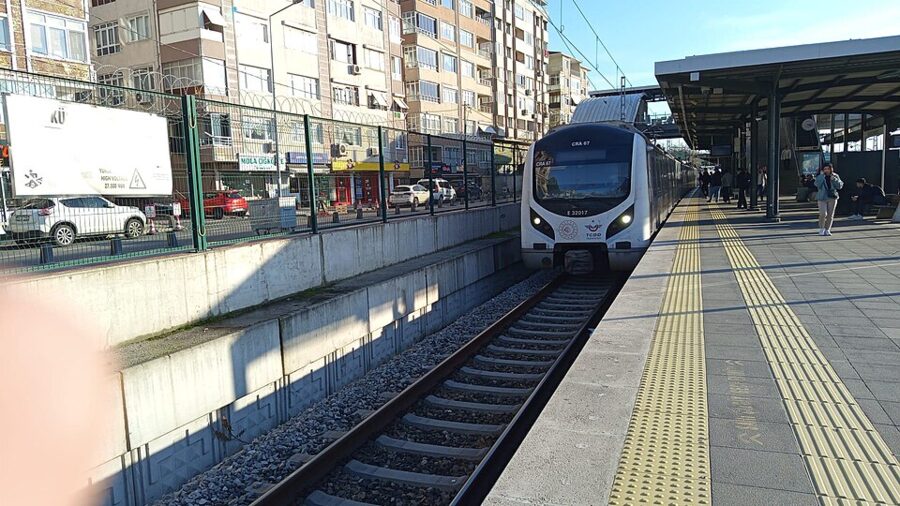

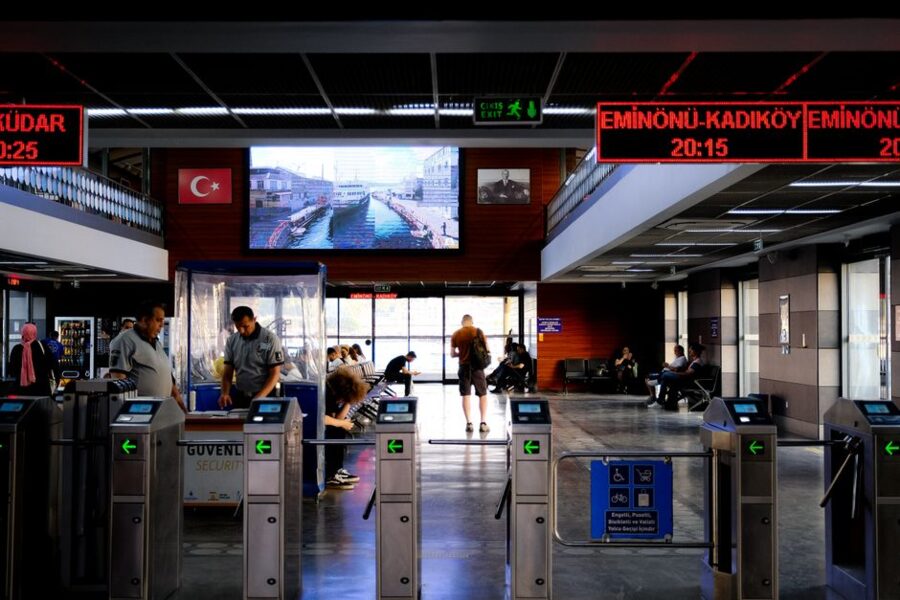
The catch is İBB’s own network. Since 29 October 2022 its free holiday rides on buses, metro, trams, metrobüs and Şehir Hatları ferries apply only to a personalized İstanbulkart registered to a name, and İBB said then that tourists and foreign users would no longer ride free. An ordinary visitor card pays the normal fare; more on cards in getting around Turkey.
The two bayrams
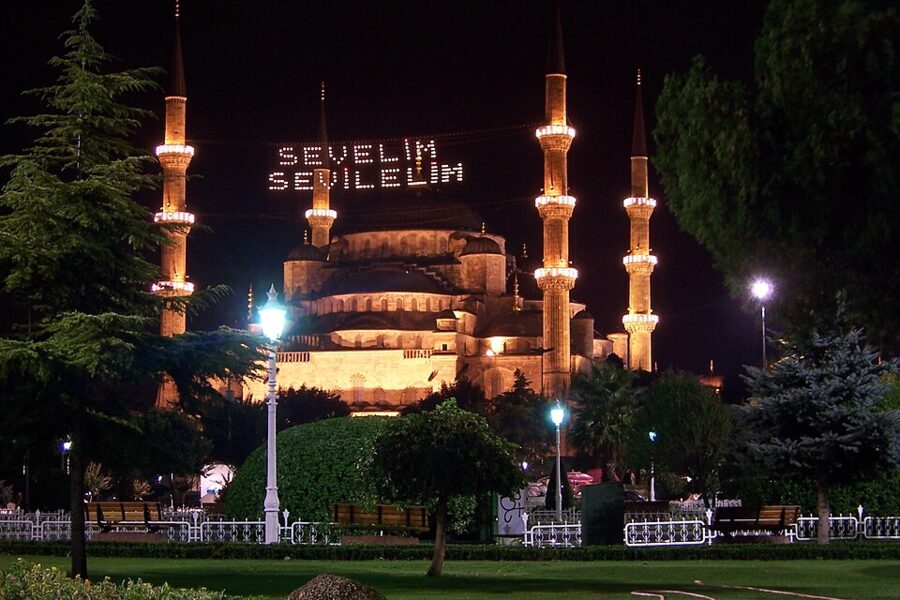
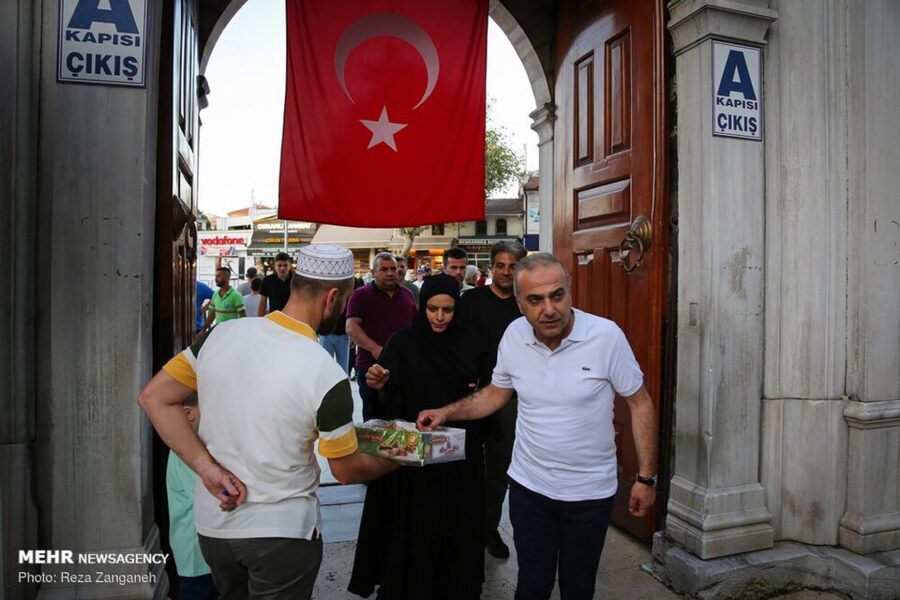
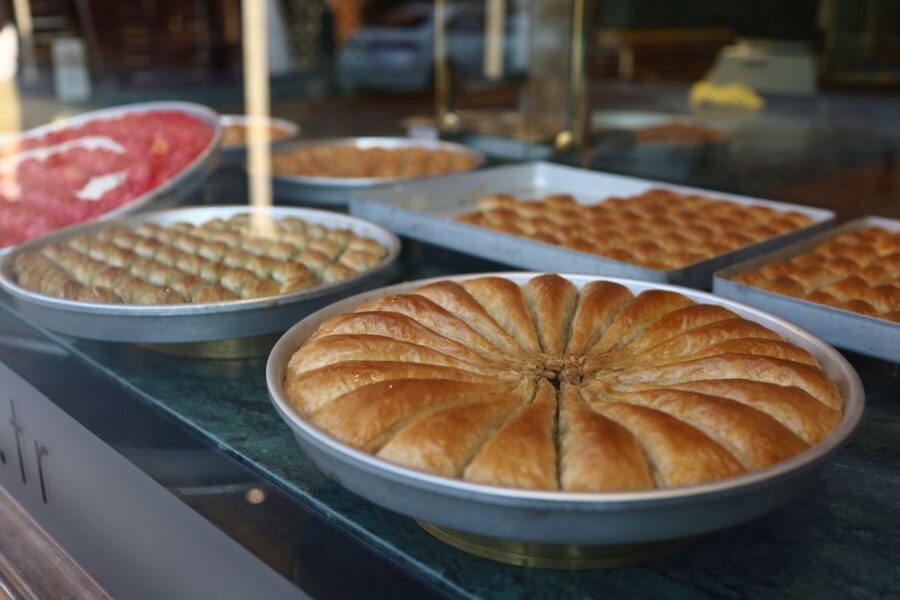
Ramazan Bayramı, also called Şeker Bayramı (the sugar holiday), ends the month of fasting. Families visit their elders and kiss the hand of the oldest, children go door to door for sweets and pocket money, and every host puts out baklava and lokum. Many people visit family graves on the eve or the first morning. The greeting is “İyi bayramlar”, and every shopkeeper will say it to you.
Kurban Bayramı, the feast of the sacrifice, recalls Abraham’s readiness to sacrifice his son and the ram sent in his place. Families who can afford it have a sheep, a goat or a share of a cow slaughtered after the first morning’s prayer, and the meat is shared among the household, relatives and the poor. It lasts four days, and it is the one that empties the cities.
The sacrifice, and how to handle it
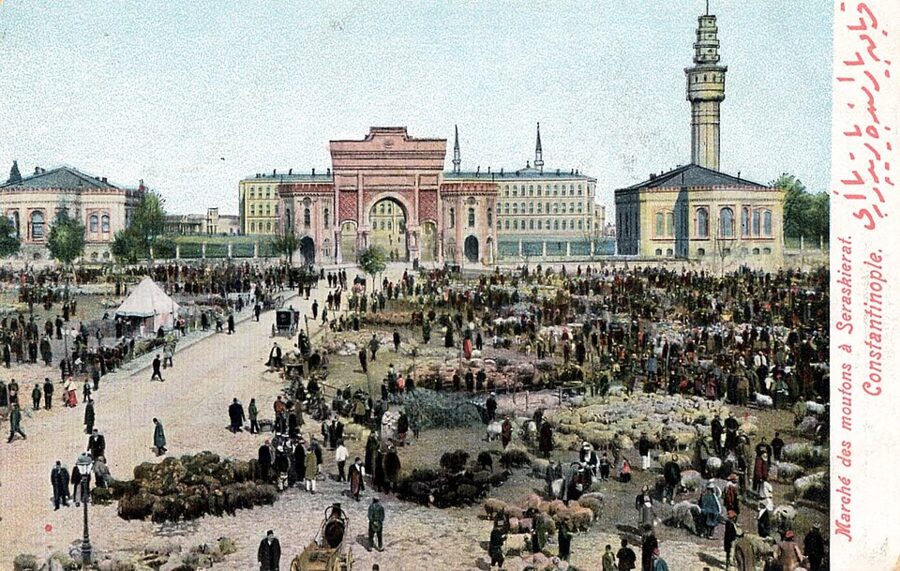
In cities the slaughter happens at yards set up by the municipality, and killing an animal on the street or in a park draws a fine. In the weeks before, you will see pens of sheep and cattle on the edge of town. In towns and villages you may still come across a slaughter in a courtyard on the first morning.
If that is not for you, stay in a big city center or a resort that morning and walk on if you meet one. Do not photograph a sacrifice without asking; for the family it is an act of worship. If a family or a small pansiyon offers you some of the meat, accept it.
Bridge days
When a bayram leaves a stray working day or two before a weekend, the government often makes them administrative leave for public employees and creates a nine-day break. For Kurban Bayramı 2026 it was announced on 4 May: the Monday and Tuesday morning before the eve became leave, and the holiday ran from 23 to 31 May. Private employers are not bound by it, but many close too.
No 2027 bridge days had been announced by November 2026. The obvious candidates are Friday 12 March, and Thursday 20 and Friday 21 May. If either goes through, plan for the longer break.
Buses, flights and beds
Intercity buses are where a bayram bites. Before Kurban Bayramı 2026 the bus federation (TOFED) said the main departures were sold out and the ministry had allowed extra runs from 15 May to 2 June. The ministry sets a ceiling fare per route; companies discount below it in quiet weeks and charge the full fare in busy ones. A 2026 rule obliges them to refund in full if you cancel up to 12 hours before departure, so book as soon as your dates are firm.

Domestic flights are capped too: since April 2026 a one-way direct economy ticket may not cost more than 6,990 TL, so popular routes sell out rather than soar. The coast fills with Turkish families, and the cheap beds in Antalya, Fethiye and Bodrum go first. A gulet cruise books up around Kurban Bayramı as well.
Ramadan as a traveler
In 2027 the fast runs from Monday 8 February to Monday 8 March. Nobody expects a visitor to fast, and in Istanbul, on the coast and in Cappadocia cafes and restaurants serve all day. The Istanbul basics are in the Istanbul travel guide; here is the rest of the country, and the manners.

Eating in public
Eating in the street is fine in the big cities and resorts. In conservative inland towns and villages, eat indoors, do not smoke in front of people and keep your water bottle out of sight by day; some lokantas there open only at sunset. Nobody will enforce this. It is how a guest behaves in a house where people are hungry.
Iftar: the evening rush
The fast breaks at sunset with iftar, about 18:30 in Istanbul in early February and about 19:00 by the end. For half an hour before, traffic is at its worst and restaurants near the mosques fill with families who booked. Eat before 18:00 or after 20:00 and you will have the place to yourself. Many restaurants sell a fixed iftar menu of soup, dates, bread, a main dish and dessert.
The bread is ramazan pidesi, a round flatbread with sesame and nigella seeds, baked only this month. In 2026 the city bakery chain Halk Ekmek sold a 350 g pide for 22.5 TL, and private bakeries in the big cities charged about 25 TL for 250 g. Buy it warm in the hour before sunset; by 19:00 it is gone.

Free iftar tents
Municipalities and charities put up iftar tents serving a free meal at sunset. In 2026 Üsküdar’s stood on Mimar Sinan Square by the ferry pier, and İBB ran tents on both sides of the Bosphorus. They exist for people who need the meal, so a traveler with money is better off in a restaurant. If you are invited in, sit where you are shown, thank the volunteers and take no photos of people eating.
Sultanahmet Square is the evening show: on the first iftar of 2026 a cannon was fired at sunset after a mehter band played, and families and food stalls fill the square until late. Eyüp is the other place to be, above all on Kadir Gecesi, the evening of Friday 5 March 2027, when the mosques overflow into the streets. Watch from outside.
Drummers at night
An hour or two before dawn a Ramadan drummer (davulcu) walks the old neighborhoods to wake people for sahur, the meal before the fast. If your hostel is in Fatih, Üsküdar or any old town, pack earplugs. Near the end of the month the drummers knock on doors with a rhyme and collect tips, and a small note is the custom.
The national days
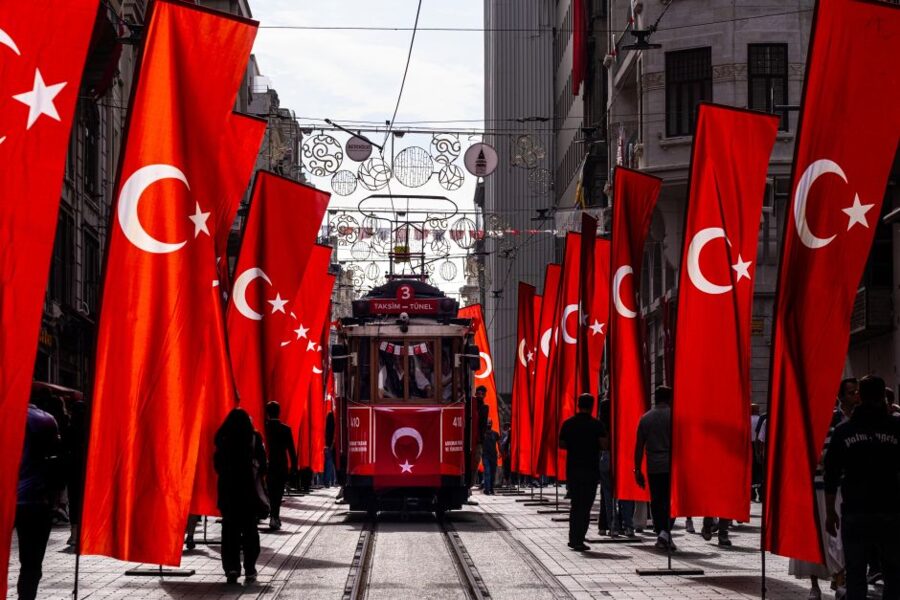
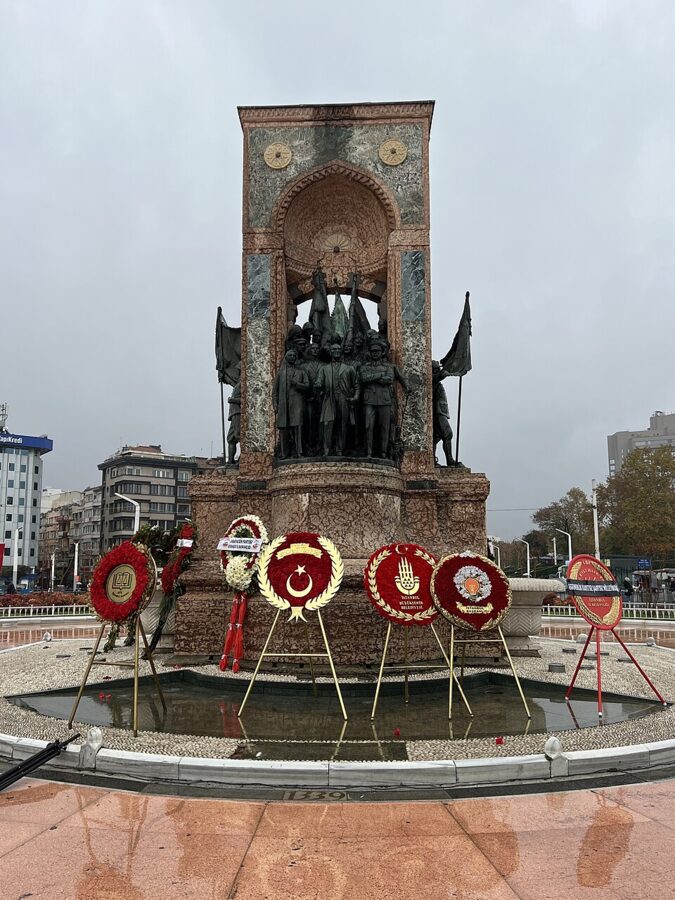
The fixed holidays mark the founding of the republic and the battles behind it. Expect flags on every building, a morning ceremony at the Atatürk statue in every town and offices shut. Museums are open, and the towns are in a good mood.
23 April: National Sovereignty and Children’s Day
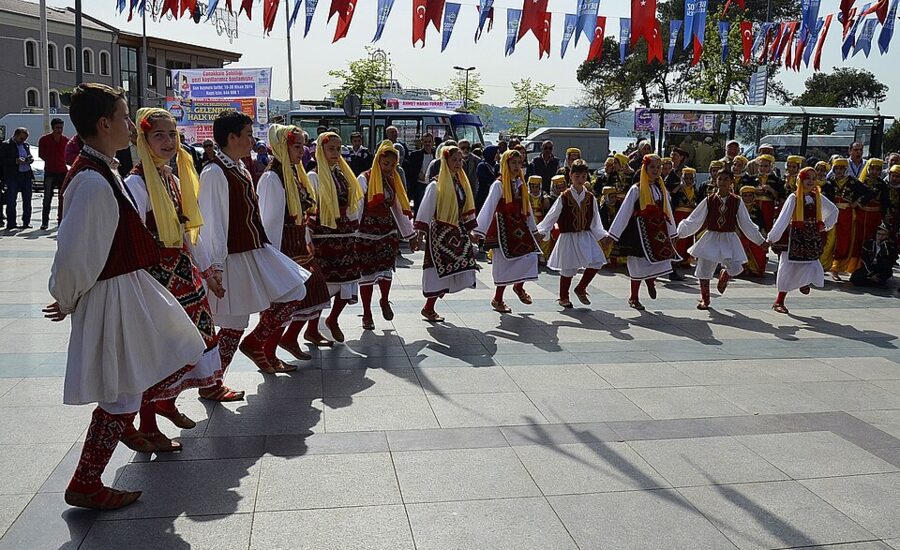
The Grand National Assembly first met in Ankara on 23 April 1920, and Atatürk later gave the day to children. Schools put on folk dances in town squares and stadiums, and children take the seats of governors and mayors for a day. In 2027 it is a Friday, so the roads are busy for a long weekend.

1 May: Labor and Solidarity Day
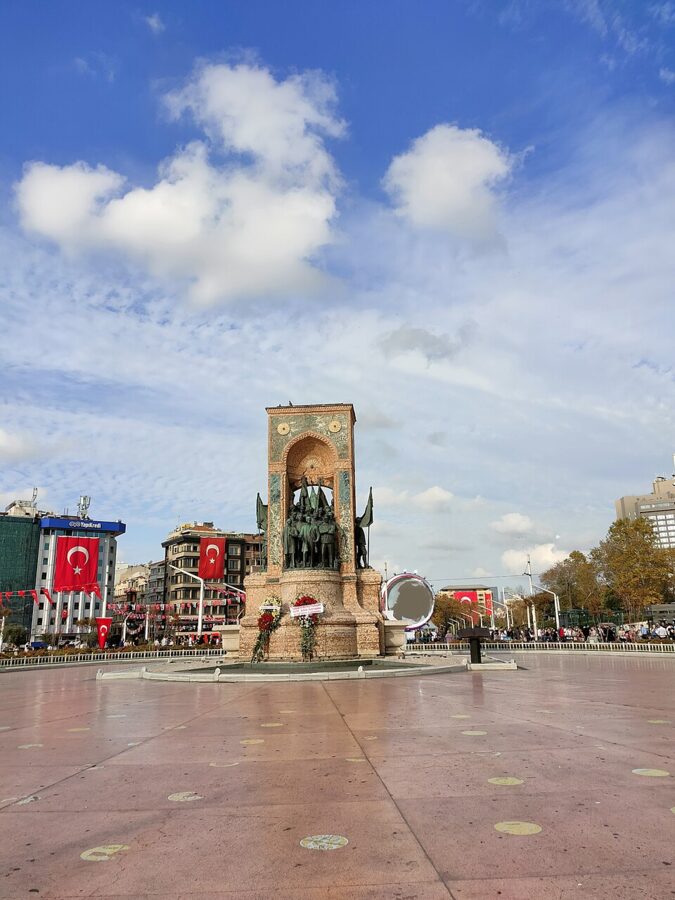
May Day has been a holiday again since 2009, and in Istanbul it is the day to avoid Taksim. The governor bans rallies there and seals the area: in 2026, from 05:00, the M2 stations at Taksim, Şişhane and Osmanbey shut, the Kabataş–Taksim funicular, the Tünel and the İstiklal tram stopped, and ferries were barred from carrying passengers from the Asian side to the European side. If you are staying in Beyoğlu, stock up the night before and plan to walk.

19 May: Commemoration of Atatürk, Youth and Sports Day
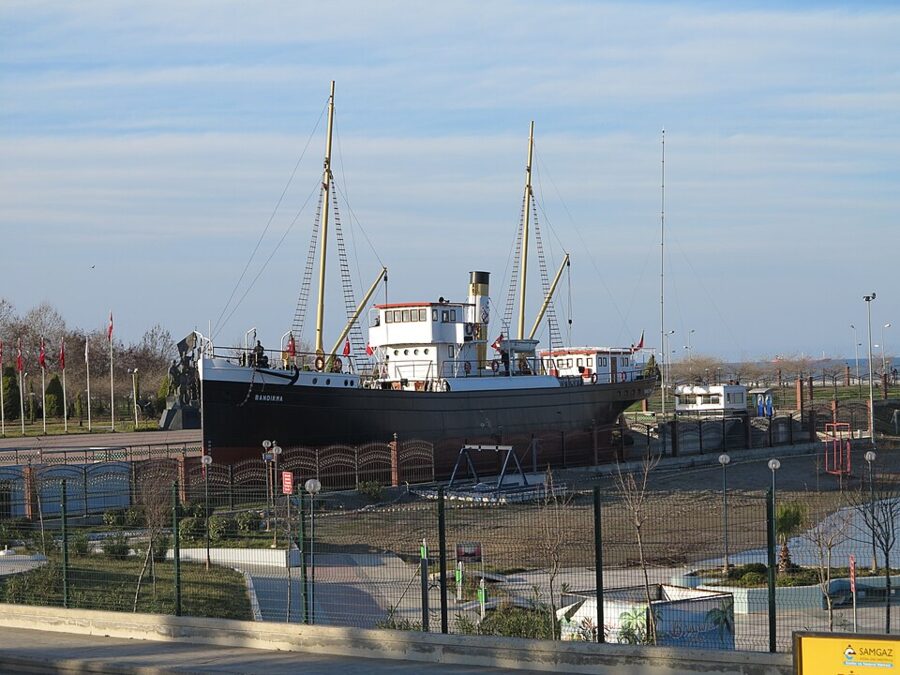
On 19 May 1919 Mustafa Kemal landed at Samsun to start the war of independence, and the day now belongs to young people and sport: stadium shows, relays and evening torchlight processions. In 2027 it coincides with the last day of Kurban Bayramı, so it adds no day off. Samsun makes the most of it.

15 July: Democracy and National Unity Day
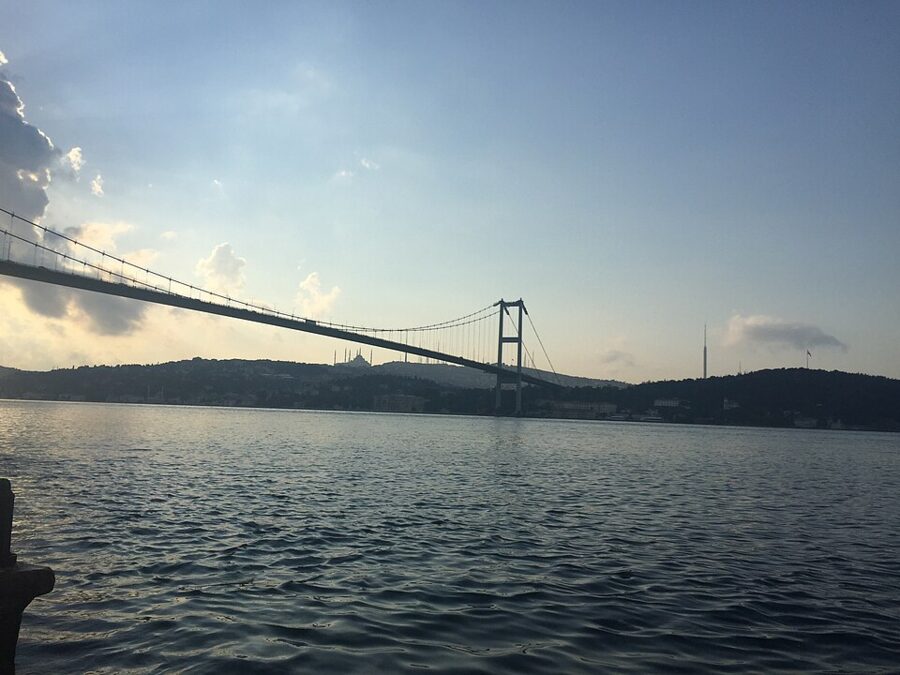
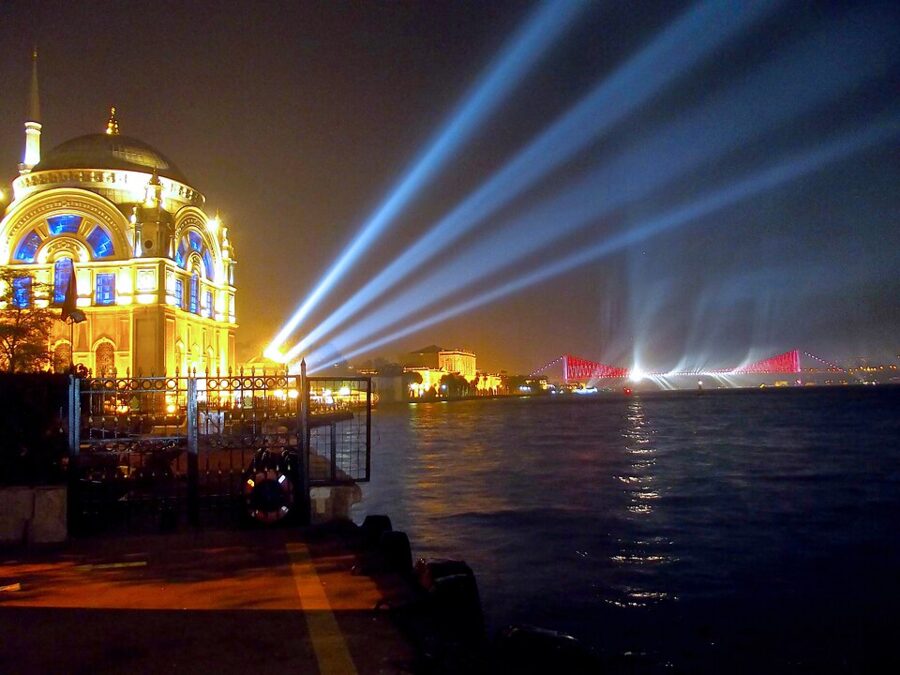
The youngest holiday marks the night of 15 July 2016, when an attempted military coup was put down and more than 250 people were killed. The Bosphorus Bridge, which soldiers blocked that night, became the 15 July Martyrs Bridge. Expect rallies and memorial events, and free state rail lines.

30 August: Victory Day
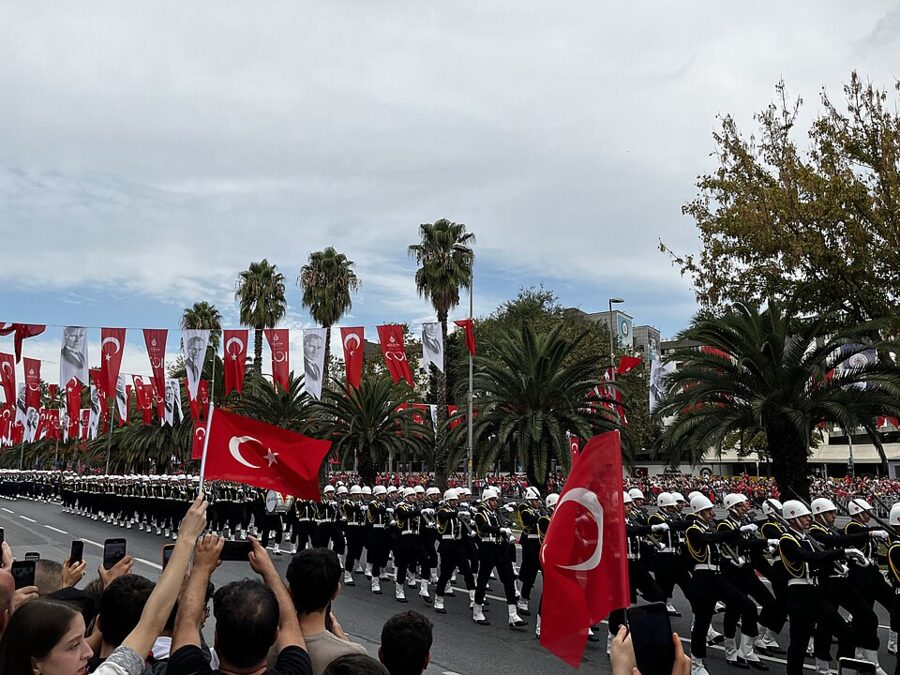
Victory Day marks the Battle of Dumlupınar in 1922, the decisive defeat of the Greek army in western Anatolia. Big cities hold military parades in the morning, and many towns a torchlight procession (fener alayı) after dark. In 2027 it is a Monday: a three-day weekend at the end of the beach season.
29 October: Republic Day
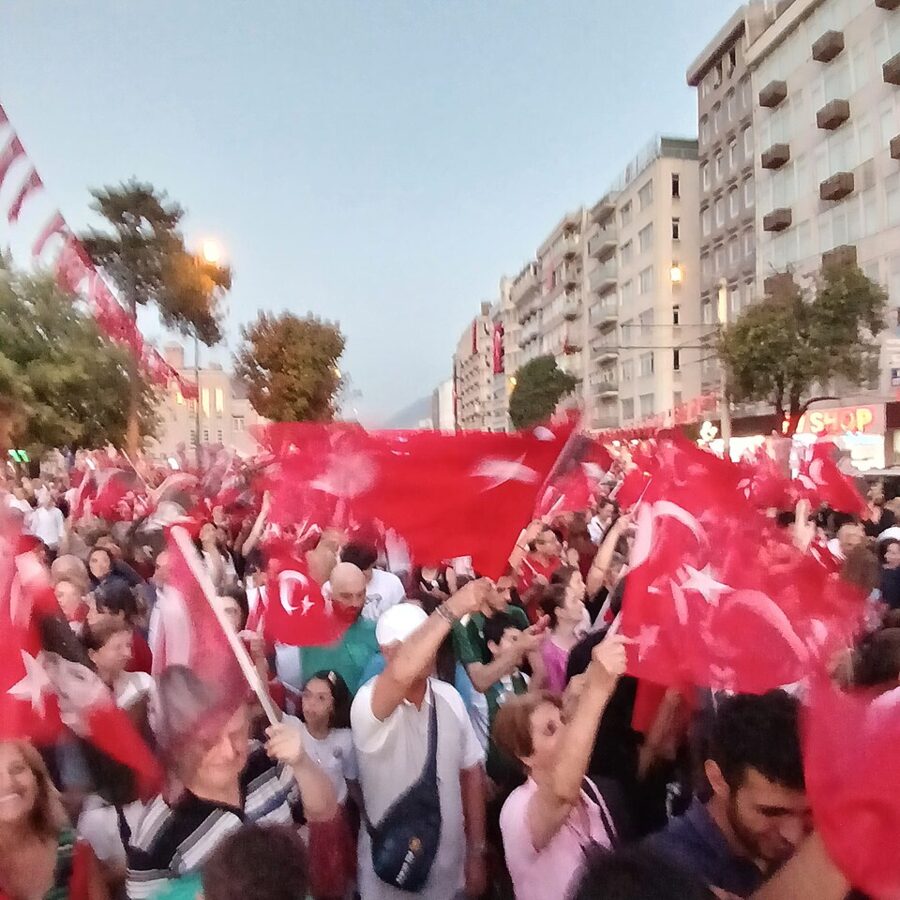
The republic was proclaimed on 29 October 1923. It is the biggest national day and the only one that starts the afternoon before: a parade in the morning, concerts and fireworks at night. In 2026 İBB’s main show was at the Yenikapı event area, with concerts from 18:00 and fireworks, and its lines ran free for 24 hours on personalized cards. The venue changes, so check İBB’s program a few days ahead; entry is free.


10 November, 09:05: the country stops
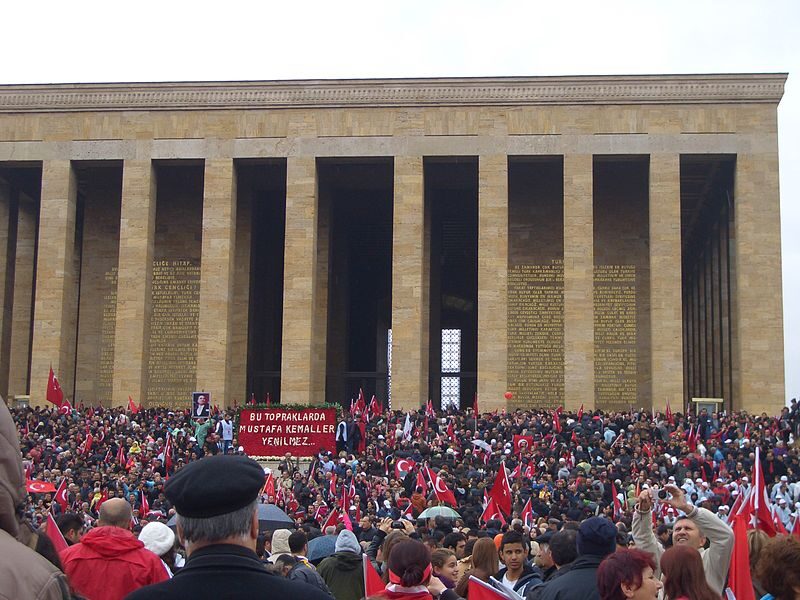
Atatürk died at 09:05 on 10 November 1938. It is not a holiday, but at 09:05 sirens sound across Turkey, drivers stop and get out of their cars, and everyone stands for a minute’s silence. If you are on the street, stop and stand quietly too. The crowds go to Anıtkabir, his mausoleum in Ankara, and to the room where he died in Dolmabahçe Palace.

How to plan around them
- Book the bus as soon as your dates are fixed if they touch 8–14 March or 14–23 May 2027. The 12-hour refund rule makes it cheap insurance.
- Do not travel on an eve. 8 March and 15 May, and the day before each, are when the country moves; I’d go two days earlier, or sit out the eve somewhere good and move on the second day of the holiday.
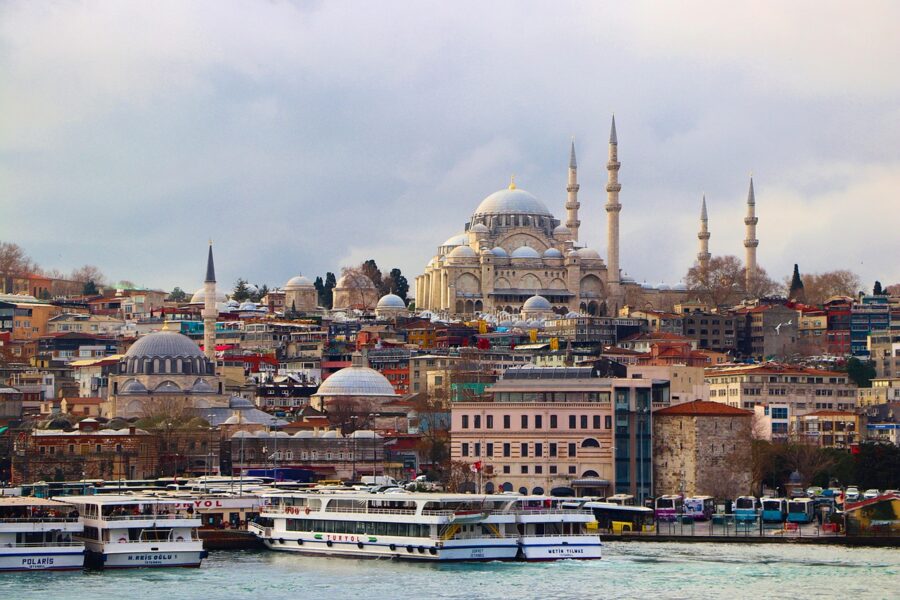
- Use a bayram for Istanbul. The traffic thins and the ferries have room; just check the palace notices for day one and skip the Grand Bazaar.
- Book coastal beds early for Kurban Bayramı, mid-May in 2027. If the week includes paragliding, rafting or a guided trek, reserve those too.
- Take cash before the eve, and buy bread and water the day before if you are heading inland; the rest of the money advice is in the Turkey travel tips.
- Be in Istanbul for 29 October for the parade and the fireworks, and keep clear of Taksim on 1 May.
To fit the holidays into a two- or three-week route, start from the seasons in the Turkey itinerary. And if your trip lands on 15 May 2027 after all, buy a seat for the 13th, take the morning bus, and be at the beach before Istanbul joins the queue at Esenler.