In January the sea off Antalya is around 19°C, and the afternoon high in Göreme is 4°C. Turkey is one country with at least five climates, and the same week can give you a swim on the south coast and frost on the fairy chimneys.
For a first trip that strings Istanbul, the coast and Cappadocia together, go between late April and early June or between mid-September and the end of October. Those are the months when all three regions are comfortable at once: Istanbul dry enough to walk, the ruins mostly below 30°C, Göreme free of snow, and the sea warm enough by late May to get in.
| Month | Istanbul | Antalya | İzmir | Göreme | Trabzon |
|---|---|---|---|---|---|
| Jan | 10° / 4° · 16 | 15° / 6° · 12 | 13° / 6° · 13 | 4° / -4° · 12 | 11° / 5° · 12 |
| Feb | 10° / 4° · 14 | 16° / 6° · 10 | 14° / 6° · 11 | 6° / -3° · 12 | 11° / 5° · 12 |
| Mar | 12° / 6° · 13 | 18° / 8° · 9 | 16° / 8° · 9 | 10° / 1° · 13 | 12° / 6° · 13 |
| Apr | 17° / 9° · 10 | 21° / 11° · 6 | 21° / 11° · 8 | 16° / 5° · 12 | 16° / 9° · 12 |
| May | 22° / 14° · 8 | 26° / 15° · 5 | 26° / 16° · 5 | 21° / 9° · 13 | 19° / 13° · 12 |
| Jun | 27° / 18° · 5 | 31° / 20° · 3 | 31° / 20° · 2 | 25° / 12° · 8 | 23° / 17° · 10 |
| Jul | 30° / 21° · 3 | 34° / 23° · 1 | 33° / 23° · <1 | 29° / 14° · 2 | 26° / 20° · 8 |
| Aug | 30° / 21° · 4 | 34° / 23° · 1 | 33° / 23° · 1 | 29° / 14° · 2 | 27° / 21° · 8 |
| Sep | 26° / 18° · 6 | 31° / 20° · 2 | 29° / 19° · 2 | 25° / 11° · 3 | 24° / 18° · 10 |
| Oct | 21° / 14° · 9 | 27° / 15° · 5 | 24° / 15° · 5 | 18° / 7° · 7 | 20° / 14° · 12 |
| Nov | 16° / 10° · 11 | 21° / 11° · 7 | 19° / 11° · 9 | 12° / 3° · 9 | 17° / 10° · 11 |
| Dec | 12° / 7° · 16 | 17° / 8° · 12 | 14° / 8° · 13 | 6° / -1° · 12 | 13° / 7° · 12 |
How to read it: average daily high / average night low in °C, then the average number of days with rain in the month. The figures are the long-term station statistics of the Turkish State Meteorological Service (MGM): Istanbul 1950–2025, Antalya 1930–2025, İzmir 1938–2025, Trabzon 1927–2025. Göreme has no station of its own, so its column is MGM’s Nevşehir station, the nearest one, in the town a short dolmuş ride up the road.
| Sea | Jan | Mar | May | Jun | Jul | Aug | Sep | Oct | Nov |
|---|---|---|---|---|---|---|---|---|---|
| Istanbul (Marmara) | 10 | 10 | 15 | 21 | 25 | 25 | 24 | 20 | 17 |
| Çeşme (İzmir coast) | 18 | 17 | 19 | 22 | 24 | 25 | 24 | 22 | 20 |
| Bodrum | 19 | 18 | 20 | 23 | 26 | 27 | 26 | 24 | 22 |
| Fethiye | 20 | 18 | 21 | 25 | 29 | 29 | 28 | 26 | 24 |
| Antalya | 20 | 18 | 22 | 26 | 29 | 31 | 29 | 26 | 24 |
| Trabzon (Black Sea) | 12 | 11 | 16 | 23 | 26 | 28 | 26 | 22 | 17 |
Sea temperatures are monthly means of the daily surface temperature in the Copernicus Marine Service global ocean analysis for 2023–2025, taken from open water off each town. Those were warm years (MGM recorded July 2025 as the hottest July in its 55-year national series), so read them as the warm end of normal. MGM’s own coastal stations make a fair check: on 22 November 2026 they read 21.8°C at Konyaaltı, 21.6°C at Bodrum, 18.8°C at Çeşme, 15.6°C at Kumkapı in Istanbul and 15°C in Trabzon harbor.
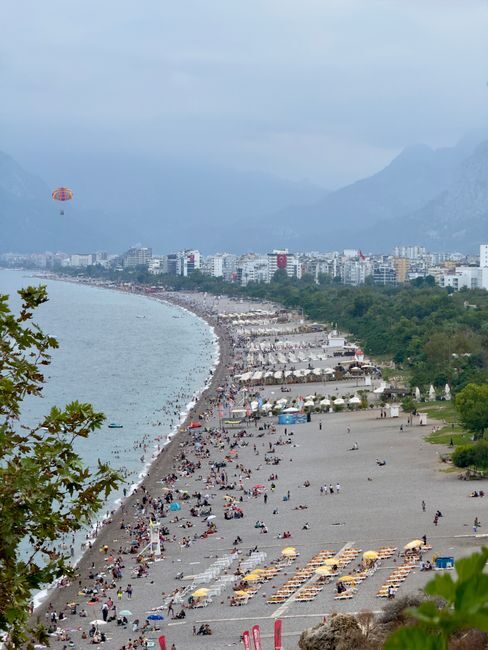
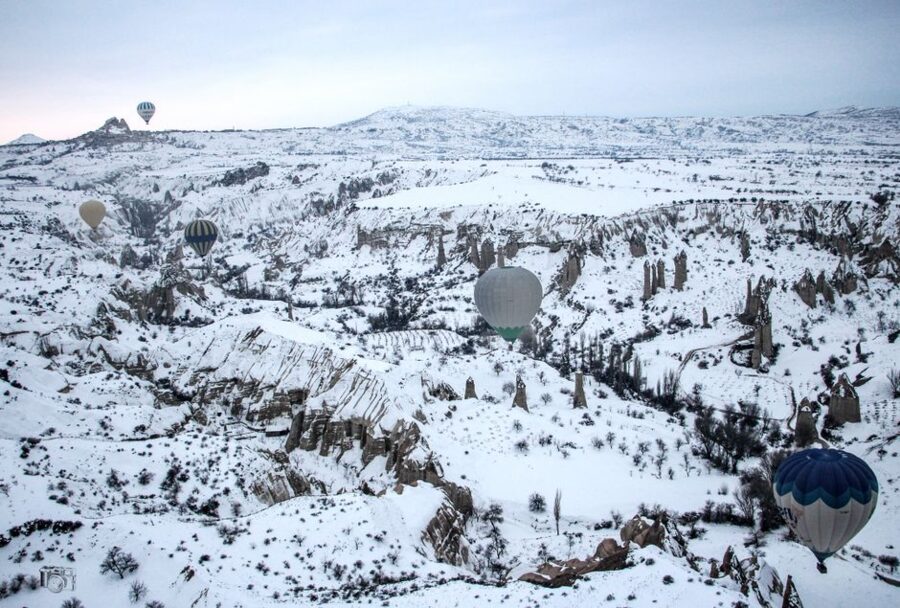
A 34°C average high in Antalya leaves plenty of room for heatwave afternoons, and the station’s record for July is 45°C. A 4°C high in Göreme still allows clear, still winter mornings when the balloons go up over snow.
The rain column is the other thing to read closely. In Trabzon it rains on 8 to 13 days in every month of the year, while Antalya goes from 12 rainy days in January to about one in July.
Contents
The best time for each region
| Region | Best months | Why | Hardest months |
|---|---|---|---|
| Istanbul and the Marmara | May, mid-September to October | Highs of 21–26°C, few rainy days | December to February: 14–16 rainy days a month |
| Aegean coast (İzmir, Selçuk, Bodrum) | May to June, September to October | Warm sea from June, ruins walkable before the heat | July and August at Ephesus and Pamukkale |
| Mediterranean coast (Antalya, Fethiye, Kaş) | Late May to June, late September to October | Sea at 22–29°C, highs of 26–31°C | July and August heat; December and January rain |
| Cappadocia | Late April to early June, September to October | Mild days, cool nights, good walking | December to February frost and snow |
| Black Sea coast and highlands | June to September | The only warm months; the yayla roads are open | October to April rain, snow on the high ground |
| The east | June to September (northeast); April to May, October (southeast) | The northeast is cold most of the year; the southeast is very hot in summer | December to March in Erzurum and Kars; July and August in Şanlıurfa |
If you are doing the classic loop, the seasons in the Turkey itinerary line up the same way: spring and autumn suit every stop, summer suits only the coast, and winter works if you like Istanbul gray and Cappadocia white.
Istanbul and the Sea of Marmara
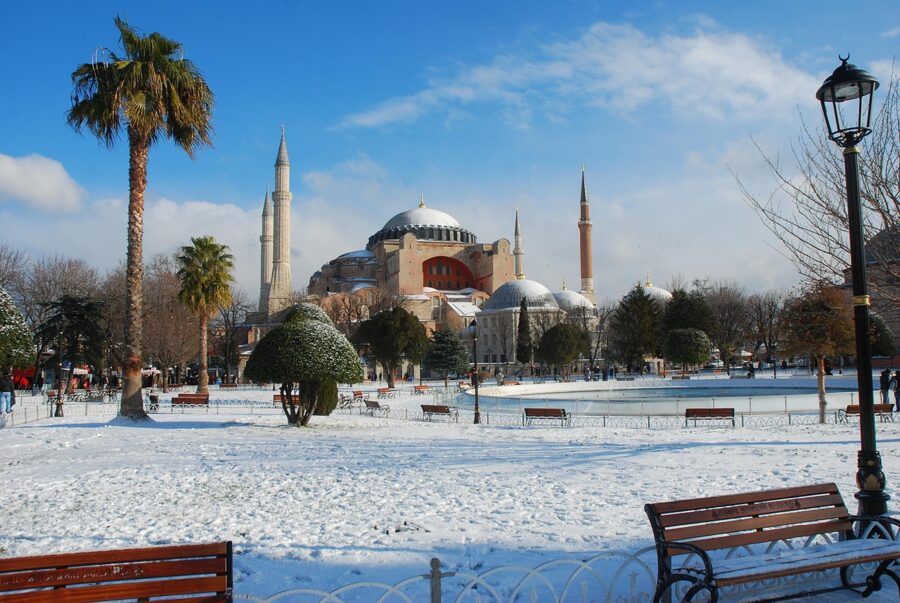
Istanbul has a wet winter, not a cold one. December and January bring 16 rainy days each, the average high sits at 10–12°C, and the wind off the water makes it feel colder than the number. The record lows at MGM’s station, -9°C in February, show that real cold arrives now and then, and with it snow.
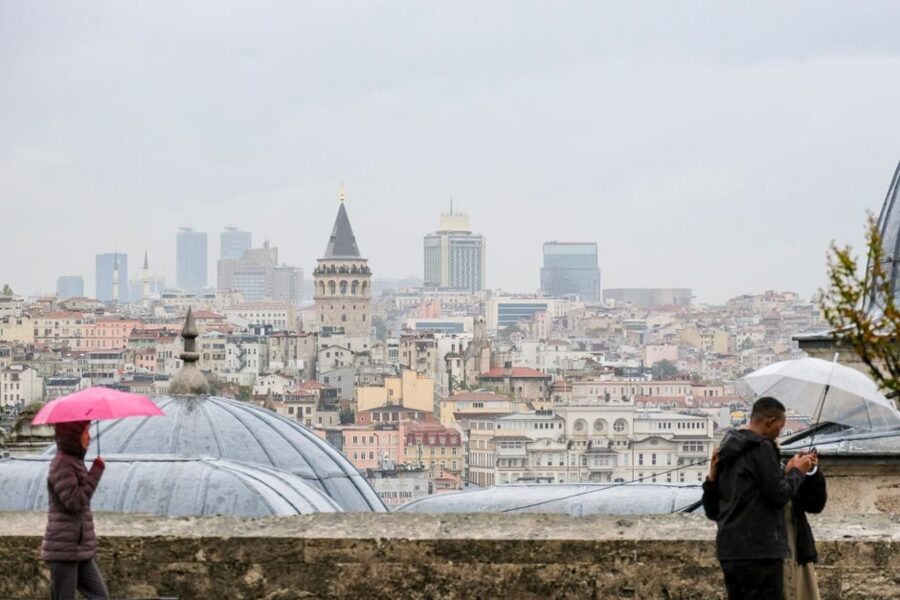
Summer is warm and sticky rather than scorching. July and August average 30°C by day and 21°C at night, but the humidity off the Marmara and the Bosphorus keeps the evenings close, and a dorm without air conditioning makes for a long night. The station’s record, 40.6°C in July, shows what a heatwave can do.
Spring comes late. April is still 17°C and often gray, and May is the month when Istanbul turns pleasant. Autumn holds on longer: late September and October are the best weeks for walking the old city, and the sea stays near 20°C into October for anyone who wants a swim at Kilyos on the Black Sea shore.
Lodos and poyraz
Two winds run Istanbul’s weather. The lodos blows from the southwest, mostly from late December to February; it is warm and gusty, it raises a heavy sea in the Marmara, and it stops ferries. On 8 January 2026 a lodos canceled İDO and Şehir Hatları sailings, the boats to the Princes’ Islands among them.
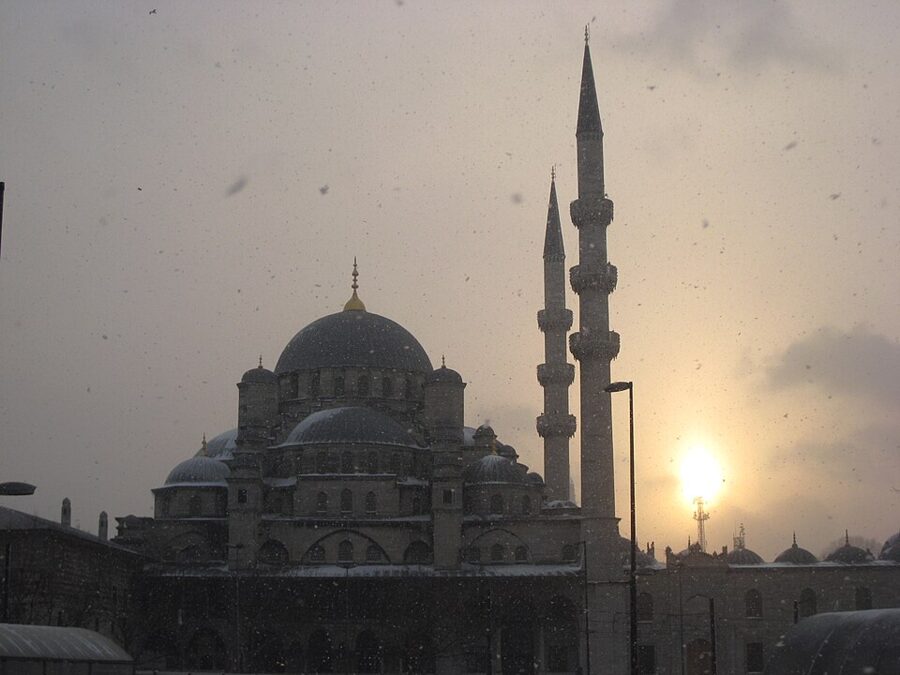

The poyraz is the northeasterly off the Black Sea. In winter it brings the cold snaps and the snow; in summer it is the clean, fresh wind that makes an August evening on the Bosphorus bearable. If you are planning a Bosphorus cruise on the commuter ferry in winter, check the Şehir Hatları site for cancellations on the morning, because the lodos days are the ones that go.
The rest of the Marmara follows Istanbul’s pattern with more wind. Çanakkale, the base for Gallipoli and Troy, averages highs of 31°C in July and 10°C in January, and the Dardanelles funnel the wind hard enough that a fleece earns its place even in May.
The Aegean and Mediterranean coasts
When the sea is warm enough
The swimming season on the south coast runs from late May to late October. The water off Antalya and Fethiye reaches 21–22°C in May, 25–26°C in June and 29–31°C in August, and it is still near 26°C in October, warmer than the air on a cloudy day. November, at 23–24°C in recent years, is a bonus month for anyone who does not mind cool evenings on the beach.
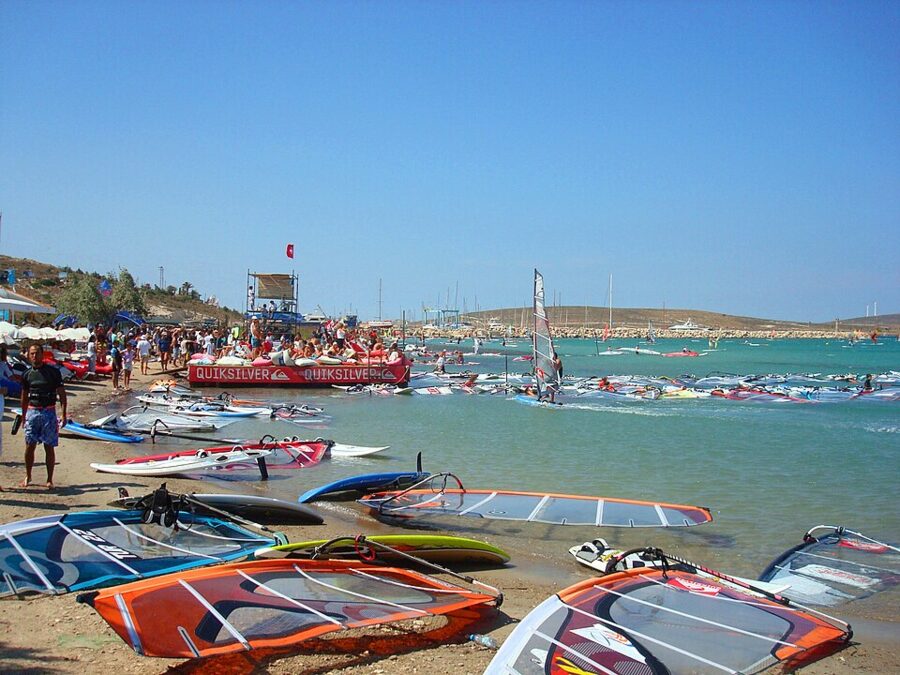
The Aegean is cooler, and the farther north the cooler it gets. The summer northerly, the meltem, blows steadily down the coast in July and August, and the water off Çeşme stays around 24–25°C, five or six degrees below Antalya. The same wind makes Alaçatı, next door, a windsurfing town, and a swim there in early June can still take your breath away.

Summer on the south coast
From June to September the average high in Antalya is above 30°C, and the station’s records for those months run from 42.5°C to 45°C. İzmir is a degree or so cooler by day and just as warm at night, and the inland Aegean is worse: Denizli, the town below Pamukkale, averages a high of 34.8°C in July.
That shapes the day. At Ephesus and Pamukkale the stone and the white travertine throw the heat back at you, there is little shade, and noon in August is punishment. Be at the gate at opening, take the afternoon off by the water or in a pansiyon with a fan, and go back out after 17:00.
Winter on the coast
Winter on the Mediterranean is mild and wet. Antalya averages 15–17°C by day from December to February, but December brings around 250 mm of rain in about 12 wet days, and when it rains here it pours. Between the storms come long clear spells, and the light on the Taurus with snow on top is the best of the year.
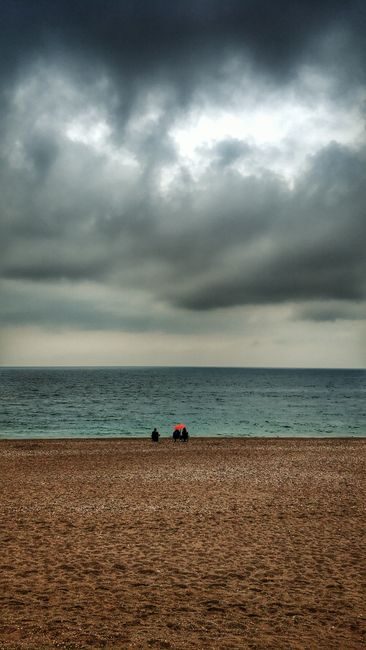
This is the cheap season, and it is also the closed season. Beds cost the least of the year, the old towns are quiet, and the museums keep their winter hours, but resort villages shut down. In Fethiye the town keeps working through the winter while Ölüdeniz goes quiet from late October to April and many restaurants there close. Base yourself in a real town (Antalya, Fethiye, Kaş, İzmir), not a resort strip, and you will eat well all winter.
Boats are the other casualty. A gulet cruise is a warm-season trip, and the day boats and seasonal shuttles thin out after October, so the coast in January is for walking, ruins and cheap fish rather than for the water.
Cappadocia and the interior
Cappadocia sits on a high plateau, and that one fact explains its weather. MGM’s Nevşehir station averages a 4°C high and a -4°C low in January, with records down to -23.6°C in February, and in many winters snow lies on the valleys. In July the afternoons reach 29°C while the nights drop to 14°C, a daily swing of 15 degrees that catches out anyone who packed only for the beach.
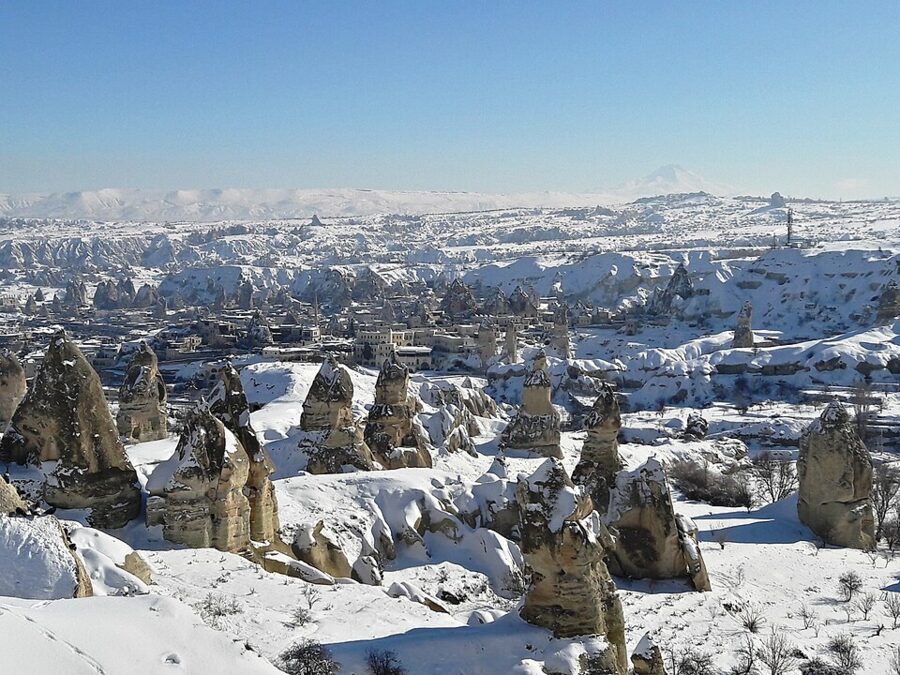

The rain falls in spring, not winter. May brings Nevşehir’s most rain, about 58 mm over 13 wet days, while July and August have about two rainy days each. That makes late April to early June green and changeable, and September and October the most settled weeks of the year for walking.
Balloon flights depend on wind and visibility at dawn, and they are grounded most often from November to March; summer mornings are usually calm. The details, including how many days the balloons flew last year and what to ask an operator about cancellations, are in the Cappadocia guide.
The rest of the interior has the same cold, snowy winters, and the resorts at Erciyes, Palandöken and Uludağ are covered in the guide to skiing in Turkey.
The Black Sea and the east
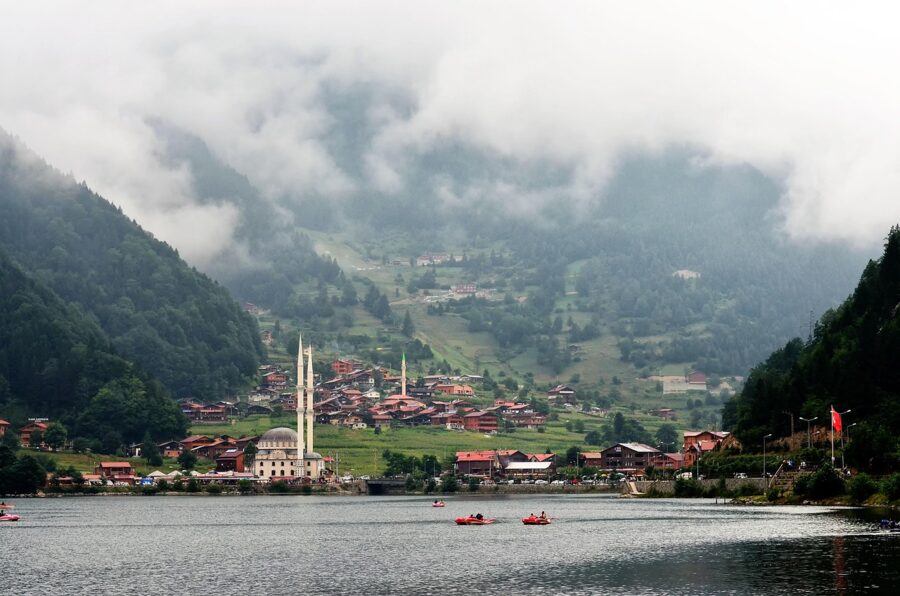
The eastern Black Sea is the wettest corner of Turkey. Trabzon has 8 to 13 rainy days in every month of the year, and the coast farther east is wetter still: Rize, the next province along, averages around 14 rainy days a month and more than 2,200 mm a year, with October the wettest month. The tea gardens and the forests are the result.
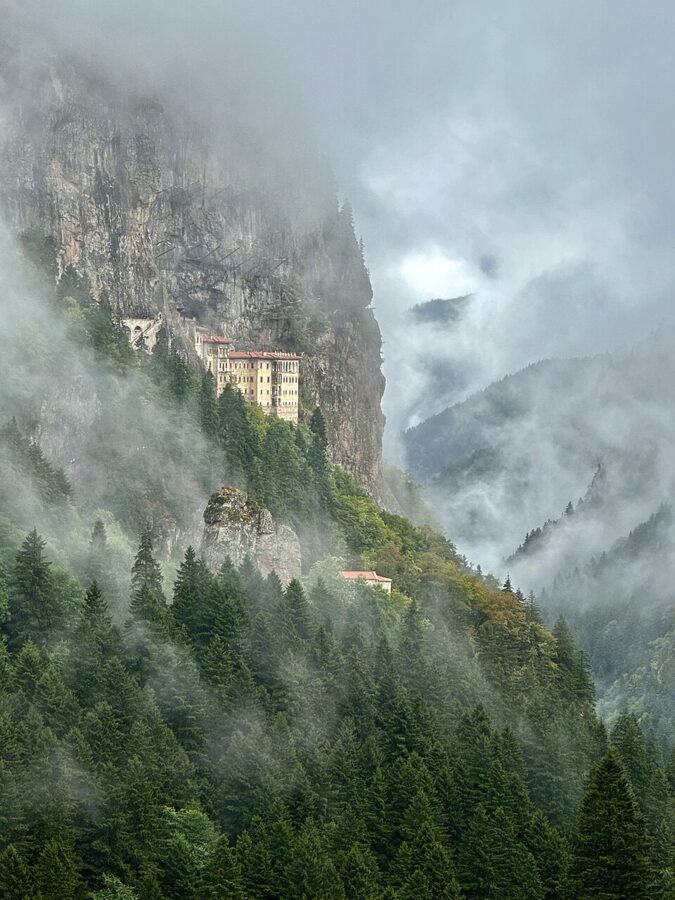
June to September is the season here: the sea off Trabzon reaches 26–28°C in July and August, the highland pastures (yayla) above Uzungöl and Ayder are in use, and the roads up to them are free of snow. Even then, carry a rain jacket and expect the mountains to vanish in cloud by midday.
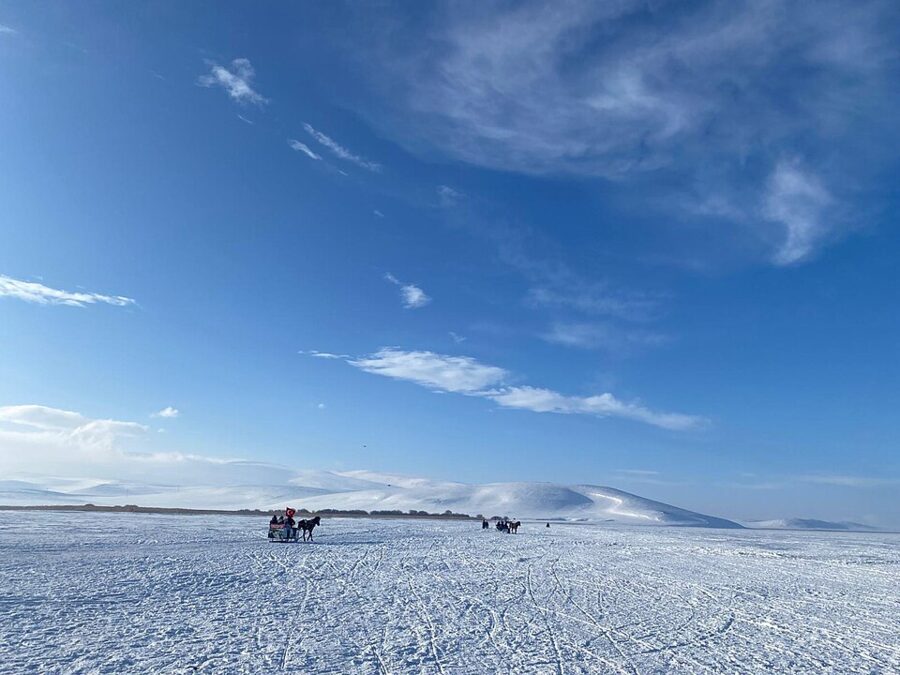
The east is a country of extremes. Erzurum averages -4°C by day and -14°C by night in January, Kars is colder still, and on 3 January 2026 MGM measured -33.1°C at Erzurum. Lake Çıldır, north of Kars, freezes hard enough each winter for horse-drawn sleds to run on the ice.
The southeast flips the problem. Şanlıurfa averages a high of 38.8°C in July, and Silopi, near the Iraqi border, set Turkey’s national record of 50.5°C on 25 July 2025. Spring and autumn are the times for Mardin, Şanlıurfa and Göbeklitepe.
Mount Nemrut sits between the two worlds. Adıyaman below it averages a high of 38°C in July, while the summit at more than 2,100 m is cold at sunrise even in summer, and the road to the top normally opens around April and closes with the first heavy snow late in the year.
Heatwaves, wildfires and smoke
Recent summers have been hotter than the averages in the table. MGM’s annual climate report for 2025 put July 2025, at a national average of 26.9°C, as the hottest July in its 55-year record, and the summer as the second-hottest. MGM’s assessment of the first eight months of 2026 shows a milder year: a cool, wet spring, a summer 0.4°C above normal, and a peak of 46.8°C at Cizre on 31 July 2026.
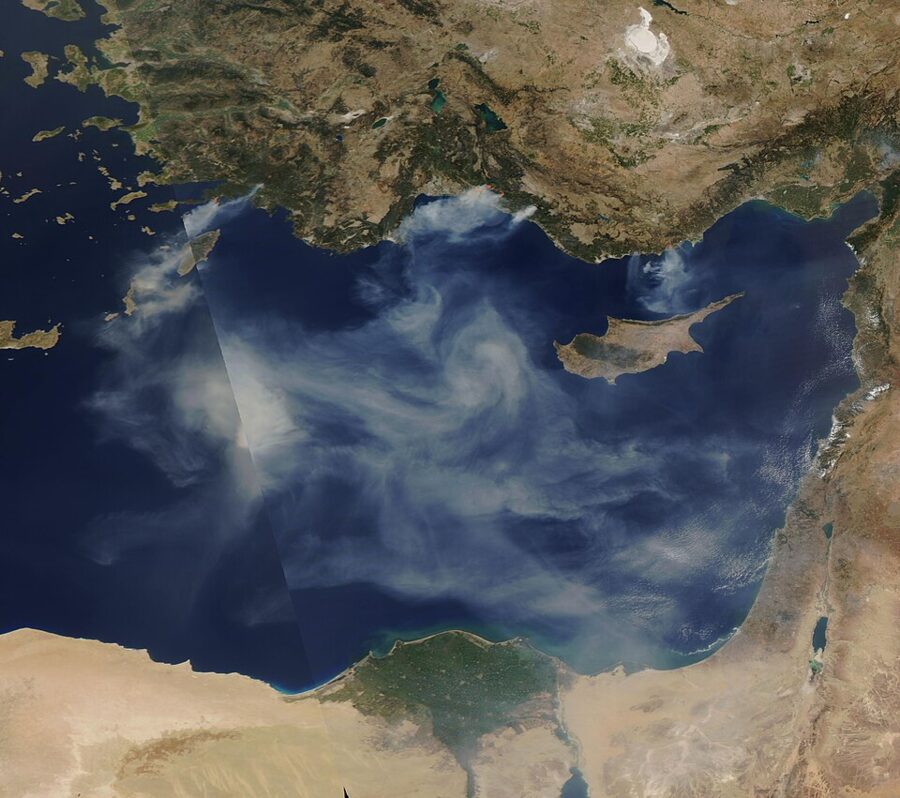
Heat and wind bring wildfires to the Aegean and Mediterranean forests every summer, with the worst of them in July and August. On 29 and 30 July 2026 a fire in Seydikemer, the district just east of Fethiye, forced the evacuation of 408 homes and 703 people, and smoke closed the Fethiye–Antalya highway for a time; the agriculture and forestry minister announced on 30 July that it was under control. On 7 September 2026 a fire broke out in Antalya’s Aksu district and spread into Kepez, and people from at least 254 homes were evacuated and the Antalya–Isparta highway was closed temporarily.
For a traveler the practical effects are road closures, smoke and closed forests. Each summer provincial governors close forest areas to the public: Muğla’s ban for 2026 ran from 1 June to 31 October and covered forests around Marmaris, Bozburun, Selimiye and Sedir Island, and it also banned picnics, barbecues and fires at the forest edge. If you plan to hike in summer, check the governor’s notice for the province first, carry no stove, and never flick a cigarette from a bus window.
When a big fire is burning, the smoke can drift far beyond the flames. On those days anyone with asthma should keep an inhaler close and take the bus rather than the hike.
What to pack, season by season
- Spring (April to early June): layers. A fleece and a light waterproof for Istanbul and the Cappadocia evenings, a swimsuit from late May on the south coast, and shoes that can handle a muddy valley path.
- Summer (mid-June to early September): sun hat, high-factor sunscreen, a refillable bottle, and clothes that cover shoulders and knees for the mosques. Add a warm layer for Cappadocia nights, a balloon dawn or Nemrut at sunrise, and a rain jacket for the Black Sea.
- Autumn (mid-September to November): much the same as spring, with the swimsuit still useful on the south coast into October and a warmer jacket from November.
- Winter (December to March): a proper waterproof jacket and shoes that keep out puddles for Istanbul and the coast; a down jacket, hat, gloves and boots with grip for Cappadocia and the east. Hostels and pansiyons in small towns can be cold at night, and the cheapest rooms are not always the warmest.
A light scarf earns its space in every season. Women need a head covering to enter a mosque, and it doubles as sun cover in August and a neck warmer in a February wind.
Weather, holidays and prices
Prices follow the weather and the Turkish calendar together. The coast is at its dearest in July and August, when Turkish schools are on summer break: the 2026–27 school year ends on 25 June 2027, and the next one starts in September. The religious holidays add their own peaks, set out in full in the guide to Turkey’s public holidays. In 2027 Ramazan Bayramı falls on 9–11 March and Kurban Bayramı on 16–19 May.
Kurban Bayramı is the one to watch. In mid-May the coast is already warm, much of the country heads for it at once, and intercity buses, flights and cheap beds in Antalya, Fethiye and Bodrum sell out. The school midterm break of 8–12 March 2027 overlaps Ramazan Bayramı, and the winter break from 25 January to 5 February 2027 fills the ski resorts.
The sweet spots are the weeks either side: early June before the schools close, and mid-September to October after they reopen. Beds are cheaper, the sea in September is still close to its August peak, and the buses have seats. Lira prices move fast, so check any quoted price against the current rate; how the money works is in the guide to the Turkish lira.
If spring is your window, book the first night in Istanbul, take the night bus south once the coast forecast shows 25°C, and pack the fleece for Göreme, where the May nights still drop to 9°C.